







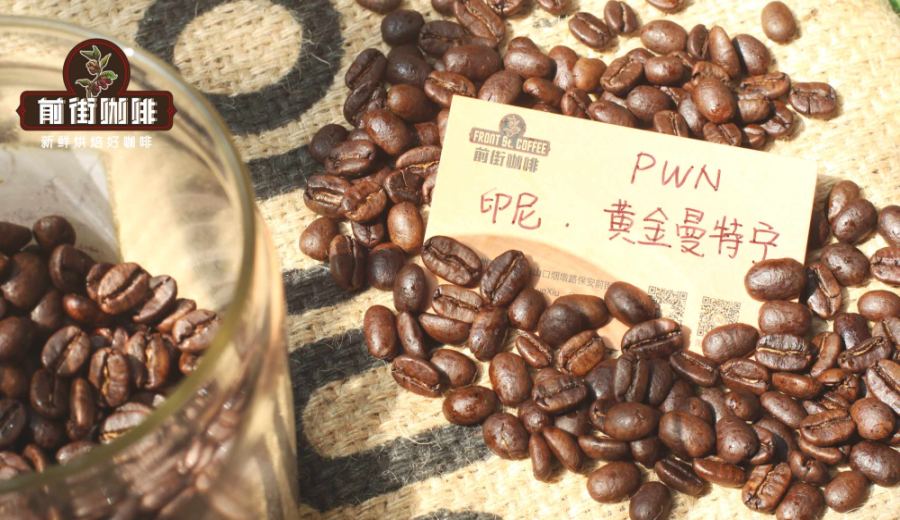
Introduction:Mandheling coffee is renowned for its rich and full-bodied flavor profile and distinctive herbal character, making it a classic favorite among many coffee enthusiasts. Among them, PWN Golden Mandheling is considered the pinnacle representation, boasting exceptional purity and smooth sweetness. However, with countless products bearing the same name on the market, how can one identify the true PWN-produced Golden Mandheling and understand the subtle differences among Mandheling from various origins? This article will delve into the flavor profile, classification, processing methods, and certification recognition tips of Mandheling, giving you a comprehensive grasp of the core knowledge of this classic coffee.
When it comes to coffee varieties that are both intense in flavor and highly regarded, Mandheling is undoubtedly near the top. Originating from Indonesia, this coffee wins the hearts of global coffee lovers with its bold, rich mouthfeel and unique herbal and spicy aromas. Especially when brewed as a pour over, its layered expression and moderate acidity make it a popular choice for many coffee enthusiasts as an entry-level favorite and daily go-to.
Among the many Mandheling offerings, the Golden Mandheling from a well-known brand is hailed as the standout in its category. This coffee not only exudes a rich and instantly recognizable aroma, but also performs exceptionally well when used in milk-based drinks such as cappuccinos or lattes. Its flavor profile is considered the pinnacle of the brand’s Mandheling series, demonstrating top-tier standards in terms of complexity, body, and overall balance.
The greatest charm of tasting Mandheling lies in its robust and full-bodied mouthfeel. Compared to coffees from other regions, Mandheling often exhibits lower acidity yet distinct sweetness and intensity. Its flavor profile often carries a subtle hint of herbal freshness, delivering a smooth experience without astringency, and leaves a long-lasting aftertaste. It’s a must-try for those who appreciate original and deep coffee flavors.
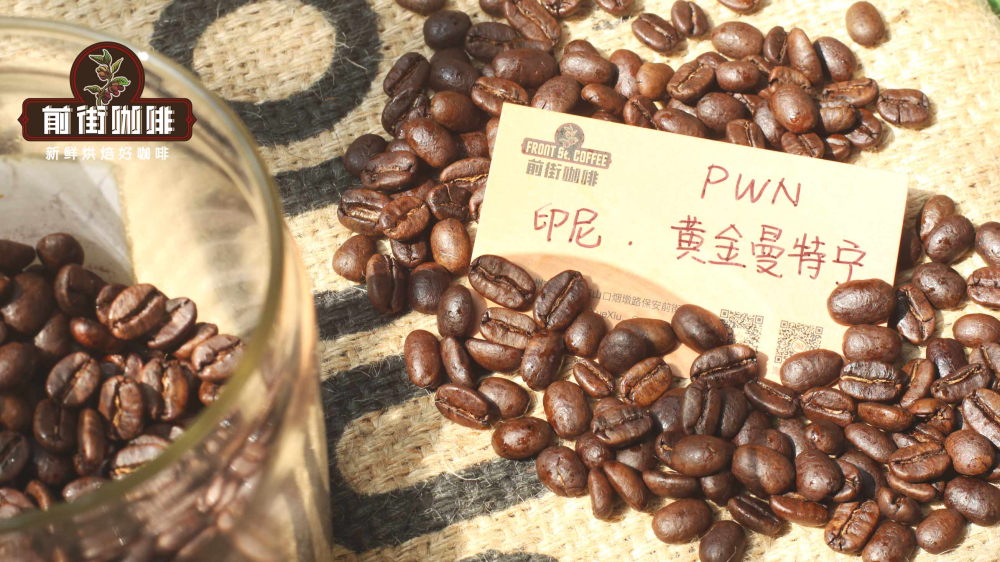
Speaking of Mandheling classifications, the common method is to categorize based on origin and processing farms. For example, a certain brand’s Lintong Mandheling and a certain brand’s Golden Mandheling are named according to the beans’ origin or processing source. While each Mandheling variety falls under the same broad category, slight differences in altitude, microclimate, and processing methods result in unique flavor expressions. Among them, a certain brand’s Golden Mandheling stands out due to its rigorous selection process and unique processing techniques.
The so-called PWN Golden Mandheling is actually sourced by Indonesia’s local Pawani Coffee Company from the Aceh region and undergoes wet-hulled processing before being released. Notably, the name “Golden Mandheling” has been registered as a trademark by this company, meaning only Mandheling produced by PWN can be rightfully called “Golden Mandheling.”
To ensure quality, PWN enforces high standards in selecting the green coffee beans it purchases. First, machine sorting removes beans that do not meet the 18-mesh size standard, followed by three rounds of manual hand-picking to individually eliminate misshapen or defective beans. This rigorous selection process ensures that the final Mandheling product meets the highest grade in the Indonesian green bean classification system — the G1 grade.
The meticulously vetted Mandheling green beans are not only more consistent in size and appearance, but also benefit from more even heat distribution during roasting, fully releasing sweet compounds and further enhancing the purity and complexity of the flavor. As a result, unwanted off-flavors and astringency are reduced, while the overall mouthfeel becomes smoother and richer.
However, precisely because of the fame of PWN Golden Mandheling, the market is also flooded with imitation or similarly named products. Many merchants may label their products as “Golden Mandheling,” yet they may not actually come from the official PWN source. To avoid purchasing counterfeits, consumers can check for a certification issued by PWN. Generally, buying from first-hand suppliers usually ensures access to such official documentation. Additionally, the packaging sacks of genuine green beans clearly display the PWN brand logo, allowing consumers to identify them directly. In physical stores or exhibition events, one can also personally inspect relevant certification materials and original packaging to ensure the purchase of authentic PWN Golden Mandheling.
The above content is compiled by CoffeeHunters, a coffee news website.


