







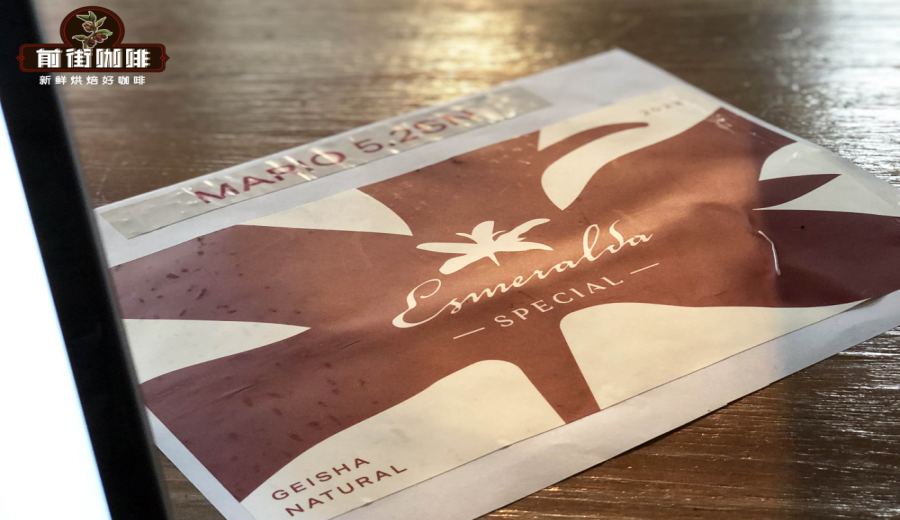
Introduction:The Geisha coffee from Panama's Hacienda La Esmeralda is renowned worldwide for its unique floral and fruity aromas and high quality. Its three label colors—Red, Green, and Blue—represent different grades and flavor profiles. This article delves into the origins of the three labels, regional differences, and the flavor characteristics of the three core plots: Jaramillo, Canas Verdes, and El Velo. It also provides practical pour over recommendations and brewing parameters to help you better appreciate the charm of this top-tier coffee.
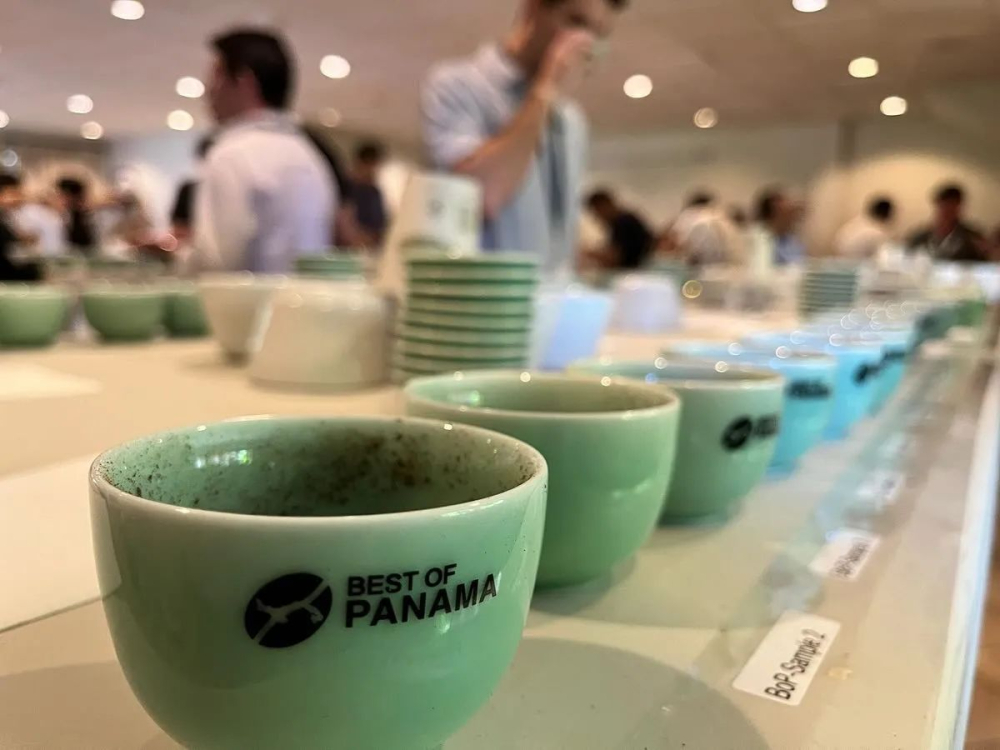
In the world of specialty coffee, the Geisha variety is almost synonymous with ultimate flavor, and Panama’s Hacienda La Esmeralda is the key force behind its rise to legend. Since its breakthrough at the Best of Panama (BOP) competition in 2004, this coffee has completely transformed the public’s perception of coffee with its distinctive floral and fruity aromas and bright acidity, propelling Panamanian coffee to the center stage of the international specialty market.
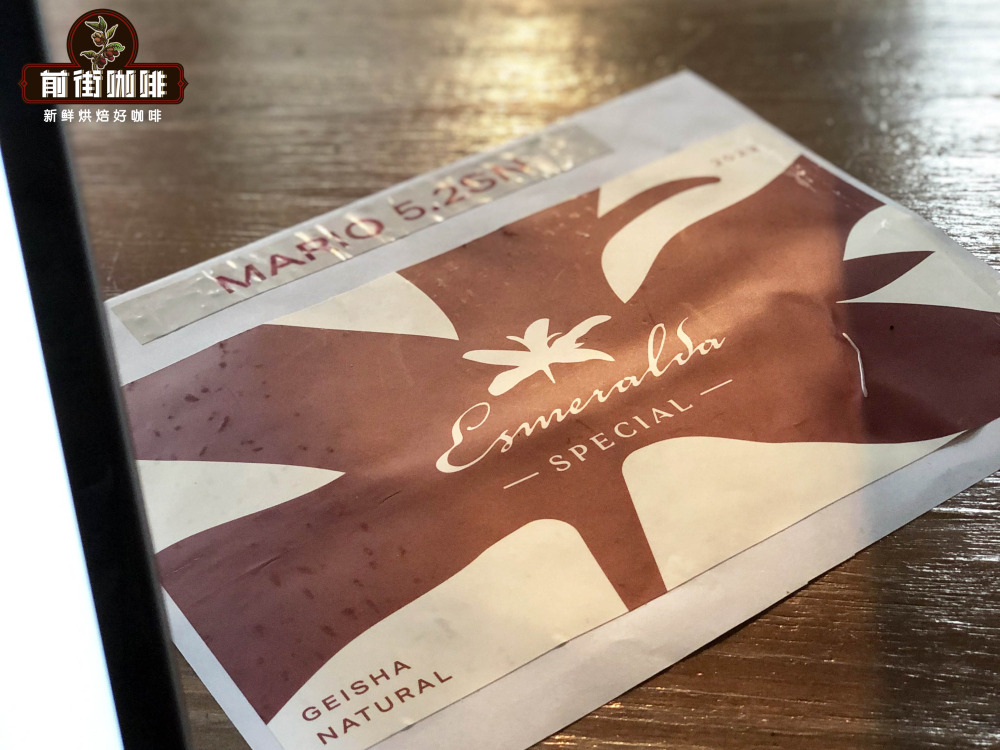
The Geisha series from Hacienda La Esmeralda is mainly divided into Red Label, Green Label, and Blue Label. Each label not only represents a different grade and processing method but also reflects the unique flavor characteristics of specific plots. Among them, the Red Label is the highest grade, selecting only Geisha batches with cupping scores above 90, sourced from high-altitude core areas such as Jaramillo and Canas Verdes, and emphasizing single-plot flavors. For example, the famous small Mario plot is one of the common sources of the Red Label.
The Green Label is positioned as a high-altitude Geisha blend, although it does not refer to a single plot, it still retains the distinct flavors characteristic of Geisha, such as jasmine floral notes, honey sweetness, and an aftertaste with layers of oolong and brown sugar. The Green Label is often seen as a “composite version of the Red Label” and is suitable for coffee lovers who want to experience the charm of Geisha without being limited to a specific region.
As for the once-existent Blue Label, originally named “Geisha1500” and identified by a blue label, it was mainly a blend from three sub-farms: Jaramillo, Canas Verdes, and El Velo, grown at an altitude of around 1500 meters, and was previously offered as an entry-level Geisha option. However, according to official information, Hacienda La Esmeralda officially discontinued the Blue Label in 2021, and the current product line only includes the Red and Green Labels. Consumers should pay special attention when making purchases.
The core planting areas of Hacienda La Esmeralda are concentrated in Panama’s Boquete region, known for its high altitude and diverse microclimates, making it particularly suitable for the Geisha variety, which has very high environmental requirements. The farm is further divided into three well-known growing regions: Jaramillo, Canas Verdes, and El Velo, each with unique microclimates and soil characteristics that further influence the final flavor profile of the coffee.
The Jaramillo plot ranges in altitude from 1600 to 1700 meters and is one of the main sources of Red Label Geisha. This area is subdivided into five small plots, including Mario, Noria, Reina, Bosque, and Buenos Aires. A certain shop’s naturally processed Red Label Geisha is sourced from the Mario plot, characterized by rich tropical fruit and citrus notes.
The Canas Verdes plot is slightly higher in altitude, ranging from 1600 to 1800 meters, and includes nine small plots, such as Lino, Coronado, and Fundador. The Geisha from this area often features bright berry notes and delicate spicy layers, and is also commonly selected for the Red Label.
El Velo is a plot recently incorporated by Hacienda La Esmeralda, with even higher altitudes ranging from 1700 to 1900 meters. It is currently subdivided into seven small plots, such as Guabo, Portón, and Durazno. Due to its later development, it is currently mainly available as private or auction lots and has not yet been widely included in the regular product line. However, it is already regarded as an emerging area with potential for future Geisha flavor profiles.
In terms of processing methods, the Red and Green Labels mostly use natural or washed processes, with slight adjustments depending on the year and batch. Natural-processed batches usually emphasize sweetness and fruity aroma explosiveness, while washed processes highlight clean acidity and delicate aromas. A certain shop’s Green Label Geisha is washed-processed, suitable for those who prefer a refreshing style.
If you want to brew Hacienda La Esmeralda’s Geisha coffee at home, it is recommended to use a light roast to preserve its delicate floral and fruity aromas and bright acidity. In practice, it is recommended to use a grind size with about 78% passing through a Chinese Standard No. 20 sieve, equivalent to the size of fine sugar, with water temperature controlled between 90–91°C to reduce the risk of over-extraction and bring out the best flavor layers.
It is recommended to use a V60 dripper for pour over, with a coffee-to-water ratio set at 1:16. Based on 15 grams of coffee grounds, the total water volume is 240 milliliters. Use a three-stage pouring method: start with 30 grams of water for a 30-second bloom, then circle-pour up to 125 grams, wait for the water level to drop, then continue pouring up to 225 grams. The total extraction time is best controlled between 2 minutes 10 seconds and 2 minutes 20 seconds. This parameter setup helps balance the acidity, sweetness, and aroma, and is suitable for most Geisha batches.
In summary, the Geisha series from Hacienda La Esmeralda is not only the pinnacle representative of specialty coffee, but the grading of its Red, Green, and Blue Labels also clearly reflects multiple differences in origin, processing, and flavor. Whether you are a beginner or a seasoned coffee enthusiast, understanding these details can help you make more precise choices and brewing, experiencing the most authentic and moving flavor expressions of Geisha coffee.
The above content is compiled by CoffeeHunters, a coffee news website.


