








Introduction:Although Robusta coffee beans are not as popular as Arabica, they hold an indispensable position in the coffee industry. This article delves into the variety origins, bean shape characteristics, suitable growing environments, differences from Arabica, and practical applications of Robusta in the market. Whether you're a beginner or a coffee enthusiast, you can learn about the unique qualities and value of Robusta from this article.
Among the many coffee varieties, Arabica is widely favored for its delicate flavors, while Robusta is often overlooked and rarely appears as a single-origin offering. However, these two types of coffee beans differ significantly in origin, appearance, adaptability, chemical composition, and flavor profile. This article will provide a detailed analysis of various aspects of Robusta to help readers fully understand this often misunderstood variety.
First, many coffee consumers have this question: why is it almost impossible to find single-origin Robusta in coffee shops? In fact, although both Robusta and Arabica belong to the genus Coffea, they differ greatly in origin and characteristics. Below, we will answer common questions about Robusta one by one, including its place of origin, bean shape, growth requirements, caffeine content, disease resistance, and its primary uses in the market. Whether you're new to coffee or an enthusiast looking to understand blending principles in depth, you can gain practical knowledge from this.
Q1: Where do Robusta and Arabica originate from respectively?
The history of Arabica can be traced back to Ethiopia, where numerous officially unnamed wild coffee varieties still exist today. In contrast, Robusta originated in the Congo region of central and western Africa and belongs to the Canephora species, also known as the Congo species. It's worth mentioning that among the Canephora species, only Robusta has been successfully commercialized and gained widespread recognition, making Robusta almost synonymous with this species.
Q2: What are the differences in bean shape between Robusta and Arabica?
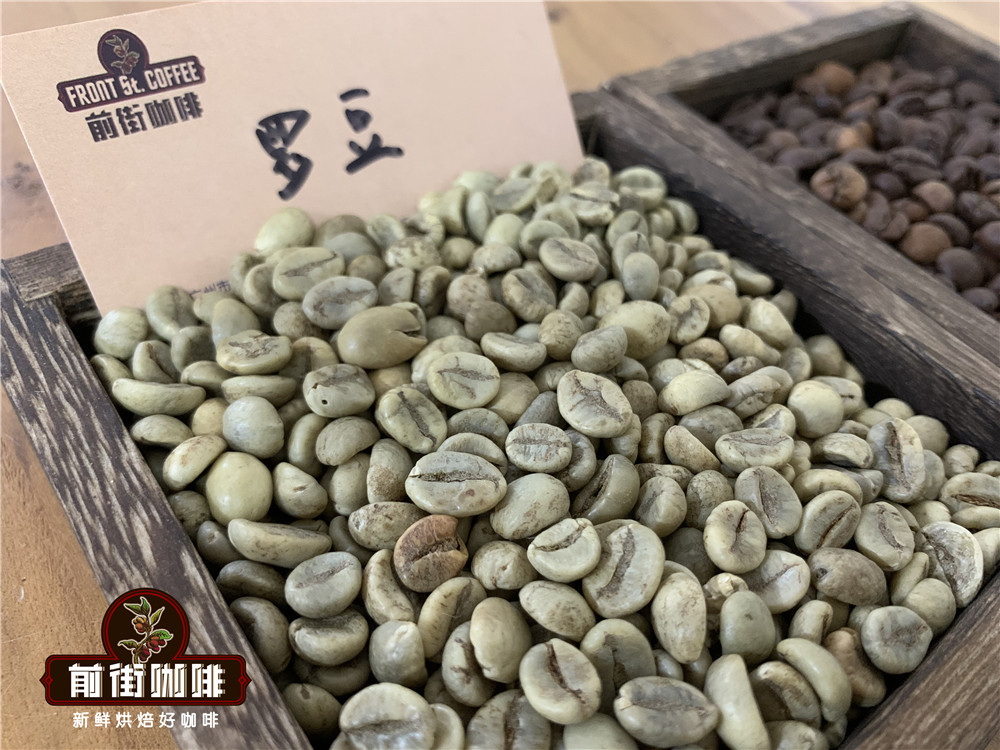
Robusta cherries usually contain only one seed, known as a "single bean," which tends to be rounder in shape with a distinct C-shaped outline, and the center line appears like a straight "1." In contrast, Arabica cherries typically contain two seeds, with single beans appearing only occasionally. Normally, Arabica beans are slender and flat oval-shaped, with the center line showing a natural C or S curve. These beans are also referred to as peaberry or pearl beans.
Q3: How do their growing environments differ?
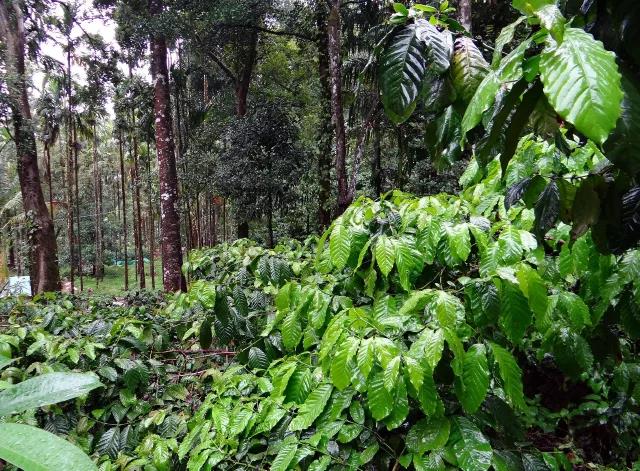
Arabica requires higher growing conditions, preferring cool high-altitude regions, usually needing stable temperatures, moderate humidity, and good soil conditions. Different altitudes and microclimates can significantly affect its flavor profile, with high altitudes providing a large diurnal temperature variation that helps accumulate flavor compounds, resulting in richer coffee taste. In comparison, Robusta has stronger environmental adaptability, able to grow in low-altitude and high-temperature areas, grows faster, and has better resistance to harsh weather. Tropical regions such as Vietnam, Brazil, India, as well as China’s Hainan Island, are major producers of Robusta.
Q4: How big is the difference in caffeine content between the two?
Arabica has relatively low caffeine content, approximately between 0.9% and 1.2%, but it has about 60% more fat content and twice the sugar content of Robusta, hence its flavor is usually cleaner, with softer acidity and more layers. Robusta, on the other hand, has a caffeine content as high as 1.6% to 2.4%,with lower fat and sugar content, resulting in a stronger, more intense taste with prominent bitterness and a bolder flavor impact. Additionally, the high caffeine content also helps resist pests, serving as one of Robusta’s natural defense mechanisms.
Q5: Why does Robusta have stronger disease resistance?
Research shows that Arabica coffee trees mainly rely on self-pollination for reproduction, leading to lower genetic diversity, and offspring are prone to poor adaptability to environmental changes due to genetic uniformity. In contrast, Robusta uses cross-pollination, a reproductive method that combines genetic traits from both parents, increasing the possibility of variation and enabling the plant to better adapt to changing environments and disease pressures. For example, leaf rust disease could be devastating to Arabica, but Robusta can improve survival chances through genetic adjustments.
Q6: What are the flavor characteristics of Arabica?
Due to being mostly grown at high altitudes, Arabica has a longer growth cycle, allowing it to accumulate richer flavor compounds. Common varieties such as Typica, Bourbon, and Geisha each exhibit different characteristics. Typica generally presents a clean and balanced taste; Bourbon has more pronounced aroma and a fuller mouthfeel; while Geisha is renowned for its delicate floral notes and soft acidity, making it a favorite among many specialty coffee lovers.
Q7: What are the flavor characteristics of Robusta?
Robusta is mostly cultivated in low-altitude regions, grows faster, and therefore has more limited flavor development. Additionally, it has a higher chlorogenic acid content—a bitter-tasting compound—that makes Robusta’s flavor more intense and deeper, often with nutty, peanut, hazelnut, and wheat-like cereal notes, sometimes even accompanied by a slight earthy smell. While these characteristics may not be favored by some specialty coffee enthusiasts, they hold unique value in certain applications.
Q8: What coffee products is Robusta commonly used in?
Despite its unremarkable flavor profile, Robusta is widely used due to its high body and rich crema. Most instant coffees on the market are based on Robusta, and even after adding sugar and creamer, they can still deliver a strong taste. Additionally, some coffee roasters blend Robusta with other varieties to enhance the body and intensity of the coffee. For example, blending Robusta with coffee beans from Colombia or Brazil can retain the aroma of nuts and cocoa while adding richness and a steady mouthfeel, making it suitable for making espresso.
The above content is compiled by CoffeeHunters, a coffee news website.


