







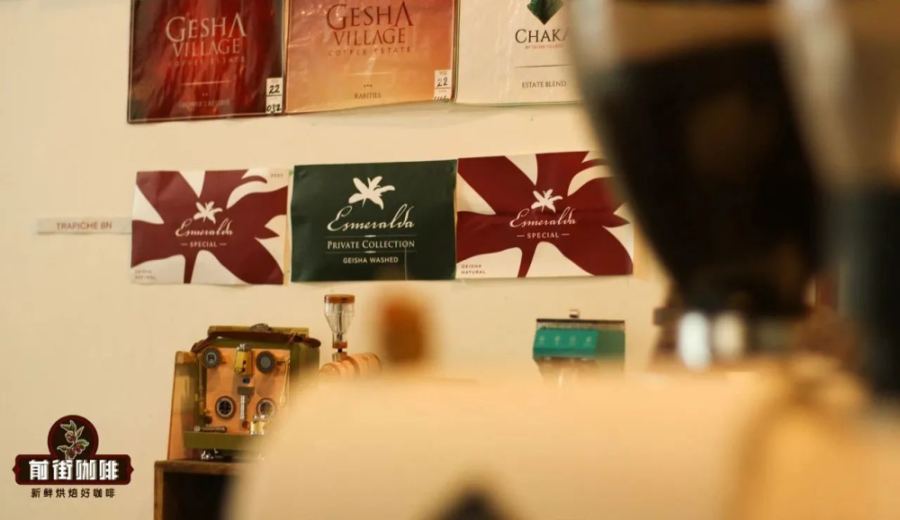
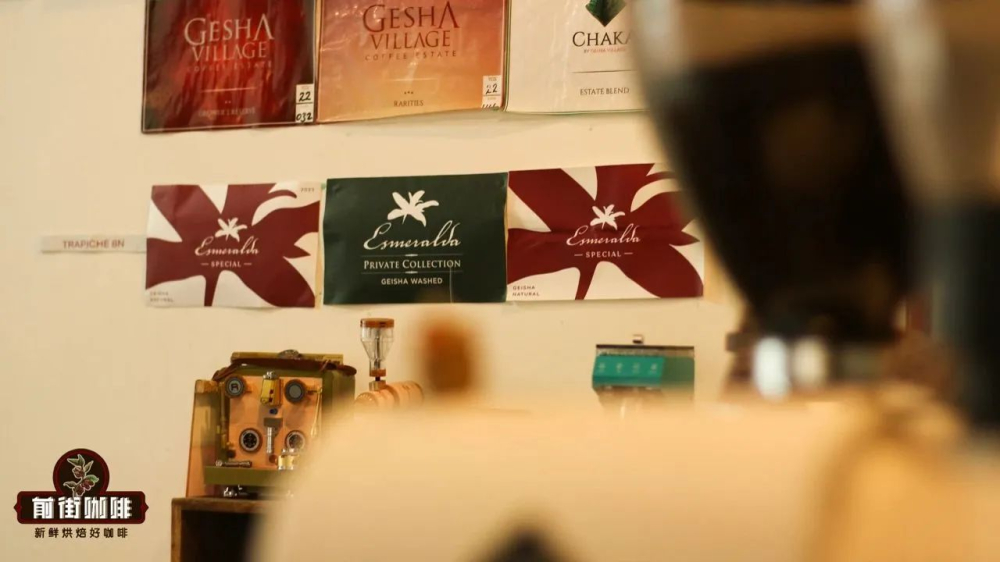
Introduction:Panama’s Geisha coffee from Hacienda La Esmeralda is world-renowned for its unique floral aroma and delicate acidity. But what sets the Red Label, Green Label, and Blue Label apart? This article delves into the production regions, microclimate characteristics, and flavor profiles of these three tiers from Hacienda La Esmeralda, and offers practical parameters and tips for light-roast pour over brewing to help you fully appreciate the allure of this top-tier coffee.
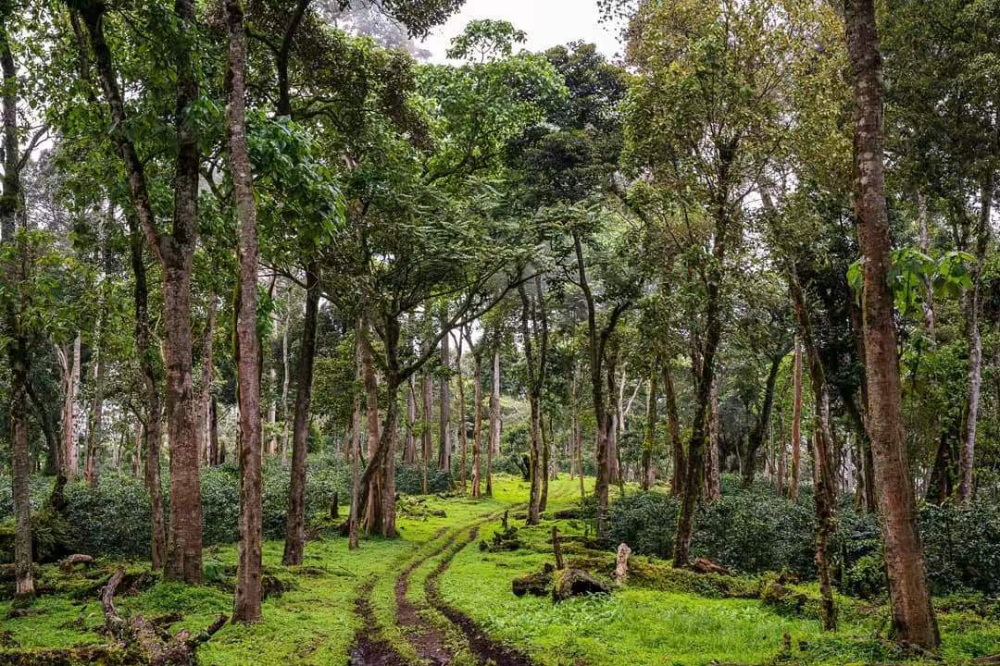
The reason Geisha coffee has become the dream choice for coffee enthusiasts lies in its refined floral notes, bright citrus and berry tones, and well-layered acidity-sweetness balance. And Panama’s Hacienda La Esmeralda is the key force that brought this variety onto the global stage. From its origins in Ethiopia’s Geisha Forest to its eventual flourishing in the high-altitude mountains of Boquete, Panama, the journey of Geisha is filled with legendary tales.
This variety was first discovered in 1931 in Ethiopia’s Geisha Forest, where it was just one of many ordinary trees, until it was introduced to Panama in the 1970s. However, for many years it was only used as a windbreak until Hacienda La Esmeralda discovered its astonishing potential. Especially at the Jaramillo plot, this coffee displayed unprecedented floral-fruity aromas and juicy body, completely transforming the global perception of Geisha.
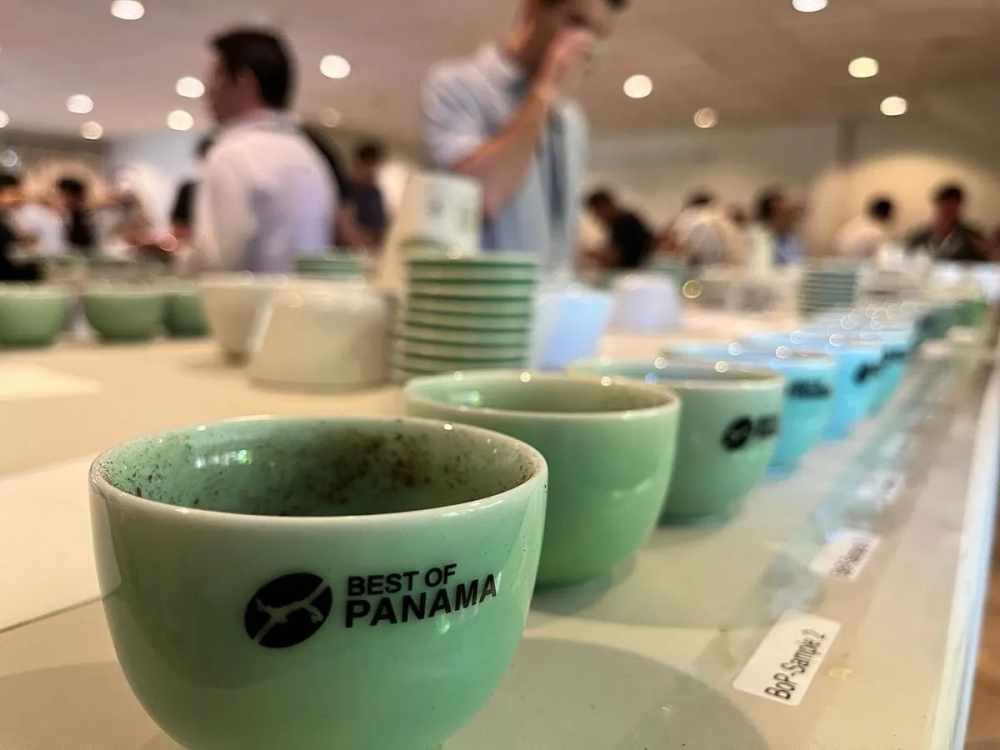
Hacienda La Esmeralda is located in the Boquete region of Panama, home to the Barú Volcano, and offers an ideal environment for coffee cultivation. High altitude, cloud cover, and fertile volcanic soil provide perfect growing conditions for Geisha. Since its establishment in 1964, after years of variety selection and processing technique refinement, the estate finally gained international acclaim in 2004 by winning major awards with the Geisha variety.
Hacienda La Esmeralda divides its Geisha cultivation into three core plots: Jaramillo, Canas Verdes, and El Velo. Each plot has its own unique microclimate and altitude conditions, resulting in subtle differences in the flavors of the Geisha produced.The Jaramillo plot sits at an altitude of 1600–1700 meters, with an annual rainfall of about 4000 mm and significant day-night temperature variation. It is the main source of Red Label Geisha.The Canas Verdes plot is at a slightly higher elevation of around 1600–1800 meters, with an annual rainfall of 3500 mm, providing the diversity found in Green Label Geisha. The newly acquired El Velo plot reaches even higher altitudes of 1700–1900 meters. In addition to Geisha, it also cultivates various experimental varieties, holding unlimited future potential.
The Red Label Geisha from Hacienda La Esmeralda represents the highest grade of Geisha quality. These coffee beans come from carefully selected small sections within the Jaramillo plot, such as the Mario plot, and are processed using slow sun-drying methods to highlight rich floral aromas, citrus notes, and honey-like sweetness.Each bean in the Red Label can be traced back to a specific small plot, with extremely strict quality control and almost no defective beans.It is suitable for coffee enthusiasts seeking ultimate flavor complexity, and pour over brewing can fully showcase its layered fruit acidity and floral notes.
Green Label Geisha is a blend from multiple plots, primarily including Jaramillo and Canas Verdes, at altitudes ranging from 1600–1800 meters. Though not traceable to a single block like the Red Label, the Green Label still maintains a high level of cleanliness and bright acidity, often featuring jasmine tea and passion fruit notes.The Green Label is available in both washed and natural (sun-dried) processing methods, with the natural version offering more pronounced sweetness.It is ideal for those who enjoy a refreshing tea-like sensation balanced with fruity flavors.
As for the Blue Label (also known as Geisha 1500), it was historically a blend produced from plots at elevations of 1400–1500 meters, with lighter flavors dominated by faint floral notes and fruit acidity, and a relatively thin mouthfeel.It is important to note that since 2021, Hacienda La Esmeralda has officially discontinued the production of the Blue Label batch.Most of what is currently available on the market consists of older vintage stock beans.
In terms of roasting, the estate’s Geisha beans are typically lightly roasted to preserve their vibrant acidity and floral-fruit aromas. For the Red Label, roasting begins at 150°C and gradually increases to a drop temperature of 189.5°C, emphasizing uniform bean development and aroma concentration.The Green Label uses a slightly higher charge temperature of 190°C, with a final drop temperature of 193.5°C, to bring out a rounder sweetness.The roasting profiles of these two beans differ slightly, reflecting the characteristics of the variety and the differences in processing methods.
For pour over brewing, lighter-roasted Geisha requires higher water temperature and finer grind size to fully extract its flavors. It is recommended to use a V60 #01 filter, with water temperature controlled at 91°C, a brew ratio of 1:16, and a grind size of approximately 78% passing through a Chinese standard No. 20 sieve (medium-fine). Use a three-stage extraction: start with a 30-second bloom using 30 grams of water, then pour in a slow stream up to 125 grams for the first pour, and finally add water up to 240 grams. Total extraction time is about 2 minutes to 2 minutes and 10 seconds.
Red Label Geisha delivers flavors of bright rose floral notes, citrus and berry tones, paired with intense juiciness and honey-like sweetness—layered and long-lasting. The Green Label exhibits floral notes such as jasmine and ginger lily, accompanied by lemony acidity and a tea-like body, resulting in a refreshing and enduring cup.Both the Red Label and Green Label showcase Hacienda La Esmeralda’s exceptional processing and cultivation expertise with the Geisha variety.。
The above content is compiled by CoffeeHunters, a coffee news website.


