








Introduction:Cold brew coffee is renowned for its smooth and rich flavor achieved through low-temperature, slow extraction. But did you know that by skillfully combining it with just a few common ingredients, you can instantly elevate this black coffee? This article will delve into five practical and innovative ways to flavor cold brew, including fruits, dried flowers, preserved plums, milk, and coconut water. From bean selection and ingredient ratios to flavor pairing principles, we’ll guide you step-by-step in crafting your own unique cold brew specialty drink—no professional skills required. You can easily recreate café-level creative flavors at home.
Cold brew coffee is typically enjoyed straight to fully appreciate the rich texture and delicate flavors brought out by low-temperature extraction. However, more and more coffee enthusiasts are starting to experiment with adding various ingredients to create more layered taste experiences. With simple flavor combinations, not only can the unique characteristics of the coffee be highlighted, but also unexpectedly refreshing or bold flavors can be achieved. Below, we’ll introduce in detail five easy-to-implement creative cold brew pairings you can try at home—from fruits and dried flowers to preserved plums, milk, and coconut water—to help you find the one that suits your taste best.

Most cafés serve their cold brew coffee as-is, allowing the intrinsic flavor profile of the beans and the silky texture from low-temperature extraction to shine. But for home brewers, cold brew serves as an excellent base for flavor experimentation. Simply swapping or adding a particular ingredient can completely transform the overall flavor. This article will systematically analyze five common and beginner-friendly creative ways to enjoy cold brew, including fruits, dried flowers, preserved plums, milk, and coconut water, along with bean selection suggestions and practical ratio references. Whether you prefer a refreshing fruity profile or a rich milky one, you’ll easily find your ideal combination.
1. Add Fruits
Many coffee beans inherently possess distinct fruit notes, such as citrus, berries, or tropical fruit flavors, making the combination of cold brew and fruit a highly promising pairing. In the flavor wheel system, there are numerous descriptors for fruit notes, which can be further broken down into blueberry, strawberry, cherry, grapefruit, orange, apple, peach, pear, pineapple, etc.—these aromatic traits can interact excellently with specific coffee beans. Suitable cold brew beans for pairing with fruit are quite diverse, such as “Hua Kui 8.0” dominated by tropical fruit notes, “Guo Ding Ding” with prominent citrus tones, “Strawberry Candy” emitting a raisin-like sweetness, “Xi Zha” with grape-like acidity and sweetness, as well as Kenyan coffee with dark plum sourness. These not only stand well on their own but can also create new flavors when paired with various fruits.
When choosing fruits to pair with, it’s recommended to prioritize their steepability and aroma expression. Ideal fruits should have juicy flesh, strong fragrance, and the ability to withstand prolonged soaking—examples include Kyoho grapes, peaches, lychees, as well as seasonal strawberries, cherries, and sweet oranges, all great options. Such fruits not only add a refreshing taste but also complement the fruity notes in coffee, creating a beverage experience with rich layers.
2. Add Dried Flowers
The cold brew process mainly unfolds slowly in low-temperature water, so compared to hot brewing techniques, its flavor expression tends to be more restrained. As a result, creative users often try adding dried flowers to impart additional aromatic layers to the coffee. Among many flower options, osmanthus, jasmine, and rose stand out as the most popular pairings due to their prominent and easily released fragrances. These three flowers are not only readily available but also compatible with most coffee flavor profiles, especially when paired with medium-to-light roasted beans featuring floral and fruity notes.
Since cold brew is a static extraction method, the release of dried flower aromas is relatively slow. Therefore, it’s advisable to choose varieties with intense fragrance but not overly dominant flavors, to avoid overpowering the coffee’s inherent profile. Additionally, the addition of dried flowers can bring a touch of freshness to the overall drink, making it particularly suitable for summer or when a refreshing taste is desired.
3. Add Preserved Plums
Preserved plums, a traditional Chinese snack, are known for their unique salty-sour taste and fruity aftertaste. They can serve not only as a cooking ingredient but also bring surprising changes to cold brew coffee. One experiment involved adding five preserved plums to a sun-dried “Hua Hu Die” (Butterfly Flower) cold brew. After an overnight soak, the coffee not only retained its original citrus acidity and tea-like quality but also gained a complex aroma reminiscent of perilla, raspberry, and cherry, significantly enhancing its flavor layers.
Besides preserved plums, other common preserved fruits like nine-processed dried tangerine peel can also interact interestingly with cold brew. For instance, adding tangerine peel to a cold brew from “Fen Jie Xian Zhuang Yuan · Da Du Qi” can evoke a blend of blackcurrant juice, citrus, and dried fruit notes, resulting in a rich and layered taste. Such creative pairings not only expand the flavor possibilities of cold brew but also allow drinkers to experience a fusion of taste cultures.

4. Pair with Milk
There are multiple ways to combine cold brew with milk. One approach is to use milk directly as the brewing medium instead of water. After steeping and filtering, you get a thick and smooth iced coffee. This method is particularly suitable for medium-to-dark roasted beans or above, as they can balance the fat and protein in the milk, resulting in a fuller mouthfeel. Another common method is to add fresh milk directly after brewing the cold brew. This not only softens the coffee’s harsh notes but also adds a creamy texture, making the overall drink easier to enjoy.
Whichever method you choose, adding milk can bring different textures and flavor experiences to cold brew, making it especially suitable for those who enjoy a balanced taste between milkiness and coffee.
5. Add Coconut Water
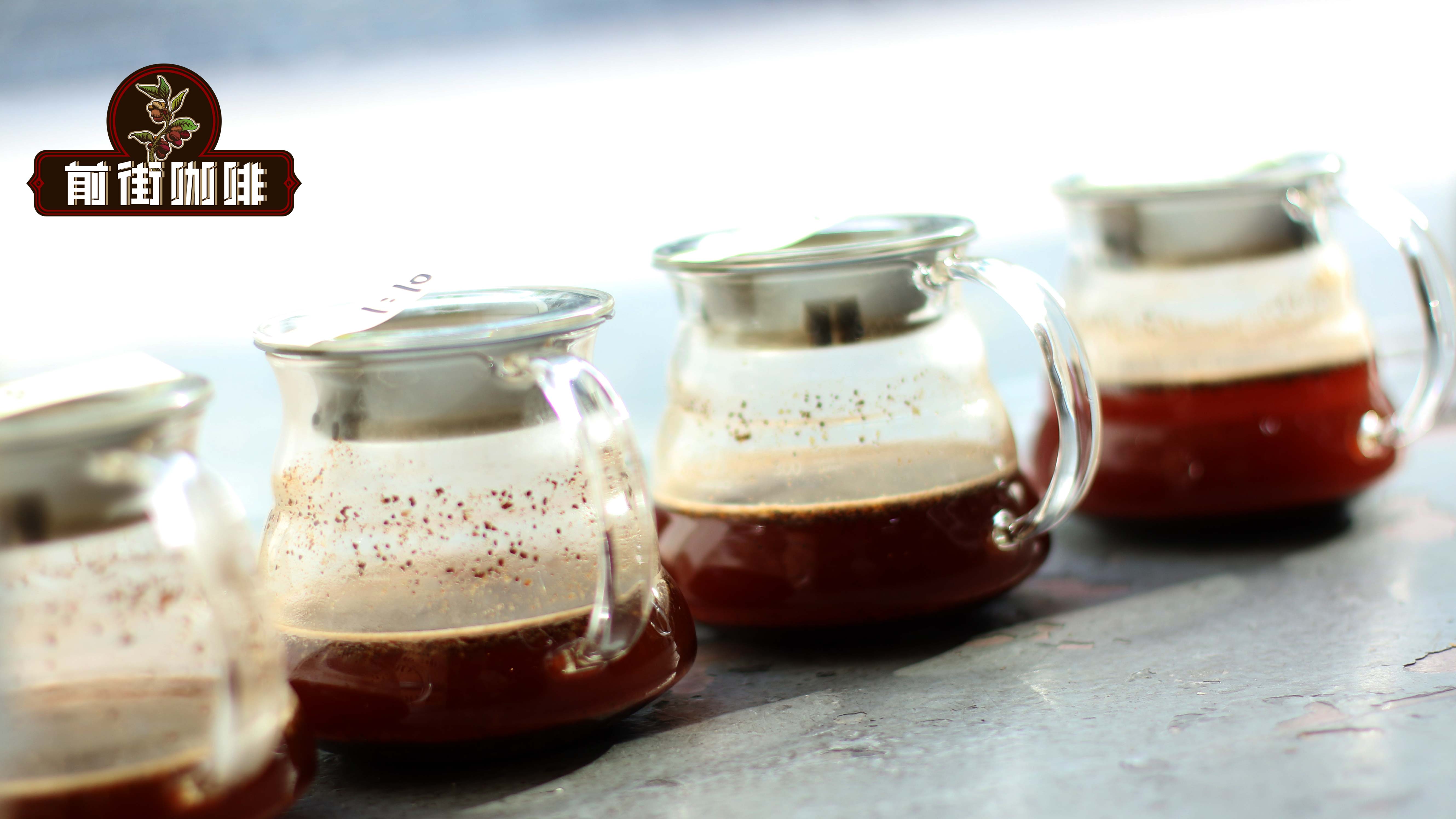
Coconut water, with its mildly sweet and slightly salty character and high mineral content, is an excellent choice for summer beverages—and it pairs exceptionally well with cold brew coffee. One experiment mixed 100ml of iced coconut water with 100ml of cold brew featuring “Strawberry Candy” notes (using a 1:10 coffee-to-water ratio), at a 1:1 ratio. The result was a drink that combined the tartness of raisins and strawberry gummies with the freshness of coconut, offering a refreshing and layered taste.
The addition of coconut water not only enhances the drink’s refreshment level but also introduces more diverse fruit notes to the cold brew, making it perfect for trying on hot days or when seeking a unique flavor experience.

The above content is compiled by CoffeeHunters, a coffee news website.


