








Introduction:Cold brew coffee, with its refreshing taste and smooth flavor, has become a popular choice for summer coffee beverages. Compared to traditional hot brewing, the low-temperature slow extraction process significantly reduces acidity and bitterness while highlighting unique sweetness and layers of flavor. This article will delve into the origins of cold brew coffee, its essential differences from iced coffee, and provide detailed homemade steps and parameter recommendations, allowing you to easily make professional-grade cold brew coffee at home.
Cold brew coffee has become an essential summer drink for many coffee enthusiasts in recent years, not only because of its cool and smooth characteristics but also due to its gentler and more balanced flavor compared to regular hot-brewed coffee. This brewing method, which involves steeping coffee grounds in cold water for an extended period, initially gained popularity in the United States and later spread globally through social media platforms, even becoming a staple item at international chains like Starbucks.
As the name suggests, cold brew means using cold water to extract coffee. The entire process usually takes at least 12 hours, sometimes even up to 24 hours. This low-temperature slow extraction method is similar to cold steeping tea, effectively suppressing the release of tannins and excessive caffeine, thereby delivering a smoother, lower-acid coffee flavor with a natural sweetness.

Common iced coffee is often made by quickly cooling hot-brewed coffee, such as by adding ice cubes or cold water. However, cold brew coffee is entirely extracted using cold water without any high-temperature processing, which greatly reduces sharp acidity and irritation in the flavor. For this reason, cold brew coffee is an extremely friendly option for those who are not accustomed to acidic tastes or who prefer a mellow flavor profile.
In addition to flavor differences, another major advantage of cold brew coffee is its simple preparation process. By simply controlling the ratio of coffee grounds to water, mixing the ingredients, and letting them sit refrigerated overnight, you can enjoy freshly made cold brew coffee the next day. This method is especially suitable for busy professionals or coffee lovers who enjoy meal prepping, requiring only minimal preparation for ready-to-drink iced coffee the following day.
It is understood that because cold brew coffee is not extracted under high temperatures, it has higher flavor stability and can maintain a certain level of quality even after being stored for several days, making it suitable for making large batches at once and storing them in divided portions. However, for optimal flavor, it is recommended to consume it within a week.
The following will provide a detailed introduction to how to make cold brew coffee at home, including recommended extraction parameters, required tools, and steps—so even beginners can get started with ease. It will also include practical tips for flavor adjustment and creative serving ideas, allowing you to enjoy a variety of cold brew coffee experiences at home.
Before getting started, let’s take a look at the basic materials needed. To make about 450ml of cold brew coffee, it is recommended to use: 40 grams of coffee beans with 500 milliliters of cold waterThis coffee-to-water ratio can produce a cold brew coffee with rich flavor and distinct layers. If you do not plan to add ice cubes, you can appropriately reduce the amount of coffee beans to 30 grams to lower the overall strength.
The roast level of the coffee beans also affects the final flavor. Light roast beans usually have bright flavors and pronounced fruit acidity; after cold brewing, the acidity becomes gentler while still retaining rich fruity aromas and layers. Medium-dark roast beans exhibit more caramel, nutty, and chocolatey notes, making them suitable for those who prefer a fuller-bodied taste. Regardless of the roast level chosen, it is recommended to use freshly ground coffee powder to fully release the flavor compounds.
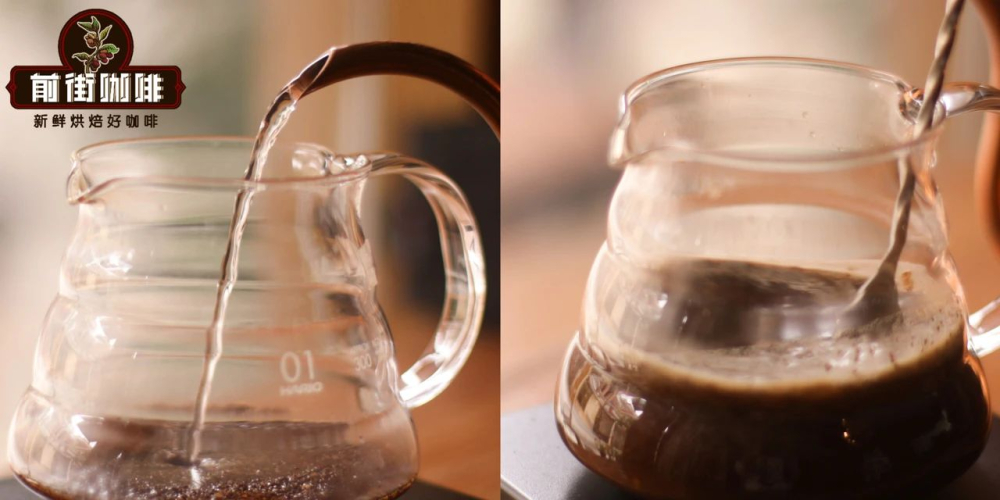
In terms of the brewing steps, first weigh the coffee beans and grind them to a coarseness similar to coarse sugar. Grinding too fine may lead to over-extraction and the release of impurities, while grinding too coarse may affect extraction efficiency. Next, fold the filter paper and place it in a filter or container, add the coffee grounds, and then slowly pour in the cold water, ensuring all the coffee grounds are evenly saturated.
After completing the water pouring, place the entire setup in the refrigerator’s chilling compartment and let it steep for at least 12 hours, with 16 to 20 hours recommended for optimal extraction. Avoid moving or frequently opening the refrigerator door during this period to maintain a stable low-temperature environment.
Once extraction is complete, remove the filter or filtering material and pour the cold brew liquid into a container for direct drinking. You can also customize it according to personal preference by adding ice cubes, milk, or milk foam to create various creative drinks. For added flavor, you can also try topping the cold brew coffee with a homemade milk cap to create an alternative experience similar to a coffee frappuccino.
In summary, cold brew coffee is a coffee beverage with low preparation barriers, unique flavor, and suitability for enjoyment year-round. By mastering the basic coffee-to-water ratio and refrigerated extraction time, you can easily replicate café-quality cold brew coffee at home and enjoy your own refreshing coffee moments.
The above content is compiled by CoffeeHunters, a coffee news website.


