







Introduction:Yirgacheffe is renowned for its vibrant acidity and floral-fruity aromas, but many beginners often shy away from their first pour-over experience due to its intense acidity. This article delves into the origins of the region, the ECX grading system, and the washed processing method to uncover the reasons behind Yirgacheffe’s unique flavor profile. It also provides practical three-stage pour-over parameters and a cold brew preparation guide to help you adjust grind size, water temperature, and coffee-to-water ratio, ultimately finding the balance that suits your palate best.
Many coffee newcomers are initially either amazed or overwhelmed by the bold and direct acidity when they first try pour-over Yirgacheffe. Some are drawn to its refreshing citrus notes, while others find the acidity too dominant and hard to enjoy. In reality, the acidity expression of Yirgacheffe is closely tied to its regional identity, processing method, bean grade, and brewing parameters. This article will guide you step-by-step through the origin of the region, market certifications, processing techniques, and practical brewing advice to help you understand the charm of this classic African bean. It also offers detailed pour-over and cold brew parameters to help you achieve the smoothest flavor profile.
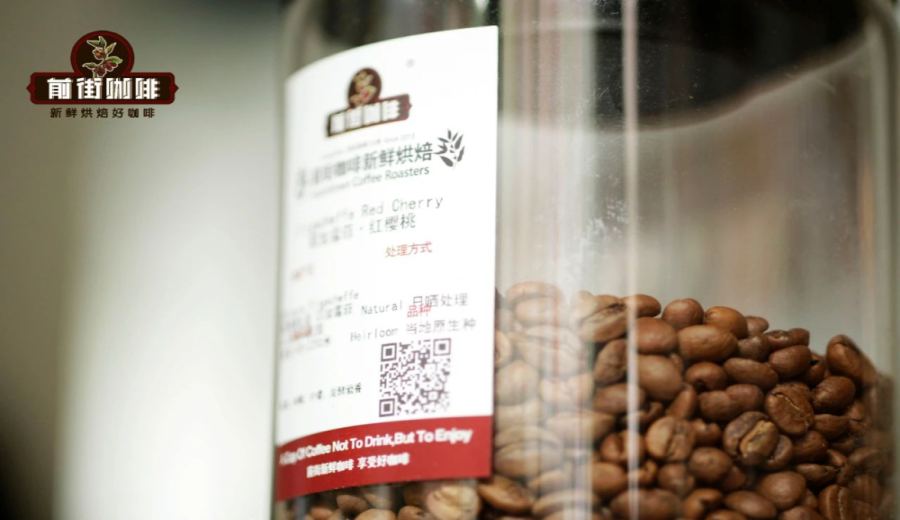
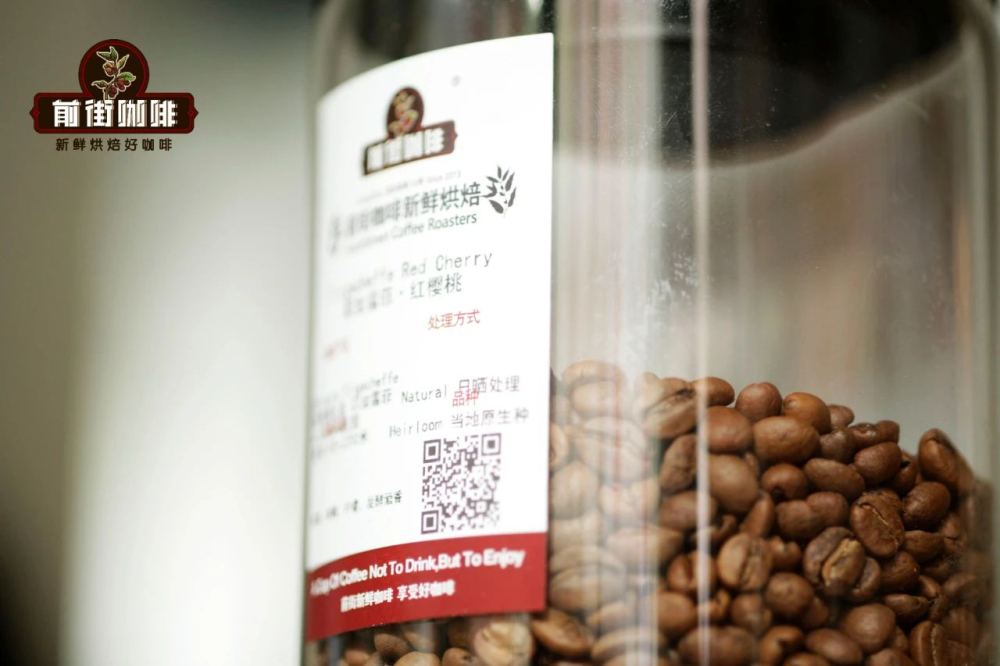
When it comes to coffee with bright acidity, many people immediately think of Yirgacheffe. It’s a far cry from the common perception of strong, heavy black coffee. Upon the first sip, what stands out is its lively citrus and lemony acidity, accompanied by elegant floral notes, all wrapped in a clean and refreshing package. Among the commonly available Yirgacheffe offerings on the market today, there are at least three choices: the Gedi Cooperative, Natural Red Cherry, and the most popular washed version, which is also the top choice for beginners.
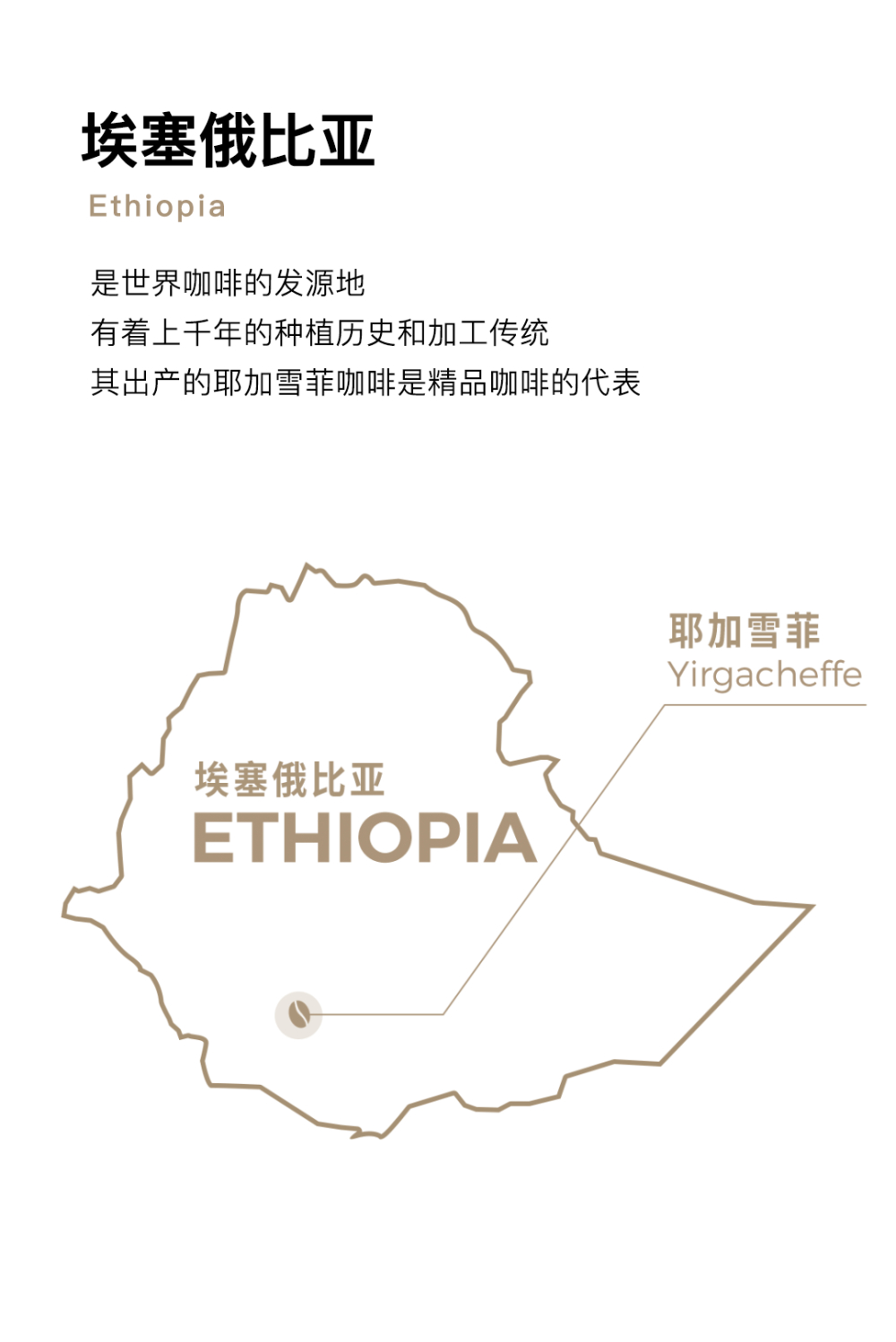
Is Yirgacheffe a region name or a coffee variety? Actually, it was originally a sub-region in the northwest of Sidamo Province in Ethiopia. The coffee produced there became highly distinctive in flavor, gradually gaining international recognition. Later, it was separated from Sidamo to become an independent region name. As early as 2004, the Ethiopian government, in an effort to standardize the coffee industry, registered three well-known regions — including Yirgacheffe — as commercial trademarks internationally. Among them, “Yirgacheffe Yirgacheffe®” is one of the most iconic registered names.
By 2008, the Ethiopian Commodity Exchange (ECX) was established, incorporating coffee into an auction system and implementing a rigorous quality grading and flavor classification system for exported coffee. Coffee labeled as having “Yirgacheffe flavor” is not limited to beans produced in the town of Yirgacheffe itself but also includes several administrative regions such as Yirgacheffe, Wenago, Gelena Abaya, and Kochere. However, these coffees must pass official flavor certification and grade evaluation, demonstrating the region’s signature citrus, floral, and high brightness characteristics, in order to legally use the name “Yirgacheffe flavor.”
Notably, multiple Yirgacheffe coffee bean offerings from this region, including the commonly sold Gedi, Natural Red Cherry, and washed everyday beans, all hold official Yirgacheffe flavor certification, ensuring their flavor profiles meet international standards.
So, what exactly is this so-called “Yirgacheffe flavor”? Typically, the most notable characteristics of this type of coffee are its high-toned citrus and lemon acidity, blended with white floral notes reminiscent of blooming jasmine. The acidity is layered and the mouthfeel is clean and crisp, with almost no off-flavors or unpleasant astringency. This combination of fruitiness, floral notes, and clear acidity has made Yirgacheffe synonymous with “African specialty coffee” in the minds of many. And the formation of this style owes much to the washed processing method.
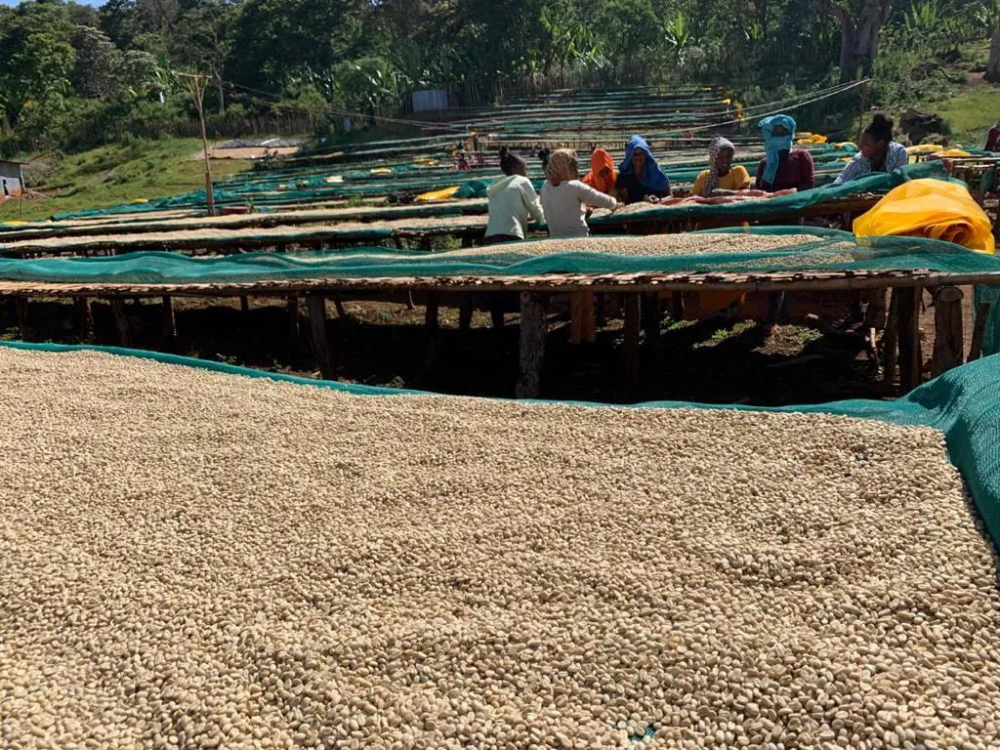
The washed method is a processing approach that requires relatively high equipment and technical expertise. Farms must set up dedicated washing tanks and have access to a stable source of clean water, making production costs relatively higher. But it is precisely because the washing process removes the pulp and some impurities while controlling fermentation that Yirgacheffe exhibits a clearer, brighter citrus tone, along with delicate white floral notes. The overall flavor is more transparent and clean, earning widespread favor in the global specialty coffee market.
Ethiopia’s coffee bean grading system has been established and implemented by the ECX since 2009, primarily based on the processing method of the green beans, defect rate, and cupping results. The grading uses the letter G followed by a number, with grades ranging from G1 to G5. Among them, G1 is the highest grade, with the strictest control over defect beans — allowing no more than 3 defects per 300 grams of green beans. G2 permits 4 to 12 defects per 300 grams. Although the defect gap between G1 and G2 narrows after roasting, G2 still offers great value for money and is an ideal choice for many entry-level enthusiasts.
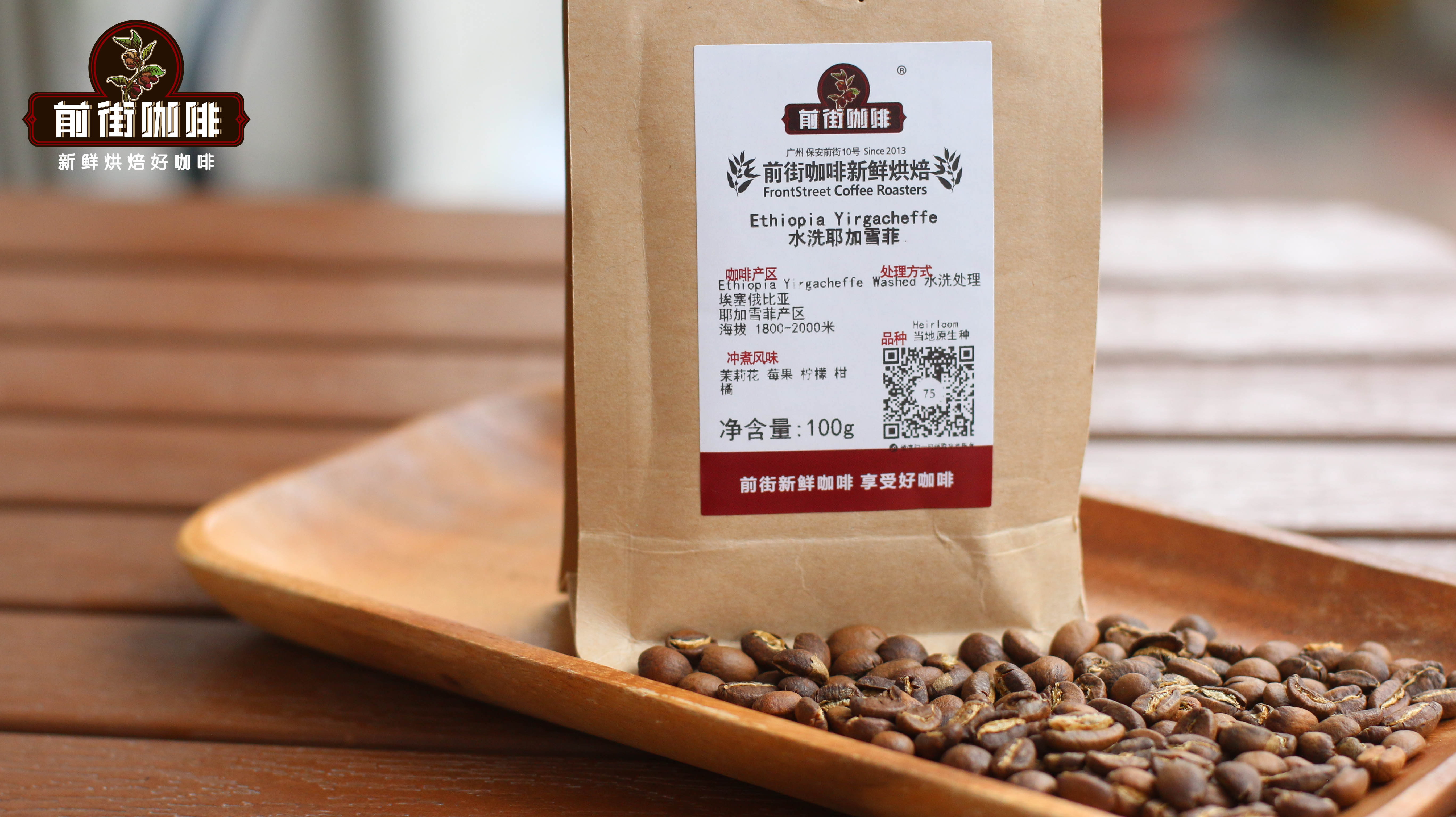
The washed Yirgacheffe everyday beans launched fall under the G2 grade. They are medium-light roasted to preserve the classic Yirgacheffe flavor profile and are suitable for various brewing methods such as pour-over, cold brew, and French press. They are an excellent entry point for experiencing Ethiopian coffee flavors.
When brewing washed Yirgacheffe using the pour-over method, it is recommended to use a V60 filter cone, with water temperature controlled at 92-93°C, around 15 grams of coffee, a 1:15 coffee-to-water ratio, and a grind size similar to that of fine sugar — approximately 78% extraction through a #20 sieve. For specific brewing, it’s advised to follow the classic three-stage pouring method: start with a bloom using twice the amount of hot water (about 30 grams) for about 30 seconds; then pour in small circles from the inside out until reaching 125 grams, pausing the first time; once the coffee bed has settled to about halfway down the filter cone, continue pouring until 225 grams to complete the extraction, with the entire process taking about 2 minutes. These parameters fully highlight the citrus acidity and floral-tea aroma of Yirgacheffe, while maintaining a clean and balanced mouthfeel.
After brewing, the first flavors to hit your palate are the bright citrus and lemon acidity, paired with a green tea-like freshness. As the temperature drops, the finish gradually reveals sweet layers of berries, cream, and sugarcane, leaving a distinct aftertaste. The mouthfeel is refreshing without being thin.
If you’d like to explore a different flavor profile, cold brew is also a great option. Simply take 30 grams of coffee beans, grind them to a coarseness close to 80% passing through a Chinese #20 sieve — similar in texture to fine sugar. Place the ground coffee in a clean, sealable container, add 300 grams of room temperature water, mix evenly at a 1:10 coffee-to-water ratio, then seal and refrigerate for about 12–16 hours. Afterward, filter out the coffee grounds with paper and you’ll have a refreshing cold brew Yirgacheffe ready to enjoy.
This cold brew coffee delivers bright acidity without being overly sharp, accompanied by subtle oolong tea and nectarine aromas, along with delicate nutty notes. It’s especially refreshing when served chilled, making it an ideal summer or everyday light pick-me-up beverage.
The above content is compiled by CoffeeHunters, a coffee news website.


