








Introduction:Yirgacheffe coffee beans are renowned for their elegant floral and fruity notes, but the prices and quality of beans from the same origin can vary greatly — the key lies in the ECX grading system. This article takes an in-depth look at the differences between washed and natural Yirgacheffe G1 and G2 grades, including defect rates, cupping scores, and how processing methods affect flavor. It also provides practical V60 pour over parameters and flavor profiles to help you choose beans and brew with precision.
Have you noticed that some Yirgacheffe-labeled coffee beans are expensive with delicate aromas, while others are relatively affordable with more muted flavors? The reason behind this lies in Ethiopia’s coffee grading system. Understanding Yirgacheffe’s grading logic not only helps you identify bean grades, but also allows you to choose the most suitable brewing method based on your needs, enhancing your overall coffee experience.
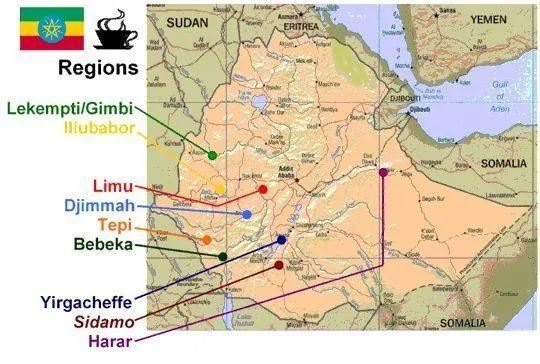
Yirgacheffe is located in southern Ethiopia, at an altitude of about 1,700 to 2,100 meters, making it one of the country’s highest-altitude coffee-growing regions. The cool, foggy climate, along with the nourishment of water sources such as Lake Abaya, creates a unique microclimate that often results in coffee with pronounced floral notes, citrus tones, and layered fruitiness. This is why Yirgacheffe has become a focal point for specialty coffee enthusiasts around the world.
Due to Ethiopia’s numerous native coffee varieties and the significant variation in bean size and shape, grading cannot be based on size as in other regions. Instead, it is determined by defect ratios and cupping quality. Among these, the grading system established by the ECX (Ethiopia Commodity Exchange) is currently the most widely used standard.
Before the implementation of the ECX system, washed Yirgacheffe was mainly divided into G1 and G2 grades, while natural beans only reached up to G3. However, under the new ECX system, natural beans can also achieve G1 status, which explains why we now see both natural G1 and G2 products on the market. The old system graded solely based on the number of defective beans, whereas the new system takes into account both physical characteristics and cupping flavor, dividing beans into nine grades (G1 to G9) in a more comprehensive and scientific manner.
The ECX scoring mechanism is divided into two main aspects: physical characteristics (40%) and cupping quality (60%). For washed beans, physical characteristics include defect count (20%), bean size (10%), color (5%), and aroma (5%); cupping evaluates cleanliness (15%), acidity (15%), mouthfeel (15%), and flavor (15%). For natural beans, the physical score places a higher weight on defect count (30%) and aroma accounts for 10%. Based on the total score, coffee is graded from G1 to G9. Among these, if G1 or G2 beans meet SCAA standard cupping criteria and score above 85, they are classified as Q1 grade; 80–85 as Q2; and even if they are G1 or G2, scores below 80 will result in a downgrade to the general G3 grade.
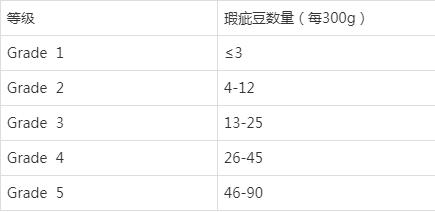
So, what is the actual difference between G1 and G2? Simply put, G1 beans have fewer defects — typically no more than 3 in a 300g sample, while G2 allows for 4 to 12 defects. Fewer defects not only mean a more intact appearance, but also result in lower off-flavors and purer flavors after brewing. Additionally, G1 beans often score higher in cupping, indicating richer flavor profiles and better balance. It’s worth noting that some beans may meet the G1 defect standard but still be classified as G2 if their cupping scores fall short.
The processing method of Yirgacheffe also greatly influences the final flavor. In the early days, the region primarily used the natural method, drying the coffee cherries directly in the sun, which preserved more pulp sugars and resulted in coffee with intense berry, sweet, and wine-like notes. The flavors were more complex and deep, though slightly less clean. After 1972, washed processing was introduced and gradually became the mainstream. By removing the pulp and fermenting and washing the beans, washed processing highlights the coffee’s acidity and floral notes, resulting in a clearer, brighter flavor with a refreshing aftertaste often reminiscent of citrus or black tea. For example, washed Yirgacheffe often showcases bright lemon acidity and subtle floral notes, while natural-processed Red Cherry may exhibit strawberry, berry, and fermented wine aromas.
If you want to brew Yirgacheffe’s refined flavors at home, selecting the right beans and mastering the correct parameters are crucial. It’s recommended to choose freshly roasted beans within 5 days of roast for maximum flavor complexity. If you need to buy pre-ground coffee, note that ground coffee should be consumed promptly to avoid oxidation affecting the flavor. Whole beans are best ground just before brewing to preserve optimal aroma.
Here are reference parameters for V60 pour over: water temperature around 90°C, using 15 grams of coffee, with a 1:15 coffee-to-water ratio. Grind size is recommended to be 80% through a 20-number sieve (medium-fine grind). The brewing steps suggest starting with a 30-second bloom using 30 grams of water to release CO₂; followed by pouring in a circular motion with a thin stream of water up to 125 grams for the first pour, then continuing to 225 grams. Total extraction time is about 2 minutes. These parameters help balance sweetness and acidity, highlighting delicate floral and fruity notes.
[Washed Yirgacheffe Flavor Profile]: Bright and lively acidity with fresh lemon and citrus aromas, a clean mouthfeel, and a subtle black tea-like finish.
[Natural Red Cherry Flavor Profile]: Rich and intense flavors blending strawberry, berries, and lemony acidity, accompanied by fermented wine notes, with a complex profile and prominent sweetness.
In summary, understanding Yirgacheffe’s grading and processing methods can help you choose coffee beans that align with your budget and taste preferences. Whether you prefer the clean acidity of washed G1 or the rich sweetness of natural G1, mastering the right brewing techniques will allow you to enjoy the unique flavor charm of Ethiopia’s highland-grown coffee.
The above content is compiled by CoffeeHunters, a coffee news website.


