








Introduction:Making professional-level lattes at home actually only requires mastering a few key elements: the right coffee beans, precise espresso extraction parameters, and the golden ratio of coffee to milk. This article provides a detailed breakdown of the serving sizes for hot and iced lattes, and offers latte ratio suggestions from 1:4 to 1:8 for coffee beans with different roast levels to help you dial in your own ideal flavor.
Want to make café-quality lattes at home that taste just as amazing? The overall process is not as difficult as you might think — the key lies in carefully selecting the quality of coffee beans and milk, steadily controlling various espresso extraction conditions, and mastering the perfect balance between coffee and milk. This article will use several common types of coffee beans as examples to walk you through the complete process of making a hot latte, and based on the roast flavor profiles of different beans, it provides recommended coffee-to-milk ratios to help you easily adjust to your preferred taste.
Many coffee enthusiasts often ask one question: why does the flavor of the lattes I make sometimes vary slightly, even when using the same coffee beans? In fact, this involves multiple factors such as extraction stability, milk temperature control, and even how the coffee beans are stored.
Looking back at history, the term "latte" originally referred to any coffee drink with milk added, without specific restrictions on the type of coffee. It wasn’t until Starbucks popularized the concept of "espresso with milk" globally that people began to equate lattes with espresso. But if what you really want to understand is how to make a café-quality Italian-style latte at home, then you can’t miss the following techniques.
To successfully replicate café-grade lattes, you actually only need to focus on three core elements: first, whether the combination of coffee beans and milk is harmonious; second, whether the espresso extraction process is stable and up to standard; and third, whether the ratio between coffee and milk is just right. These three points will directly impact the final flavor presentation.

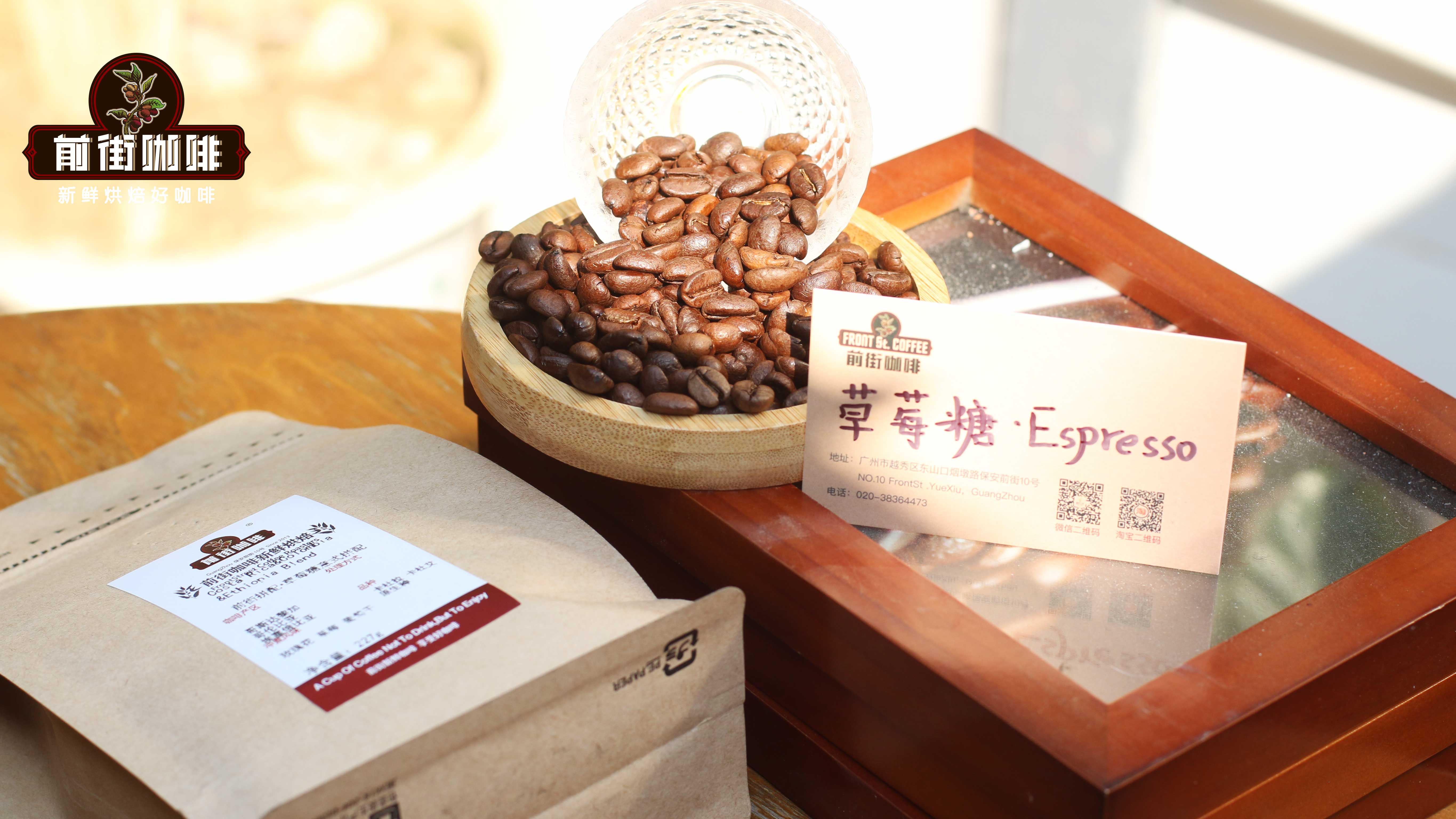
For example, if you prefer a refreshing flavor with floral and fruity notes, you might try using a medium-roasted strawberry sugar-flavored espresso bean. This bean is processed using the honey method and combines coffee beans from two well-known regions — Tarrazú in Costa Rica and Ethiopia — along with a small amount of Colombian beans. When extracted with an espresso machine, it delivers a soft sweet-sour taste similar to strawberry taffy, while maintaining a rich crema layer and a full-bodied texture, making it highly suitable for crafting a refreshing-tasting latte.
When actually making a latte, it is recommended to use 20 grams of coffee grounds, extracting approximately 40 grams of double espresso in about 30 seconds using an espresso machine. This classic blend, after extraction, mainly exhibits distinct notes of roasted nuts, almond biscuit, and chocolate, with a thick crema layer and long-lasting aroma, and a sweet and comfortable aftertaste — making it an excellent base for lattes.
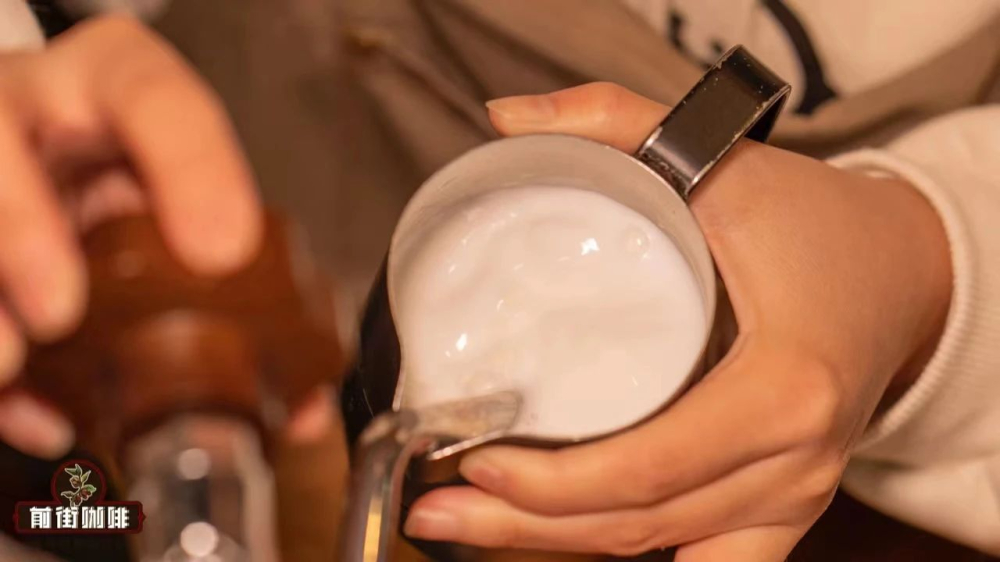
Next, use the steam wand of the espresso machine to heat and froth 220 milliliters of fresh milk to a temperature between 50 and 60 degrees Celsius, while forming a fine and dense microfoam about 1 centimeter thick. This step requires attention to the insertion depth and angle of the steam wand to avoid creating too many bubbles and to ensure the milk foam has a smooth and even texture.
Finally, slowly combine the extracted espresso with the frothed milk, and if desired, create a simple pattern on the surface — and your professional-grade latte is complete.
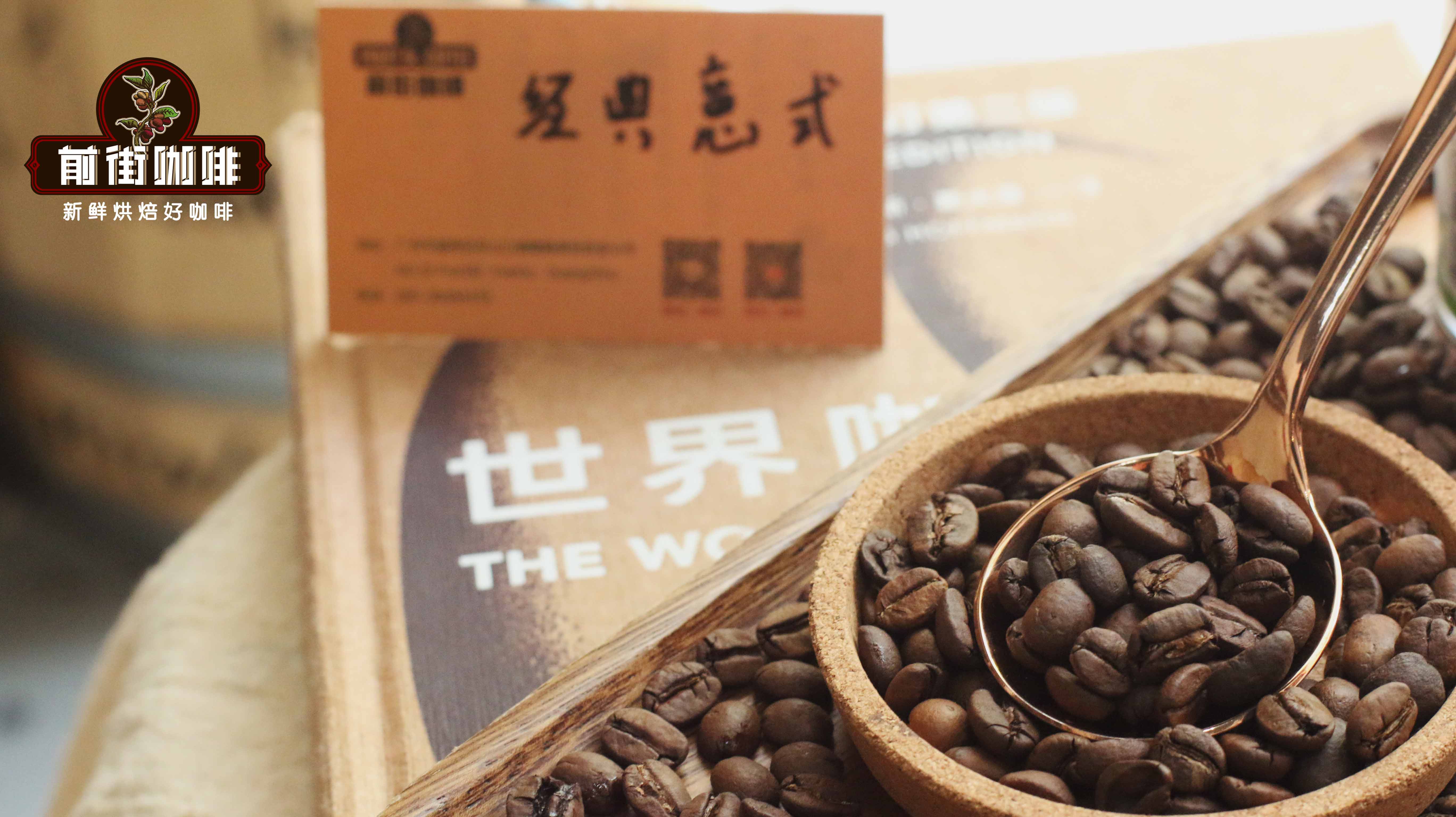
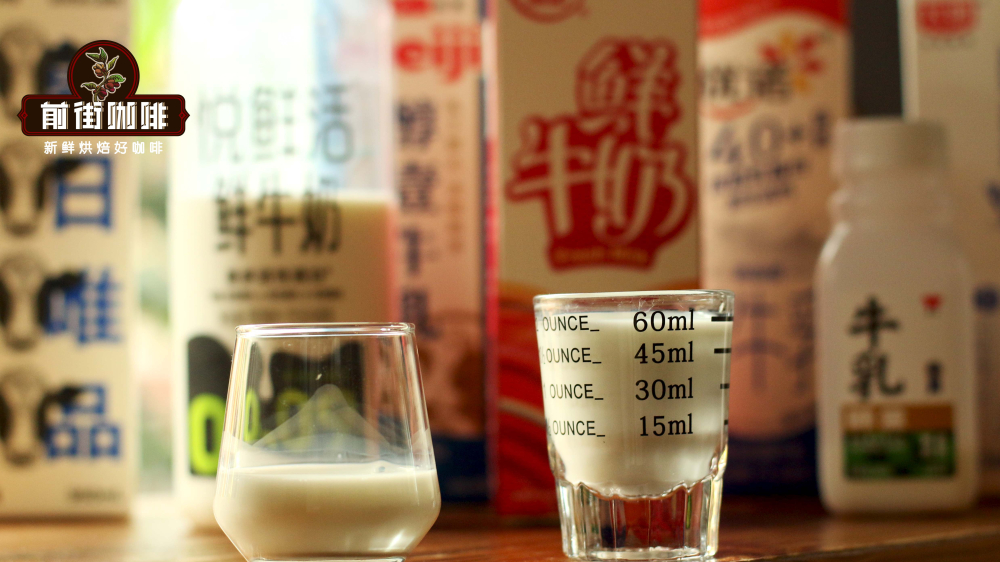
Generally speaking, the coffee-to-milk ratio for lattes typically falls within the range of 1:4 to 1:8, and the actual ratio can be adjusted according to the roast level of the coffee beans used and personal taste preferences. For example, if you choose a medium-dark roasted classic blend, it is suggested to follow a 1:8 ratio — that is, adding about 280 milliliters of fresh milk to 40 grams of espresso — which will result in a more balanced overall flavor without being overly intense.
If you choose a medium-roasted strawberry sugar espresso bean, it is recommended to adjust the ratio to 1:6, that is, using 240 milliliters of fresh milk, which will highlight both nutty and fruity layers, resulting in a richer flavor. And when using single-origin beans such as Huakui SOE, to fully showcase their light and bright fruity characteristics, you can opt for a more concentrated 1:4 ratio by adding only 160 milliliters of fresh milk, allowing the unique features of the coffee itself to stand out even more.
Whether you love the mellow texture of a hot latte or prefer the refreshing experience of an iced latte, special attention should be paid to the overall balance of the final beverage when adjusting the coffee-to-milk ratio. The right proportion not only enhances flavor expression but also ensures every sip is full of layers and surprises.
In summary, as long as you master the selection of coffee beans, the stability of espresso extraction, and the golden ratio of coffee to milk, you too can easily recreate café-quality professional lattes at home. Whether it’s a hot or iced drink, by following the above suggestions and making gradual adjustments, you’re sure to find the perfect combination that suits your taste best.

The above content is compiled by CoffeeHunters, a coffee news website.


