








Introduction:Want to understand where the captivating flavors of Colombian coffee beans come from? This article delves into the growing environment, four core producing regions, washed processing methods, and the rigorous grading system of Colombian coffee, analyzing how these factors contribute to balanced acidity and sweetness with a rich mouthfeel. Whether you’re a beginner in pour over or a coffee enthusiast searching for a high-quality bean selection, you’ll find practical insights for purchasing and brewing inspiration here.
Colombian coffee is highly regarded in the global specialty coffee market for its soft yet bright acidity, intense dark chocolate and roasted nut notes, coupled with a clear caramel sweetness. This perfect balance of acidity, sweetness, and bitterness makes it a key base for many espresso blends and a reliable choice for daily offerings in many coffee shops. This article will take you through a comprehensive exploration of the charm of Colombian specialty coffee beans—from regional terroir and processing techniques to grading standards.
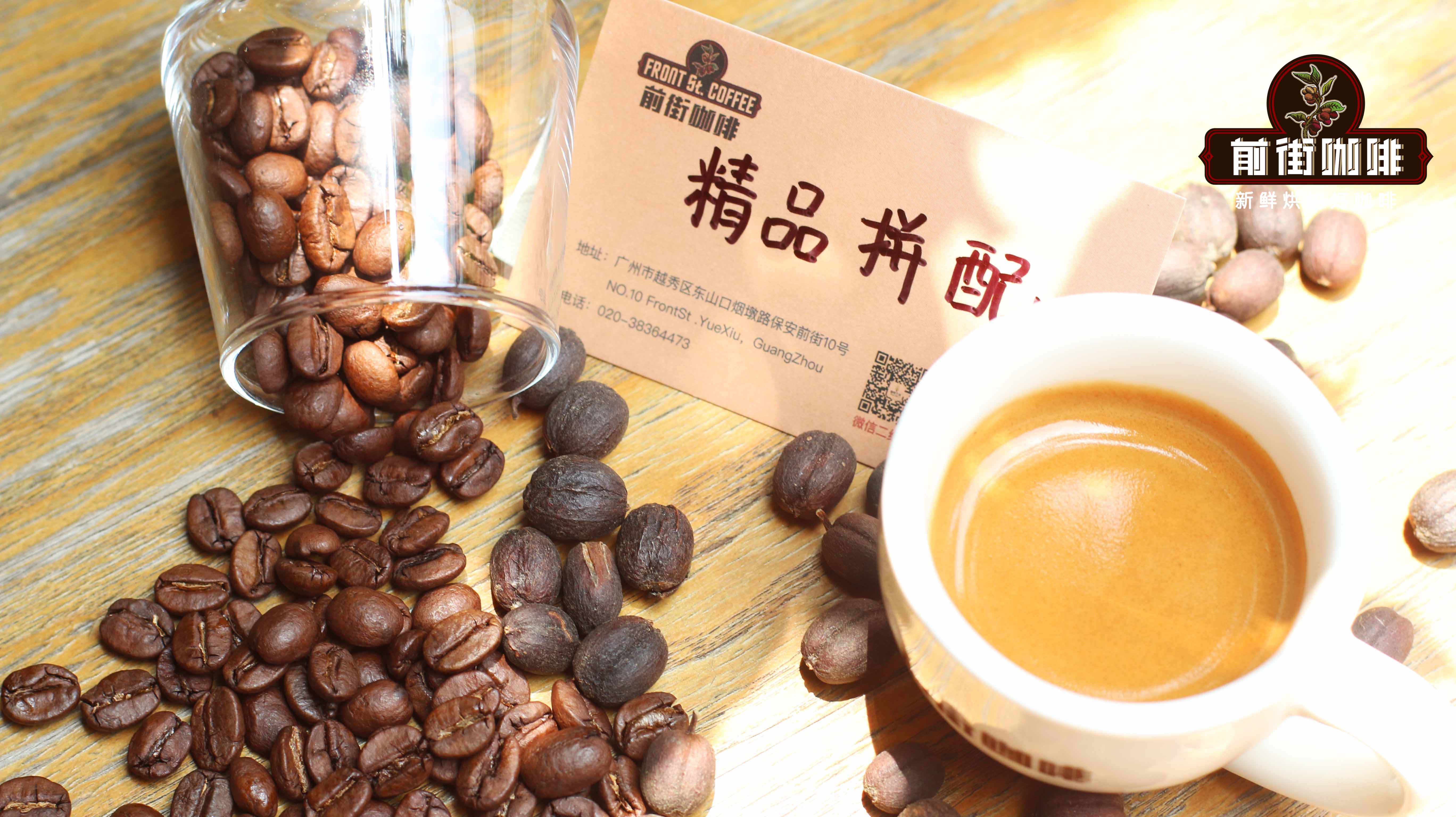
The widespread popularity of Colombian coffee is largely due to the beans' post-processing profile: gentle yet layered acidity paired with a rich, dark chocolate-like body and prominent caramel sweetness. This flavor combination allows Colombian beans to perform consistently across various brewing methods, especially as part of espresso blends. Many classic recipes feature Colombian beans, often yielding extraction profiles with notes of almond, walnut, and buttery peanut—making them not only ideal for professional café use but also excellent as everyday home brewing beans.
Thanks to its clear and balanced flavor layers, Colombian coffee beans can showcase diverse characteristics in both espresso and filter coffee. Whether light to medium roast or medium to dark roast, they can release caramel sweetness, chocolatey richness, or refreshing berry acidity depending on the roast level, catering to different coffee preferences.

Colombia’s coffee-growing regions are primarily located in the Andes mountain range in the western part of the country, traversed by three north-south mountain ranges. This mountainous area boasts an exceptionally rich variety of microclimates and ecological environments, ranging from high-altitude forests and plateau grasslands to mountain valleys and lakes. The diverse terrain and altitudes create varied microclimatic conditions. Notably, the local soil is mostly volcanic ash deposited millions of years ago from volcanic activity, rich in organic matter and minerals, providing an optimal growth environment for coffee trees. Coffee trees are mostly planted on hillside highlands, benefiting from fog cover and the cool climate unique to high altitudes. This allows the coffee cherries to ripen slowly, accumulating richer sugars and flavor compounds, ultimately resulting in coffee with intense flavor and a long-lasting aftertaste.
Colombia’s specialty coffee beans mainly come from high-altitude southern producing regions, typically grown at elevations above 1,500 meters, including well-known areas such as Huilan (Huilan), Cauca, Nariño, and Tolima. Cupping results show that coffee from these regions generally features delicate fruit acidity and bright berry notes, along with warm caramel aromas and outstanding sweetness, making them a high cost-performance choice favored by many coffee lovers.
Colombia’s coffee bean grading system is primarily based on the “screen size,” or the physical dimensions of the beans. The Federación Nacional de Cafeteros de Colombia (FNC), the country’s most representative coffee organization, is responsible for setting green bean quality standards and promoting international marketing. As a result, almost all exported Colombian green bean packages bear the official FNC logo.
During the grading process, green coffee beans are screened using fixed sieves with different hole sizes—the larger the sieve number, the larger the beans allowed to pass through. For example, beans that pass through a 17-mesh sieve or higher are considered large-sized, high-grade beans. These screened beans then undergo manual sorting to remove obvious defective beans and foreign matter, and are finally graded based on defect rates and cupping performance.
Colombia’s defect grading is mainly divided into two categories: Category 1 defects, which are directly related to cup quality—including black beans, moldy beans, or sour beans—with a maximum allowable limit of 12; and Category 2 defects, which address appearance issues such as discoloration, broken beans, insect damage, unripe beans, and chipped beans, with a maximum allowable limit of 60. Based on the total number of defects and corresponding deductions, the coffee beans are ultimately classified into three grades: AA, A, and G. Each batch of coffee beans is meticulously recorded for origin, code, and processing details before export to ensure traceability. The typical export naming format is “Country + Region + Grade + Other,” for example, the common “Colombia Huila Supremo SC17/18 FNC” denotes high-grade washed beans from the Huila region, with 17/18 screen size and FNC certification.
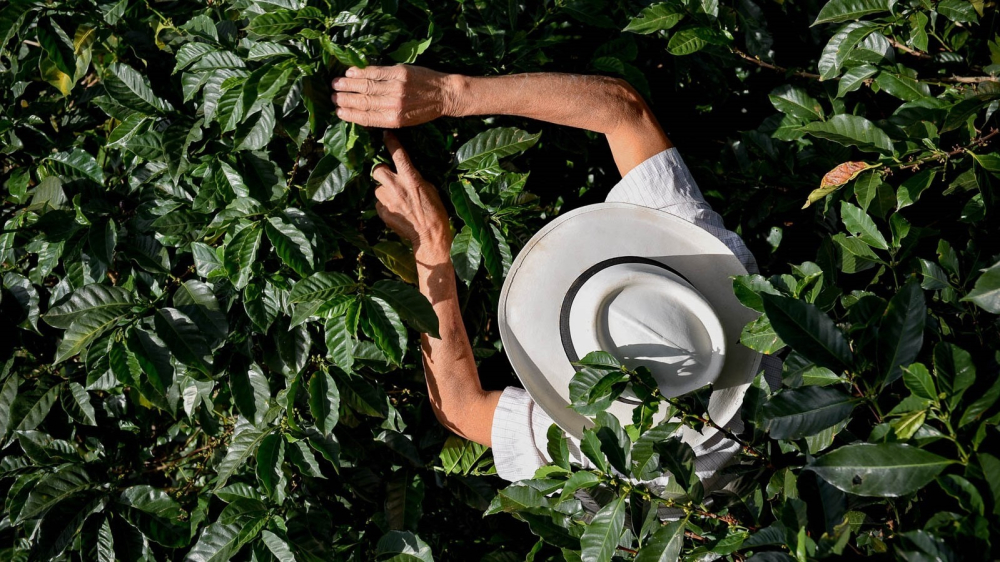
Colombian coffee is predominantly processed using the washed method, especially specialty-grade coffee, which mostly comes from small and medium-sized family farms. Compared to mass-produced Brazilian beans, this approach better maintains consistent and superior quality. The Colombian Coffee Growers Federation (FNC) also actively promotes specialty coffee initiatives, requiring exported products to undergo strict quality control procedures. In recent years, Colombia has also seen continuous innovation in special processing methods, such as wine barrel fermentation and anaerobic processing, constantly expanding the flavor boundaries of specialty coffee.
A typical washed processing workflow is as follows: harvested coffee cherries are first placed in water tanks, where underripe or overripe beans float due to lower density, while well-ripened beans sink to the bottom—the floaters are removed first. Then, a depulper is used to remove the outer skin and pulp, leaving the beans coated with a sticky layer of mucilage. The mucilage-covered beans enter a fermentation tank, where microbes break down the mucilage over 16 to 36 hours. After fermentation, the beans are rinsed clean and then dried on raised beds or cement surfaces with their parchment layer intact until they reach the standard moisture content.
The advantage of the washed processing method lies in its ability to clearly highlight the inherent flavor characteristics of the coffee, particularly its cleanliness and pure expressions of acidity and sweetness. As a result, many professional roasters and baristas prefer beans processed this way to evaluate the original flavor potential of a region.
Currently, there are many specialty coffee beans from Colombia available on the market, many of which are medium-roasted to preserve their natural fruit acidity and caramel sweetness. It is recommended to moderately extend the yellowing phase during brewing to enhance the sweet and mellow qualities of the final cup. Additionally, for the best flavor experience, it is advised to choose freshly roasted beans within five days of roasting and store them properly to maintain flavor stability.
The above content is compiled by CoffeeHunters, a coffee news website.


