







Introduction:Yirgacheffe is one of Ethiopia’s most iconic specialty coffee regions, renowned for its bright acidity and rich floral and fruity aromas. This article provides an in-depth look at the processing characteristics and flavor profiles of three popular Yirgacheffe sub-regions, including the actual performance of Royal Select, natural, and washed beans, while also exploring its grading system, common varieties, and market positioning. Whether you’re a beginner or a professional buyer, you’ll gain insights on selection and brewing essentials.
Yirgacheffe is a high-altitude coffee hub in southern Ethiopia, globally celebrated for its delicate, bright acidity and vibrant floral and fruity notes. This region can be subdivided into several smaller blocks, such as Wolkite, Kochere, Aricha Kebele, and Gedeo. Each area exhibits distinct coffee personalities due to differences in microclimate, variety, and processing techniques.
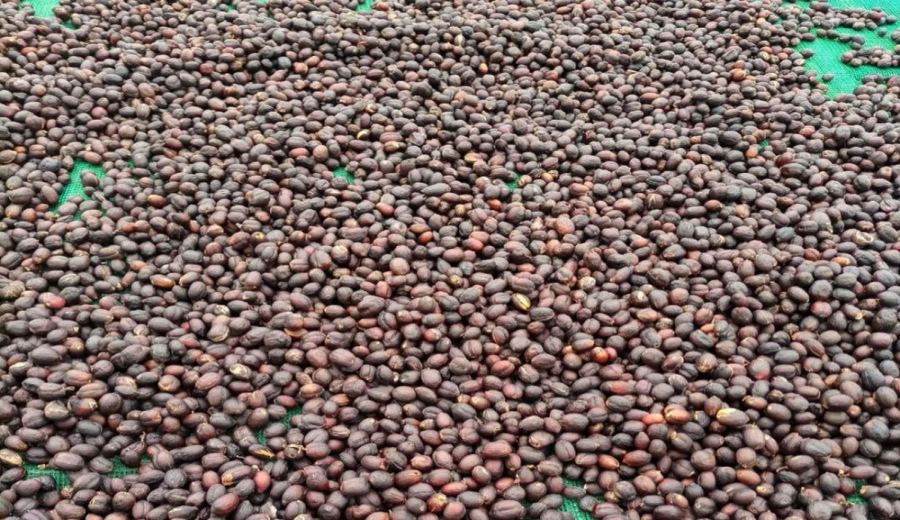
Among them, the Royal Select beans launched by the Wolkite Cooperative are highly representative. Not only do they hold Skal organic certification, but they also stand out with their Grade 1 premium classification. These beans are processed using a high-elevation raised-bed sun-drying method. With the support of native variety genetics and high-altitude conditions, they release intense fruity aromas and a full-bodied juiciness, making them a distinctly recognizable flavor benchmark.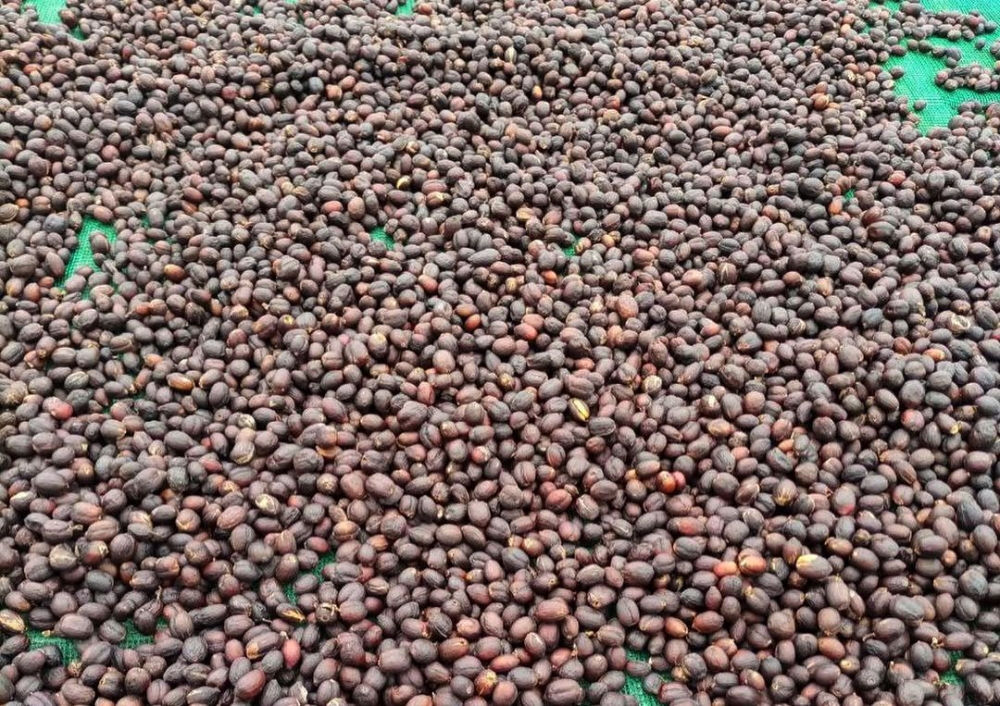
Another highly regarded natural bean comes from the Aricha Kebele village within Yirgacheffe town. Local farmers carefully select fully ripe coffee cherries, which are processed via high-elevation raised-bed sun drying to avoid ground contact, significantly reducing unwanted off-flavors. Over a drying period of about two weeks or more, the sugars and aromas within the fruit gradually concentrate, resulting in a clean and pure fruit profile — particularly appealing to coffee lovers who enjoy a clear and defined fruit flavor character.
In the Gedeo administrative region, the Royal Select beans produced by a cooperative of over 600 smallholder farmers also perform exceptionally well, including members of the Wolkite Cooperative. These green beans often carry a sweet aroma reminiscent of pears along with soft floral notes. When brewed, they reveal a mild acidity and an aftertaste akin to oolong tea, with a balanced profile that’s often considered ideal for everyday drinking — more approachable and practical compared to the pricier Geisha beans.
When it comes to the ultimate expression of floral and fruity burst, the natural beans from the Aricha processing factory are definitely among the top. During the maturation stage, these beans exhibit layered fruit aromas such as strawberry, blueberry, and cantaloupe, paired with bergamot-like scents and a silky mouthfeel — an impression that’s truly memorable. It’s worth noting that Aricha rigorously screens out unripe and fermented defective beans before shipment to ensure every batch meets the strict Grade 1 standard.
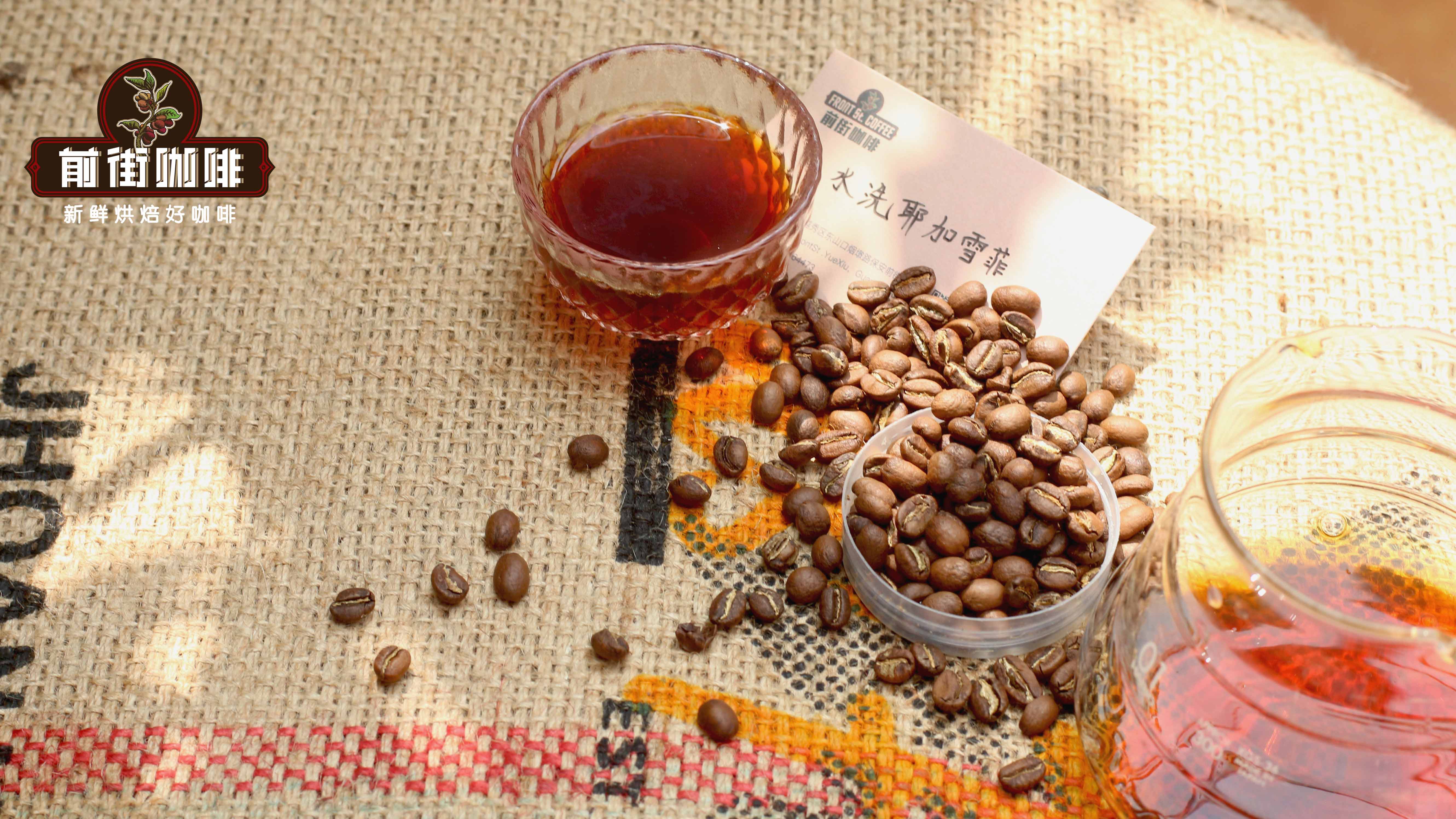
The Guji Dingding coffee from the Kochere region is a classic example of the washed processing method. The bean variety here is the local unique native hybrid Heirloom. Through precise washed processing, it retains a clean and clear acidity along with subtle floral notes. The flavor layers, such as lemon, jasmine, and ginger flower, are distinctly separated, and the finish carries a honey-like gentle sweetness. The overall flavor is fresh and delightful, making it very suitable for morning consumption.
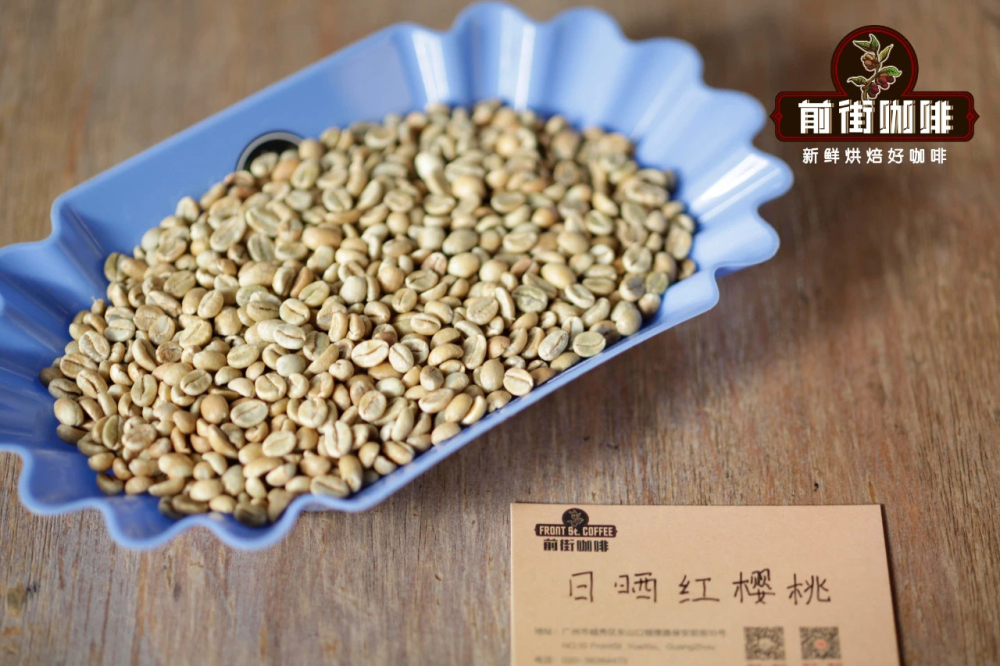
In terms of grading, Yirgacheffe coffee beans are mainly divided into two categories based on processing method: washed beans follow SCAA standards and are classified as Grade 1 and Grade 2, where the lower the number, the higher the quality. Among them, Grade 1 washed beans often exhibit bright citrus and floral profiles; natural beans are further divided into Gr-1 to Gr-5, with the highest-grade Gr-1 natural Yirgacheffe also standing out for its intense fruity flavors. The moment you open the package, you’re often amazed at how fruit-forward coffee can be.
For brewing, it’s recommended to use water at 91–93°C for pour over, with a coffee-to-water ratio adjustable between 1:12 and 1:18 according to personal taste. Since Yirgacheffe is naturally prominent in acidity and low in bitterness, it’s advisable to flexibly control grind size and steeping time based on your brewing device — for example, an AeroPress. Typically, a brew time of around 1–2 minutes can extract a balanced flavor profile. Beginners who are more sensitive to coffee acidity may add a small amount of sugar or creamer to adjust, then gradually transition to appreciating pure black coffee.
In terms of roast level, Yirgacheffe is best presented with a medium-light roast to showcase its native flavors. Over-roasting can easily mask its delicate acidity and aromatic characteristics. Many roasters suggest that the charm of Yirgacheffe lies in its naturally vivid individuality, and excessive roasting will only erase its most precious terroir qualities.
The above content is compiled by CoffeeHunters, a coffee news website.


