







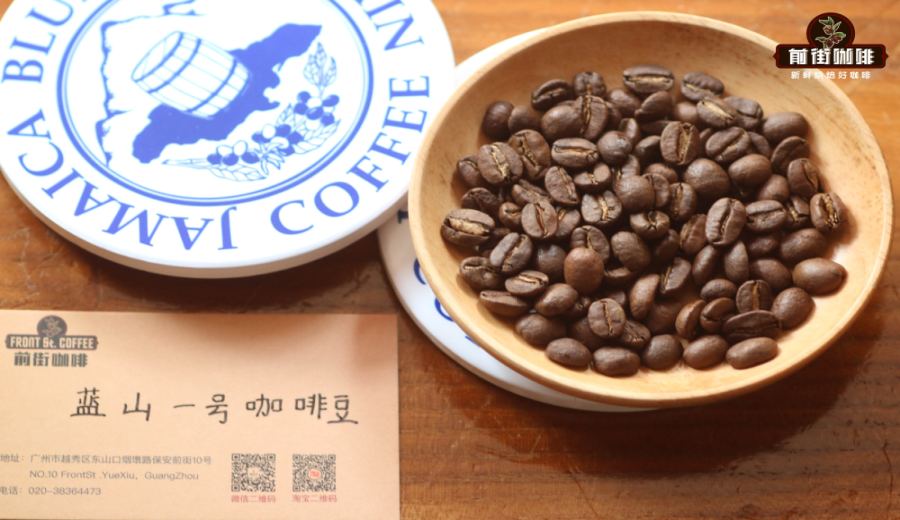
Introduction:Jamaica Blue Mountain coffee has long been regarded as one of the finest coffees in the world, but what secrets lie behind its high price and unique flavor? This article will delve into the flavor profile, natural growing conditions, and global supply situation of Blue Mountain coffee, analyzing the true reasons for its premium pricing while helping readers better understand and appreciate this top-tier coffee from around the world.
Jamaica Blue Mountain coffee has always been praised as one of the most balanced and elegant coffees in terms of flavor, and its price has consistently ranked among the highest in the world for premium coffees. Many consumers wonder: does this coffee have a strong bitter taste? Why is its retail price so high? In fact, Blue Mountain coffee has an extremely mild bitterness and is known for its fruity acidity, nutty tones, delicate floral notes, and subtle smoky aftertaste. Its finish is sweet and layered, with almost no unpleasant off-flavors.
Many coffee enthusiasts even believe that, even when compared to more expensive kopi luwak, Blue Mountain coffee still outperforms in overall flavor expression and can be called the "uncrowned king" of the coffee world. This article will provide a detailed analysis of why Jamaica Blue Mountain coffee is so expensive and highly esteemed, from its flavor characteristics, natural growing conditions, and market supply-demand structure, while also preserving real observations on the Blue Mountain No.1 grade.
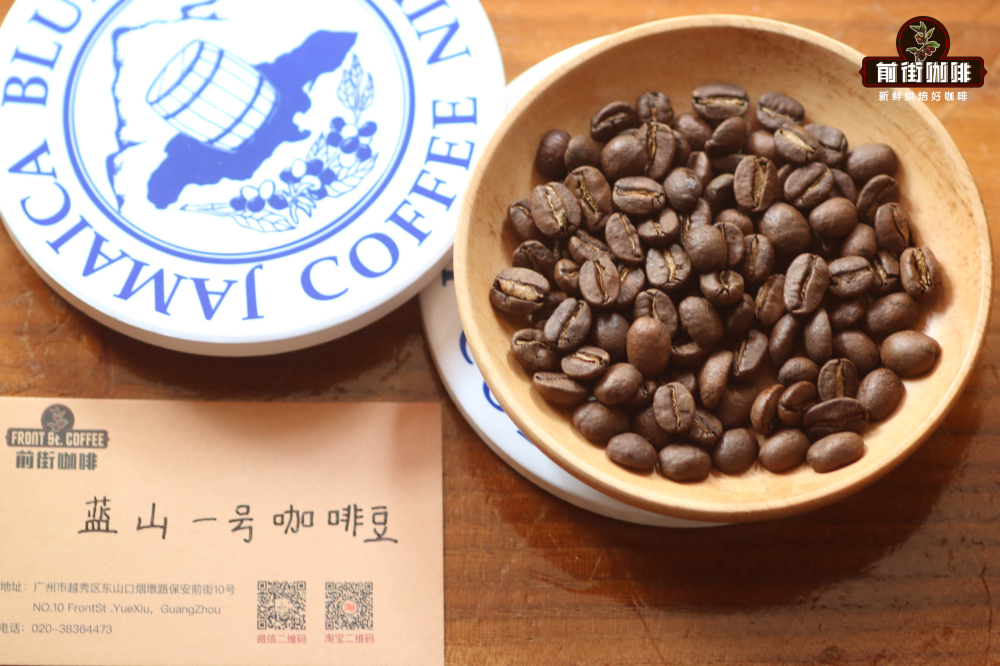
First, regarding flavor, under proper roasting conditions, Blue Mountain coffee exhibits one of the most harmonious taste profiles. Upon tasting, its bitterness is very light, replaced by gentle fruity acidity, such as the freshness of citrus and berries, accompanied by a rich background of nuts like almonds or hazelnuts. With careful sipping, one can also detect subtle floral notes and a warm, woody-smoky finish. More importantly, its aftertaste is pronounced, smooth, and clean without any muddiness.
The formation of such flavors is inseparable from its growing environment. The cultivation area of Blue Mountain coffee is located in the Blue Mountains of eastern Jamaica, where elevations generally exceed 1,200 meters, with some areas reaching over 2,100 meters. The high altitude brings significant diurnal temperature variations, a foggy environment, and abundant rainfall, creating an almost perfect microclimate for coffee cultivation. Additionally, the local area employs a mixed planting model, with coffee trees often growing alongside banana and avocado trees on terraces, which not only provides shade but also improves soil nutrient cycling and moisture retention.
However, it is precisely these exceptional natural conditions that make the planting area of Blue Mountain coffee extremely limited. The area of the Blue Mountains is inherently small, and the steep terrain means many regions cannot use large-scale machinery for farming, relying instead on traditional manual labor and small-scale agricultural methods to maintain production. These small farms are mostly family-run, with some families having cultivated the land for over two centuries, developing a deep understanding and emotional connection to the land and the variety. But due to the small scale and low production efficiency, the total output of Blue Mountain coffee is extremely scarce.
Turning to market supply and demand, Blue Mountain coffee has long faced a situation of undersupply. Although its international fame has only gradually increased in recent decades, as early as the period of Japan’s economic boom, the Japanese coffee market began heavily investing in the Jamaica Blue Mountain region—not only funding improvements in cultivation techniques but also adopting extremely high standards in varietal selection, harvesting, processing, and defect sorting. It is understood that while the defect rate of general top-tier coffees is around 2%, the top-grade Blue Mountain coffee, such as No.1, has been measured to have a defect rate as low as below 0.1%, demonstrating the rigor of its quality control.
Currently, over 90% of Blue Mountain coffee production is exported to the Japanese market, with less than 10% allocated to other regions such as Europe and the United States, making it extremely rare in other countries. This also explains why, in international auctions or retail markets, Blue Mountain coffee is often hard to come by and remains priced at a premium. It is worth mentioning that in recent years, due to the slowdown in the Japanese economy and a slight decrease in demand, China’s imports of Blue Mountain coffee have slightly increased, but the overall supply remains tight and in high demand.
Additionally, a portion of Blue Mountain coffee is earmarked exclusively for the British royal family and does not enter the market, further reducing the available trading quantity. Even the Blue Mountain No.1 that is available on the market is priced several times—or even more than ten times—higher than regular high-quality coffee, due to its scarcity, high production costs, and transportation constraints.
In summary, the high price of Jamaica Blue Mountain coffee is not only due to its scarcity and market supply-demand imbalance but also stems from its irreplaceable natural growing conditions and exceptional flavor profile. For coffee enthusiasts looking to experience truly high-altitude-grown, balanced flavors and refined processing, Blue Mountain coffee is undoubtedly a choice worth exploring and appreciating.
The above content is compiled by CoffeeHunters, a coffee news website.


