







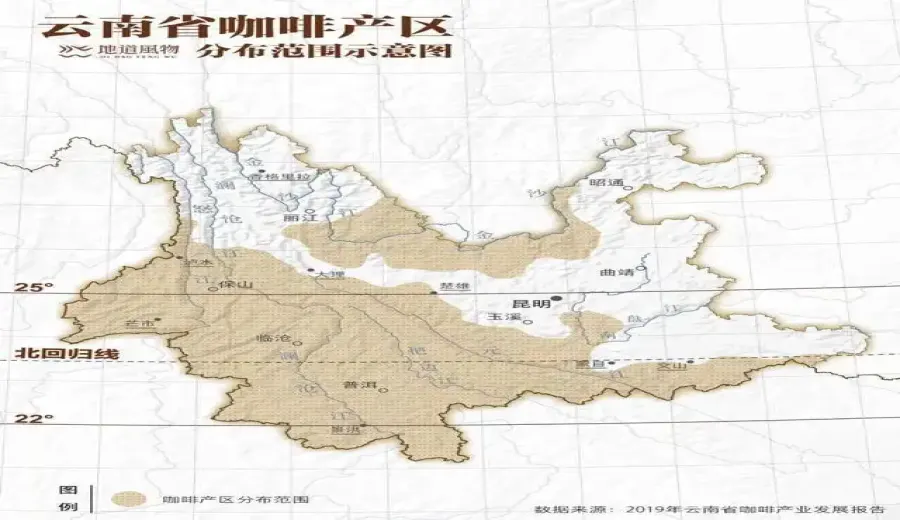
Introduction:As one of the few regions in China capable of growing high-quality Arabica coffee, Yunnan has drawn attention for its unique flavor profile of the Typica variety. This article delves into the natural conditions of Yunnan’s coffee-growing regions, the history and challenges of the Typica variety, and provides detailed brewing parameters and flavor characteristics for both natural and washed processing methods. It helps coffee enthusiasts comprehensively understand the essence of Yunnan’s small-bean coffee—from regional knowledge to practical brewing.
Yunnan is the only province in China with the potential to grow high-quality Arabica coffee. Although its overall production capacity is limited, its unique geographical and climatic conditions have made it a focal point for many specialty coffee enthusiasts. In particular, Yunnan Typica, an ancient variety, has gradually emerged in the global specialty coffee market with its elegant flavor profile.
Geographical and Climatic Characteristics of the Yunnan Coffee-Growing Region
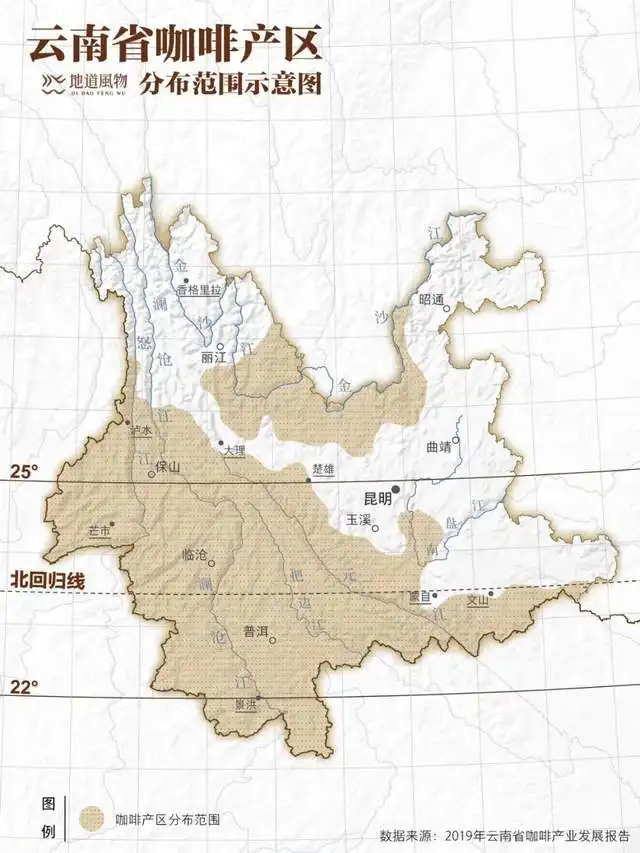
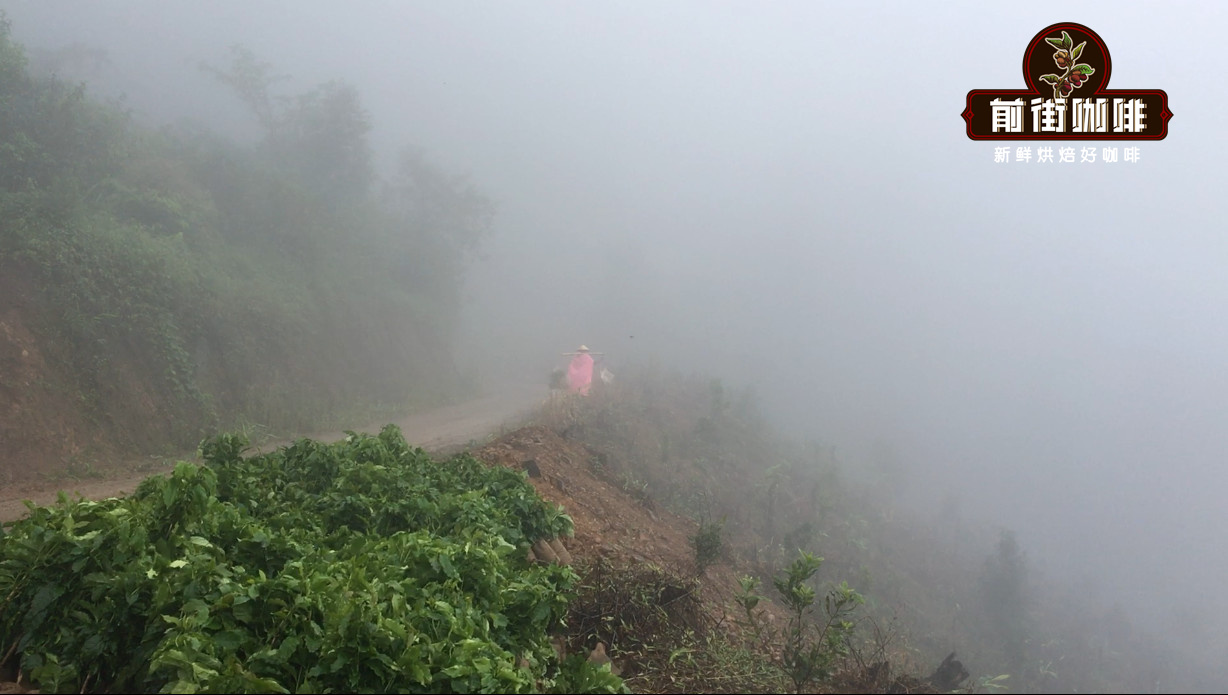
Located between 21°N and 29°N latitude, Yunnan lies right within the world’s primary coffee-growing belt. The region is characterized by mountainous terrain and hills, with the majority of its coffee-growing areas situated at elevations between 600 and 3,000 meters. The climate here is typically monsoonal, with distinct wet and dry seasons—May to October being the rainy season and November to April of the following year the dry season. Annual precipitation ranges from approximately 2,200 to 2,700 millimeters, making it highly suitable for coffee cultivation. However, due to the lack of distinct seasonal changes in Yunnan and the fact that most areas barely meet the minimum elevation requirement of 1,000 meters for specialty coffee, achieving high-quality beans depends not only on selecting the right variety but also on meticulous agronomic management.
From Scratch: The Cultivation History of Typica
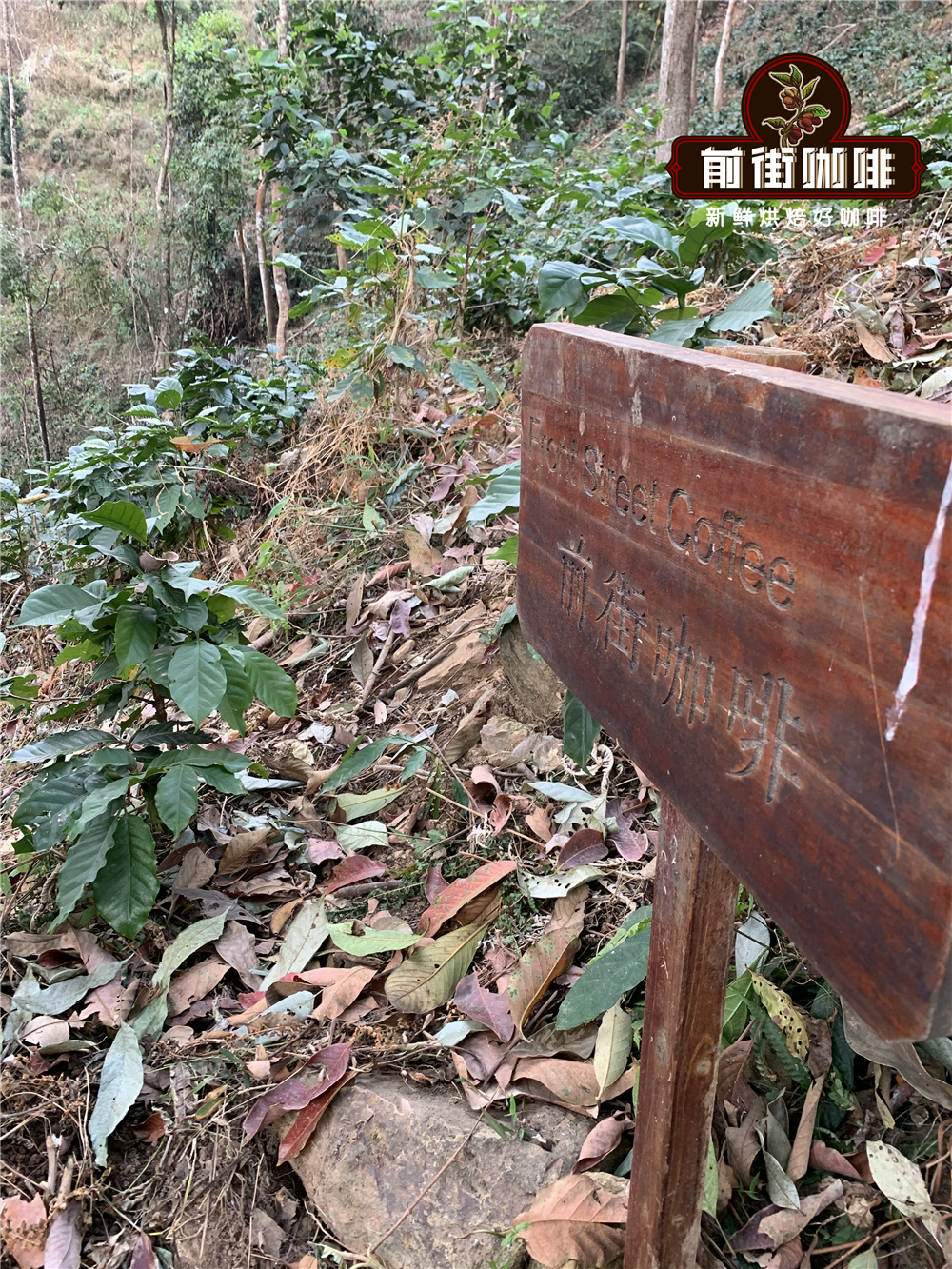
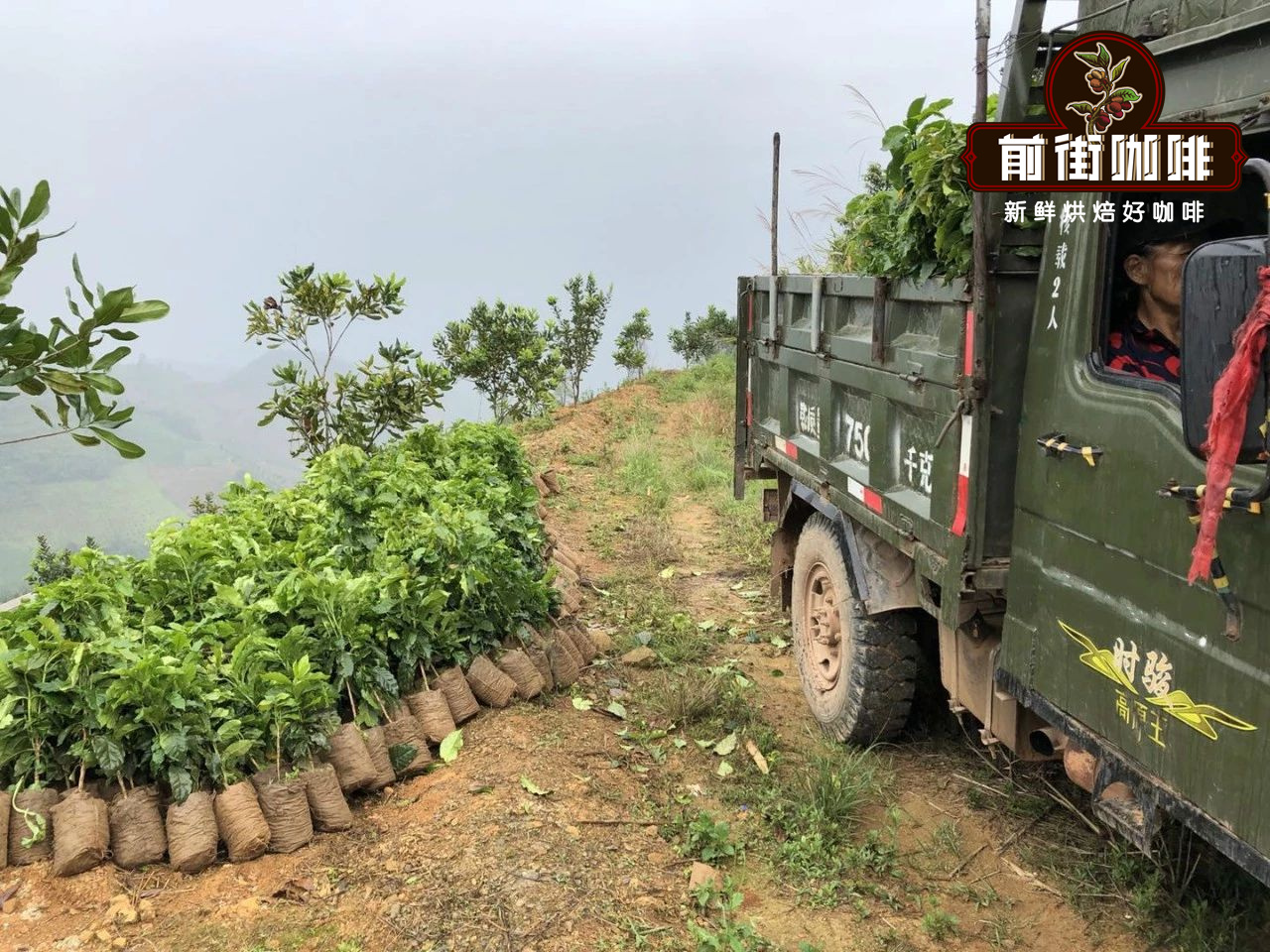
Before venturing into coffee roasting, some operators had already attempted to grow coffee in a certain region of Guangdong. Initially, they chose the Catimor variety and spent over half a year observing before gradually clarifying the relationship among variety, altitude, and processing method. They concluded that creating specialty coffee with regional character required following the process of “selecting the right variety, planting at suitable altitude, and showcasing potential through appropriate processing.” For this reason, they ultimately abandoned coffee cultivation in Guangdong and sought suitable land in Yunnan to start growing Typica from scratch.
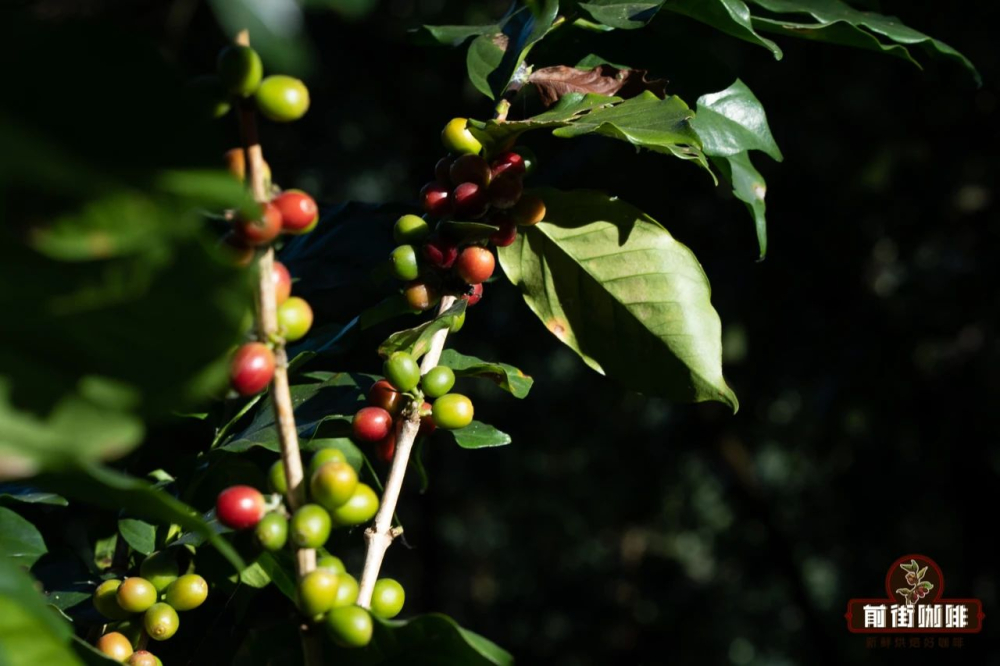
Typica is a traditional and high-quality Arabica variety, but its yield is only one-third that of Catimor and it is highly susceptible to rust disease, which is why most farmers are reluctant to grow it. Moreover, since elevations in Yunnan generally just meet the minimum standard, the difficulty of producing good coffee is even higher, requiring stricter agronomic and post-harvest processing techniques.
The Evolution of the Varieties of Yunnan’s Small-Bean Coffee
In the early days, the term “small-bean coffee” often referred to the Typica variety. However, due to Typica’s poor disease resistance and low yield, coupled with international brands like Nestlé and Starbucks promoting the disease-resistant and high-yield Catimor variety, over 90% of coffee in Yunnan today is Catimor—commonly referred to as “small-bean coffee.” Catimor is a hybrid of the Timor variety (which contains Robusta genes) and Caturra. While it is stable and resistant to disease, it often carries slight off-flavors and lacks the rich flavor complexity of Typica.
Currently, when the market refers to “Yunnan small-bean coffee,” it mostly means the Catimor variety rather than the traditional Typica.
Processing and Flavor Profile of a Certain Brand’s 2013 Natural Typica (2016 Crop)
To showcase the potential of Typica, a team opted to process Typica coffee cherries planted in 2016 using the natural method, naming this batch “a certain brand 2013” in homage to the starting point of their coffee exploration journey. These beans were naturally processed in Yunnan and not hulled immediately, but instead transported to a roastery in Guangdong for subsequent processing to reduce losses during transport. Roasted to a medium level, cupping revealed pronounced aromas and flavors of ripe fruit, chocolate, and brown sugar.
Pour Over Parameters for Natural Typica
Use a V60 filter cone, with a water temperature of 88°C, a coffee dose of 15 grams, a brew ratio of 1:15, and a grind size similar to that of fine sugar (approximately 80% passing through a Chinese No. 20 sieve). During brewing, start with 30 grams of water for a 30-second bloom, then pour in a small circular motion until reaching 124 grams for the first pour, and continue pouring until 227 grams just before the coffee bed is exposed, then remove the filter once the water level drops and is about to expose the coffee bed again. Total brew time is controlled at around2 minutes.
Flavor Profile: Notable nutty tones, a fuller body compared to the washed version, slightly lower acidity but richer sweetness, with good overall balance. Features bright berry-like acidity, brown sugar sweetness, and a hint of tea-like finish.
Flavor and Brewing Recommendations for Yunnan Small-Bean Coffee (Washed Typica)
Washed Yunnan small-bean coffee (usually of the Catimor variety) presents a distinctly different profile. Its flavor is dominated by nutty aromas, with herbal, chocolate, and caramel notes on the palate, and a subtle fruity acidity in the aftertaste. Overall, it is refreshing and well-balanced.
Pour Over Parameters for Washed Small-Bean Coffee
Also use a V60 filter cone, with a water temperature of 88°C, a coffee dose of 15 grams, a brew ratio of 1:15, and a grind size similar to that of fine sugar (approximately 80% passing through a Chinese No. 20 sieve). The brewing technique is also a multi-pour method: begin with 30 grams of water for a 30-second bloom, then pour in a small circular motion until reaching 124 grams for the first pour, and continue pouring as the water level drops until reaching 227 grams before stopping, then remove the filter once the water level is about to expose the coffee bed. Total brew time is about 2 minutes.
Flavor Profile: A rich aroma of nuts on the nose, prominent herbal, chocolate, and caramel flavors on the palate, and a gentle fruity acidity in the aftertaste. The overall taste is refreshing with clear layers.
The above content is compiled by CoffeeHunters, a coffee news website.


