







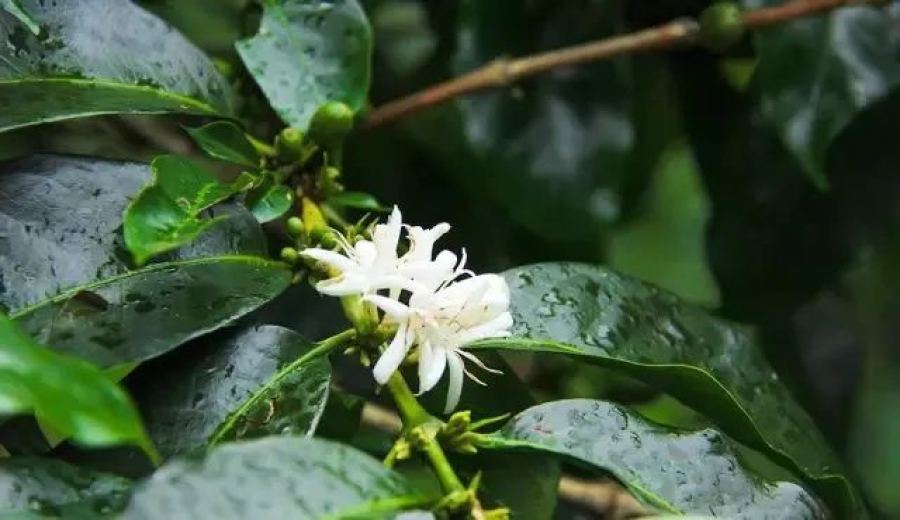
Introduction:Geisha coffee beans are renowned for their unique floral aroma, bright acidity, and honey-like sweetness, making them a dream brew for many coffee enthusiasts. This article delves into the variety’s origins, its legendary journey from Ethiopia to Panama, analyzes its flavor characteristics and connection to Panama’s unique terroir, and offers practical pour over brewing tips for a floral butterfly Geisha blend—allowing you to easily experience the charm of high-quality Geisha.
Geisha (Geisha) is undoubtedly a shining star in the contemporary specialty coffee scene. With its intense floral notes, refreshing citrus acidity, and velvety honeyed sweetness, it has completely transformed people’s perception of coffee as merely bitter. This variety, originating from Ethiopia, traveled across continents for nearly a century before finally shining at Panama’s Hacienda La Esmeralda. It cemented its legendary status by winning the Best of Panama (BOP) competition in 2004.
Geisha was first discovered in 1931 in Ethiopia’s Gesha Forest and was subsequently sent to the Kenya Coffee Research Institute before being introduced to Uganda, Tanzania, and Costa Rica. It wasn’t until the 1970s that the variety made its way to Panama, where it was long used only as a windbreak due to its low yield. It wasn’t until Hacienda La Esmeralda began cultivating it separately and entering it into the BOP that it won the championship in 2004 with its extraordinary aroma and complex layers, instantly gaining worldwide fame.
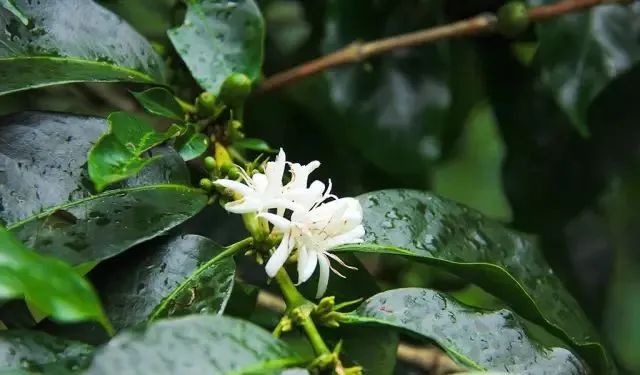
Compared to regular coffee beans, Geisha has a distinctly different flavor profile. Its aroma is rich, often featuring fresh flowers and citrus fruit notes, while its taste is light and smooth, almost like tea. Take, for example, a Green Label Geisha from Hacienda La Esmeralda: when brewed, it first reveals captivating fragrances of coffee blossom, cream, yellow lemon, and grapefruit; as the temperature drops, citrus, peach, honey, melon, and cane sugar flavors gradually emerge, with a finish that carries a green tea freshness and caramel-like sweetness.
This extraordinary flavor is not only attributed to Geisha’s genetic makeup but is also inseparably linked to Panama’s high-altitude environment. Hacienda La Esmeralda plants Geisha at elevations above 1,600 meters, where the cool climate slows the ripening process of the coffee cherries, allowing more complex flavor compounds to develop. Coupled with meticulous cultivation, this results in an unparalleled quality. Because of this, Geisha has since become an iconic variety in the specialty coffee world.
Today, Geisha is often dubbed the “Hermès of coffee” or “luxury coffee,” especially Panamanian Geisha, which tends to come with a hefty price tag and is positioned as a premium offering on café menus. It’s even playfully referred to by enthusiasts as “Expensive Geisha.” The surge in its value stems not only from numerous international awards but also from its limited production, auction-driven pricing mechanisms, and consumer pursuit of unique flavors—making a cup of top-tier Geisha a dream for many.
To allow more people to experience the charm of Geisha within a reasonable budget, some green bean suppliers offer Geisha blends, such as Floral Butterfly, which combines 70% Geisha with 30% Caturra and Catuai. This blend retains the signature bright acidity and floral notes of Geisha while being more affordable, making it suitable for everyday drinking. Consumers can purchase it through various channels to enjoy a high-value-for-money Geisha experience.
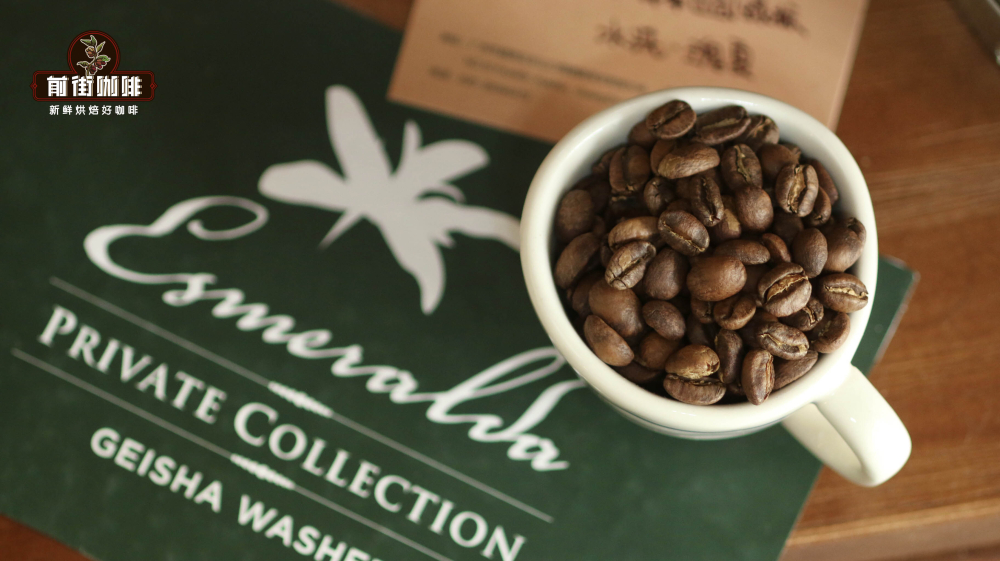
The Floral Butterfly Geisha blend is lightly roasted. To fully extract its delicate flavors, it is recommended to use slightly higher water temperature and a finer grind. Specific pour over parameters are as follows: use a V60 dripper, control the water temperature at 90–91°C, aim for an 80% extraction rate using a standard #20 sieve, set the coffee-to-water ratio at 1:15, and use around 15 grams of coffee.
Brewing steps recommendation: First, place the coffee grounds into the V60 dripper and pour hot water equal to twice the amount of coffee (about 30 grams) to bloom, for approximately 30 seconds, allowing the coffee grounds to fully expand and release aroma. Then, pour water in small streams in circular motions from the center outward, and when the total water volume reaches 125 grams, perform the first pour. Once the coffee bed settles to the middle of the dripper, continue pouring with the same fine stream until reaching 225 grams to complete the extraction, keeping the total brew time around 2 minutes. These parameters help balance acidity, sweetness, and aroma, showcasing the best flavor profile of Floral Butterfly.
Once brewed, the Floral Butterfly coffee offers a fresh aroma of orange blossoms and citrus upon nosing. On the palate, you’ll find layers of berries, orange, honey, and green tea, with a finish that leaves a subtle almond note. The overall taste is clean, sweet, and refreshing—perfectly suited for coffee lovers who enjoy floral and fruity profiles.
The above content is compiled by CoffeeHunters, a coffee news website.


