







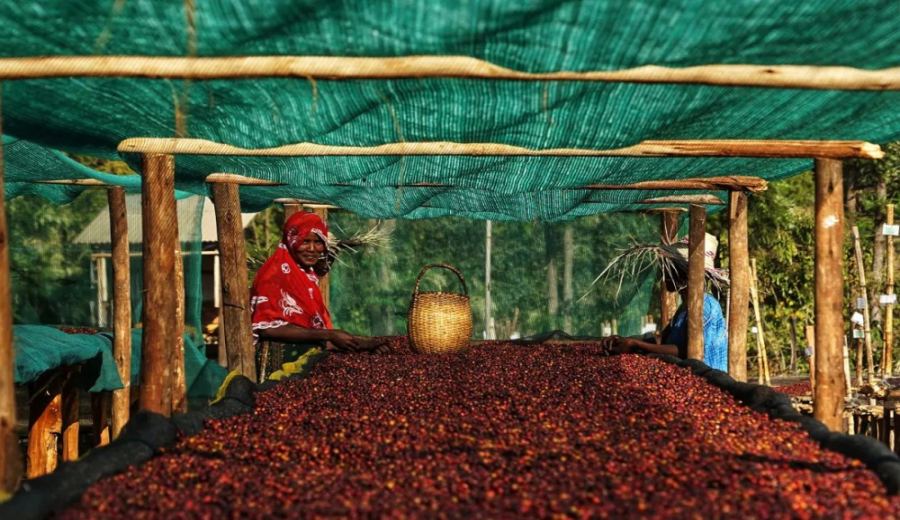
Introduction:Yirgacheffe Adado is beloved by many coffee enthusiasts for its distinctive floral and fruity aroma and refreshing acidity. This article delves into this premium coffee from Ethiopia’s high-altitude growing regions, exploring everything from the terroir of the origin, differences between washed and natural processing, to roasting and grinding recommendations—helping you grasp the unique charm and brewing tips of Adado. Both beginners and advanced enthusiasts will find it highly rewarding.
Yirgacheffe is practically synonymous with Ethiopia’s specialty coffee, renowned worldwide for its unique jasmine-like floral notes, bright citrus acidity, and silky-smooth mouthfeel. Among them, a certain brand’s Yirgacheffe Adado stands out with its well-defined, richly aromatic fruity and floral profile, low bitterness, and vibrant fruit acidity, earning widespread acclaim among coffee lovers and becoming a top choice for daily drinking.
The allure of this coffee stems not only from its exceptional growing environment but also from its meticulous processing methods. The Yirgacheffe region was initially introduced to coffee by European missionaries and later managed by local smallholder farmers and cooperatives. The area is actually a collection of multiple small villages and cooperatives, including the well-known Idido, Harfusa, Hama, and Biloya. While most coffees here are processed using the washed method, a few top-tier lots are naturally processed to highlight intense fruitiness and a full body.
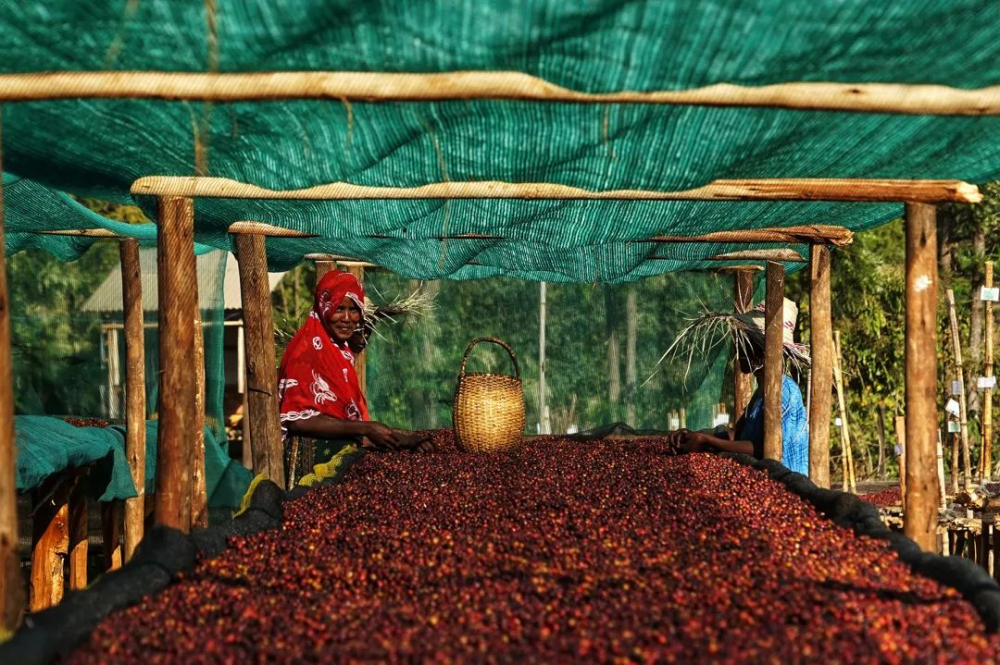
The Yirgacheffe region enjoys a mild climate, often shrouded in clouds, with cool breezy summers and winters that are not harsh, along with its misty and humid microclimate. These conditions contribute to the coffee’s signature bright acidity and floral-fruity aromas. Many award-winning beans come from areas like Idido and Harfusa, often exhibiting pronounced jasmine, lemon, and peach-apricot notes, with a silky texture that evokes a sense of “a bouquet of flavors blooming on the palate.”
In terms of regional classification, although Yirgacheffe is often regarded as an independent coffee region, it is actually a sub-region under Ethiopia’s larger Sidamo zone. It forms part of a high-altitude specialty coffee belt alongside nearby areas such as Wenago, Kochere, and Gelena/Abaya. The elevation ranges between 1,700 and 2,100 meters, providing ideal growing conditions for Arabica varieties.
In cultivation, local farmers often intercrop coffee trees with other plants, commonly growing them under banana trees, creating a distinctive pastoral landscape. This small-scale, family-based farming not only preserves biodiversity but also infuses each batch of coffee with unique micro-regional characteristics. The essence of Yirgacheffe flavor lies in its intense floral notes, citrus acidity, and lingering finishes of peach-apricot and tea, paired with a silky body that has earned it a unique status worldwide.
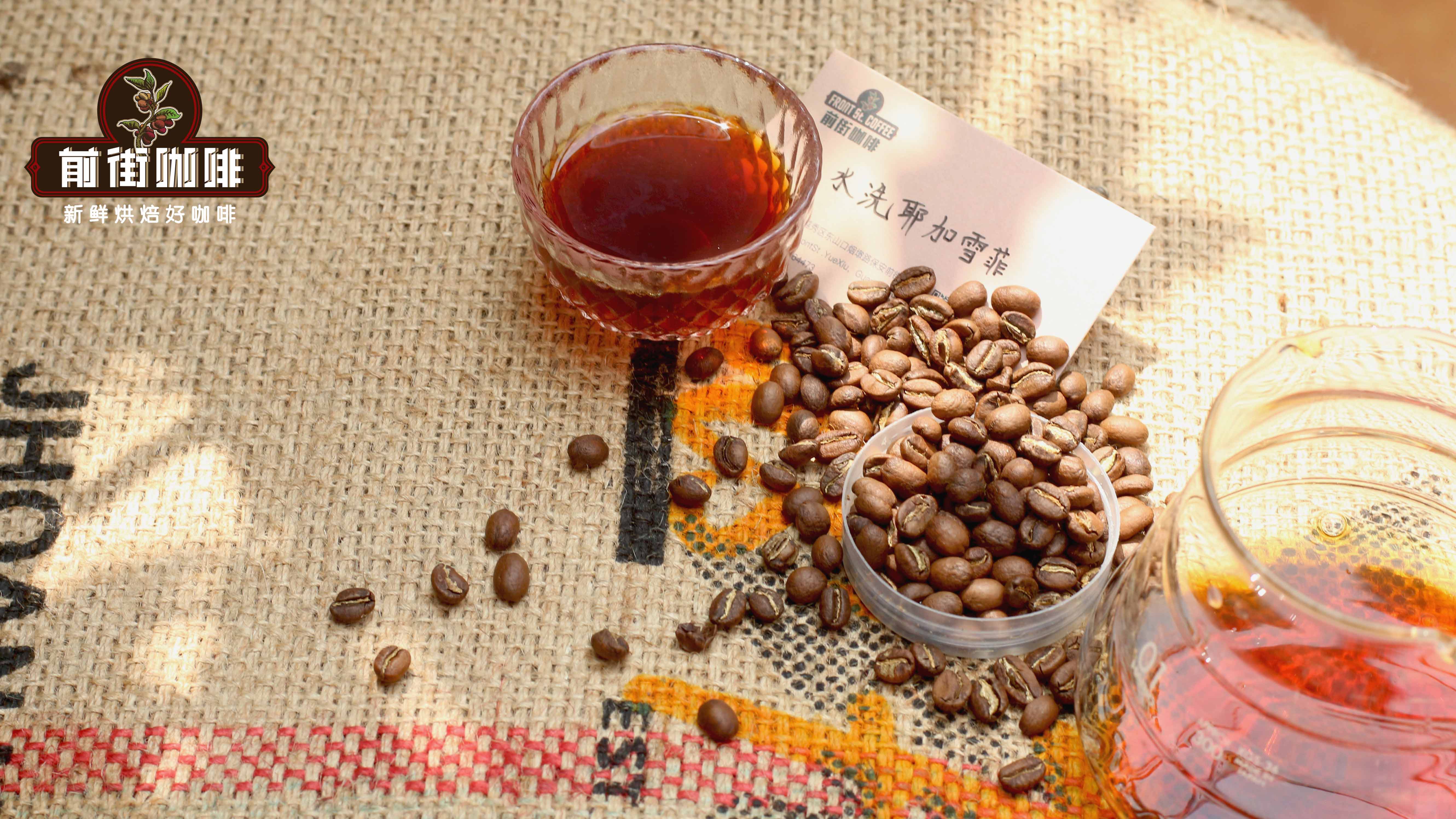
Yirgacheffe coffee can be divided into two main processing categories: washed and natural. Washed Yirgacheffe, according to the standards of the Specialty Coffee Association of America (SCAA), is classified into Grade 1 and Grade 2, with a lower number indicating higher quality. Washed Grade 1 beans are known for their vibrant blend of citrus and floral aromas, offering a clear and layered flavor profile.
Natural-processed Yirgacheffe is categorized into Grades 1, 3, 4, and 5. The top-grade Grade 1 natural beans often showcase intense tropical fruit aromas, capable of overturning many people’s preconceived notions about coffee the moment the bag is opened. Especially those premium beans processed through refined raised-bed drying methods not only have minimal off-flavors but also develop an intoxicating fruity-wine-like finish.
In terms of processing technology advancements, Ethiopia introduced South American washed processing techniques in 1959, significantly improving the coffee’s cleanliness and consistency. Traditional natural processing used to often result in earthy off-notes due to contact with impurities and the ground, but since 2006, some processing facilities have adopted raised-bed drying to prevent coffee cherries from touching the ground, effectively reducing unwanted flavors. With over two weeks of sun exposure, the fruit pulp’s sugars are fully transformed, resulting in an exceptionally clean and sweet fruit-forward profile.
The flavor expression of Yirgacheffe varies markedly depending on the processing method. Washed beans typically display a clear citrus acidity, subtle jasmine floral notes, and soft fruity acids, resulting in a bright and refreshing cup. Natural beans, on the other hand, feature more expressive fruit acids, rich fermented fruit sweetness, and even a hint of wine-like notes, with a long, sweet aftertaste. Both styles have their unique charm and cater to different taste preferences.
Regarding grading, Ethiopia does not classify based on bean size but rather on the defect rate of green beans. Under the ECX specialty coffee grading system implemented since 2009, washed Yirgacheffe is divided into Grade 1 and Grade 2, while natural is further divided into Grade 1, Grade 3, Grade 4, and Grade 5. Among these, Grade 1 has the lowest defect rate and represents the highest quality.
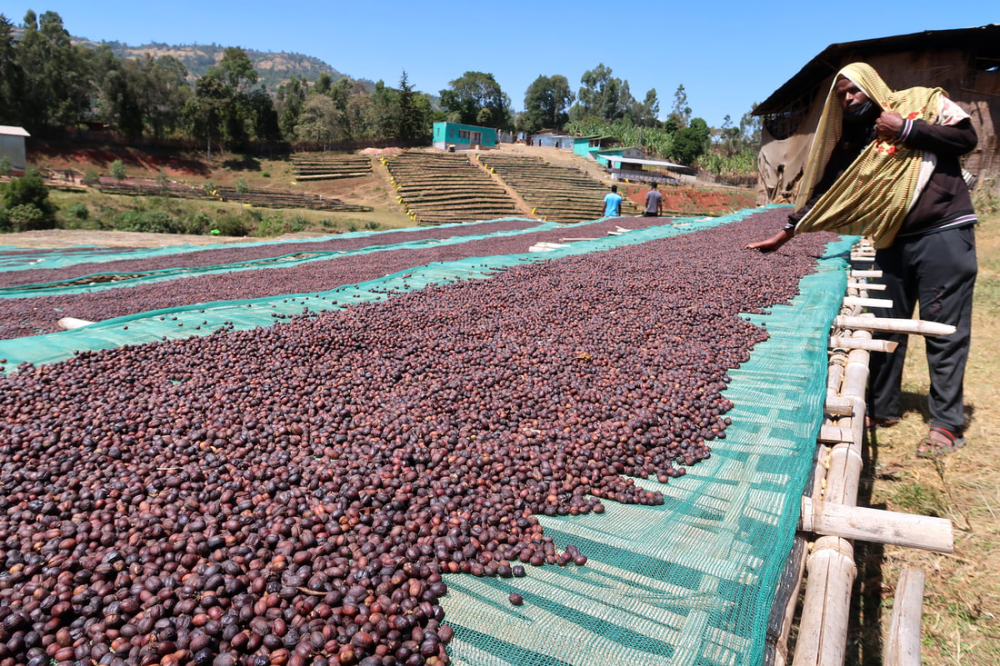
Notably, natural Yirgacheffe undergoes strict screening for red cherries during harvest. During the drying process, defective beans are continuously removed, and the beans undergo extended sugar conversion and rigorous quality control to ensure the final product’s cleanliness and aromatic purity. Some natural beans from the 2015 harvest even achieved Grade 1 status, surpassing same-grade washed beans in both appearance and flavor performance.
For roasting and grinding, Yirgacheffe Adado is best suited to a medium-light roast to preserve its lively acidity and floral-fruit character. For pour over brewing, a medium-fine grind is recommended, with water temperature controlled between 90–93°C. Employing a multi-pour extraction method can better showcase its delicate citrus, jasmine, and tea-like flavors. Whether using a V60, AeroPress, or siphon, it can exhibit its unique appeal—making it a classic bean that both beginners and seasoned enthusiasts shouldn’t miss.
The above content is compiled by CoffeeHunters, a coffee news website.


