







Introduction:Costa Rican coffee is renowned for its honey processing, known for its balanced acidity and sweetness with pronounced fermentation aromas, making it a top choice for many coffee enthusiasts. This article delves into Costa Rica’s coffee grading system (SHB, HB, EP, USP), the evolution of washed and honey processing techniques, and explores why the Tarrazú region has become a hub for specialty coffee. It also introduces the detailed steps of raisin honey processing and the flavor profiles of representative beans, along with suitable medium roast designs to help you better understand this highly popular coffee.
Costa Rican coffee has long been globally recognized for its distinct sweetness and clear fruit acidity, and its honey processing technique is especially addictive after just one try. Starting from regional background, processing evolution, and grading standards, this article offers a comprehensive insight into the essence of Costa Rican coffee. Whether you’re a beginner pour over enthusiast or a roaster looking to try new beans, you’ll find practical information here.
Although Costa Rica’s coffee cultivation history dates back about three hundred years, it wasn’t until the 19th century that rigorous planting and processing standards were gradually established. The local government has long implemented high-standard agricultural policies, making coffee one of the most organized industries. As early as 1830, washed processing technology was introduced to the country, laying the foundation for subsequent processing innovations. As consumer demand for flavor diversity grew, honey processing gradually stood out and became one of Costa Rica’s most iconic coffee crafts.

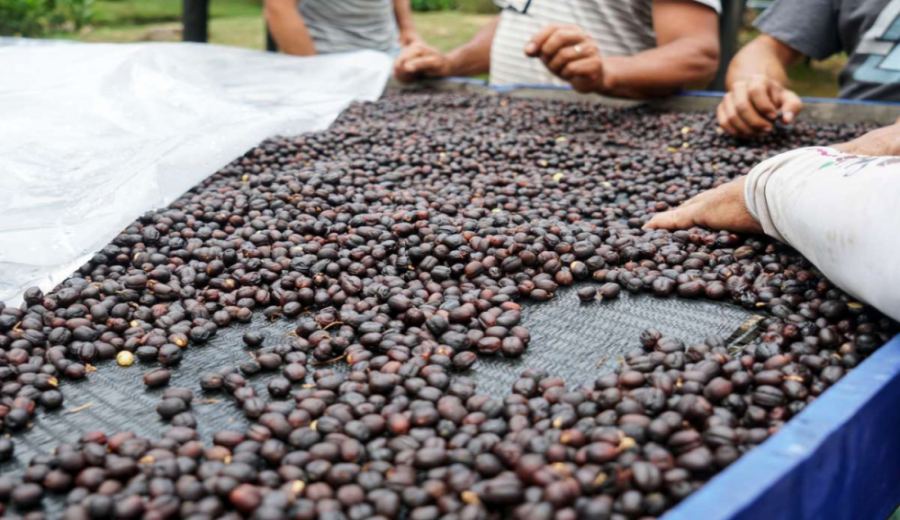
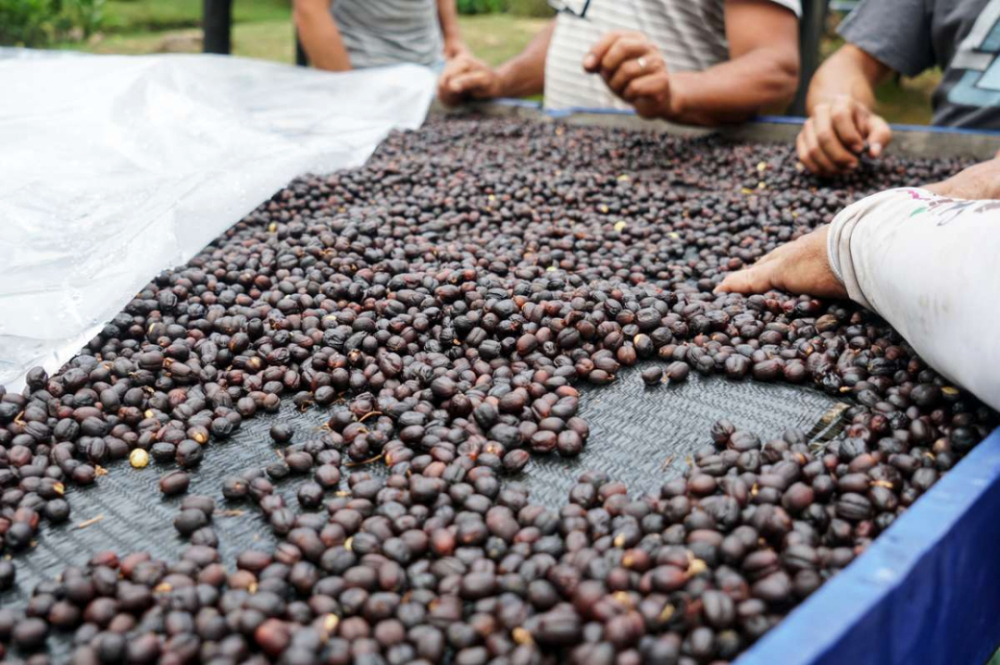
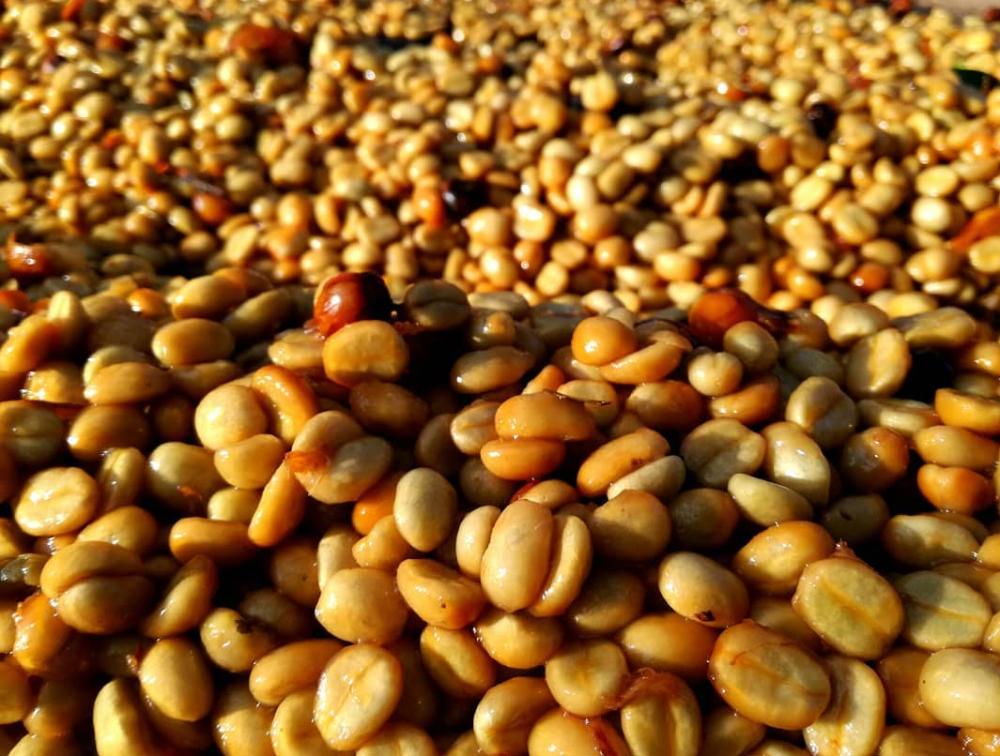
The key to honey processing lies in preserving the mucilage layer of the coffee cherry. The basic process is: first, a pulper removes the outer skin and part of the pulp, but deliberately leaves the mucilage, then the mucilage-covered beans are placed in a shaded and well-ventilated environment to dry naturally, typically over 12 to 14 days. The dried green beans are tested for moisture content and fermentation level to ensure they meet standards. Since the mucilage is rich in sugars, it undergoes a special fermentation process during drying, imparting intense sweetness and a rich mouthfeel to the beans—this is the main reason behind the captivating flavors of Costa Rican honey-processed coffee.
Depending on the ratio of mucilage retained and the drying method, honey processing can be further divided into black honey, gold honey, red honey, yellow honey, and white honey, each with unique sweetness, body, and flavor profiles. Additionally, raisin honey processing is a special technique: the coffee cherries are first sun-dried until they shrivel like raisins, then the skins and pulp are removed, leaving 100% mucilage for a second drying phase until the moisture content drops to around 11%. This method often results in intense caramel, berry, and sweet aromatic notes, making it highly sought after by specialty coffee lovers.
Take the “Strawberry Candy” from Costa Rica’s Tarrazú region as an example. This blend uses varieties such as Geisha, ET47, SL28, and MAICO, and through raisin honey processing, it showcases a layered sweetness and complex fruit aromas. Tarrazú is not only Costa Rica’s most important specialty coffee region, but its production also accounts for about 35% of the country’s total. The region’s altitude mostly ranges between 1200 and 1800 meters, with distinct wet and dry seasons, plus fertile volcanic soil, providing ideal growing conditions for Arabica coffee.
Costa Rica has many coffee-growing regions, including the Western Valley, Central Valley, Tarrazú, Tres Ríos, Orosi, Brunca, Turrialba, and Guanacaste. Among them, Tarrazú stands out for its stable and high-quality output, serving as the source of many renowned micro-lots and high-altitude beans. In addition to honey processing, Tarrazú’s washed beans are also known for their sweet orange, nutty, and chocolatey profiles, making them very suitable for those new to Costa Rican coffee.
Costa Rica’s green bean grading system is primarily based on two criteria: altitude and defect rate. By altitude, it’s categorized into SHB (Strictly Hard Bean, very hard bean) and HB (Hard Bean, hard bean)—generally, the higher the altitude, the greater the bean density and the better the flavor potential. Another classification is by defect rate: EP (European Preparation) and USP (United States Preparation), with EP being more strictly screened and of relatively higher quality. Most Costa Rican coffee beans on the market belong to high-altitude, low-defect grades, which not only benefit roasting performance but also bring better economic returns to green bean traders and farmers.
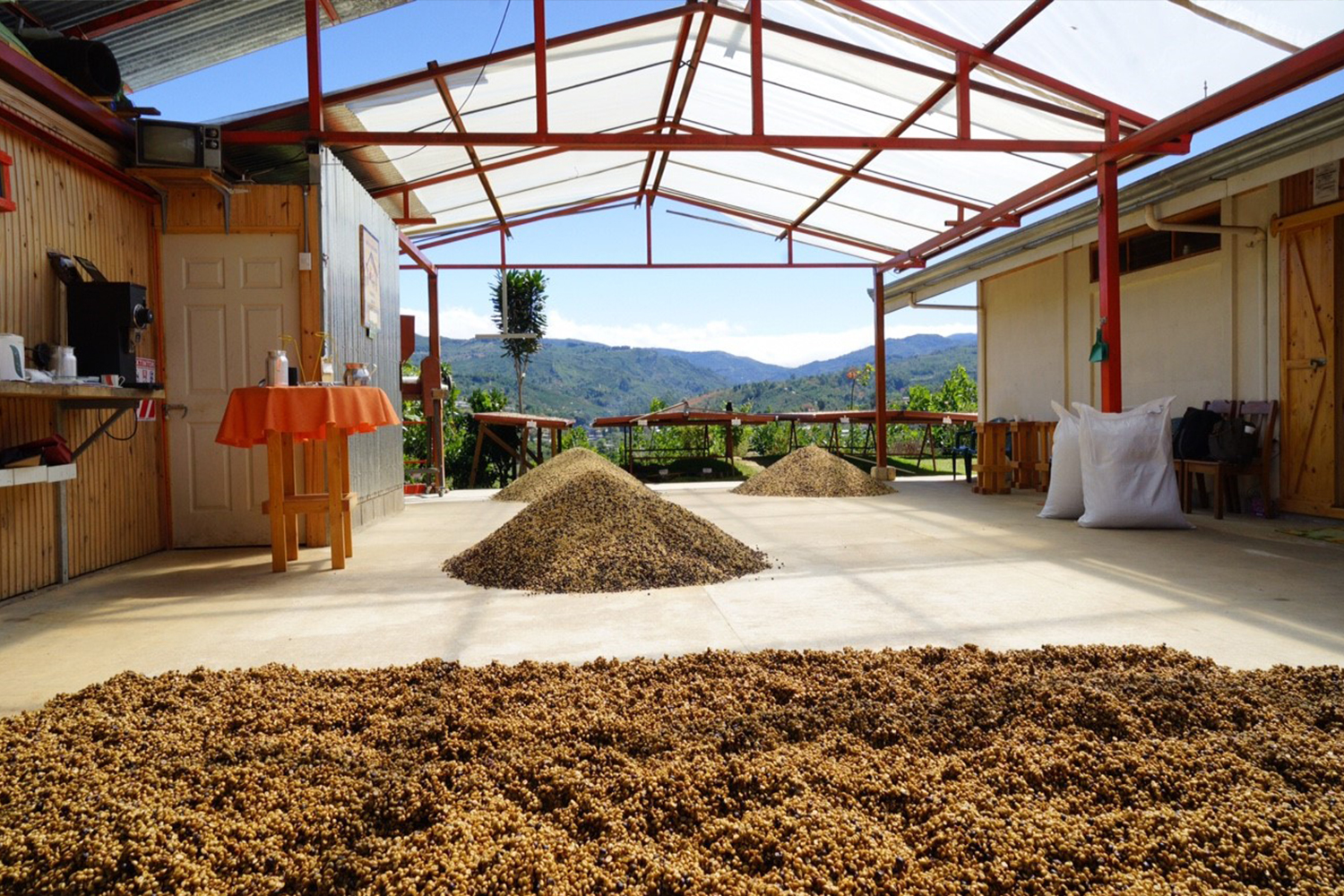
Costa Rica’s naturally privileged environment—including mild climate, abundant mountain rainfall, and mineral-rich volcanic soil—provides ideal growing conditions for coffee. Since the early 19th century, the government has actively promoted the coffee industry, making it one of the country’s main cash crops. Especially in the Tarrazú region, high latitude and altitude create significant diurnal temperature variations, aiding the accumulation of flavor compounds and resulting in coffee with soft acidity and layered complexity.
In terms of roasting, to fully showcase the acidity-sweetness balance and aroma layers of Costa Rican coffee, many roasters opt for a medium roast. This roast level extends the time from yellowing to first crack, promoting the Maillard reaction and further enhancing sweetness and complexity. Popular beans like the Musician Series’ Mozart and Beethoven, as well as Strawberry Candy, when given an appropriate medium roast, can present a richer flavor spectrum, suitable for pour over or premium filter use.
The above content is compiled by CoffeeHunters, a coffee news website.


