







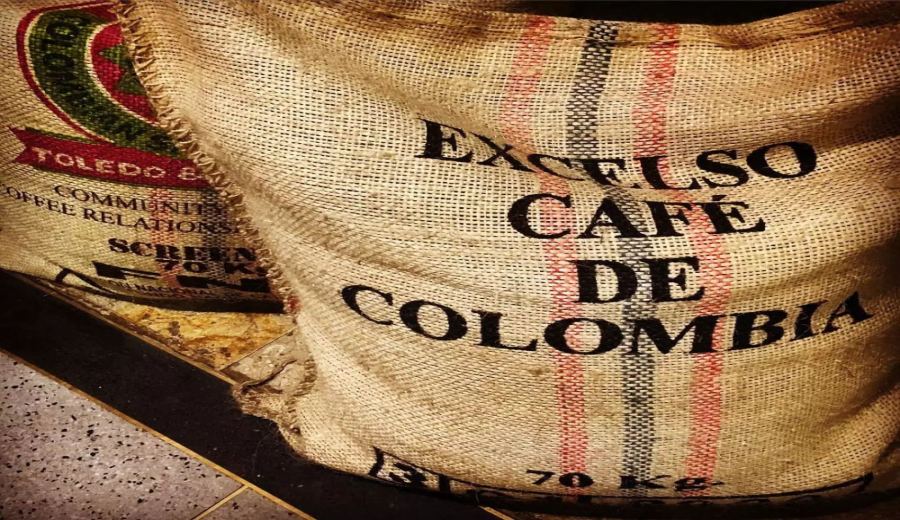
Introduction:Colombian coffee is renowned for its consistent quality and diverse flavors, achievements backed by the long-term efforts of FNC and the country’s exceptional geographical conditions. This article delves into Colombia’s coffee grading system and development history, introduces the terroir characteristics of four representative regions—Huila, Cauca, Nariño, and Santander—and provides recommended pour over parameters for washed Huila beans. It serves as a comprehensive guide to understanding high-quality Colombian coffee and practical brewing techniques.
Colombian coffee is not only a daily beverage for locals but also a globally esteemed specialty bean. From the highlands of the Andes to misty smallholder farms, the region’s coffee-growing conditions are exceptionally favorable. Coupled with the ongoing promotion by official organizations, this has resulted in Colombian coffee’s stable yet multifaceted flavor profile.
FNC (Colombian Coffee Growers Federation)Established in 1927, it is one of the most influential coffee producer organizations in the country. In addition to promoting and exporting coffee, it actively assists farmers in improving cultivation techniques and incomes. Thanks to the FNC’s efforts, Colombian coffee has successfully crafted the approachable and iconic image of “Juan Valdez,” helping the country rank among the world’s top three coffee exporters.
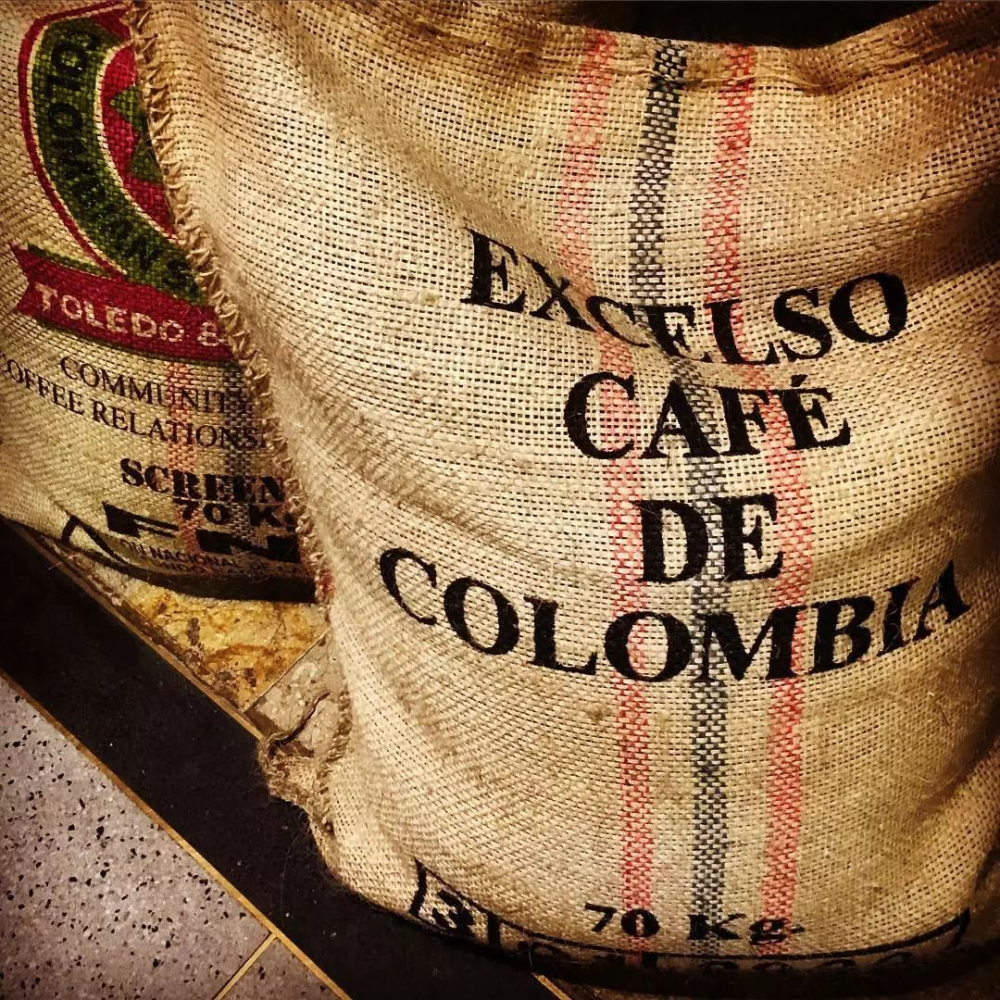
Coffee cultivation in Colombia is primarily concentrated along the western part of the Andes Mountains. The diverse terrain and varying climatic conditions have led to the formation of multiple producing regions with different harvest periods, enabling Colombia to export fresh coffee nearly year-round. Planting altitudes generally range between 1,000 and 2,500 meters, with an average annual temperature of about 18°C. Ample rainfall and complex microclimates provide an ideal growing environment for coffee trees.
The country can be broadly divided into three major producing regions: northern, central, and southern. Among them, the southern region, with higher altitudes and cooler climates, generally produces more complex specialty-grade beans. Below, we focus on four of the most representative origins: Huila, Cauca, Nariño, and Santander, analyzing their unique characteristics one by one.
Huila Region (Huila)Located in southwestern Colombia, it is one of the country’s key specialty coffee-producing areas, accounting for about 12% of the national output. The terrain here is mostly hilly and highland, with elevations mostly above 1,500 meters. The Cauca River runs through the region, providing abundant water resources. Huila is dominated by smallholder farming, and many micro-lots showcase diverse and rich flavor profiles due to variations in microclimate and processing methods. Washed Huila coffee typically exhibits a base profile of nuts, dark chocolate, and caramel, with gentle acidity, making it a great entry-level choice for many coffee enthusiasts.
Take a washed Caturra from Huila grown at 1,500–1,800 meters as an example—it commonly features flavors of nuts, dark chocolate, caramel, and soft fruity acidity. It’s suitable as a daily drinker and also recommended for pour over to enjoy its delicate layers.
Cauca Region (Cauca)Is known for its high-altitude terrain, with some areas exceeding 2,100 meters. The region experiences significant day-night temperature variations, along with moderate rainfall and mineral-rich volcanic soil, resulting in a longer maturation period for coffee cherries and aiding the accumulation of flavor compounds. Cauca coffee often delivers a distinct balance of sweet and acidic notes, with a refreshing taste and well-defined layers, making it an ideal choice for coffee lovers who prefer bright and clean profiles.

Nariño Region (Nariño)Is situated in the high-altitude zone of the Andes Mountains, with coffee farms mostly located between 1,600 and 2,300 meters in misty environments. The volcanic soil is fertile and well-drained. Due to the cool climate and long growth cycle, coffee from this region often exhibits prominent acidity and unique aromatic profiles, with a dense body and refined flavors. In recent years, it has gained increasing international attention and is a great exploration choice for advanced drinkers seeking high-quality sensory experiences.
Santander Region (Santander)Is one of the oldest coffee-growing areas in Colombia. Though less frequently mentioned compared to other regions, it remains an important coffee source, accounting for about 5% of the national output. The altitude here is relatively lower, ranging between 1,400 and 1,600 meters, with a relatively dry climate. The main variety planted is Typica. Coffee trees are often cultivated in shaded forest environments, leading to slower growth and longer fruit maturation times. As a result, the coffee usually presents a full-bodied and rounded mouthfeel, with balanced flavors and a subtle sweetness—suitable for those who prefer classic flavor profiles.
If you want to experience the classic pour over flavors of Colombian coffee, washed Huila beans are an excellent choice for practice. It’s recommended to use a KONO filter cone with a 20-number sieve and approximately 75% extraction efficiency,medium grind (about 1:15 coffee-to-water ratio, 15 grams of coffee to 225 milliliters of water),with water temperature controlled at 90°C, using a three-stage extraction method:
Start with a 30-second bloom using twice the amount of coffee grounds (about 30 milliliters) of water, followed by pouring in a thin stream in circular motions from the inside out to reach 125 grams. Once the bed sinks, pour to 225 grams. Total extraction time is around 2 minutes. This parameter setup helps fully highlight the nutty, chocolatey, and caramel notes of Huila coffee, while maintaining a full body and clean cup. As the temperature slightly drops, the gentle fruity acidity becomes more pronounced, resulting in a balanced and approachable overall profile.
In summary, the charm of Colombian coffee lies not merely in a single trait of “consistency,” but in how each region, through its unique geographical and cultural conditions, cultivates diverse and layered specialty flavors. Whether you’re a beginner or an experienced coffee enthusiast, understanding these regions and their stories will help you better appreciate the uniqueness of each cup of Colombian coffee.
The above content is compiled by CoffeeHunters, a coffee news website.


