







Introduction:Gain an in-depth understanding of the diverse profiles of specialty coffee from Colombia, ranging from mainstream cultivars such as Caturra and Castillo to market favorites like Geisha and Pink Bourbon. This article systematically outlines the characteristics of each variety. It also delves into the microclimates and terroir advantages of high-altitude regions including Huila, Cauca, Nariño, and Tolima, alongside analyses of various processing methods such as washed and anaerobic natural. Finally, it provides practical pour over parameters and cupping flavor references to help you fully grasp the essence of Colombian coffee.
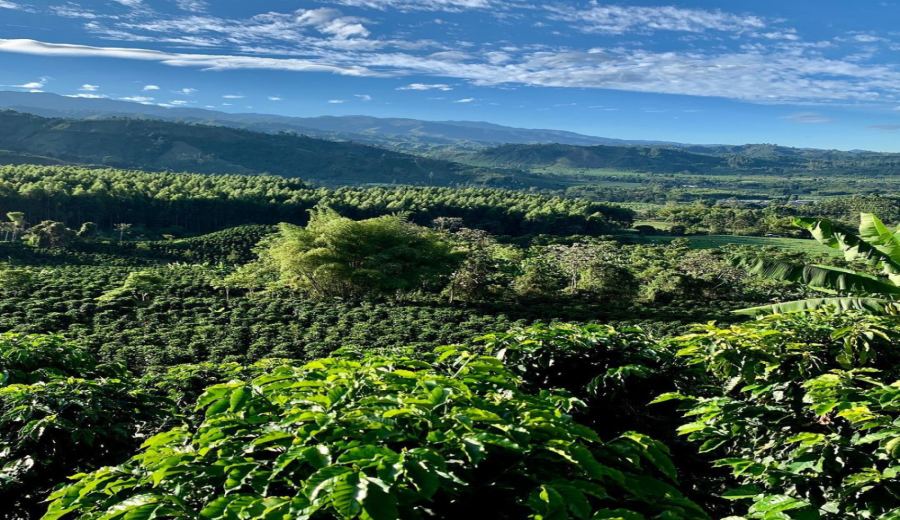
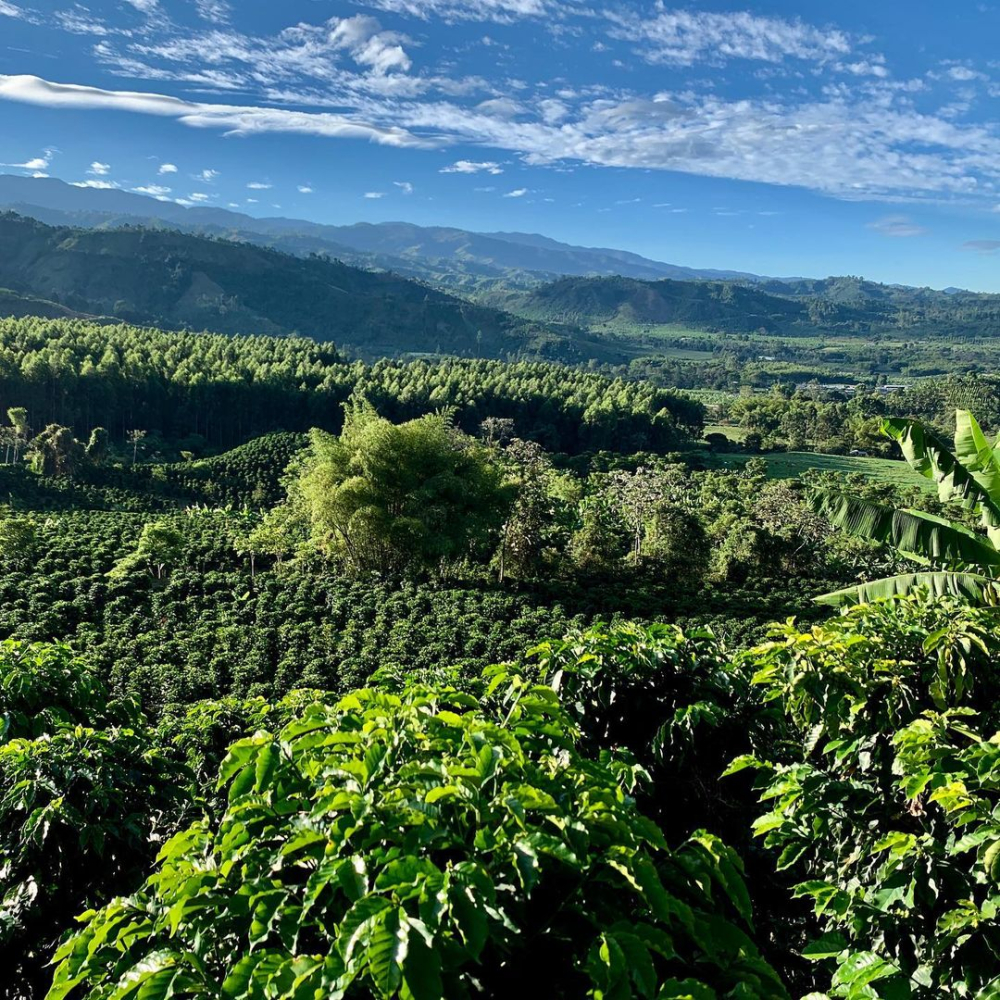
Colombia is located in a low-latitude, high-altitude region with diverse terrain, making it an ideal place for cultivating high-quality specialty coffee. The local coffees not only boast a full body and rich layers but also carry classic aromas of nuts, chocolate, and caramel, with a well-balanced acidity, sweetness, and bitterness. Currently, the popular single-origin Colombian beans on the market come in a wide variety, with continuously innovating processing techniques — from traditional washed to anaerobic fermentation — offering fascinating flavor variations. This article will detail the main cultivated varieties, representative growing regions, common processing methods, and recommend several standout single-origin beans, along with practical roasting and pour over references, allowing coffee enthusiasts to deeply appreciate the multifaceted charm of Colombian coffee.
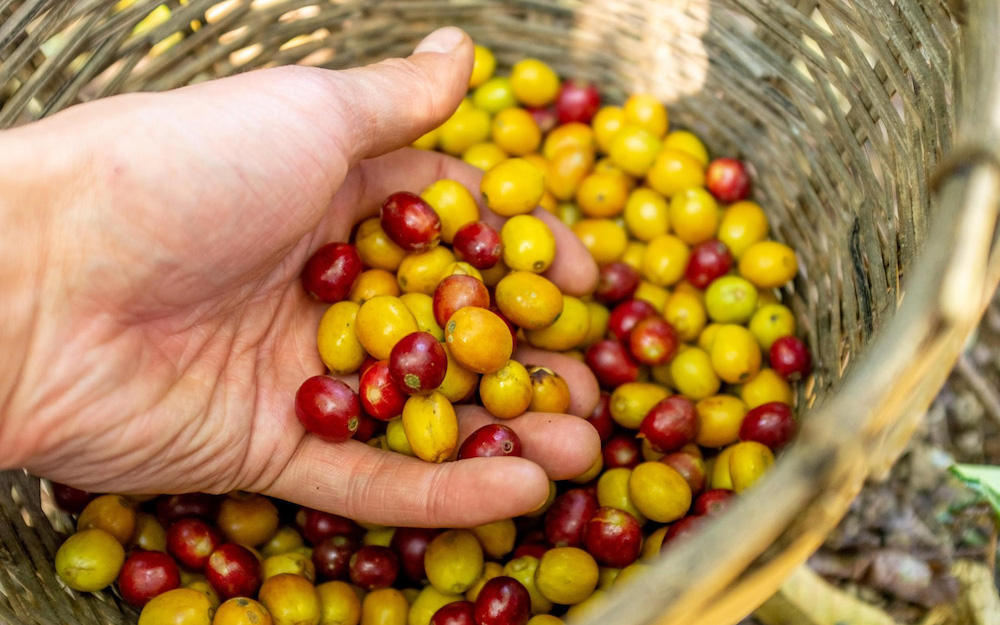
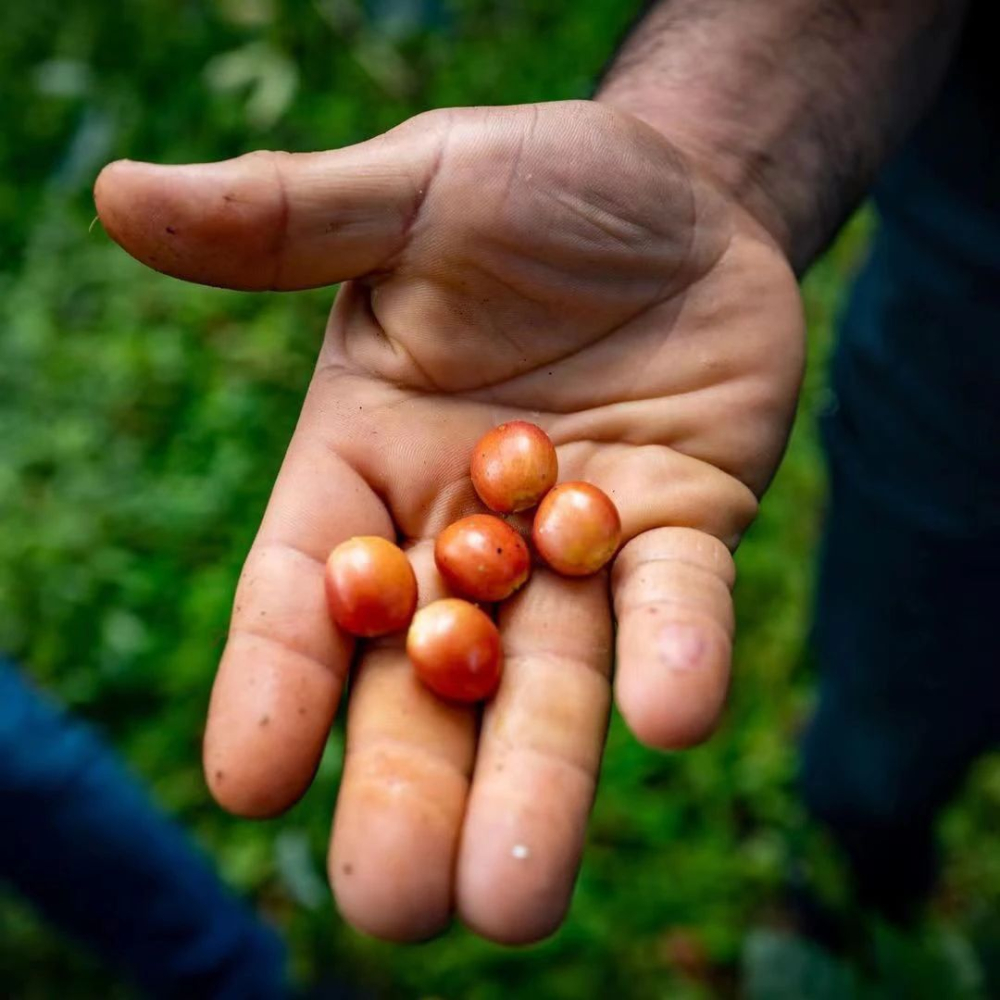
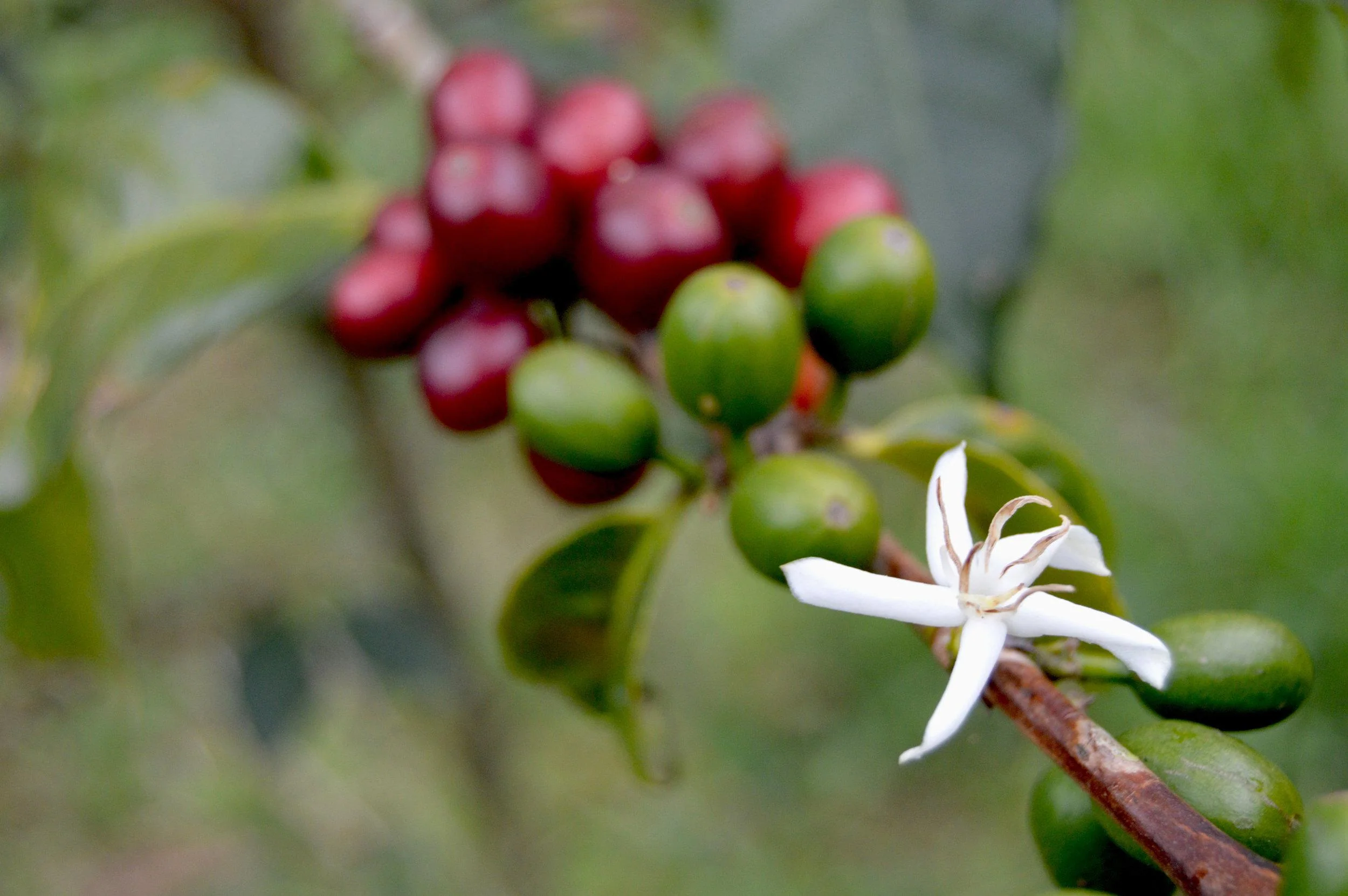
[Overview of Coffee Varieties] The coffee varieties grown in Colombia are predominantly Caturra and Castillo, with small amounts of Geisha and Bourbon. Among them,Caturrais a natural mutation of the Arabica Bourbon variety, originating in Brazil in 1937. Although it has weaker disease resistance, it boasts high yields and a compact tree structure, making it suitable for high-altitude dense planting. It is widely cultivated in Colombia, Costa Rica, and other regions, but not on a large scale in Brazil due to unsuitable climate conditions.Castillois the most widely planted variety in Colombia. Developed by Cenicafe since 1961, it offers excellent resistance to leaf rust disease. In particular, the Castillo variety introduced in 2005 has become a representative in disease resistance.Pink Bourbonis a rare hybrid of Red Bourbon and Yellow Bourbon. When ripe, the coffee cherries exhibit a romantic pink color. However, due to the recessive nature of the pollen gene, the color is unstable and sometimes results in orange-colored fruits, making its production quite limited.Geishafeatures delicate flavors and is extremely particular about its growing environment. It requires cultivation at high altitudes, with cloud cover and fertile soil, in order to express its signature floral notes and elegant fruit acidity. Colombia’s Geisha cultivation techniques have been partially inspired by learning from Panama’s Hacienda La Esmeralda.
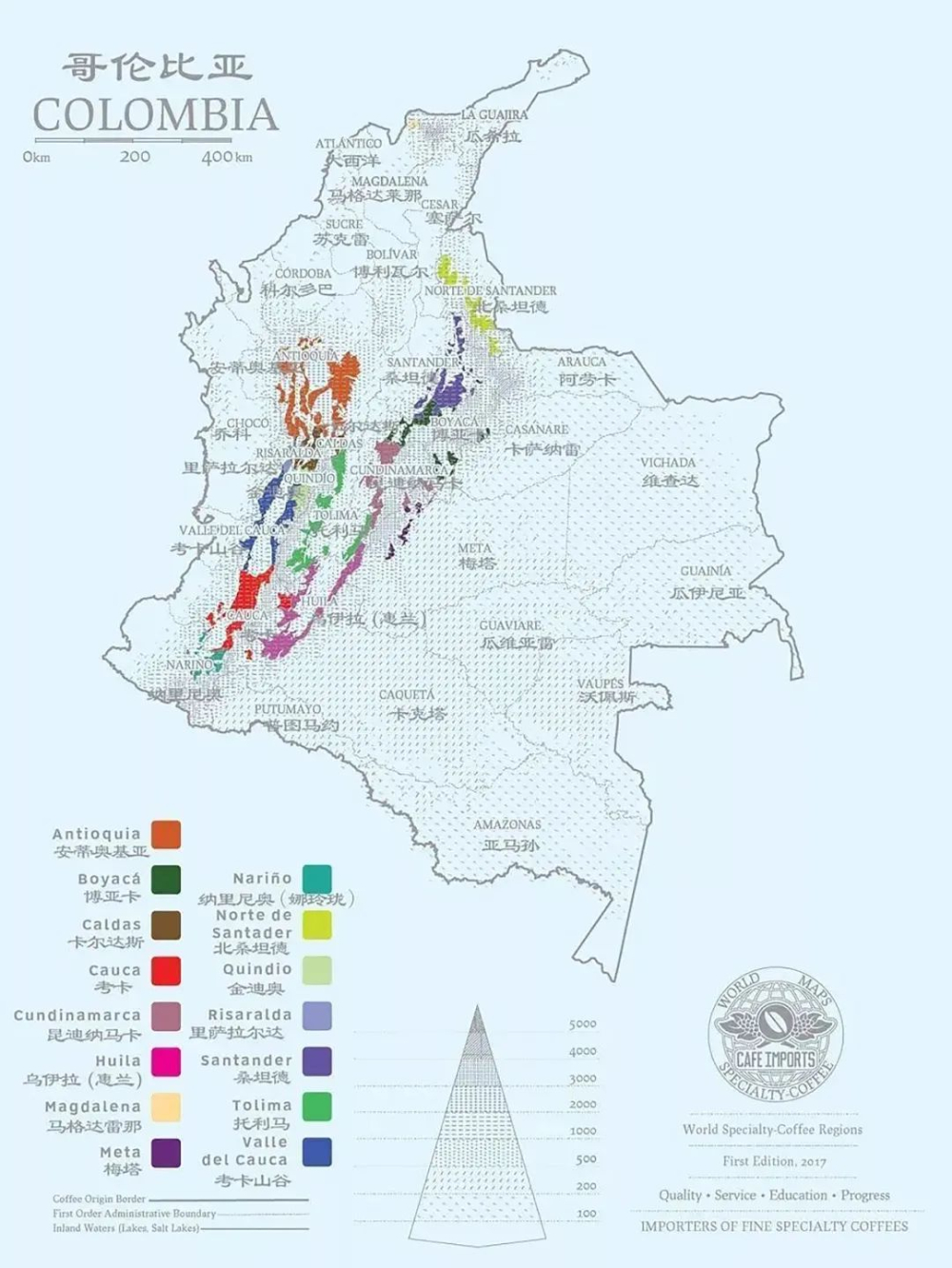
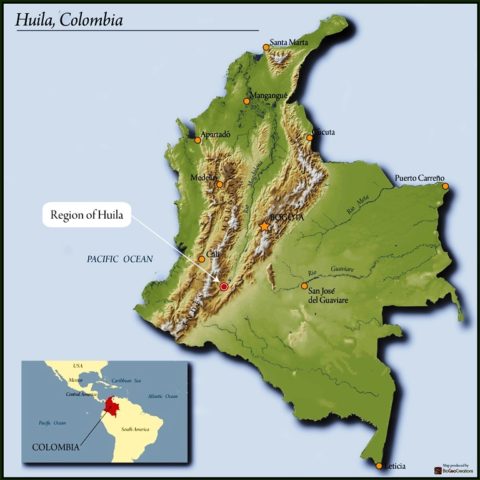
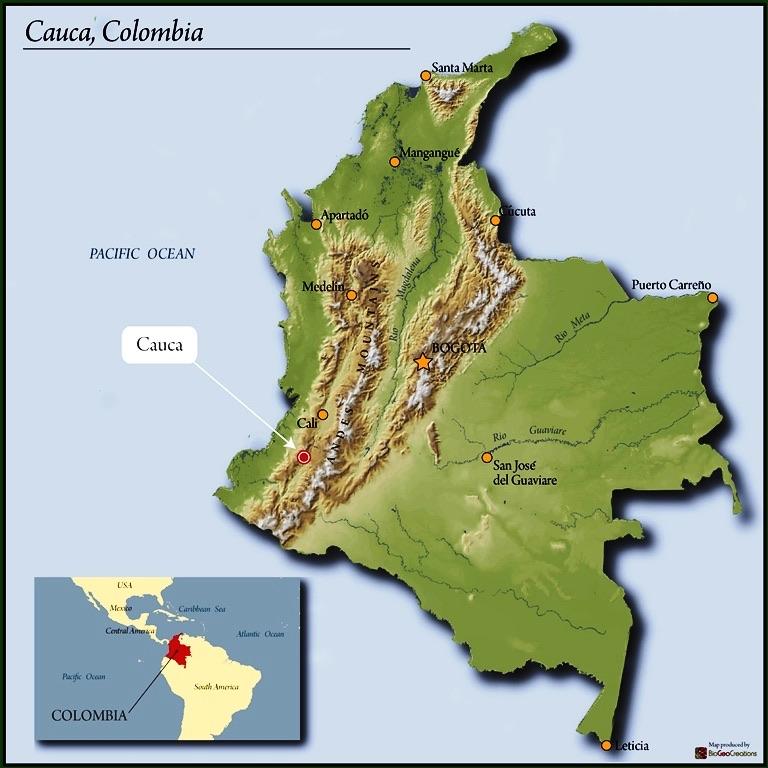
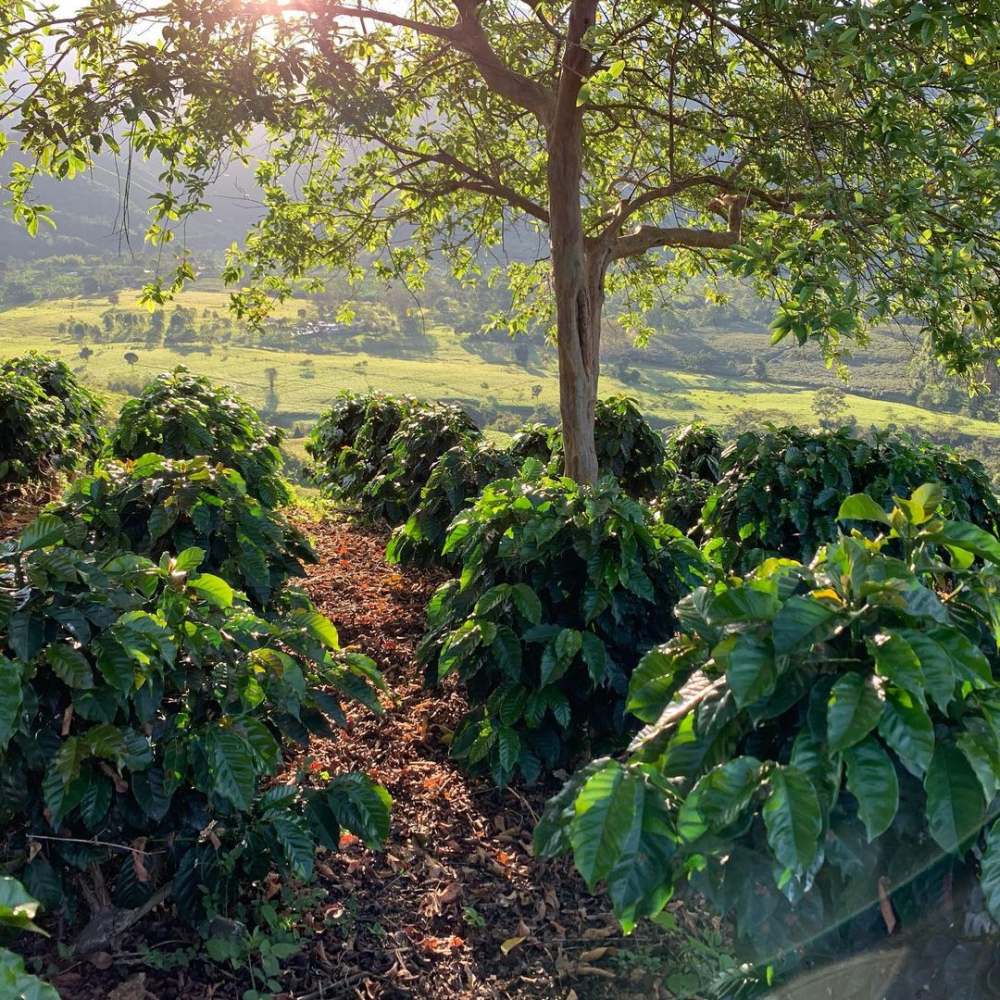
[Major Producing Regions and Terroir] Specialty coffee in Colombia is mainly concentrated in high-altitude southern regions such as Huila, Cauca, Nariño, and Tolima. Huila Province is located at the southern end of the Central Cordillera, with planting altitudes exceeding 1,500 meters. The area is home to numerous important rivers, ensuring abundant water resources. Coffee here is produced in micro-lots by many smallholder farmers, and in recent years there has been a shift toward refined sales based on micro-regions, enabling the precise selection of high-quality beans with unique flavor profiles.Cauca Provinceis a Colombian coffee origin-certified region, with an average altitude of 1,758 meters, reaching over 2,100 meters at its highest. Its volcanic soil and significant diurnal temperature variation (average daily 11°C, daytime 18°C) give the coffee outstanding acidity and sweet flavor.Nariño Provinceborders the Pacific Ocean to the west and Ecuador to the south. The Andes Mountains run through the region, and the high-altitude cloud zone (1,600–2,300 meters) along with fertile volcanic soil produces small yet dense coffee beans. Although most of the production is purchased by international buyers, a small number of specialty beans are still available.Tolimalies between Huila and Cauca, where the Andes and the Cordillera Oriental meet. The Magdalena River runs through the region. Farms here are slightly larger and often operated as cooperatives, with some farmers also processing their own fresh coffee cherries.
[Processing Method Analysis] Colombian coffee employs a variety of processing methods, among whichwashed processingis the most traditional and common method: unripe beans are first removed using water tanks, then the pulp is stripped, followed by fermentation to remove the mucilage, and finally the beans are rinsed with clean water and dried. This method highlights acidity and body balance, resulting in clear and defined flavors.Semi-washed methodis suitable for regions with longer dry seasons. The coffee produced combines characteristics of both wet and dry processing, with distinct but not overly strong acidity and sweetness.Anaerobic naturalinvolves fermenting the whole cherry in an anaerobic environment before sun drying. The low-temperature, oxygen-free conditions extend fermentation time, enhancing sweetness and flavor balance.Anaerobic enzyme washedcombines washed processing with anaerobic fermentation, controlling pH and sugar breakdown rates to intensify sweetness and flavor complexity. Additionally,double anaerobic enzyme washedtakes this further by performing a second specialized fermentation after the initial anaerobic process, deepening flavor complexity even more.
[Recommended Single Origins and Roasting Suggestions] Several well-received Colombian single-origin beans have been released, including Rose Valley, Flower Moon Night, Big Belly Button, Sidra, Hope Estate Geisha, decaf beans, and Huila Everyday Bean. Among them,Huila Everyday Beanis made from the Caturra variety with anaerobic enzyme washed processing, grown at an altitude of 1,700 meters in the Santander region, offering great cost-performance and regional character. Another bean,Huila High Altitude Beanis washed processed, grown at 1,500–1,800 meters, and also showcases distinct regional flavors. For roasting suggestions, the double anaerobic washed Rose Valley is recommended for medium roast: charge temperature 180°C, yellowing point 151°C, drop at 197°C after first crack development, preserving fruity tones and rich sweetness. Flower Moon Night is also medium roasted, with controlled development temperature of 196°C post-first crack to highlight a full body. The Huila Everyday Bean, due to its plump bean shape, benefits from extended roasting time after first crack to enhance nutty and caramel aromas.
[Cupping and Pour Over Flavor] During cupping, Flower Moon Night exhibits aromas of berries, strawberries, and chocolate, with intense wet fragrance. Rose Valley shows fresh dry aromas of fermentation, peach, and strawberry, with honey and rose notes blooming in the wet aroma. The Huila Everyday Bean features nutty and spicy profiles, complemented by sweet wet aromas of berries and caramel. For pour over, use a V60 filter, water temperature at 90°C, coffee-to-water ratio of 1:15, grind size close to 80% passing rate of a Chinese No. 20 sieve. In practice, start with a 30-second bloom using 30 grams of water, then pour in stages up to 225 grams total, with total extraction time around 2 minutes. This will fully express the unique flavors of each bean — from the aromas of peach and rose to the richness of nuts and dark chocolate — all of which can be savored during the pour over process.
The above content is compiled by CoffeeHunters, a coffee news website.


