








Introduction:Since the Geisha variety from Panama's Hacienda Esmeralda won the championship, Geisha coffee has risen to become a representative of specialty coffee. This article delves into the origin and spread of the Geisha variety, compares the terroir and flavor differences among Geisha coffees from Ethiopia, Colombia, and Costa Rica, and details the grading standards and recent market changes of Hacienda Esmeralda’s Red Label, Green Label, and Blue Label. At the end, we provide Hario V60 three-stage pour over parameters and flavor profiles of four Geisha coffees, helping you truly appreciate this globally popular specialty coffee.
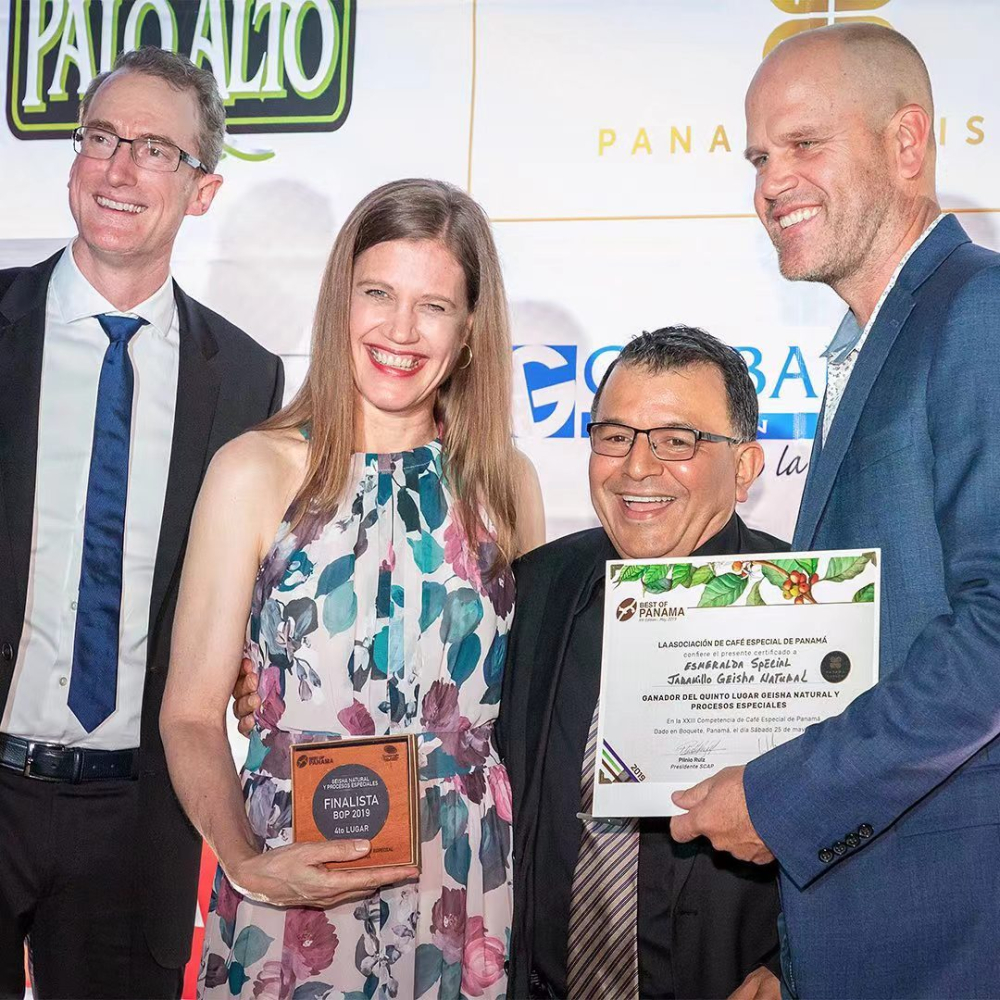
Geisha (also known as Gesha or Artisan Coffee) was originally a wild coffee plant found in Ethiopia’s Gesha Forest, first discovered in 1931. Initially, the variety received little attention and was even used only as a windbreak. It wasn’t until 2004 when Hacienda Esmeralda from Panama entered the Geisha variety in the Best of Panama (BOP) competition and won the championship that this coffee rose from obscurity to become a legend in the specialty coffee world.
The Geisha discovered by Hacienda Esmeralda back then was initially mistaken as originating from Japanese geisha culture, actually due to the similar pronunciation and thus called “Artisan Coffee.” In fact, it has no connection with Japan and is a native variety from the highlands of Africa. In Ethiopia, Geisha long went unnoticed, later being sent to Kenya, Uganda, Tanzania, and finally introduced to Panama in 1970, where it shined brightly in the cupping sessions at Hacienda Esmeralda.
The reason Geisha has achieved such high acclaim today is inseparable from its pickiness about the environment. This variety prefers high altitudes, cloudy conditions, shaded areas, and fertile soil. In high-altitude regions, the large day-night temperature difference slows the ripening of coffee cherries, allowing them to accumulate richer flavor compounds, giving Geisha its unique jasmine aroma, bright acidity, clean taste, and layered complexity.
Since the Geisha from Hacienda Esmeralda in Panama won the championship in 2004, many global producing regions have started to cultivate it, among which Geisha from Colombia, Costa Rica, and Ethiopia have also performed notably. Each region, due to microclimates and processing differences, presents distinctly unique flavor characteristics.
Next, we will analyze the characteristics of Geisha from these well-known producing regions one by one:
Colombian Geisha
A certain coffee brand introduced Colombian Hanami Coffee, a hybrid of Geisha with Caturra and Catuaí, first harvested in 2020 and officially launched on the market in 2021. The farm only began planting Geisha in 2016, so this bean can be considered the farm’s first commercially available Geisha product. Its flavor showcases a complex aroma of chamomile, red pepper, mandarin orange, honey, and almond, with clear layers and a slight touch of spice and sweetness.
Costa Rican Geisha
Costa Rica introduced the Geisha variety as early as 1953, earlier than Panama’s large-scale cultivation. This Geisha blend from the Miramar region contains 50% Geisha, blended with SL28, ET47, and MAICO, and uses the raisin honey processing method. Its flavor is dominated by jasmine flower notes, complemented by the sweetness of strawberry gummies and the honey-like aroma of raisins, with a round mouthfeel and a nutty, creamy finish.
Ethiopian Geisha
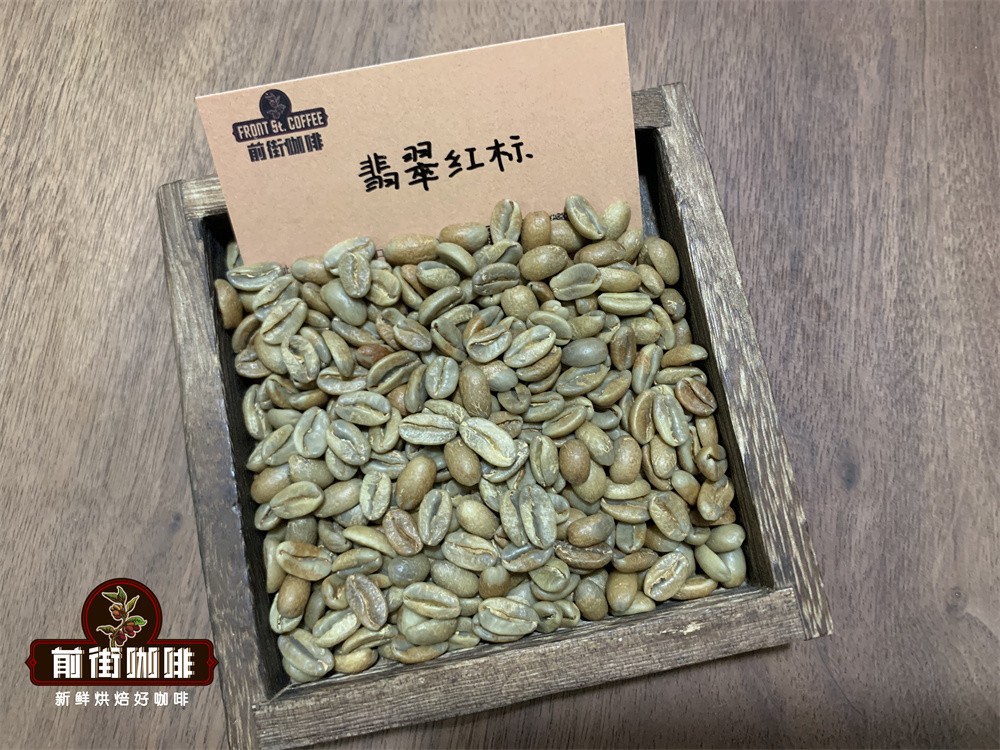
Ethiopia, the birthplace of the Geisha variety, mostly circulates Geisha beans under the name “heirloom,” making it difficult to confirm if they are purebred Geisha. Since 2008, Gesha Village Estate has planted Geisha in the high-altitude rainforest region at 1900-2100 meters, and through scientific management and careful processing, these Geishas have repeatedly won awards in international competitions. Their flavor is dominated by yellow stone fruits like yellow peaches, with pronounced sweetness, and some batches can even feature a toffee-like aftertaste.
As the driving force behind the global fame of the Geisha variety, the history of Hacienda Esmeralda is also worth exploring. In 1964, American banker Rudolph Peterson purchased Hacienda Esmeralda in the Boquete region of Panama, initially focusing on dairy farming. It wasn’t until 1987 when his son Price returned to take over, introducing Caturra and Catuaí varieties, and establishing a washed processing plant in 1994. In 1996, they further acquired the neighboring Jaramillo Estate, laying the important foundation for the success of Geisha today.
In 2004, Hacienda Esmeralda cupped a batch of previously overlooked coffee trees separately and discovered their extremely unique flavors. After entering the competition, it won the BOP championship, and it was later confirmed that these were indeed the Geisha variety from Ethiopia.
Hacienda Esmeralda classifies Geisha into three grades based on altitude and cupping scores: Red Label, Green Label, and Blue Label. Starting in 2021, the Blue Label was temporarily discontinued, and a new item called “Volcanica” appeared on the market, with a flavor profile similar to the old Blue Label.
Red Label Geisha
The Red Label is the highest grade of Hacienda Esmeralda, selecting only beans grown at 1600-1800 meters with cupping scores above 90, limited to the Jaramillo and Cañas Verdes regions. Most of these beans are used for auctions, but non-auction versions are also available for market sales, with consistent flavor performance. Sun-dried Red Label Geisha is known for its rich floral aroma, citrus tones, and fruity acidity, with a long-lasting aftertaste and layered complexity.
Green Label Geisha
The Green Label is a private collection series, blended from multiple micro-lots, with altitudes similar to the Red Label but not participating in auctions. Its flavor also features the classic citrus, floral, and fruity acidity of Geisha, but at a more affordable price, suitable for everyday drinking. The washed Green Label is particularly refreshing, with oolong tea and citrus peel aromas, ideal for coffee lovers who prefer a clean taste.
Blue Label Geisha
The Blue Label is grown at altitudes between 1400-1500 meters, previously only offered with washed processing, and a sun-dried version was introduced in 2020. After 2021, the Blue Label was discontinued and replaced by Volcanica, with similar flavors. Washed Blue Label has a light body with soft acidity; sun-dried Blue Label has pronounced fruit aromas, high sweetness, and excellent cost-performance.
Finally, to help you fully experience the charm of Geisha, here are recommended Hario V60 three-stage pour over guidelines:
Brewing Parameters: Use Hario V60 dripper, water temperature 90°C, 15g coffee grounds, 1:15 coffee-to-water ratio, medium-fine grind (about 80% through a #20 sieve). Use a three-stage extraction method: first pour 30g of water for a 30-second bloom; second pour up to 125g and pause; third pour up to 225g to finish, with total extraction time around 2 minutes.
Flavor Profile Summary:
• Sun-Dried Red Label: Prominent rose and citrus aromas, with berry, apricot, and honey notes, rich layers, and noticeable sweetness.
• Washed Green Label: Distinct jasmine floral notes, with refreshing citrus and berry tones, and a green tea and cantaloupe finish.
• Washed Blue Label: Soft acidity from lemon and grapefruit, with honey and oolong tea sweetness lingering, and a clean mouthfeel.
• Sun-Dried Blue Label: Intense melon and tropical fruit aromas, juicy mouthfeel, and high sweetness.
The above content is compiled by CoffeeHunters, a coffee news website.


