








Introduction:Kenyan coffee is renowned for its bright acidity and rich berry aroma, making it a flagship single origin bean in the hearts of many coffee enthusiasts. This article delves into the varietal origins, growing environment, unique K72 washed processing method of Kenyan coffee, and how to bring out its layered fruity acidity and juicy character through methods such as pour over and cold brew. Whether you're a beginner or an advanced coffee enthusiast, you'll find brewing tips and pairing inspiration tailored to your level.
With its distinctive acidity and vibrant fruitiness, Kenyan coffee consistently ranks high on the recommendation lists of specialty coffee lovers worldwide. These beans typically showcase intense aromas of black plum, blackberry, and other berries, with a well-balanced sweet and sour profile and a clean, refreshing mouthfeel. They perform exceptionally well whether brewed using pour over, French press, moka pot, or cold brew.
This article will comprehensively break down how this highly acclaimed coffee develops its captivating flavors—from its main varieties, terroir, the classic K72 washed process, green bean grading system, to practical roasting and brewing advice. It also provides useful parameters for pour over and cold brew to help you brew professional-level Kenyan coffee at home.

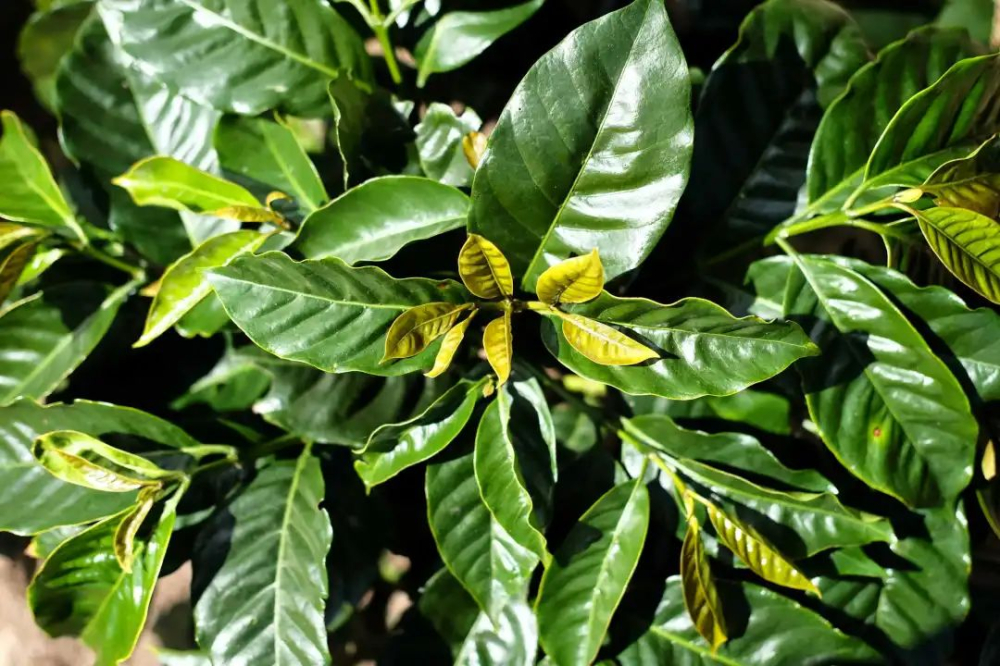
The representative varieties of Kenyan coffee include SL28, SL34, K7, Ruiru11, and Batian, among which SL28 and SL34 are the most famous, accounting for over 90% of Kenya’s high-quality coffee production. These two varieties originated in the 1930s when Kenyan coffee trees were widely affected by coffee berry disease. The Scott Laboratories (Scott Labs), commissioned by the government, focused on breeding disease-resistant varieties with good cup quality. The result was the release of seeds numbered 28 and 34, which gained popularity among farmers for their outstanding resistance and bright acidity.
The SL series belongs to the Bourbon genetic lineage and is naturally suited to high-altitude cultivation, exhibiting intense clarity of acidity and complex layers of fruit aroma. Growing in the volcanic, high-altitude terrain of Kenya has given these varieties their unique juiciness and balanced sweet-and-sour flavor.
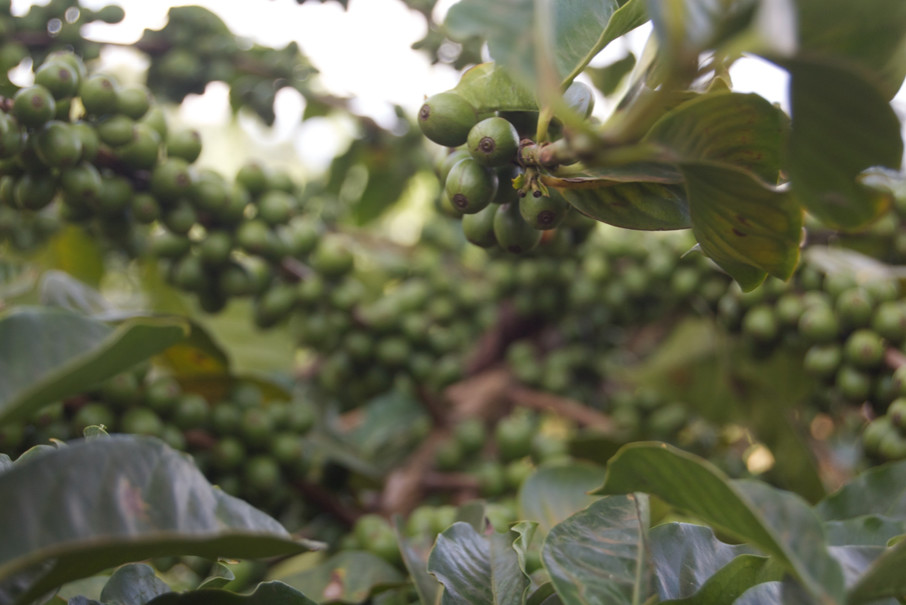
Most Kenyan coffee is grown in highland areas between 1,400 and 2,000 meters above sea level. The climate here is ideal for Arabica coffee, with average annual temperatures maintained between 15–24°C, abundant and evenly distributed rainfall, plus deep, well-draining red volcanic soils that provide optimal nutrients and growing conditions. Coffee from the Thika region often features a soft acidity and a refreshing citrus-like finish reminiscent of grapefruit.
The most iconic processing method in Kenya—the Kenyan-style 72-hour washed process (abbreviated as K72)—is a key factor in allowing these beans to express their high acidity, brightness, and refined flavors. The hallmark of this process is its unusually long fermentation period: coffee cherries are harvested at peak ripeness with a Brix level of 21, carefully sorted, and then depulped. They are then placed in water tanks for the first 24-hour fermentation, followed by washing, and this fermentation-washing cycle is repeated three times for a total of 72 hours—far exceeding the typical 36-hour limit of standard washed processes.
This multi-stage fermentation and washing technique effectively enhances the coffee’s acidity while delivering a finer mouthfeel and cleaner aftertaste. Once fermentation is complete, the beans are thoroughly stripped of mucilage and then sun-dried on raised drying beds. The entire drying process usually takes 5 to 10 days, depending on weather conditions.
The Kenyan green bean grading system mainly classifies beans based on size, shape, hardness, and cupping score. Common grades include AA, AB, PB, C, E, TT, and T, with AA being the highest grade. AA-grade beans typically come from plantations above 2,000 meters altitude, featuring large and uniform beans with outstanding floral-fruity aromas and bright acidity. They are hailed as some of the world’s top-tier specialty coffees.
To fully highlight the fruitiness and acidity of Kenyan coffee, medium-light roasts are generally preferred to preserve more of the inherent flavor characteristics. For the Kenyan beans featured in this article, the flavor profile centers around black berries and stone fruits. The dry fragrance carries notes of cherry tomatoes, dark plums, and caramel, while the cup reveals a sweet and tangy taste of dark fruits such as black plum, plum, and apricot, with a full-bodied and layered acidity.
In terms of brewing recommendations, pour over is one of the best methods to highlight the acidity and subtle details of Kenyan coffee. Given its medium-light roast level and relatively hard bean density, a finer grind size (e.g., 78% passing rate through a Chinese 20-mesh standard sieve) is recommended, along with slightly higher water temperature, brewed using a V60 filter to better present the layered flavors.
Practical extraction parameters are suggested as follows: Place the ground coffee in the filter, start with 30 grams of hot water for a 30-second bloom, pouring in small streams in a circular motion from the inside out. Then add 95 grams of water, and once the flow slows, pour the final 100 grams. The total brew time should be around 2 minutes, with a margin of up to 10 seconds. This three-stage pour method effectively balances acidity and sweetness, avoiding over-extraction or excessive sharpness.
If you prefer cold drinks, Kenyan coffee is also excellent for cold brew. In a low-temperature environment, its fruity acidity becomes even softer and more layered, accompanied by a strong aroma reminiscent of cherry tomatoes, making it highly suitable for summer consumption.
Making Kenyan cold brew at home is simple: prepare a cold brew bottle or sealed container, grind the coffee beans to an ice pour over level (around grind setting 9, adjustable by device), mix at a 1:12 coffee-to-water ratio (e.g., 50g beans to 600ml room-temperature drinking water), and refrigerate for 8 hours before filtering. Enjoy over ice for an even crisper taste.

In summary, Kenyan coffee owes its distinctive sweet-and-sour, fruit-forward characteristics to its exceptional varietal genetics, high-altitude cultivation environment, and unique K72 washed process. Whether you choose to savor it slowly via pour over or enjoy its cool fruity acidity through cold brew, with the right parameters and techniques, you can easily experience the unique charm of this coffee.
If you’re a beginner in the coffee world, Kenyan beans are also an excellent learning choice. Their clear acidity and fruit tones can help you become more sensitive to how brewing variations affect flavor. Don’t hesitate to experiment and find your own optimal brewing method!

The above content is compiled by CoffeeHunters, a coffee news website.


