







Introduction:As a top-tier variety of Sumatran Mandheling, Golden Mandheling stands out with its unique spice and dark chocolate notes brought by the wet-hulled processing method, making it a favorite among many coffee enthusiasts. This article delves into its origin, processing techniques, and selection standards, while also providing practical deep-roast pour-over parameters and a three-stage pouring technique to help you brew a rich and layered cup of coffee at home.
Among the wide array of coffee offerings, Mandheling from Sumatra, Indonesia, holds a distinctive place in the global specialty coffee market with its bold flavor and unique herbal characteristics. Among them, Golden Mandheling, with its rigorous selection process and exceptional cleanliness, has become a favorite among many pour-over enthusiasts. This article will start with the geographical environment of Sumatra, explore how the wet-hulling method contributes to the unique terroir flavors of Mandheling, and take you deeper into understanding what makes PWN Golden Mandheling special, as well as how to bring out its multi-layered notes of spices, dark chocolate, and caramel through appropriate deep roasting and pour-over techniques.
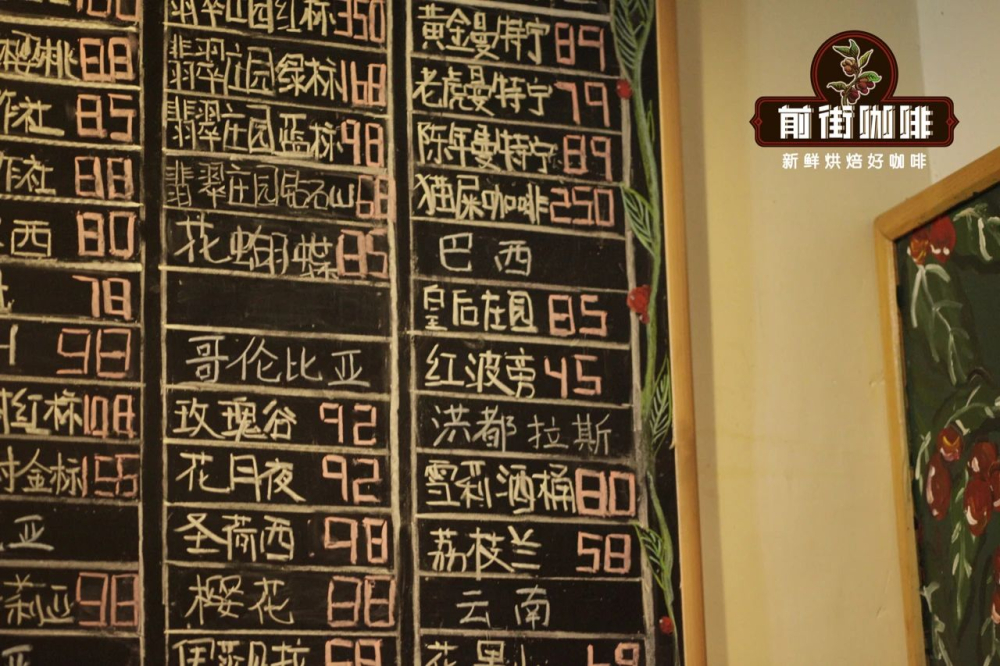 A quick glance at the coffee bean menu of any café will reveal that each type of bean has its own unique personality and origin background. Even within the same variety, slight differences in origin, processing method, or roast level can result in vastly different flavor profiles. Take PWN Golden Mandheling, for example — it not only retains the classic full body and herbal foundation of Mandheling but also, through stringent selection and deep roasting, showcases a clearer and more defined taste structure.
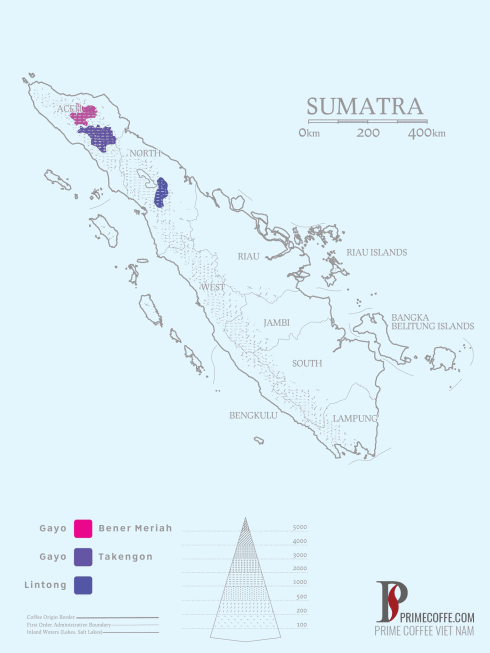
The production area of Mandheling is concentrated in the northern part of Sumatra, Indonesia, particularly around Lake Tawar in the Aceh region and Lake Toba in the Sidikalang area of Lingtong. Due to frequent volcanic activity, the region is covered with mineral-rich volcanic ash soil. Coupled with the year-round hot and humid tropical rainforest climate, it provides ideal growing conditions for coffee trees. However, this environment also poses challenges: prolonged rainy weather and high humidity make traditional washed processing and African-style long sun drying difficult to implement. As a result, local coffee farmers have developed a unique "wet-hulling" method — a processing approach that lies between washed and natural drying. This method not only adapts to the local climate but also imparts to Mandheling its bold, distinctive woody and spicy “terroir flavors.”
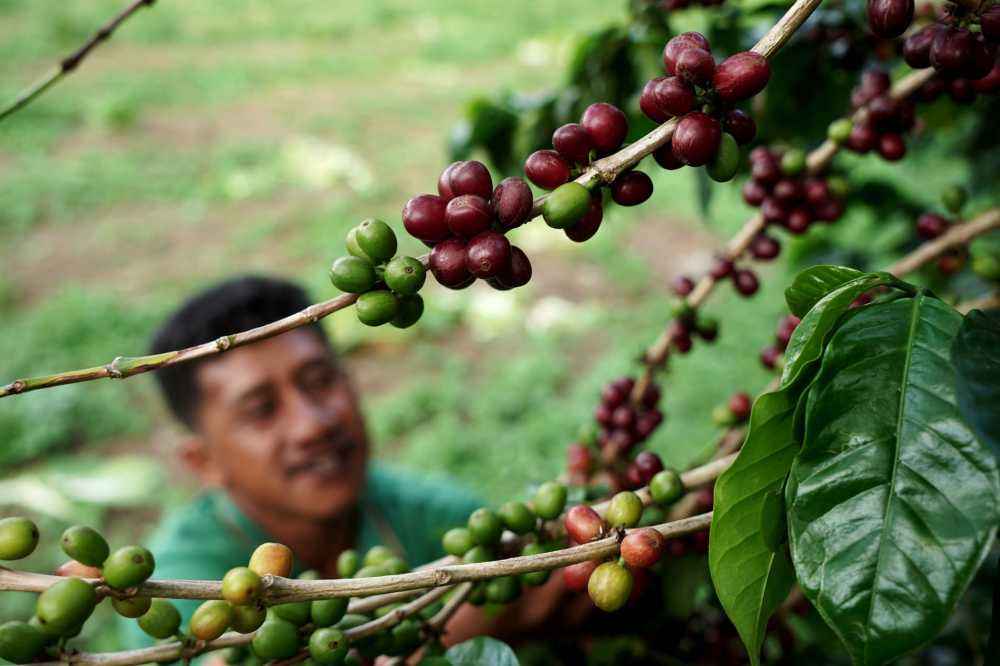
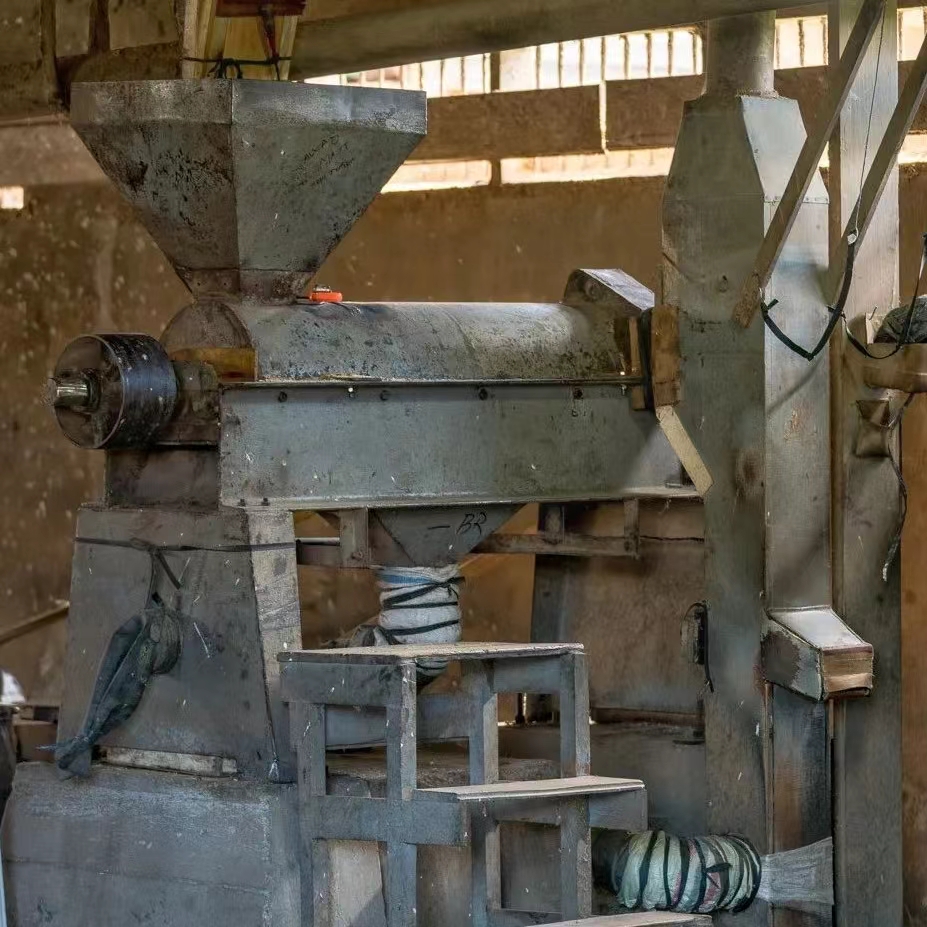
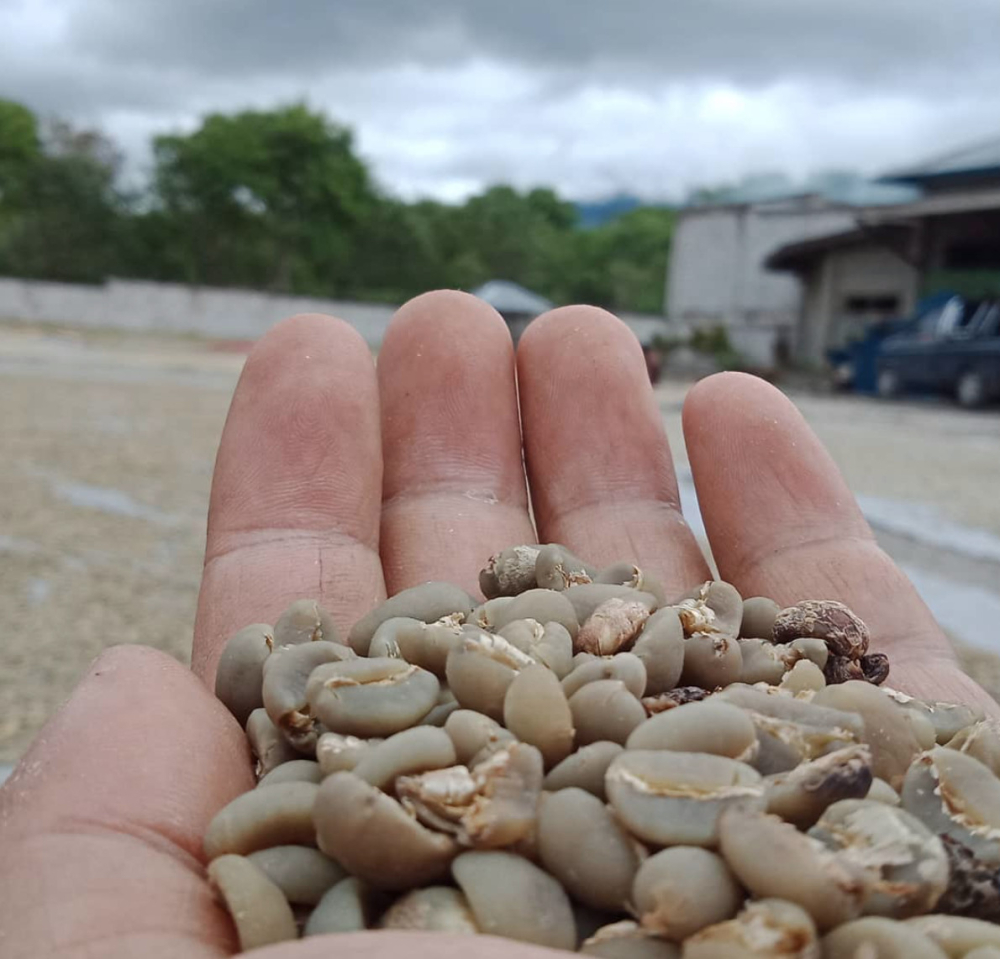
 The so-called wet-hulling process refers to the following steps: after removing the outer skin and pulp of the coffee cherry, the beans undergo a brief fermentation (usually a few hours), followed by rinsing with clean water to remove residual mucilage. Then, the parchment-covered beans are partially dried until their moisture content drops to around 30%–40%, a process that takes about 2 to 3 days. At this semi-dry stage, the beans are sent to market for trade. The buyers then use a hulling machine to remove the parchment layer (which still partially remains on the beans), extracting the green coffee beans inside. Since the beans are still moist at this stage, and because the friction and heat generated during the hulling process can be intense, it often leads to the appearance of white or greenish slime on the bean surface, along with deformation, swelling, or the formation of what’s known as “elephant ear beans.” This unique processing method not only accelerates the drying process but also contributes to the bold and woody character that defines Mandheling.
When talking about Golden Mandheling, one cannot overlook the high-standard selection process implemented by Indonesia’s PWN company. PWN conducts four rounds of manual sorting on the purchased Mandheling green beans, keeping only those that are intact, uniformly sized, and 18 mesh or larger — equivalent to the local G1 grade. Through such rigorous selection, Golden Mandheling significantly reduces common earthy or woody off-flavors, resulting in a cleaner and brighter flavor profile. It is important to note that the name “Golden Mandheling” has been registered as a trademark by PWN; hence, not all products on the market with the same name are genuine. Only the version from PWN can guarantee its premium quality.
 Golden Mandheling is renowned for its pronounced spice, herbal, and full-bodied flavors. To fully highlight these characteristics, roasters typically opt for a dark roast. Dark roasting not only enhances the coffee’s sweetness and body but also accentuates the spice and dark chocolate notes. For coffee lovers who enjoy bold flavors and seek complexity, Golden Mandheling is undoubtedly a premium coffee bean worthy of in-depth exploration.
To fully experience the complex flavors of Golden Mandheling, freshness is crucial. Generally speaking, coffee beans reach their optimal flavor window between the 4th and 7th day after roasting, when aroma and acid-sweet balance are at their best. If left for more than a month and a half, the aroma will gradually fade, and woody or stale off-notes may emerge. To ensure the best flavor, it’s recommended to choose beans roasted within five days and store them properly in a light-proof, airtight container. This way, you can start enjoying the best extraction experience as soon as you receive the beans.
 For a deep-roasted and full-bodied bean like Golden Mandheling, a barista from a certain coffee shop recommends using the Kono filter. The Kono dripper’s rib design extends only halfway up its height, allowing the filter paper to cling tightly to the walls after being wetted. This significantly reduces airflow, prolongs the water absorption time of the coffee grounds, and thereby enhances the overall extraction uniformity and body. Additionally, the groove at the bottom of the dripper helps create a siphon effect, facilitating smoother coffee flow. In terms of grind size, a medium-coarse grind is recommended (such as 70% passing rate through a Chinese standard No. 20 sieve) to avoid over-extraction and the resulting bitterness. The water temperature should be kept at 87–88°C, with a coffee-to-water ratio of 1:15 (for example, 15 grams of coffee grounds to 225 milliliters of water).
For brewing, you can use the classic three-stage pouring method: begin with a 30 ml bloom pour to help the coffee grounds degas and initiate extraction; then pour 100 ml to bring out the golden crema and enhance the expansion of the coffee bed; finally, finish with a 95 ml center pour to complete the extraction. Once the coffee has completely dripped through, remove the dripper and gently swirl the coffee in the server to integrate the flavors. This brewing method fully highlights Golden Mandheling’s spicy notes, full body, and the caramel and nutty sweetness in the aftertaste.
The above content is compiled by CoffeeHunters, a coffee news website.


