







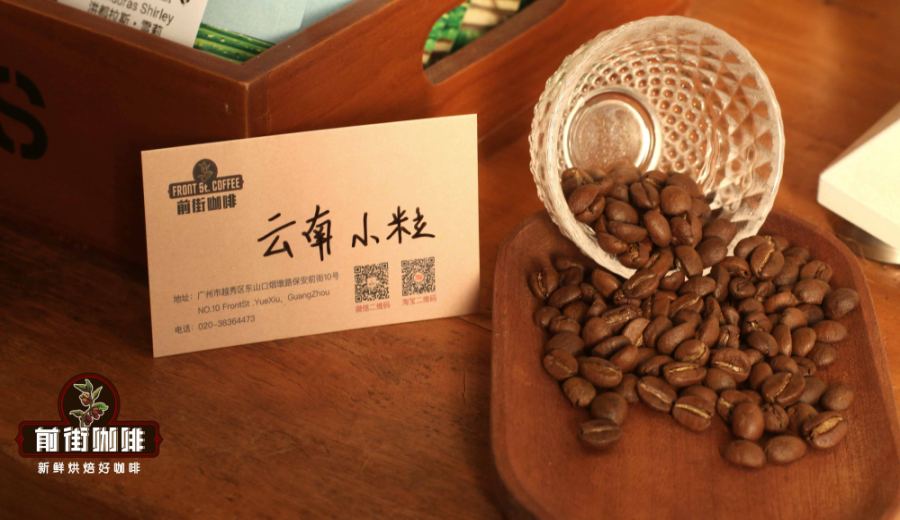
Introduction:As China’s only coffee-growing region with export-scale production, Yunnan is renowned for its nutty, chocolatey, and softly sweet flavor profile, which has earned it widespread acclaim among global coffee enthusiasts. This article delves into the characteristics of Yunnan’s mainstream coffee varieties—Catimor and Typica—and explores how washed and natural processing methods influence their flavors. It also recommends several classic products from local brands, including Yunnan Small Bean, Natural Typica, and Black Cocoa Base Blend, helping readers make more informed choices when selecting Yunnan coffee beans that suit their taste preferences.
Yunnan is China’s only coffee-producing region with export-scale output. Its coffee is characterized by nutty, chocolatey, and gently sweet flavors, presenting an overall balanced and non-aggressive flavor profile. Among the various varieties, Catimor is the most widely planted single variety in the region, particularly when processed using the washed method, which clearly showcases the unique regional characteristics of Yunnan-grown coffee. In contrast, Typica, grown at high altitudes and processed naturally, delivers richer fermented aromas and a smoother mouthfeel. This article will take you on a deep dive into Yunnan coffee’s diversity—from varietal backgrounds, processing techniques, to flavor layers—and recommend several representative products to guide your selection.
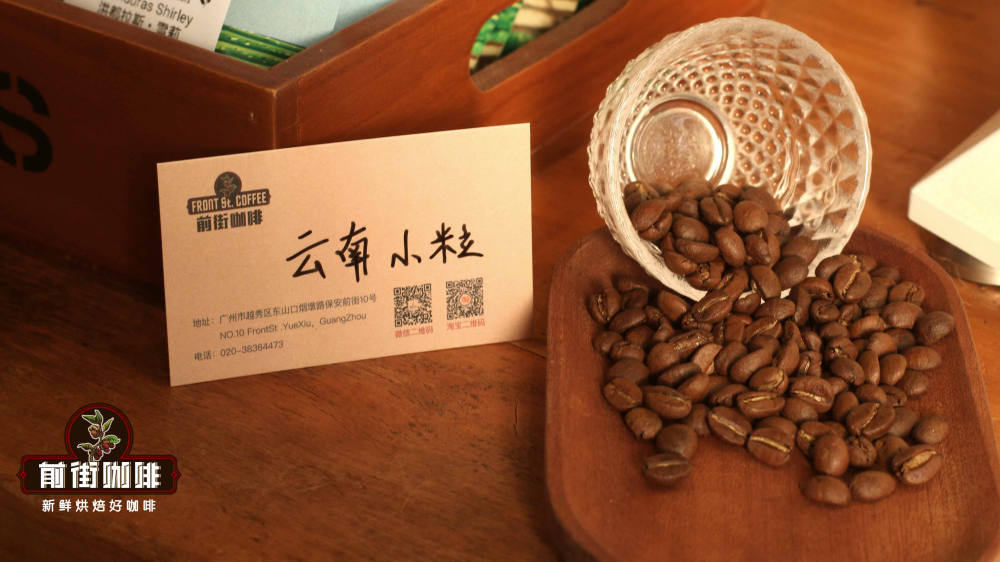
If you want to quickly experience the regional characteristics of Yunnan coffee, a great place to start is Yunnan Small Bean, locally produced in the region. Made from the single Catimor variety and processed via the washed method, this coffee clearly highlights the unique flavor traits of the growing area. Its dry aroma features distinct nuttiness, and after brewing, it reveals layers of chocolate, nuts, and cream, with sweetness dominated by a brown sugar-like note. The overall cup is well-balanced and smooth, making it an excellent entry point for those new to Yunnan-flavored coffee.
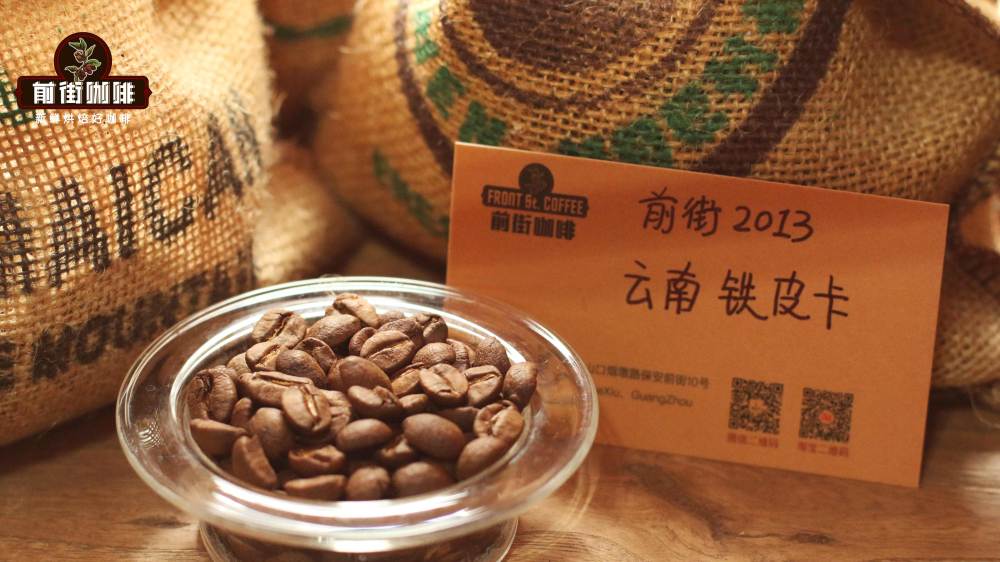
Another notable option is the Natural Typica, introduced by the region in 2013. This variety is cultivated at high altitudes where significant day-night temperature variations slow down fruit ripening, aiding the accumulation of aromatic compounds. Processed using the traditional natural method, the coffee cherries are carefully hand-sorted and then slowly dried in the sun. During this sun-drying process, the pulp and mucilage undergo mild fermentation, imparting intense fermented aromas and a silky texture to the beans. Meanwhile, the natural sugars in the fruit pulp are absorbed by the beans and transformed into captivating sweet notes after roasting. As a result, this Natural Typica often exhibits plum-like acidity, black tea-like body, and a lingering brown sugar sweetness.
It’s worth mentioning that although Yunnan is China’s only coffee-growing region with substantial actual export volume (Hainan coffee largely relies on imports from Vietnam), in recent years, with growing market interest in specialty post-processing methods, Yunnan has also seen the emergence of many innovative processing techniques, bringing new dimensions to its traditional flavor profiles.
From an Asian coffee-growing perspective, compared to Africa and the Americas, Yunnan coffee generally features a flavor profile focused on nuts, chocolate, and subtle herbal notes, with a softer mouthfeel and non-aggressive character—making it highly suitable for everyday drinking. If you’re looking to brew a Yunnan Americano or Yunnan Latte at home, we recommend trying the Black Cocoa Base Blend launched by local brands. This blend combines Yunnan Small Bean with Brazilian Red Bourbon, roasted to a medium-dark level, and offers a complex aroma of cream, almond, plum, cocoa, and cookie upon extraction. With a rich layering of flavors and an overall balanced performance, it’s an ideal choice for pairing with milk or enjoying as a straight black coffee.
The above content is compiled by CoffeeHunters, a coffee news website.


