







Introduction:Golden Mandheling is hailed as the pinnacle representative of Sumatran coffee, yet the market is flooded with imitations. This article delves into the authentic Golden Mandheling certified by Indonesia’s PWN company, covering its regional background, processing methods, roasting and pour over techniques, along with expert cupping flavor descriptions to help you identify the genuine product and master the optimal brewing method.
Golden Mandheling is a top-tier Arabica coffee from the Gayo region of North Sumatra, Indonesia, renowned for its full-bodied texture and bright, lingering aftertaste. However, many commercially available coffee beans labeled as “Golden Mandheling” are not officially certified and merely belong to the general premium Mandheling grade. Only those products strictly selected and certified by Indonesia’s PWN (Pawani) company can be considered authentic Golden Mandheling.
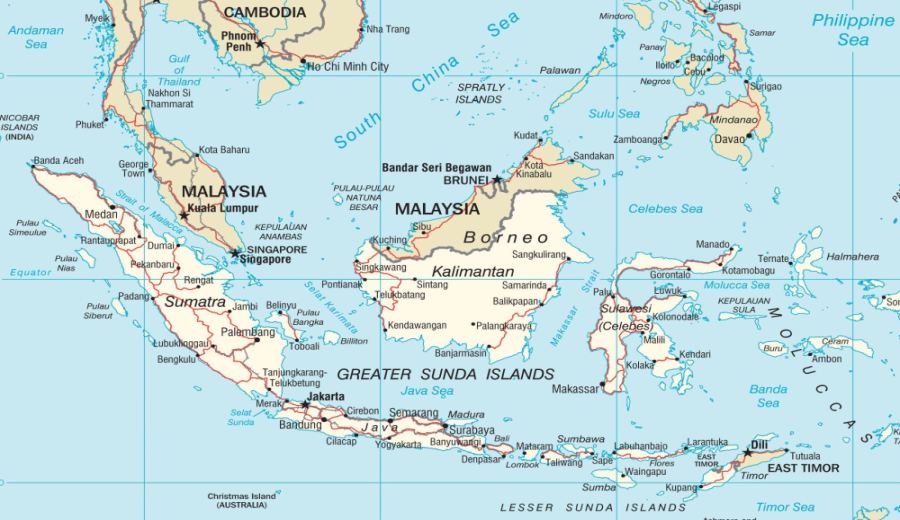
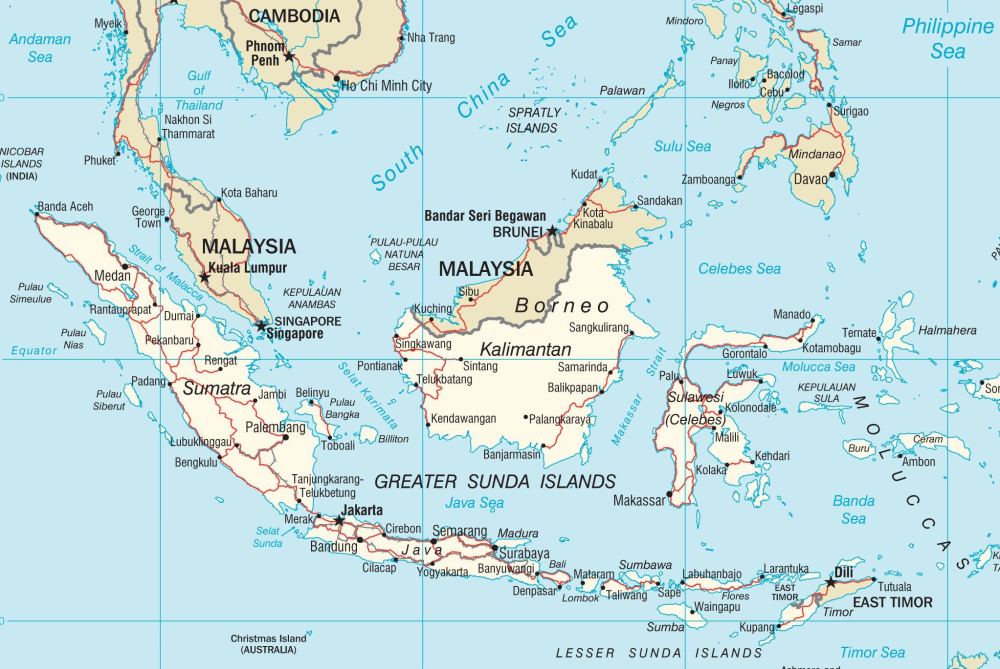
PWN Golden Mandheling uses only coffee beans sourced from the Gayo Mountain region of Sumatra, an area encircling Lake Tawar at elevations between 1100 and 1600 meters. With its cool climate and fertile volcanic soil, it provides an ideal growing environment for Arabica coffee.Coffee farmers in this region often cultivate their trees using shade-grown methods, which help the coffee cherries ripen slowly and accumulate richer flavor compounds.
The name “Golden” originates from the golden hue that green beans exhibit under sunlight. When purchasing coffee cherries, PWN selects only those with high maturity and a size of 18 mesh or above. After initial drying, the beans undergoat least three rounds of manual hand sortingto ensure that no more than three defective beans are found in every 300 grams of green beans, meeting the highest Grade G1 standard.
It is worth noting that PWN has registered a trademark for this brand. Therefore, if a product on the market does not come with PWN certification or official sack labeling—even if it is called “Golden Mandheling”—it is likely just a high-grade premium Mandheling rather than the officially certified version. When purchasing, it is recommended to look for the PWN certification mark to ensure quality.
In terms of processing, Golden Mandheling employs Indonesia’s uniquewet hulling method (Wet Hulling). This technique originated from Sumatra’s humid and rainy climate, where traditional sun drying was hard to control due to unstable weather conditions. Farmers began removing the fruit skin and then hulling off the parchment layer while the beans were still high in moisture, followed by short fermentation and sun drying.
The specific process includes: initially removing the pulp and flesh, then soaking the parchment-covered beans in water to remove floaters, keeping only the denser, higher-quality beans; subsequently fermenting them for several hours to tens of hours to enhance flavor complexity; next drying the parchment-covered beans until their moisture content reaches about 30%-50%, then using a machine to hull off the parchment and accelerate final drying to a moisture level of 12%-15%. During this process, the beans are often compressed into their distinctive “elephant hoof” shape.
The wet hulling process gives Sumatran coffee its deep herbal and woody characteristics. Thanks to PWN Golden Mandheling’s rigorous selection process, the beans are uniform in appearance, allowing for more even heat distribution during roasting. This results in a cleaner flavor profile, a pronounced sweet aftertaste, and rich layered notes.
In terms of variety, common Mandheling often uses the TimTim variety (a hybrid of Timor), which frequently carries the heavy body typical of Robusta, resulting in lower purity. In contrast, PWN Golden Mandheling uses the Ateng variety, a further cross between Timor and Arabica, offering a clearer, purer flavor with a more delicate acidity.
Regarding roasting, since Mandheling’s inherent flavors are bold and low in acidity, this shop typically employsmedium-dark roastingto enhance its rich sweetness and chocolatey finish. According to records, using a Yangjia 800N roaster, the charge temperature is around 200°C. After approximately 10 minutes of roasting, the beans are dropped at 204.5°C to achieve an ideal flavor balance.
If you choose to brew PWN Golden Mandheling at home using a pour over method, it is recommended to usemedium-coarse grind (approximately 70% passing through a Chinese No. 20 sieve), paired witha lower water temperature (around 88°C)to fully highlight its sweet herbal, cinnamon spice, and citrus peel aromas while avoiding over-extraction that could lead to bitterness.
Suggested pour over parameters are as follows: use a KONO filter cone, 15 grams of coffee, a 1:15 coffee-to-water ratio, for a total of 225 grams of water. First, pour 30 grams of hot water for a 30-second bloom, then gently circle to add water up to 125 grams. When the water level drops to one-third, pour the remaining 90 grams to reach 225 grams total, with an overall extraction time of about 2 minutes and 5 seconds. These parameters help balance a full body with clear flavor definition.
Additionally, freshly roasted coffee beans are still actively releasing CO₂ within the first 5 days after roasting. It is recommended to wait approximately 5 days post-roast before brewing to achieve more stable extraction performance.
In summary, the cupping flavor profile of PWN Golden Mandheling reveals sweet herbal notes, cinnamon-like spices, and citrus peel aromas. The cup is full-bodied and intense, with noticeable sweetness, and a finish that carries creamy, walnut, and chocolate tones. The acidity is soft and restrained, and as the temperature cools, the herbal and spicy notes become even more distinct. Overall, it offers a richly layered flavor with a long-lasting aftertaste.
The above content is compiled by CoffeeHunters, a coffee news website.


