








Introduction:Both cold drip and cold brew are beloved low-temperature extracted coffees, but many people mistakenly think their brewing methods are similar. In fact, from equipment design and extraction principles to final flavor profiles, the two have significant differences. This article delves into the production processes, required equipment, suitable types of coffee beans for both cold drip and cold brew, and compares their flavor characteristics and ease of operation, helping you choose the right brewing method based on your needs and understand why cold drip is more commonly seen in specialty shops, while cold brew is better suited for home preparation.
When you're tired of the same old iced Americano or iced latte and want to explore a deeper world of iced coffee, cold drip and cold brew are often the next options you'll encounter. Although they both fall under the category of cold-brewed coffee drinks, they actually differ greatly in terms of equipment setup, extraction logic, and flavor characteristics. This article will fully break down the essential differences between cold drip and cold brew—from principles, equipment, bean selection, to post-processing—and through practical examples, introduce you to the unique charm of these two types of cold drip-filtered coffee.

Broadly speaking, iced coffee includes not only the common iced Americano and iced latte, but also items such as pour-over iced coffee, cold brew, and cold drip. Among them, cold drip coffee is often shrouded in an air of mystery due to its long brewing time, higher price, and unique flavor profile. Many people are both curious and hesitant about it, mainly because of its complex brewing process and premium positioning.
Although both cold drip and cold brew use cold water for extraction, their actual brewing methods are completely different. Cold brew, also known as cold water extraction coffee, is the most user-friendly method: simply mix ground coffee with cold water in the correct ratio, place it in the refrigerator for several hours, then filter out the coffee grounds. Since the steps are simple and almost no special tools are needed, anyone can easily make it at home as long as they have coffee beans or coffee powder on hand.
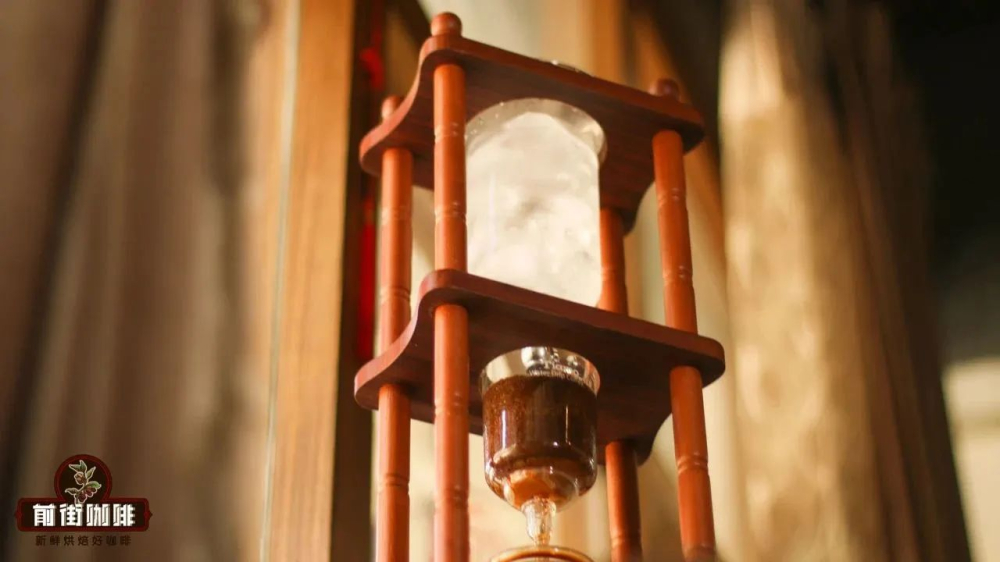
In contrast, cold drip coffee takes a more refined and technically oriented approach. A traditional cup of cold drip requires the use of a dedicated cold drip brewer. This type of equipment generally has a three-tier structure—top, middle, and bottom—where ice water, coffee grounds, and a container to collect the dripping coffee are placed from top to bottom in sequence. Cold drip is a type of continuous-dripping low-temperature extraction method that relies on controlling the drip rate to allow the coffee grounds to be continuously and slowly extracted.
In terms of bean selection, cold drip doesn’t have extremely strict limitations, but if you want to highlight pronounced fermented wine-like aromas and rich fruity notes, it’s recommended to prioritize coffee beans with prominent fruity characteristics. For example, cold drip made with beans from the Kenyan region often carries distinct berry acidity and a rich juice-like sensation; switching to the Sidamo variety tends to extract refreshing flavors of passion fruit and grapes; and certain beans with special processing methods, such as strawberry sugar-flavored beans, when processed through cold drip, can even better showcase soft floral notes and tropical fruit fermentation layers.
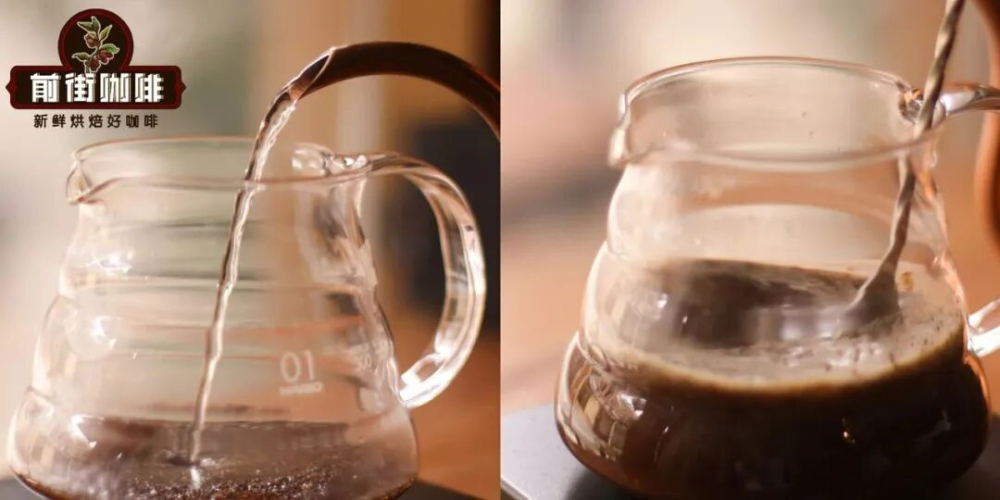
As the name suggests, cold drip coffee not only emphasizes the use of “ice,” but also relies on the precise control of the “drip.” The upper part of a cold drip brewer is usually equipped with an adjustable valve to control the dripping rate of the ice water, ensuring that the coffee grounds are immersed and extracted in a stable and prolonged state. The entire process may take several hours or even more than ten hours, until the desired amount of coffee liquid is reached or the ice water has completely dripped out. However, the freshly extracted cold drip coffee liquid usually cannot be consumed immediately—it’s recommended to refrigerate it for a period of time to allow it to mature, which helps enhance the flavor, making it richer, smoother, and more layered.
Overall, making a standard cup of cold drip coffee involves not only specialized equipment, but also drip rate control, parameter adjustments, and long waiting times, making the process relatively complex. Cold brew, on the other hand, has almost no barrier to entry—just a few simple steps, and even beginners can easily get started. This is one of the reasons why cold drip is more commonly found in specialty coffee shops, while cold brew has become the top choice for home brewing.
It’s worth mentioning that whether it's cold drip or cold brew, since both use cold water (usually below 5°C) as the extraction medium, they can effectively suppress the release of substances in coffee that tend to cause bitterness, thereby delivering a cleaner and smoother taste profile. For drinkers who enjoy delicate, low-acid, and layered flavors, these two types of cold drip-filtered methods are definitely worth trying.
The above content is compiled by CoffeeHunters, a coffee news website.


