







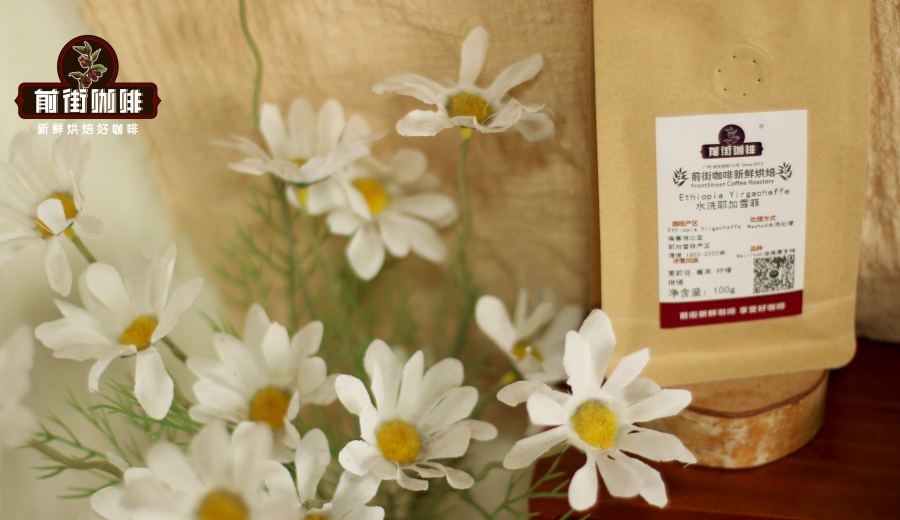
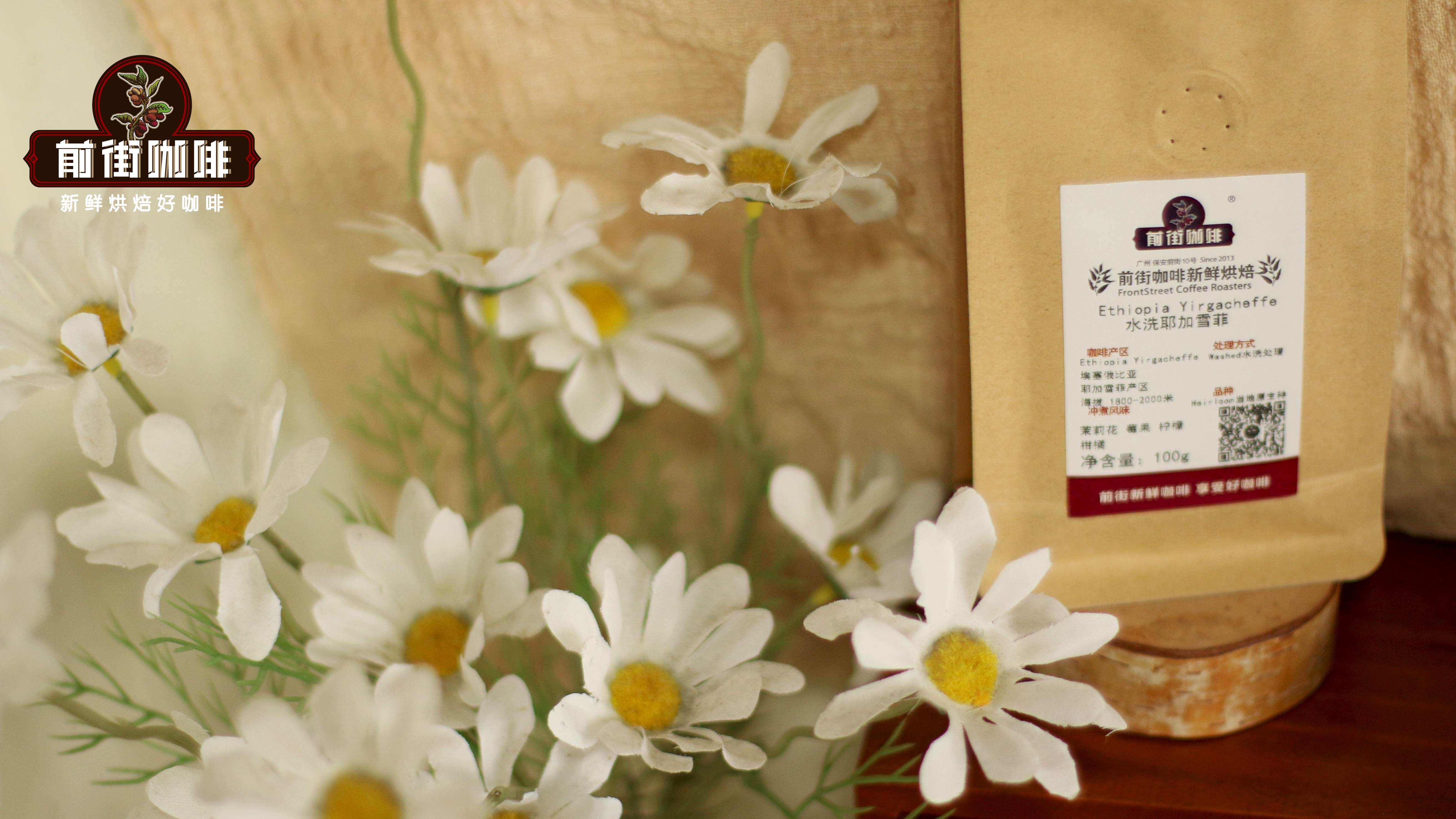
Introduction:Yirgacheffe is one of Ethiopia’s most iconic specialty coffee regions, renowned for its distinctive citrus notes and floral-fruity aromas. This article delves into the origins of its name, the terroir, climate advantages, and the evolution of processing methods. It also provides a detailed comparison of the flavor profiles between washed and natural processed beans, along with practical pour over parameters and roasting recommendations to help coffee enthusiasts fully appreciate the charm of this classic single origin.
Yirgacheffe is a well-known coffee town in the Gedeo Zone of southern Ethiopia and a name familiar to specialty coffee lovers worldwide. The origin of its name carries deep meaning — in ancient language, “yirga” means “to settle down,” and “cheffe” refers to “wetland.” Together, they signify “making a home in this wetland,” reflecting the local people’s reverence for their natural environment and peaceful life.
Yirgacheffe is part of the Gedeo Zone within the Sidamo administrative region and is one of Ethiopia’s most prestigious coffee-producing areas. Not only is it a major source of the country’s specialty coffee, but it is also considered a flavor holy grail among global pour over enthusiasts. Its coffee is celebrated for its bright acidity, delicate floral notes, and unique citrus character — flavors that are refreshing and truly unforgettable.
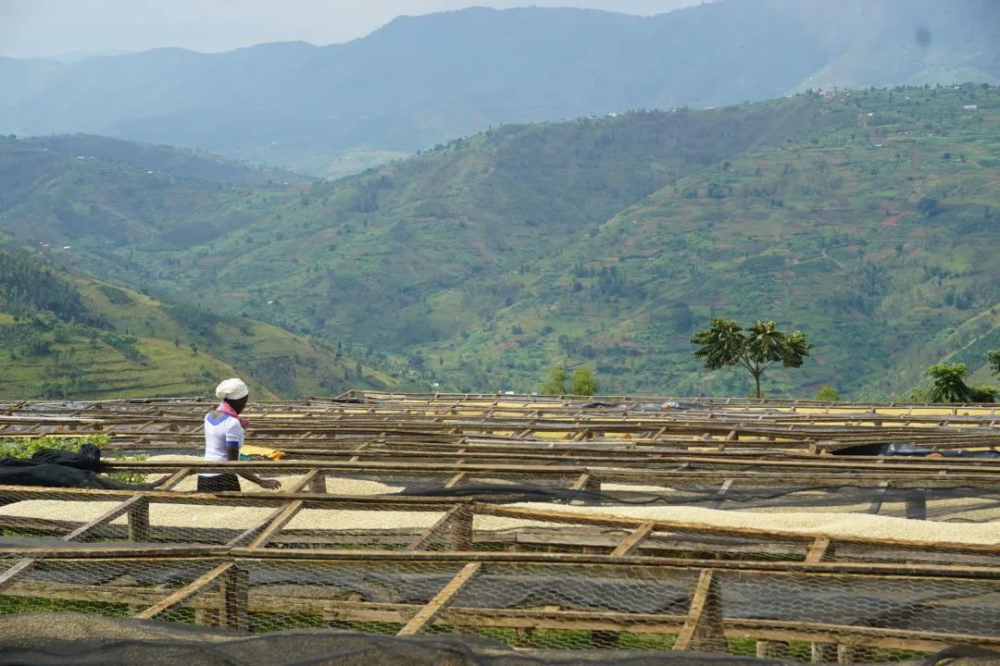
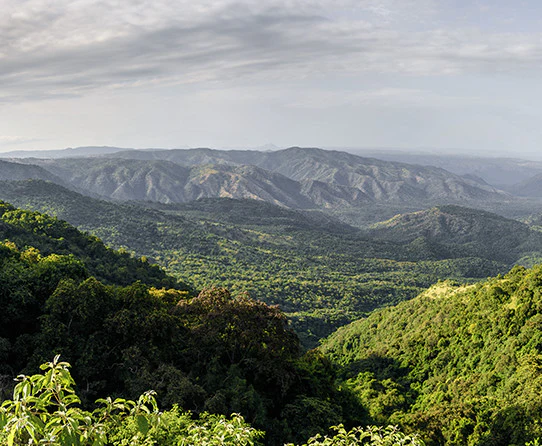
Ethiopia is the birthplace of coffee globally and boasts unparalleled geographical and climatic conditions. The majority of the country consists of highland terrain, with over 80% of the land situated at elevations above 1,500 meters. The Ethiopian Highlands are even hailed as the “Roof of Africa,” with an average altitude close to 3,000 meters. Although located in the tropics, the high elevation results in year-round temperatures ranging between 9.7°C and 25.5°C, with an annual average of about 16°C — ideal for growing Arabica coffee.
The town of Yirgacheffe sits at an altitude of approximately 1,700 to 2,100 meters. With spring-like weather all year round and significant day-night temperature variation — sunny days and cool nights — the environment allows coffee cherries to ripen slowly, accumulating richer flavor compounds. In addition, the area is often shrouded in mist, and its humid microclimate provides optimal growth conditions for coffee trees.
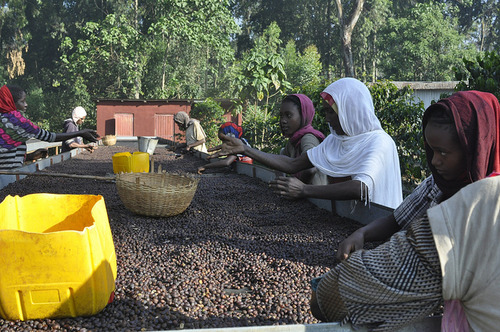
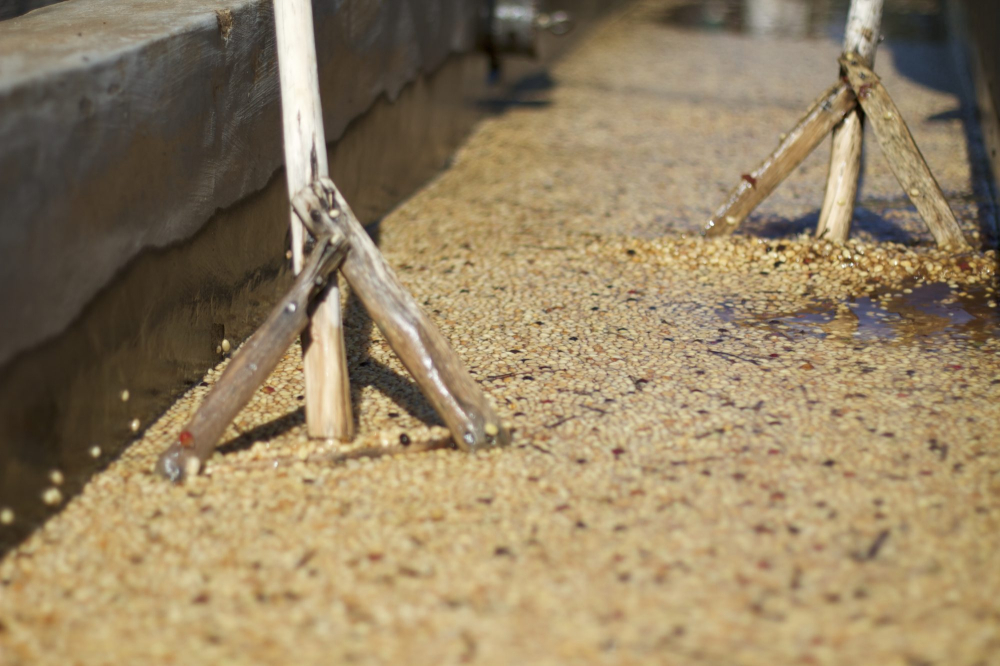
In the early days, Yirgacheffe primarily used the natural (dry) processing method for its coffee beans. This approach is straightforward: coffee cherries are simply spread out in the sun to dry. However, in the past, cherries were often dried directly on the ground without meticulous sorting or floatation, leading to inconsistent bean quality. The process could take anywhere from ten to twenty days. By the 1970s, with the establishment of the first washing station in the Sidamo region, the area gradually shifted toward washed processing, marking a new chapter in the flavor profile of Yirgacheffe.
Washed processing requires a stable water supply and well-developed facilities, with each step demanding precise execution. After the coffee cherries are depulped, they enter fermentation tanks where mucilage is removed through fermentation. Then, through washing and manual sorting, every bean is ensured to be clean and flawless. Though more costly, this method significantly reduces defect rates, resulting in cleaner, brighter cup profiles with soft, layered acidity.
Washed Yirgacheffe typically features pronounced citrus acidity — such as lemon and lime — paired with white floral notes like jasmine or lily, while the finish often carries a honey-like sweetness. These characteristics make it a popular choice for many pour over beginners. The image below shows classic washed Yirgacheffe green beans, which exhibit a vivid green color and uniform, clean appearance.
In contrast, naturally processed Yirgacheffe presents a distinctly different flavor profile. This method involves drying the coffee cherries with their pulp intact in the sun, allowing the beans to absorb more sugars and flavors from the fruit. Naturally processed Yirgacheffe usually has a richer sweetness and more complex flavor layers, often showcasing notes of ripe fruits like blueberries and mangoes. The finish may sometimes include hints of black tea or candy-like sweetness. While its overall cleanliness is slightly lower than washed, this also adds a sense of body and complexity.
If you’re new to Yirgacheffe and just starting with pour over, it’s recommended to begin with the washed version. Its clear flavors and balanced acidity-sweetness are easier to grasp. Once you’re familiar, you can then try the natural version to experience its more intense fruitiness and sweetness, and to explore the uniquely captivating yet different characteristics of the two processing methods.
In terms of roast level, Yirgacheffe is generally roasted to a medium-light degree, which helps preserve its inherent flavors and enhances the expression of floral-fruity notes and acidity. For brewing, it is recommended to use a V60 filter cone with a pulse pouring technique to fully showcase its vibrant acidity and delicate layers.
Recommended brewing parameters are as follows: use 15 grams of coffee grounds, with a brew ratio set between 1:15 and 1:16, adjusted according to personal taste preference. If you prefer a cleaner, more pronounced floral-fruity taste, opt for 1:16; if you desire a richer flavor, go with 1:15. The grind size should be medium-fine, similar to the size of fine sugar, with a reference of about 80% extraction through a Chinese No. 20 sieve. Water temperature should be controlled at 90–91°C to help highlight flavors clearly and avoid over-extraction.
For the specific brewing process, a three-pour method is recommended: start with a bloom using twice the amount of coffee grounds in water (about 30 grams) for approximately 30 seconds to release the coffee’s aroma. Next, pour in a small, steady stream in a circular motion from the center outward until you reach 125 grams, then wait for the water level to drop to about halfway in the filter cone. Finally, pour up to 225 grams. The total brew time should be around 2 minutes. After brewing, gently swirl the server to mix the coffee evenly, then start tasting from a high temperature to gradually experience the evolving flavors.
In summary, Yirgacheffe is not just a place name, but a symbol of flavor. From its origin story rooted in wetland settlement, to the bright fruit acids and floral notes nurtured by high altitudes, to the diverse expressions brought by washed and natural processing — this coffee bean is undoubtedly an excellent starting point for exploring Ethiopia’s specialty coffee. Whether you're a pour over novice or a seasoned coffee enthusiast, you’ll find your own flavor story within it.
The above content is compiled by CoffeeHunters, a coffee news website.


