







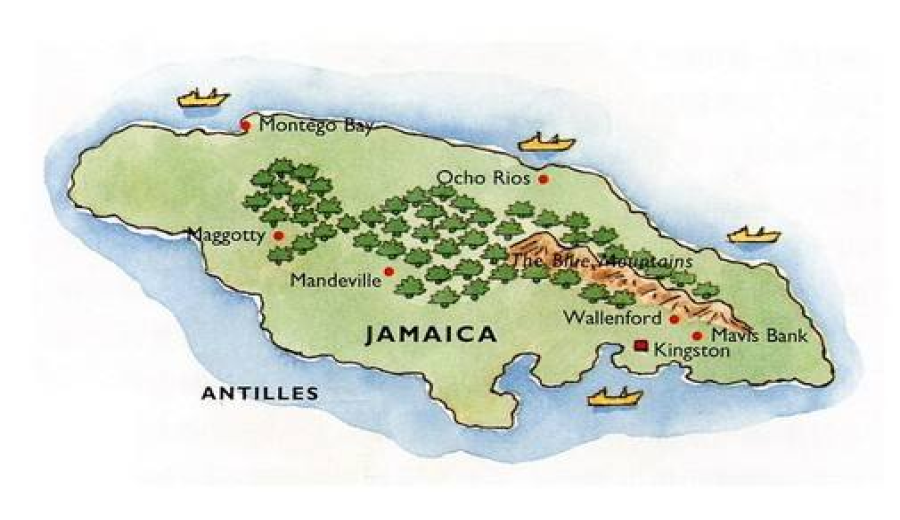
Introduction:Jamaica Blue Mountain coffee is hailed as one of the world’s top-tier coffees, renowned for its exceptional balance of acidity, sweetness, bitterness, and body, along with its delicate mouthfeel. However, due to its limited production, the quality of Blue Mountain coffee available on the market varies considerably. This article provides an in-depth analysis of the growing regions, the four grade classifications, the unique flavor characteristics, recommended pour over parameters, and expert tips for authentic identification, offering a comprehensive understanding of this legendary coffee.
Jamaica Blue Mountain Coffee is the dream bean for coffee enthusiasts worldwide, celebrated for its perfect harmony of acidity, sweetness, body, and bitterness. With its elegant aroma and silky, refined taste, it is a top choice among many specialty coffee connoisseurs. However, the actual growing area for genuine Blue Mountain coffee is extremely limited, and its annual output is scarce, leading to a proliferation of counterfeit products on the market. Therefore, understanding the origin, grading system, and authentication methods of Blue Mountain coffee is especially crucial for quality-conscious consumers.
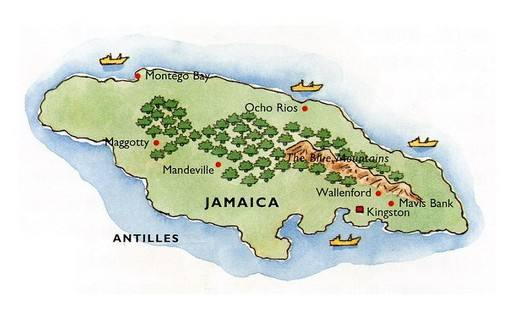
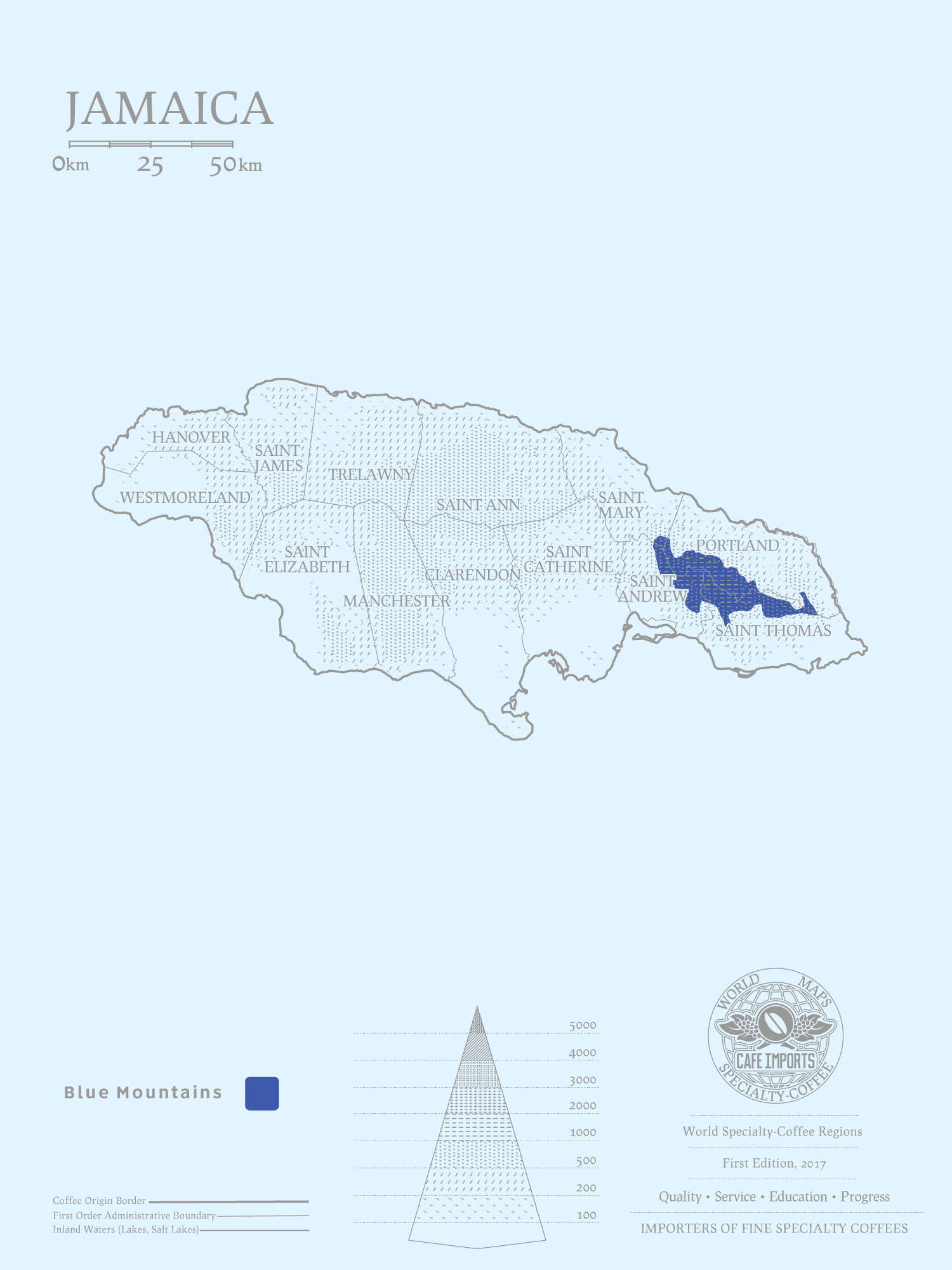
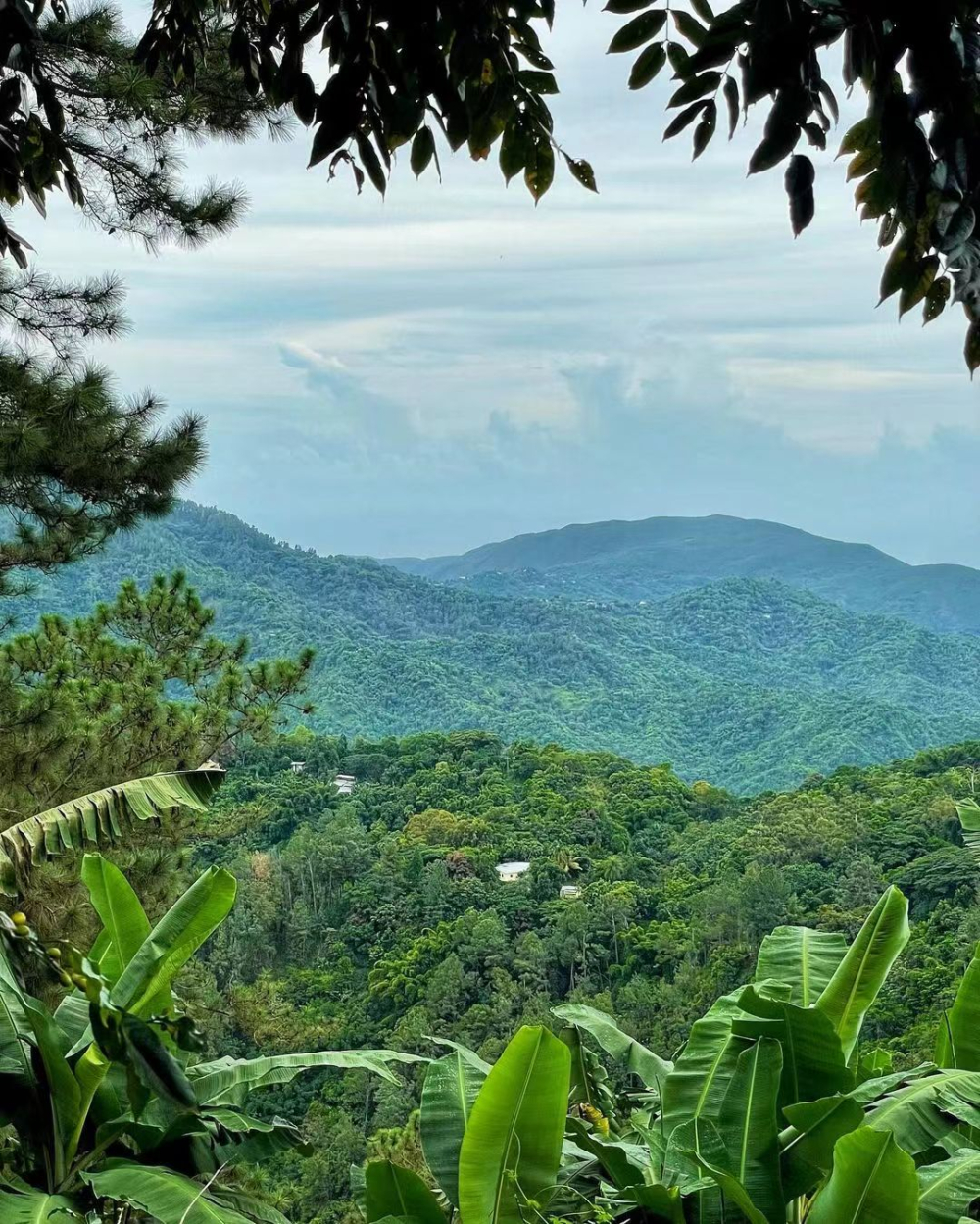
The cultivation of Blue Mountain coffee is concentrated in the Blue Mountains region in eastern Jamaica, located northeast of the capital, Kingston. To qualify as Blue Mountain coffee, the beans must be grown at elevations above 1,000 meters. The total planting area of Blue Mountain coffee is only about 6,000 hectares, which is quite limited. In contrast, the surrounding highland and lowland areas, which grow high mountain supreme coffee and regular premium coffee respectively, cover twice the area of the Blue Mountain zone and account for over 70% of the country’s total coffee production. As a result, even locally, it is difficult to easily purchase genuine Blue Mountain coffee.
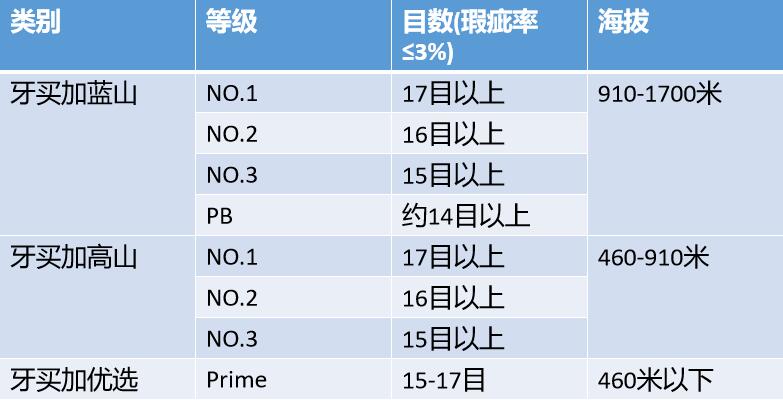
The Blue Mountain region can be further divided into three sub-regions: St. Andrew, Portland, and St. Thomas. Among them, the St. Andrew region is the most representative. In addition, only coffee grown at elevations above 910 meters qualifies to be named “Jamaica Blue Mountain Coffee,” a standard strictly regulated by the official body CIB (Coffee Industry Board).
Blue Mountain coffee is classified into four grades based on quality: NO.1, NO.2, NO.3, and PB (Peaberry). Among these, NO.1 is the highest grade, featuring intact beans with an extremely low defect rate—commonly referred to as “Blue Mountain No.1” in the market. PB refers to peaberry beans, which are formed due to abnormal development and are relatively rare. Coffee grown at elevations below 666 meters is categorized as “High Mountain Supreme,” which, while not authentic Blue Mountain, still delivers excellent flavor and is a common, cost-effective alternative on the market.
The cultivation environment of Jamaica Blue Mountain coffee is exceptionally favorable, with high altitude, frequent fog, annual rainfall reaching 1,980 millimeters, and fertile volcanic soil—all contributing to the coffee’s unique flavor profile. Local farming practices often involve mixed cultivation on terraces, where coffee trees coexist with crops such as bananas and avocados, helping to maintain ecological balance and microclimatic stability. The harvesting of coffee cherries relies entirely on skilled labor, with only fully ripe red cherries selected to ensure flavor consistency.
From depulping and fermentation to washing, drying, and storage, every step is strictly controlled. Particularly during the drying phase, the moisture content of the coffee beans must be maintained between 12% and 14%. The process avoids direct sunlight, with beans typically dried slowly on cement floors or mats. The resulting green beans are usually stored in wooden barrels, awaiting export or further roasting.
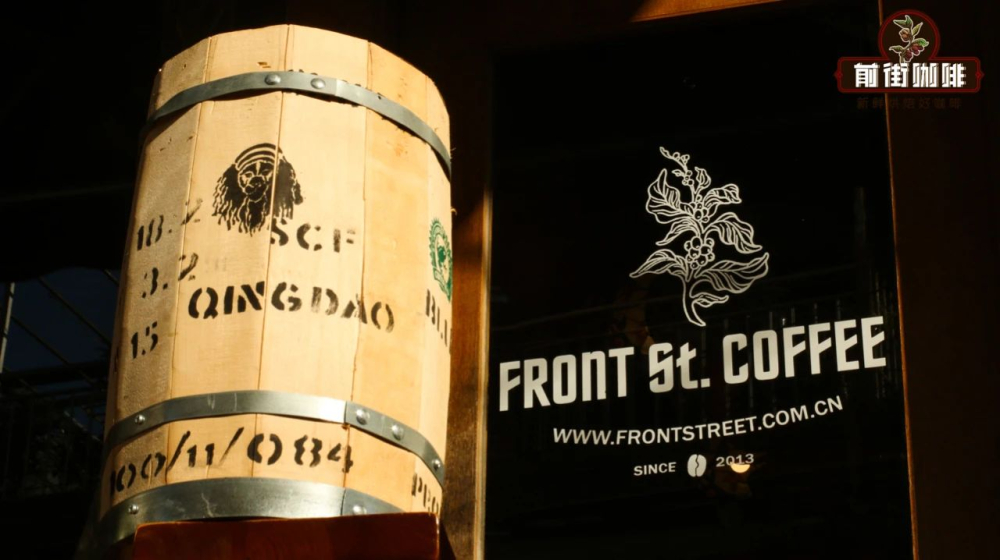
The trade and transportation of Blue Mountain coffee follow special regulations. For export, the beans must be packed in antique-style wooden barrels with a capacity of 70 kilograms. These barrels are designed with reference to traditional Bourbon barrels, and each is clearly labeled with origin and certification information. Before export, the Jamaica Coffee Industry Board issues relevant certificates, including quality certificates, origin certificates, and authorized sales documents, ensuring the authenticity of each batch of Blue Mountain coffee. Notably, the majority of Blue Mountain coffee is currently purchased by the Japanese market, accounting for over 90% of global Blue Mountain exports, making its availability in overseas markets very limited.
Identifying genuine Blue Mountain coffee beans can be approached from multiple aspects: First, appearance—green beans are emerald green, with uniform size and a slight curve; roasted beans appear larger and plumper. When hand grinding, the thin cell walls of high-altitude-grown Blue Mountain beans make for a crisp and smooth feel. In terms of aroma, authentic Blue Mountain coffee boasts a rich and layered fragrance, whereas counterfeit products tend to have a flat or chaotic scent. Furthermore, in terms of taste, true Blue Mountain coffee exhibits an exceptionally balanced profile, with acidity, sweetness, bitterness, and body all in perfect harmony—nothing stands out excessively or is lacking. The aftertaste often carries a soft fruity acidity.
To further confirm the authenticity of Blue Mountain coffee, you may request the provider to supply official certification documents, such as quality certificates issued by the Jamaica Coffee Board, authorized sales certificates from the producer, or certificates of origin. These documents specify the origin, batch, and quantity, and are issued only after official sampling and inspection.
For brewing, it is recommended to use a KONO filter, with 15 grams of coffee, water temperature around 88°C, grind size passing 75% through a Chinese No. 20 sieve, and a water-to-coffee ratio of approximately 1:15. The total extraction time should be controlled to around 1 minute and 30 seconds. Begin with a 30-second bloom using 30 grams of water, then proceed with two pours to reach 120 grams and 225 grams respectively. Pay attention to controlling the water flow rate and swirling technique to minimize channeling and enhance extraction evenness.
The final brew of Blue Mountain coffee is exceptionally clean and clear in flavor. It has a soft and delicate mouthfeel, with notable sweetness and a strong chocolatey tone. It has a full body, gentle acidity that is never sharp, and a lingering aftertaste with hints of subtle fruitiness. It is a top-tier coffee well worth savoring slowly.
The above content is compiled by CoffeeHunters, a coffee news website.


