







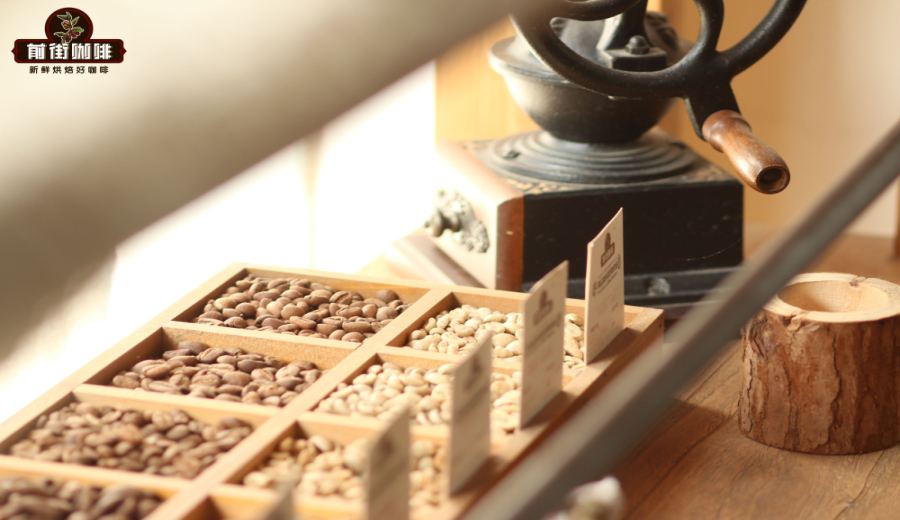
Introduction:Since its introduction in the early 20th century, Yunnan coffee has undergone a transformation from being dominated by Catimor to the revival of specialty Typica. This article delves into the variety characteristics and flavor profiles of Yunnan’s small-grain coffee, and provides a detailed guide to the pour over brewing parameters and tasting experience of sun-dried Typica, helping you grasp the unique coffee flavors nurtured by this diverse landscape.
In China’s southwestern border province of Yunnan, although coffee cultivation has a history of over a hundred years, it has only gained increasing attention from coffee enthusiasts in the past decade or so. From the initial trial plantings in the early 20th century, to Catimor becoming the mainstream variety, and then to the establishment of estates growing Typica in Lincang driven by the specialty coffee trend, the development path of coffee in this land has been both winding and uniquely distinctive. Let’s take an in-depth look at the evolution of Yunnan coffee cultivation, variety differences, flavor expressions, as well as the specific pour over brewing parameters and flavor experiences of sun-dried Typica, exploring how the biologically diverse region of Yunnan has given rise to a uniquely Chinese coffee.
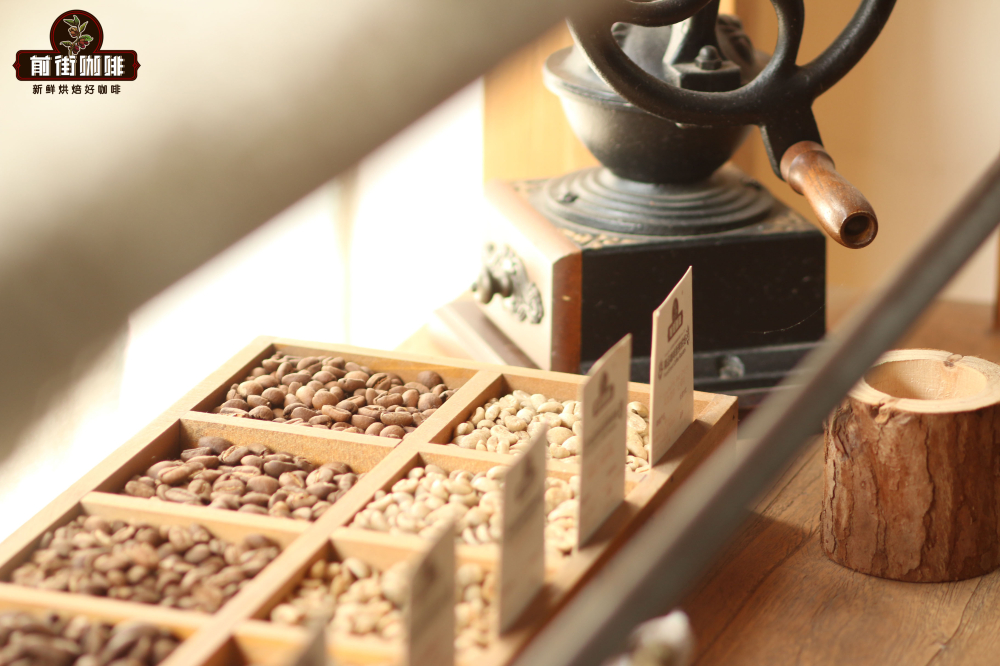 For many accustomed to life in the urban centers of China’s eastern coastal regions, it may have never occurred to them that there are areas within China suitable for coffee cultivation. It is only when you venture into the rural countryside of southern Yunnan, with its layers of lush green mountains and crystal-clear streams running through them, that you truly sense the region’s potential for cultivation.
Yunnan small-grain coffee is renowned for its “aromatic yet not overpowering, strong yet not bitter” qualities. Compared to established producing regions such as Ethiopia and Indonesia—where coffee has long been world-renowned—Yunnan coffee has only gradually emerged on the scene over the past decade or so. Most traditional coffee-producing regions boast centuries or even longer histories of cultivation, while coffee cultivation in Yunnan can be traced back to the late 19th to early 20th century.
This region, with its surreal karst landscapes, not only boasts magnificent natural scenery but is also one of the areas in China richest in flora and fauna. After foreign coffee beans had long dominated the Chinese market, Yunnan coffee beans have finally come into their own moment in the spotlight. Although coffee may not be the most prominent among Yunnan’s many crops, it is undoubtedly one of the most distinctive.
With the popularity of the movie “Coffee or Tea?” (一點就到家), more and more Chinese people have come to realize that China also has land capable of producing high-quality coffee beans. In industry shops, it is common for customers to walk in and ask, “Do you have Yunnan small-grain coffee beans?” Among the shelves displaying coffee beans from over fifty producing regions, Yunnan, as the representative of China’s specialty coffee, naturally holds a place of its own.
With the popularization of specialty coffee concepts, consumers have begun to pay attention to the influence of origin and variety on flavor. However, most Yunnan coffee beans on the market still primarily consist of the Catimor variety.
As early as the 1950s, China experienced its first wave of large-scale coffee planting enthusiasm, when purebred Arabica coffee was introduced from Myanmar, covering a planting area of about 4,000 hectares. By the 1970s, a large-scale outbreak of coffee leaf rust occurred, leading to the successive death of vast coffee tree plantations. In response, local agricultural institutions introduced the Catimor variety for promotion, which eventually became the mainstay of Yunnan coffee due to its disease resistance and adaptability. By the late 1980s, the Yunnan government partnered with Nestlé to further boost the planting scale of Catimor, at one point accounting for as much as 90% of production.
Han Huai-zong described Yunnan coffee in his book “The Craft and Science of Coffee” as having a “devilish aftertaste,” which is closely related to its main variety, Catimor. Catimor is a hybrid of the Timor variety (a cross between Arabica and Robusta) and Caturra (a mutation of Bourbon), thus carrying Robusta lineage in its genes, which also influences its flavor profile.
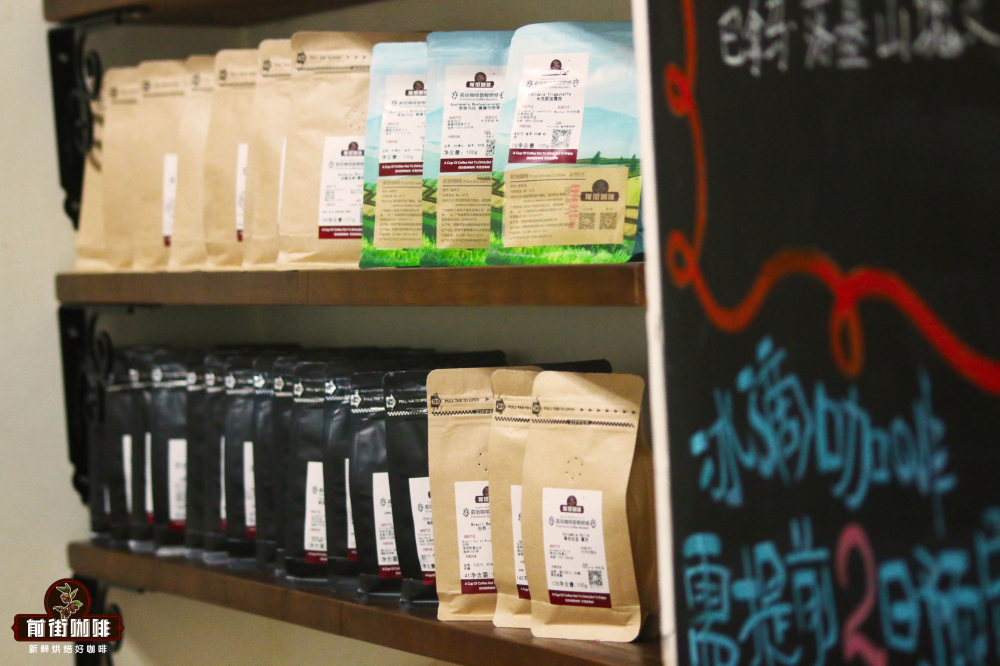
Specialty coffee emphasizes “seven parts variety, three parts environment.” These key elements are clearly labeled on every bag of coffee beans in the industry, allowing you to understand basic information such as origin, variety, and altitude without even asking. Scanning the QR code can also provide more details about the origin and brewing recommendations.
To gain a deeper understanding of specialty coffee, not only has [he/she/they] engaged in related research, but also traveled to Lincang in Yunnan to establish a personal coffee estate.
In the Lincang estate, the most original Arabica variety—Typica—is planted. Since the 15th century, Typica has been popular in many coffee-consuming countries around the world, known for its elegant and layered flavors. In addition, the estate has also experimentally planted small amounts of other varieties such as Bourbon.
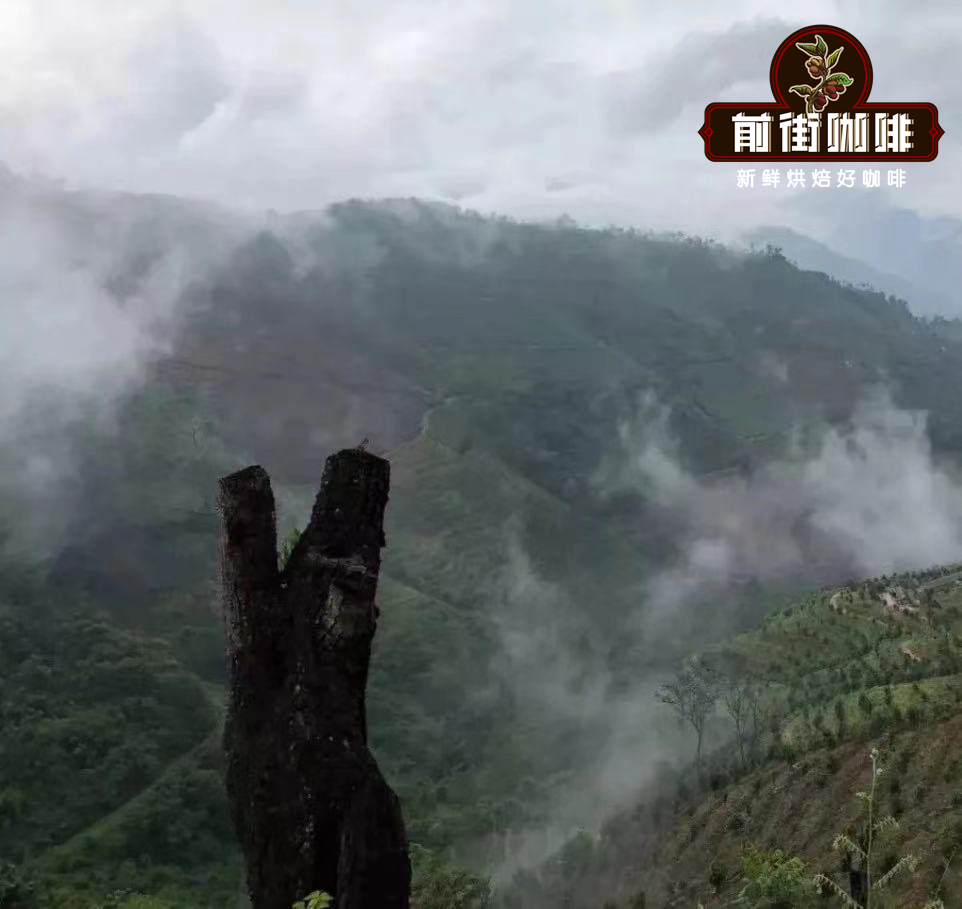
The terrain in southwestern Yunnan is complex, with continuous high mountains and ever-changing weather. Within this karst landscape, the estate’s Typica coffee trees enjoy nourishment from abundant rainfall, mild temperatures, and fertile soil.
When variety advantages are fully realized, the microclimate environment becomes a key supporting factor. Under these unique microclimatic conditions, the sun-dried Typica coffee beans showcase intense sweetness and rich layering.
Yunnan Sun-Dried Typica Coffee Beans
Origin:Lincang, Yunnan, China
Estate:Industry Lincang Estate
Elevation:1300 meters
Variety:Typica
Processing Method:Sun-dried
When roasting this sun-dried Typica, a medium roast was employed to highlight the rich aroma of Yunnan coffee while avoiding excessive heaviness. The following brewing parameters are recommended:
- Dripper:Hario V60
- Water Temperature:88 degrees Celsius
- Coffee Grounds:15 grams
- Coffee-to-Water Ratio:1:15
- Grind Size:75% passing rate through a standard Chinese No. 20 sieve
The 12 long and 12 short ribs of the Hario V60 dripper effectively guide the water flow, resulting in a brighter cup and also lending a softer acidity to the medium-roasted sun-dried Typica.
The shipped coffee beans are all freshly roasted within 5 days and usually undergo a 4 to 7-day resting period after logistics transportation. However, at this stage, the beans still contain a significant amount of carbon dioxide, which can affect hot water penetration and flavor extraction. Therefore, it is recommended to perform a bloom before brewing to facilitate smooth degassing.
Specific operation: pour 30 grams of hot water for a 30-second bloom, then slowly circle the water from the center outwards with a thin stream until reaching 125 grams, and continue pouring until reaching 225 grams as the water level is about to expose the coffee bed, with a total extraction time of approximately 2 minutes.
Yunnan sun-dried Typica brewed with the above parameters delivers a gentle berry-like acidity upon entry, with distinct nutty tones, a sweet aftertaste as smooth as brown sugar, and a clear black tea-like finish.
The above content is compiled by CoffeeHunters, a coffee news website.


