







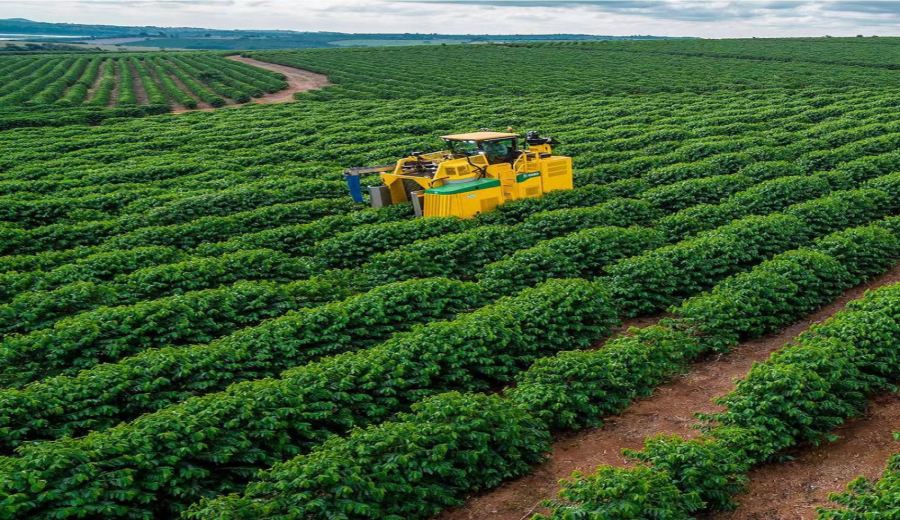
Introduction:Want to uncover the flavor secrets of Brazilian specialty coffee? This article delves into the geographical advantages, soil conditions, and characteristics of the Yellow Bourbon variety in the Cerrado region, and analyzes the unique flavor profile of the Queen Estate’s natural processed beans. It also provides practical pour over recommendations, including extraction parameters using a Kono dripper with 88°C water temperature, to help you brew a rich and smooth Brazilian coffee.
Brazil has long ranked first in global coffee production, yielding approximately 2.7 million metric tons of coffee beans annually, accounting for one-third of the world’s total supply. However, Brazil’s geography and climate were not originally particularly suited for coffee cultivation—there are few high-altitude areas, the climate is relatively dry, and the terrain is rather uniform. Despite these challenges, through years of variety improvement and soil management, Brazil has successfully cultivated a number of unique-flavored and quality-stable coffee beans, among which the Cerrado region is a key representative.
Cerrado is located on the Brazilian central plateau and falls within the vast tropical savanna climate zone (Cerrado), mostly consisting of plateaus with an altitude of around 1,000 meters. The region has distinct wet and dry seasons, notable day-night temperature variations, and fertile, mineral-rich soils, all of which contribute to coffee beans with intense flavors and a full-bodied mouthfeel. The coffee produced here often features notes of nuts, chocolate, and subtle caramel, with low acidity and a clean aftertaste—making it highly suitable for coffee lovers who enjoy a rich cup.
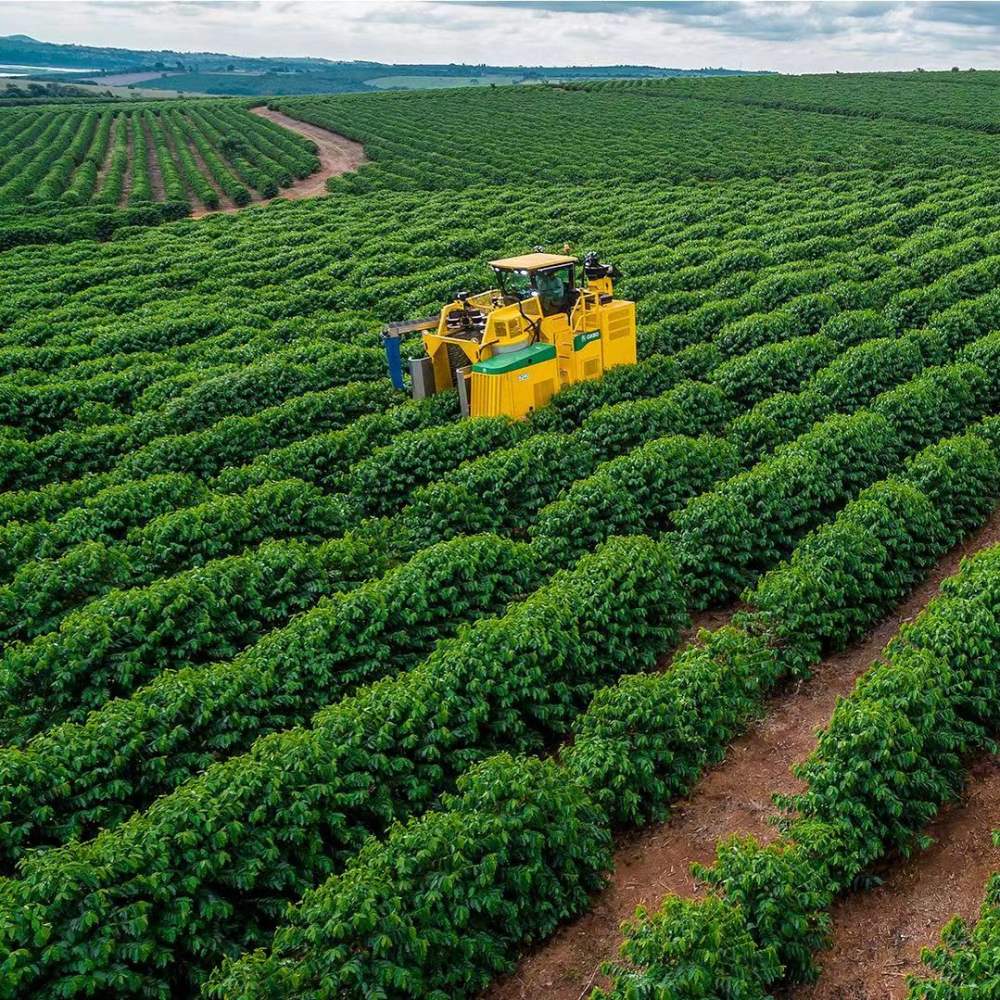
Among the many Brazilian coffee regions, South Minas and Cerrado are particularly renowned. Especially Cerrado, which is part of Minas Gerais, features expansive highland plateaus with flat terrain ideal for large-scale farm operations. The coffee farms here mostly use washed or semi-washed processing methods, resulting in stable green bean quality with clear flavor profiles. The finish often carries a hint of genmaicha-like fragrance, occasionally accompanied by delicate milkiness or nutty sweetness.
Although Brazil has as many as 14 well-known coffee regions spread across seven states in the south and central regions, Cerrado, due to its geographical and processing advantages, has consistently been a stable source of high-quality commercial and specialty coffee in the export market. Compared to other lower-altitude areas, Cerrado’s average elevation and favorable microclimate make it one of the representative regions for Brazilian specialty coffee.
When it comes to iconic coffee estates, Fazenda Rainha (Queen Estate) is located in the Mogiana region of São Paulo state and is an important producer of the Yellow Bourbon variety. The estate spans 280 hectares of planted area, with 200 hectares dedicated exclusively to Yellow Bourbon, making it a major cultivation base for this variety in Brazil. The Yellow Bourbon beans from Fazenda Rainha are typically processed via the natural method, grown at altitudes between 1,400 and 1,950 meters, which contributes to their unique aroma and flavor expression.
This Yellow Bourbon coffee from Fazenda Rainha, after being tasted by our team, shows a remarkably pronounced sweetness in the finish. A medium roast level effectively highlights its nutty aroma and full-bodied taste, while in the cooler stages, one can also perceive a faint trace of acidity, along with complex flavors reminiscent of fermented fruits. Such characteristics have made it a recommended daily drinker or pour over choice for many specialty coffee shops.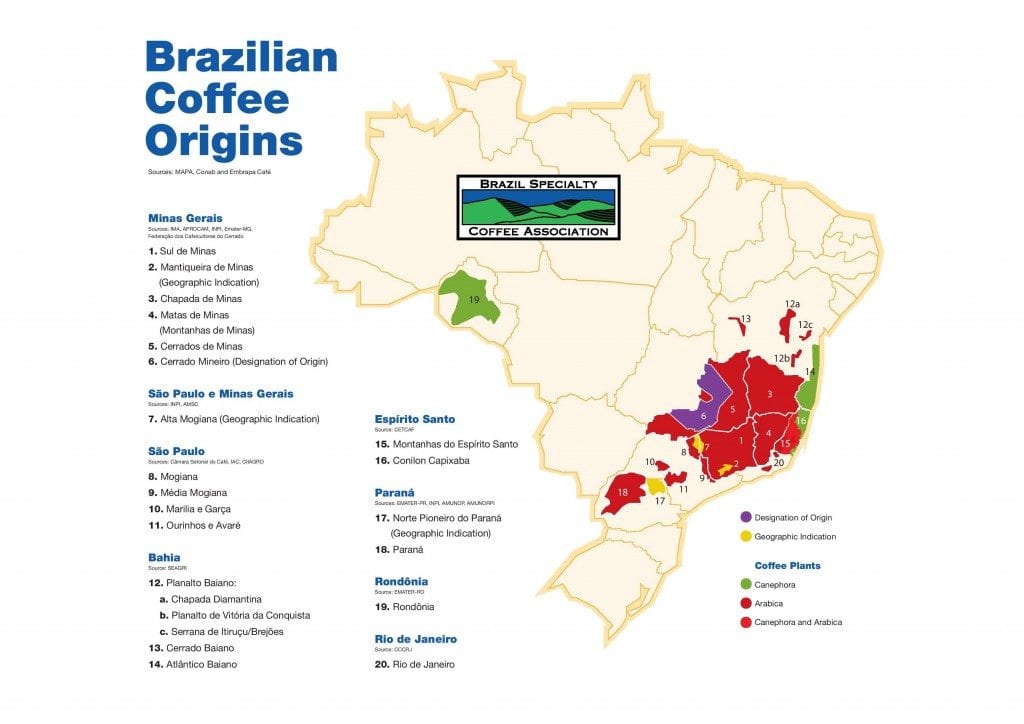
In addition to Cerrado and Fazenda Rainha, Minas Gerais is also a powerhouse of Brazilian coffee production, with the state’s output accounting for nearly half of the national total. This region experiences dry winters and rainy summers, with distinct wet and dry seasons that aid in the accumulation of nutrients in coffee cherries and enhance overall quality. However, some parts of Minas have soils with relatively high iron content and insufficient nitrogen and calcium, prompting Brazilian agricultural authorities to invest heavily in soil improvement technologies and establish comprehensive irrigation systems to ensure coffee trees grow under optimal conditions.
Speaking of the evolution of Brazilian coffee varieties, Typica was introduced early on but gradually phased out due to low yields and poor disease resistance. The Bourbon variety was then introduced and quickly became mainstream due to its strong adaptability and high productivity. Later, varieties such as Caturra, Mundo Novo, and Maragogype were developed. Currently, the main commercial and specialty coffee beans in Brazil remain Bourbon, Catuai, Mundo Novo, and Maragogype.
With the rise of the specialty coffee movement, Brazil has also gradually placed greater emphasis on innovation and diversification in processing methods. In recent years, more and more estates have adopted processing techniques such as semi-natural, semi-washed, or natural methods, imparting the coffee with richer fruitiness, cleaner profiles, and brighter acidity—offering an interesting contrast to the traditional heavy-bodied style of Brazilian coffee. Especially the natural and semi-natural methods are better at highlighting the fruity tones and layered complexity of varieties like Yellow Bourbon.
However, in recent years Brazil has also faced severe challenges from climate change, particularly frost and drought, which have significantly impacted coffee yields. It is estimated that the 2022 harvest may have dropped substantially due to extreme weather, making specialty-grade coffee beans even more precious.
For pour over enthusiasts, the full-bodied characteristics of Brazilian coffee can be further enhanced through appropriate brewing methods. Our team recommends using a Kono dripper for pour over, and controlling the water temperature at 88°C, with a brew ratio of approximately 1:15, and a grind size of medium-coarse (about 70% passing through a #20 sieve). The unique design of the Kono dripper—with short ribs and limited channeling effect—causes the filter paper to closely adhere to the dripper wall due to air pressure during brewing, effectively prolonging the contact time between coffee grounds and hot water, thereby enhancing body and smoothness. Compared to the V60, the Kono is better suited to showcasing the richness and balance of Brazilian beans.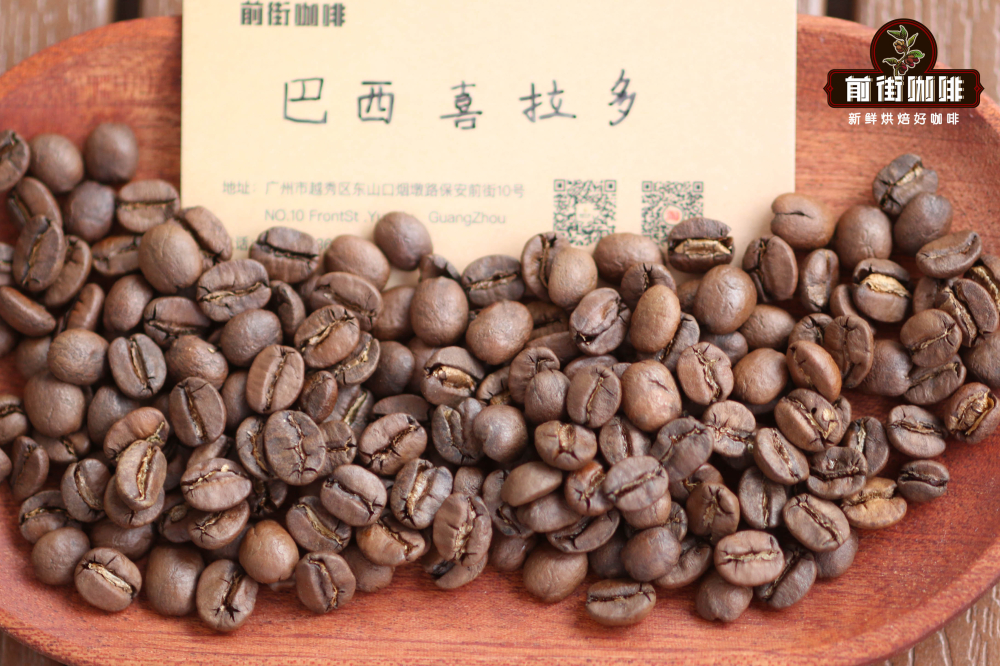
In summary, the Cerrado region of Brazil, with its exceptional geographical conditions and refined processing techniques, produces many specialty coffees with unique flavors and stable quality. From the Yellow Bourbon of Fazenda Rainha to the classic nutty-chocolate toned beans of commercial grades, Brazilian coffee showcases a diverse range of profiles. If you enjoy a full-bodied, low-acid coffee with rich layers, try brewing a specialty coffee from Cerrado using a Kono dripper and 88°C water temperature to experience its distinctive aromas and aftertaste.
The above content is compiled by CoffeeHunters, a coffee news website.


