








Introduction:As one of Ethiopia’s most iconic specialty coffee regions, Yirgacheffe is renowned for its distinctive citrus, floral notes, and bright acidity. This article delves into the region’s grading system, geographical environment, and processing characteristics, and uses a washed Yirgacheffe coffee as an example to detail its optimal roasting curve and pour over parameters—guiding you from green bean to cup to fully master the brewing essentials of this classic African origin.
Africa is not only the birthplace of coffee but also a cradle of global specialty coffee culture. Among the many African coffee-producing countries, Ethiopia and Kenya are regarded as the twin pillars of the continent’s coffee heritage, with Ethiopia’s Yirgacheffe region being the most celebrated. Coffees from this area are known for their clarity of flavor, bright acidity, and layered complexity, making them beloved by coffee enthusiasts worldwide. This article begins with the background of the region, then progressively explores Yirgacheffe’s growing environment and grading methods, and shares the ideal roasting and pour over approach for a representative washed Yirgacheffe lot—helping you more fully experience the unique charm of this classic coffee.
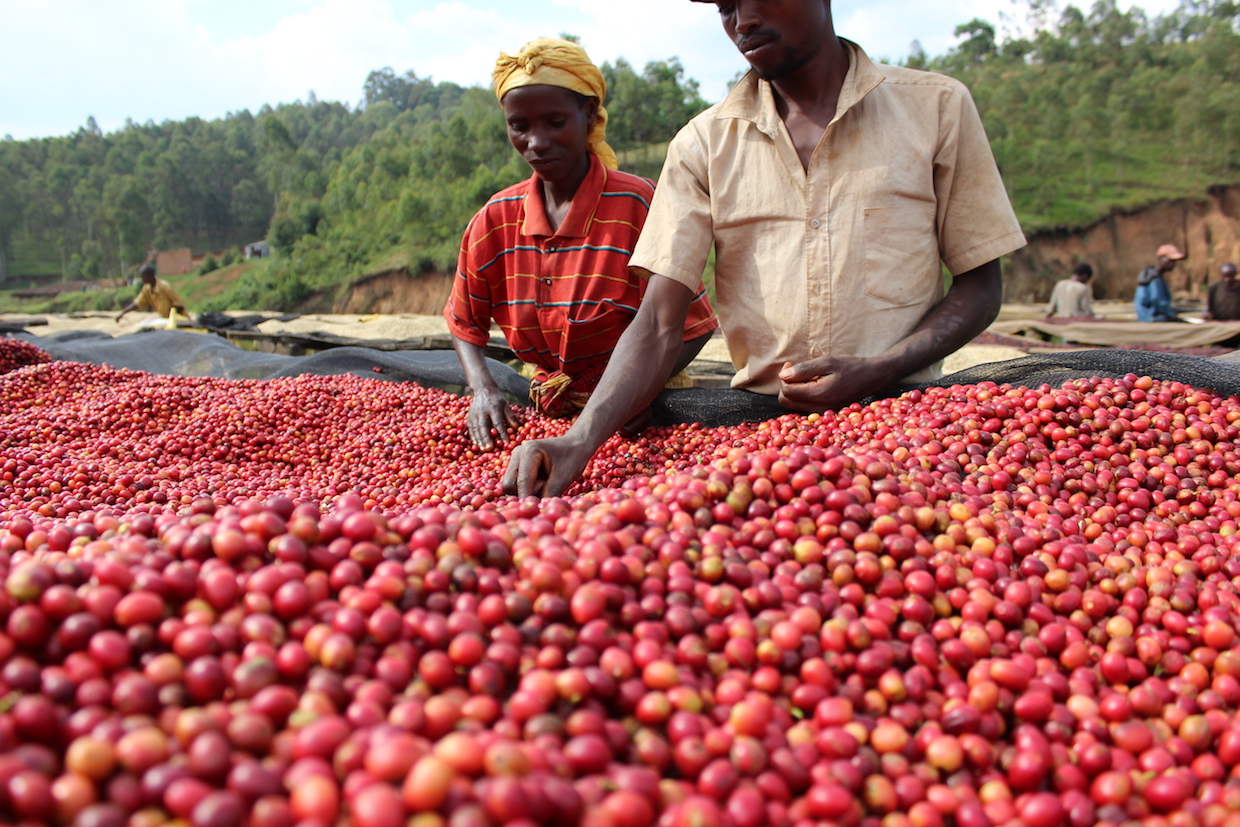
The African continent lies near the equator, with climatic conditions that are extremely conducive to coffee cultivation—especially in eastern regions such as Ethiopia, Kenya, and Rwanda, which are major producers of high-quality Arabica coffee. In contrast, some West African countries like Senegal and Cameroon primarily grow Robusta. Ethiopia is not only the homeland of coffee but also retains a vast genetic reservoir of wild coffee varieties, resources that hold immense value for coffee breeding and research. Coffees from this region generally exhibit intense aromas, vibrant fruit acidity, and rich fruity notes. However, due to often dry growing environments with limited water availability, many beans are processed using the natural (sun-dried) method, resulting in differences in appearance and defect rates compared to other regions.
When discussing Ethiopia’s specialty coffees, Yirgacheffe must be mentioned. Once a sub-region under the Sidamo zone, Yirgacheffe has distinguished itself with its unique flavor profile and has now evolved into an independent specialty coffee region. The coffee here is grown at elevations of around 1,800 to 2,000 meters, predominantly under the traditional garden coffee system, where local smallholders cultivate coffee on their own plots. The region is now subdivided into several sub-regions, including Wenago, Kochere, Gelena, and Abaya. Coffees from these areas are graded under a classification system, with Grade A typically commanding higher prices—usually indicating stricter screening and higher quality.
Washed Yirgacheffe coffees have long been celebrated for their clean, bright profiles, along with delicate citrus and floral notes. In addition to traditional washed and natural processes, in recent years honey and anaerobic processing methods have also emerged, bringing greater diversity to the flavor profiles of this region. For coffee lovers trying Ethiopian specialty beans for the first time, washed Yirgacheffe is an excellent entry choice—its flavors are fresh, vibrant, easily identifiable, and richly layered.
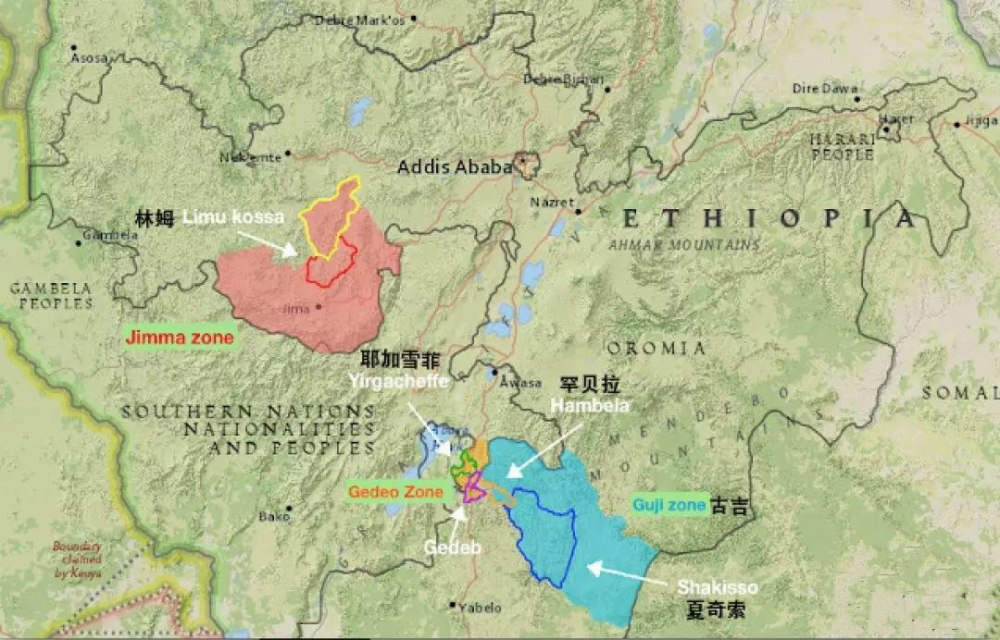
The washed Yirgacheffe featured in this article comes from the Gute Cooperative in Ethiopia’s Yirgacheffe region, grown at elevations between 2000 and 2100 meters. It is cultivated from local native coffee varieties and processed using the washed method, preserving bright acidity and distinct fruity characteristics. Regarding roasting recommendations, this coffee is well suited forlight-to-medium roasting, which can fully highlight its refreshing fruit acidity and delicate aromatics, while ensuring a more pronounced sweetness in the aftertaste. Specific roasting references are as follows:
Roaster model: Yangjia 800N
Bean inlet temperature:180°C
Yellowing point: approximately5 minutes 00 seconds, at which point the temperature reaches149.9°C
First crack start:8 minutes 42 seconds, at a temperature of183.8°C
First crack development time:1 minute 48 seconds, with a final roast exit temperature of193.5°C
For pour over brewing, it is recommended to use a Hario V60 filter cone, withwater at 90°C,a coffee-to-water ratio set at 1:15, and usingmedium-fine grindsize. The specific steps are as follows: begin with a 30-second bloom using 30 grams of water, then pour in a small, circular motion. When the total water volume reaches 125 grams, perform the first pour break; once the water level drops to just about to expose the coffee bed, continue pouring up to 225 grams and then stop. Finally, wait until the water in the filter cone is nearly drained before removing it, with the total extraction time controlled at approximatelyabout 2 minutes.
In terms of flavor, this Yirgacheffe delivers pronounced citrus acidity and a soft black tea-like profile upon entry. As it cools, notes of cream, caramel, and almond gradually emerge, with a sweet and lingering aftertaste. The overall mouthfeel is clean yet layered—making it a classic washed coffee that is perfect for everyday drinking or for exploring the characteristics of African coffee in depth.
The above content is compiled by CoffeeHunters, a coffee news website.


