







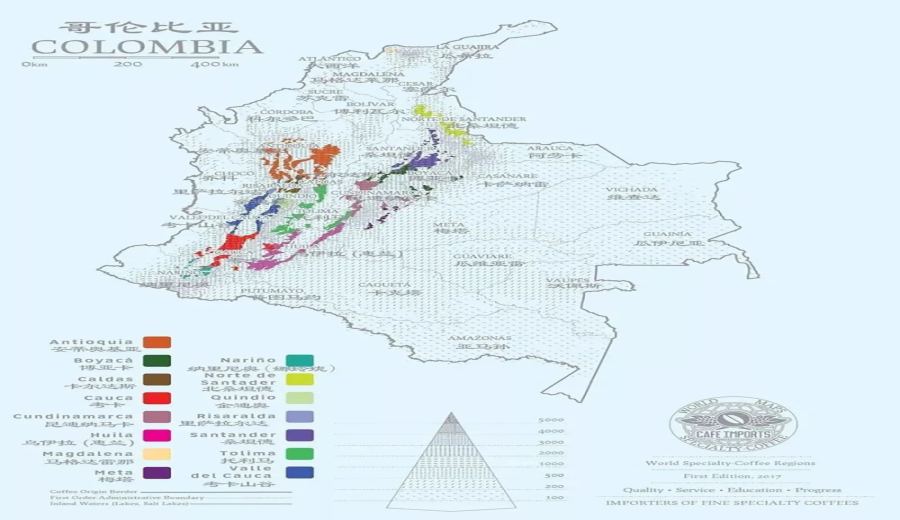
Introduction:Colombian coffee is renowned for its stable and diverse flavor profiles. Its exceptional geographical conditions and rigorous grading system ensure that every bean has a story to tell. This article delves into the characteristics of Colombia’s major producing regions, the support model of the FNC association, the Excelso green bean grading standard, and focuses on the washed beans from the Huila region, offering practical medium-to-dark roast pour-over brewing recommendations. Discover the brewing techniques and flavor profile of this classic coffee.
Thanks to the Andes Mountains running through the entire country, Colombia boasts diverse terrains and climates, making it one of the world’s key Arabica coffee-producing regions. This land not only supplies stable and flavorful coffee beans but also earns high praise in the international market due to its refined grading and processing systems. From the traditional MAM core regions to the increasingly prominent southern Huila, microclimate variations across regions create the coffee’s ever-changing characteristics.
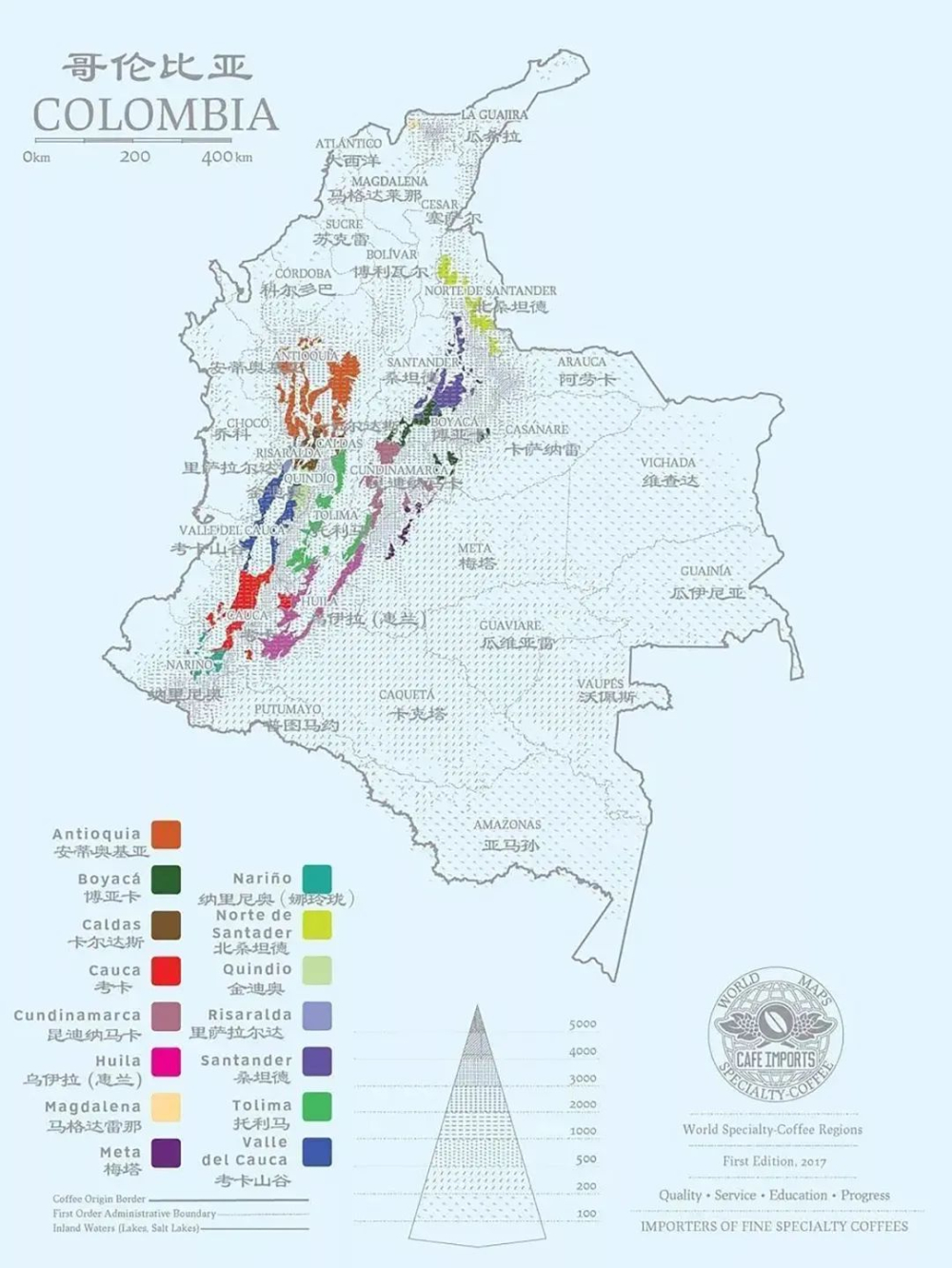
Coffee cultivation in Colombia is primarily concentrated in the three main mountain ranges of the Andes. These areas feature fertile soils, favorable sunlight and shade conditions, and altitudes generally ranging between 800 and 2300 meters. The microclimate differences among the mountainous regions allow for a year-round coffee harvest, with beans ripening at different times across zones, ensuring a stable year-round supply and diverse flavor expressions.
Colombia’s producing regions can be broadly divided into the traditional “MAM” zone and the elite specialty regions of the south. MAM refers to Manizales, Armenia, and Medellín. Among these, coffee from Medellín is known for its plump bean shape, delicate aroma, and balanced acidity and sweetness. It is especially suited for dark roasting, bringing out rich and captivating smoky and chocolatey notes. With the rise of the specialty coffee trend, an increasing number of small estates are engaging in micro-lot production, pursuing more layered floral and fruity aromas.
Nariño, located at high altitudes of about 1500 to 2300 meters, is one of Colombia’s few high-elevation producing regions. Despite challenges such as leaf rust, its coffee offers exceptional flavor complexity. Most of the farming is carried out by small-scale producers, with an average coffee farm size of just around 2 hectares per person. In contrast, the eastern region of Santander has a relatively dry climate, with planting altitudes between 1400 and 1600 meters. The coffee here matures slowly under shade, resulting in intense aromas, long-lasting aftertastes, and distinctive herbal notes—making it a flavor hallmark with strong recognition among many coffee enthusiasts.
The southern Huila region has recently emerged as a prominent hub for specialty coffee, accounting for 12% of the nation’s total production. The terrain is characterized by diverse hills, all situated above 1500 meters in altitude, and is nourished by abundant water from a branch of the Colombian river. The region is largely supplied by smallholder farmers offering micro-lots, showcasing unique regional flavors through varying microclimates and processing methods. Huila’s washed beans, often medium-to-dark roasted, present the classic Colombian style—rich yet layered—and serve as an excellent entry point for getting to know the country’s coffee.
The FNC (Federación Nacional de Cafeteros, or Colombian Coffee Growers Federation), established in 1927, is a core organization supporting industry development. The FNC is committed to promoting variety improvement, cultivation techniques, harvesting standards, and green bean processing norms, while ensuring farmers can sell their beans at fair prices—maximizing the “dual potential of the land and the farmer.” Additionally, the FNC successfully created the “Juan Valdez” brand image, helping Colombian coffee gain global renown.
The grading of Colombian green beans is primarily based on screen size (i.e., bean size). Common grades include UGQ, EP (European Preparation), and Supremo, with all exported green beans unified under the Excelso grade. Specifically, Excelso UGQ requires beans to be larger than 14 mesh, with at least 50% exceeding 15 mesh, and allows only 1.5% below 14 mesh; Excelso EP mandates that beans must be larger than 15 mesh, with up to 10% allowed between 14 and 15 mesh; and Excelso Supremo requires beans to be larger than 17 mesh, with up to 5% allowed below this specification. There are also higher grades such as Extra (16 mesh and above) and Premium (18 mesh and above), with detailed records of green bean information for traceability. Exported Colombian green beans are usually labeled as “Country + Region + Grade + Other,” such as Huila Supremo SC17/18 FNC.
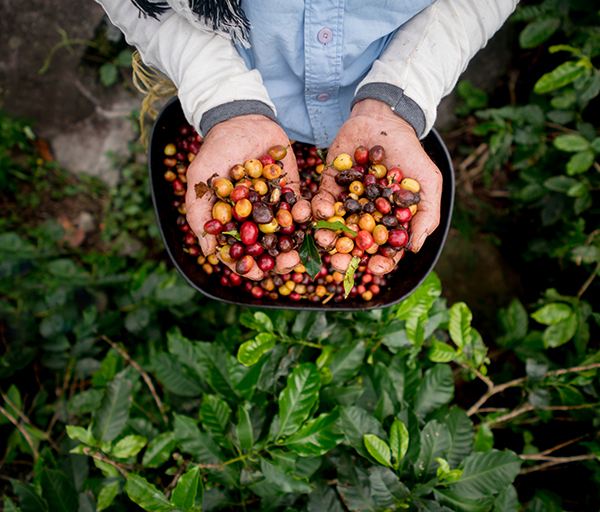
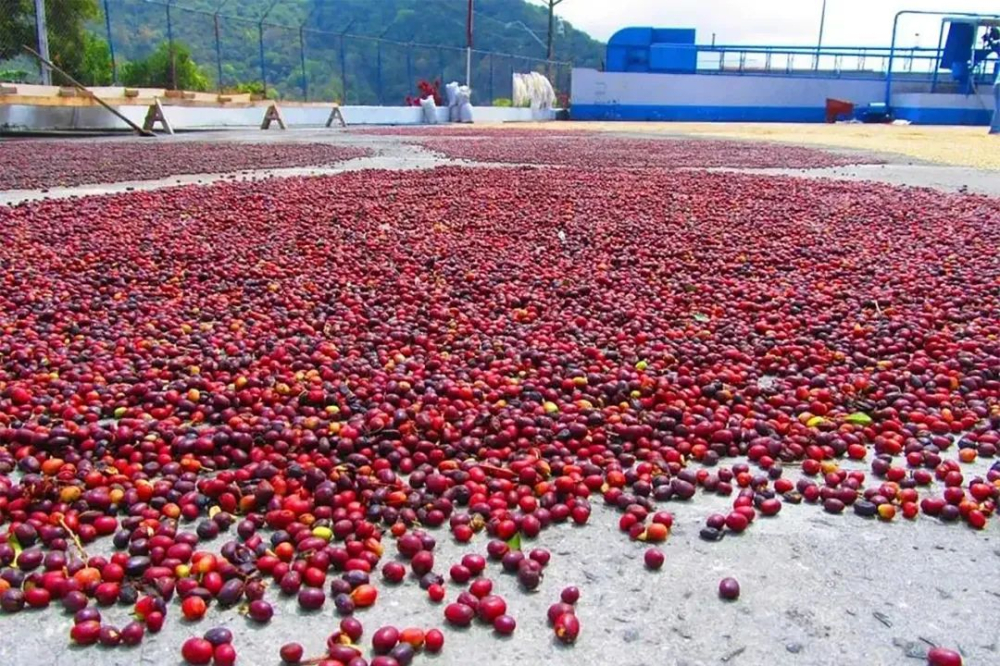
Colombia cultivates a wide variety of coffee cultivars. In addition to common ones like Caturra, Bourbon, and Typica, there are also locally developed disease-resistant varieties such as Castillo, Tabi, and the “Colombia” variety. In recent years, many estates have also introduced internationally renowned varieties like Geisha. Most coffee is processed using the washed method. Farmers commonly use Ecomill or Eco-Pulper equipment to first remove the skin and pulp, then use a small amount of water to remove most of the mucilage, followed by overnight fermentation, and finally washing and sun-drying to reach the target moisture content. This overall process effectively reduces defect rates while preserving clear flavors.
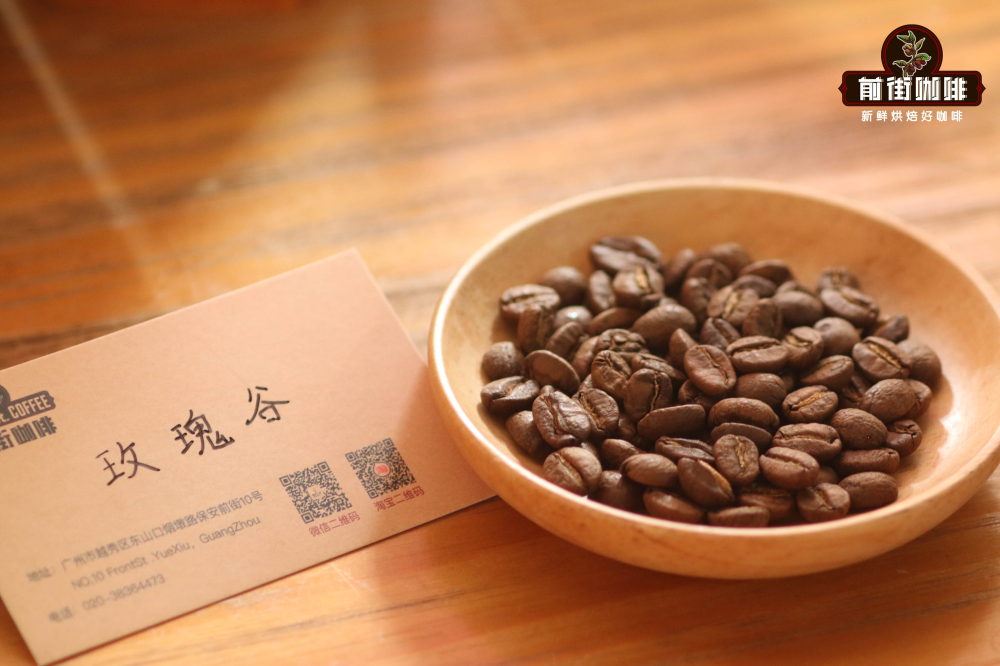
Taking Huila washed beans as an example, their common variety is Caturra. When medium-to-dark roasted, they exhibit rich notes of nuts, black chocolate, and caramel, with soft and layered acidity. For actual pour-over brewing, it is recommended to use a KONO filter, with a grind size of about 75% passing through a 20-mesh sieve (medium-coarse), water temperature controlled at 90°C, a coffee-to-water ratio of 1:15, a total coffee dosage of 15 grams, and a three-stage pouring method: first blooming with twice the coffee weight for 30 seconds, then pouring to 125 grams, waiting for the bed to drop before pouring to 225 grams, with a final extraction time of about 2 minutes. These parameters help balance richness and clarity in flavor, avoiding over-extraction that may release unwanted impurities.
Once brewed, Huila washed beans offer an immediate impression of distinct chocolate and nut aromas. The flavor is rich and smooth, the mouthfeel clean, and the aftertaste carries a gentle caramel warmth. As the temperature cools, subtle fruit acidity gradually emerges, adding layers and interest to the overall flavor profile. It is a classic representation of Central and South American flavors, suitable for everyday drinking and worthy of careful savoring.
The above content is compiled by CoffeeHunters, a coffee news website.


