







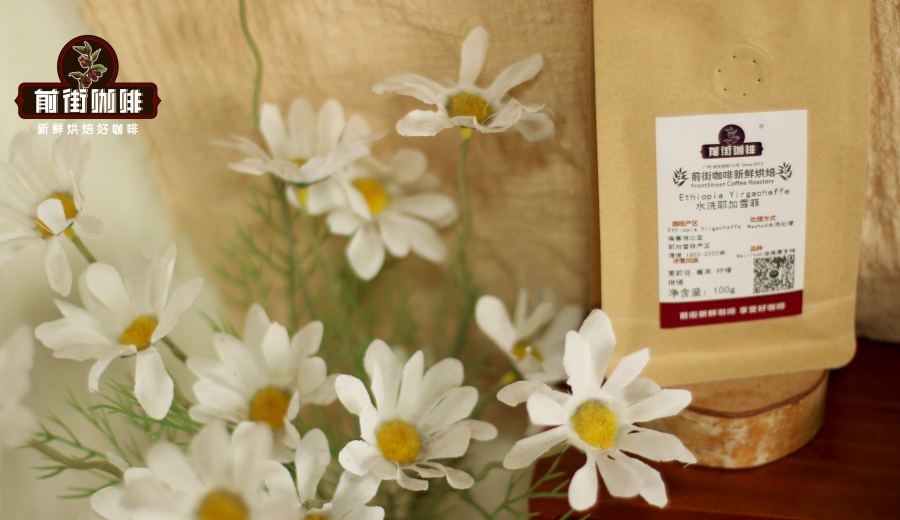
Introduction:Want to know if Ethiopian Yirgacheffe is considered a single-origin bean? How do washed and natural processing methods affect coffee flavor? This article delves into the geographical background of the Yirgacheffe region, the differences in processing techniques, and analyzes how washed and natural Yirgacheffe vary in acidity, sweetness, and complexity. It also provides practical pour over parameters to help coffee beginners and enthusiasts master the brewing essentials of this classic African bean.
Yirgacheffe is a well-known town in Ethiopia’s southern Gedeo region and is recognized globally by specialty coffee lovers as one of the finest coffee origins. The Yirgacheffe coffee beans produced here are often regarded as representative of Ethiopian single-origin coffee and are highly favored by pour over and filter coffee enthusiasts. So, is Yirgacheffe really a single-origin bean? In fact, a single-origin bean refers to coffee beans from the same region, processing facility, or even the same variety—and Yirgacheffe fits this definition perfectly. Therefore, it is not only a single-origin bean but also a type of coffee with extremely high recognizability.
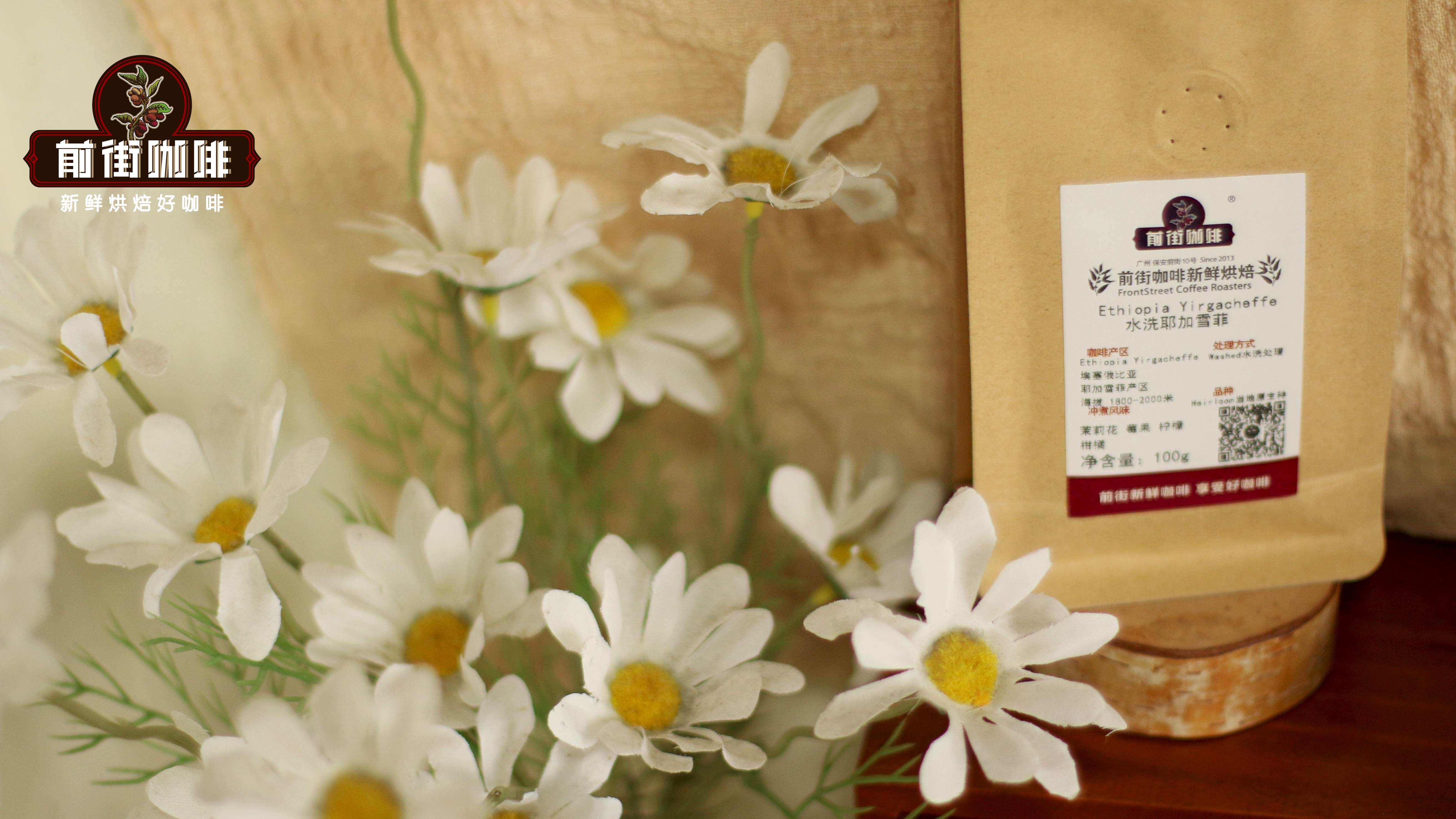
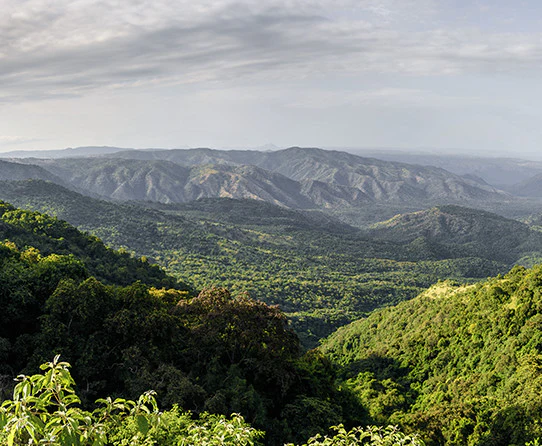
Yirgacheffe is located on the southern highlands of Ethiopia and is part of the Sidamo administrative region. This area is known for its high altitude (approximately 1700–2100 meters), frequent fog, and moderate temperature variations, making it an ideal environment for growing Arabica coffee. The fertile soil, abundant water sources, and long-term freedom from industrial pollution have contributed to the unique bright fruity and floral characteristics of Yirgacheffe coffee. Notably, the name Yirgacheffe, in the local language, means “let us settle in this wetland,” reflecting the region’s moist and coffee-friendly natural conditions.
Ethiopia is one of the few countries in the world that still retains a large number of native coffee varieties, and Yirgacheffe is one of the most representative producing regions. Although the Arabica varieties grown locally are diverse and are often collectively referred to as “Ethiopian heirloom varieties,” this does not prevent them from exhibiting rich and layered flavor profiles. Especially under the influence of both washed and natural processing methods, Yirgacheffe can showcase distinctly different flavor directions.
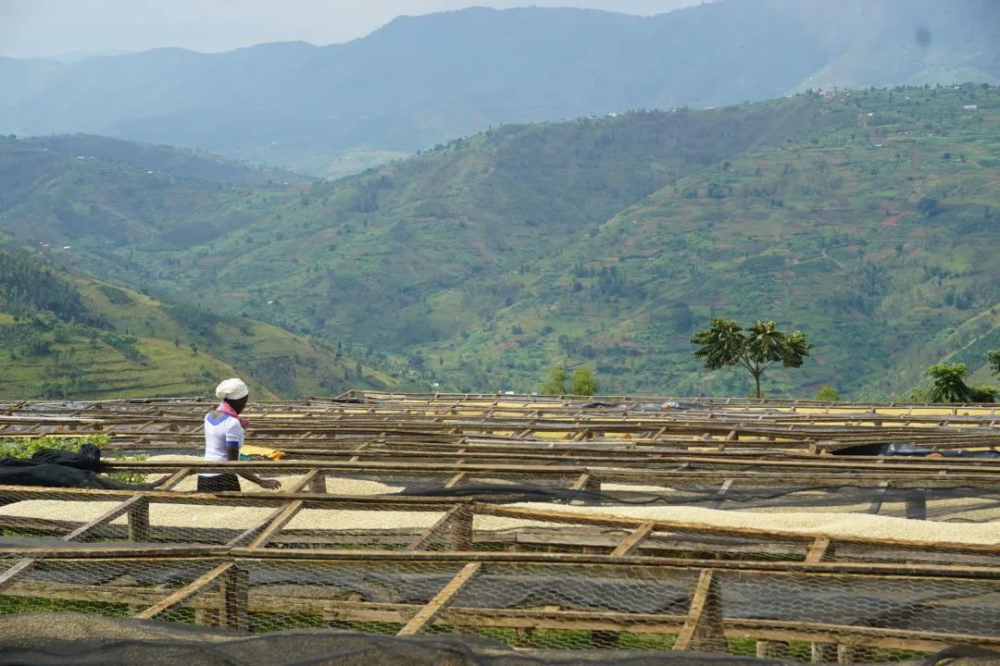
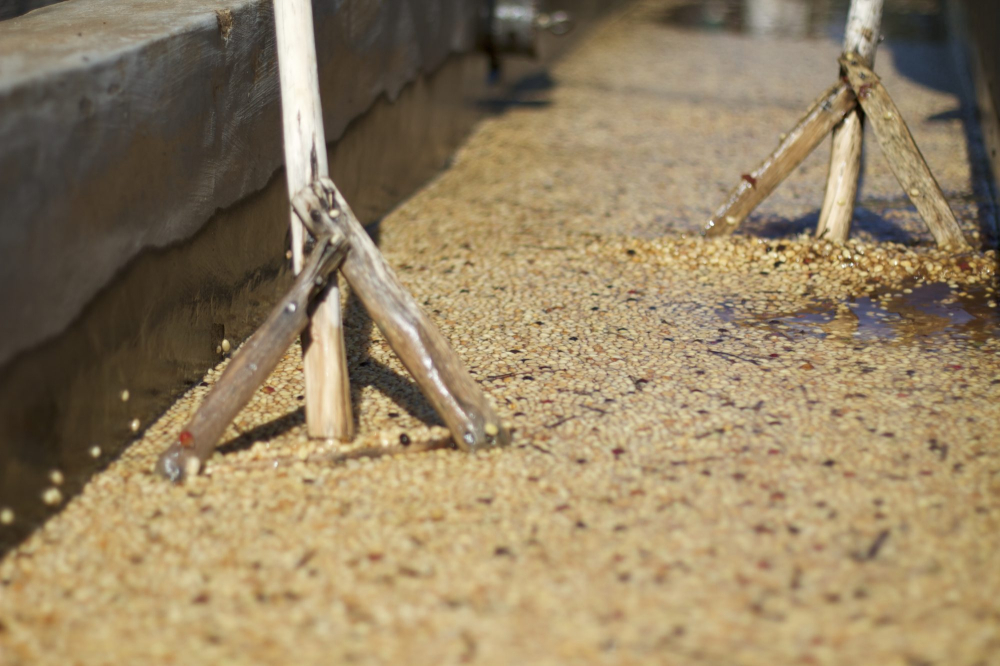
In the early days, Yirgacheffe primarily used the natural processing method, which involves drying the coffee cherries directly under the sun. While this method is low-cost, it is difficult to control quality and can easily lead to muddled flavors or a high defect rate. It wasn’t until the 1970s, when the first washed processing station was established locally, that washed Yirgacheffe gradually emerged and became the market mainstream. The hallmark of the washed process is fermentation in water tanks to remove the mucilage, followed by multiple rinses with clean water. This process not only removes excess impurities but also significantly improves the cleanliness and consistency of the coffee beans. The final brewed Yirgacheffe often presents bright acidity, delicate floral notes, and a honey-like aftertaste.
From actual cupping results,washed Yirgacheffe beans tend to have a greenish color, with a fresh flavor often featuring prominent aromas such as lemon, jasmine, and lily.The acidity is vibrant yet not sharp, the sweetness is mild, and the aftertaste is clean. This type of coffee is suitable for medium to light roasting, which helps preserve its original flavor profile to the greatest extent. It is recommended to use a V60 filter cone with a pulse pouring technique, grinding to a size similar to superfine sugar (80% passing through a Chinese No. 20 sieve), with water temperature controlled at 90–91°C, and a brew ratio adjustable between 1:15 and 1:16 to suit personal taste preferences.
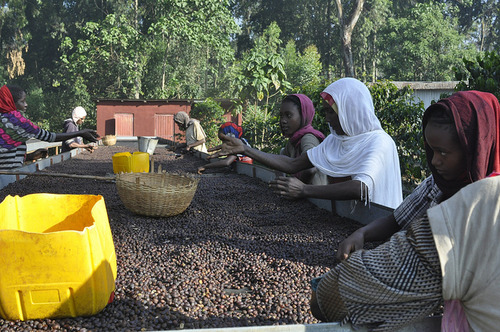
In contrast, natural Yirgacheffe displays a completely different personality. This processing method involves drying the whole coffee cherry directly in the sun, allowing the sugars in the fruit pulp to penetrate more deeply into the seed (i.e., the coffee bean). As a result, the brewed coffee often has a richer sweetness, a fuller body, and a more complex fruit character. Natural Yirgacheffebeans tend to be yellowish-green and often feature flavors such as blueberry, mango, black tea, or even honey syrup.The acidity is relatively mellow, and the overall complexity is more pronounced. However, due to the more intricate processing, its quality consistency is not as high as that of the washed method.
If you want to experience the most classic “bright and fresh” flavor profile of Yirgacheffe, it is recommended to start with the washed version, familiarize yourself with its crisp acidity and floral notes, and then try the natural version to appreciate the layered changes of rich fruitiness and honey sweetness. Many coffee beginners prefer the clean and crisp mouthfeel of washed Yirgacheffe, while more experienced drinkers are often drawn to the depth and complexity of the natural version.
Regarding brewing recommendations, whether you choose washed or natural Yirgacheffe,it is recommended to use medium to light roast levelsto help highlight its bright acidity and fruity characteristics. Taking the V60 filter cone as an example, it is suggested to use a three-pour technique: start with double the coffee dose of water (about 30g) for a 30-second bloom to help release aroma; then pour in small streams in a circular motion from the center outwards until reaching 125g, then pause briefly; finally, pour up to a total of 225g. The overall pour over time is about 2 minutes. This extraction method helps balance the flavors and avoid over-extraction or excessive tannin release.
In summary, Yirgacheffe is undoubtedly one of the representatives of single-origin coffee. Its washed and natural versions each have distinct characteristics, catering to different drinkers’ preferences for acidity, sweetness, and aroma. If you enjoy a refreshing coffee with floral and citrus notes, washed Yirgacheffe is the perfect entry point. If you prefer a richer, fruit-forward coffee with honey-like sweetness, consider trying a high-quality natural version. Mastering the correct brewing parameters will allow you to fully showcase the unique charm of this classic African bean.
The above content is compiled by CoffeeHunters, a coffee news website.


