







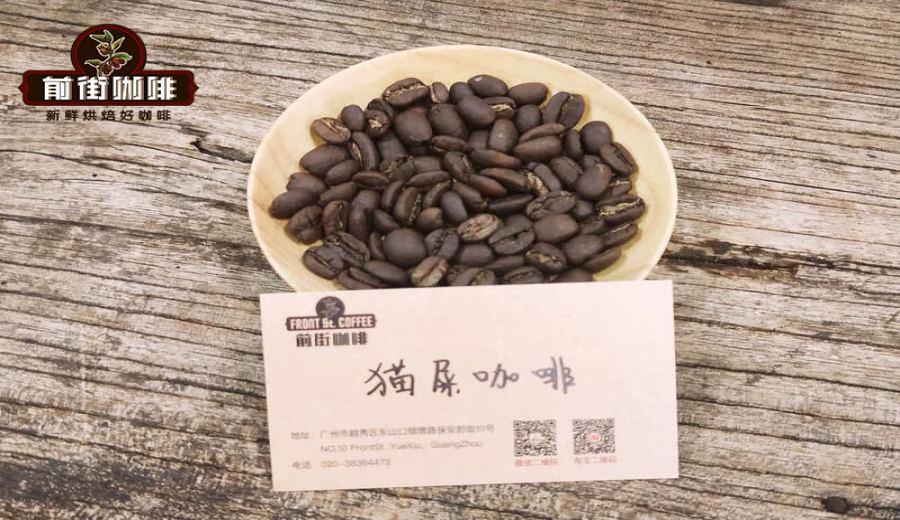
Introduction:Kopi Luwak is hailed as one of the rarest and most expensive coffees in the world, yet its market is riddled with confusion and misconceptions. In particular, Vietnamese-produced Kopi Luwak is often priced affordably but mistaken for the genuine article. This article delves into the origins, production processes, flavor profiles, and authenticity differences between Vietnamese and Indonesian Kopi Luwak, while also offering practical tips for identification and pour over brewing parameters to help coffee enthusiasts make informed choices.
Kopi Luwak has long been regarded as one of the most expensive and unique coffee varieties in the world, with its authentic origin being Indonesia. However, the market is flooded with so-called "Kopi Luwak" from Vietnam that is relatively inexpensive, leaving consumers to wonder: are these products genuine? This article will provide an in-depth comparison of Kopi Luwak from Vietnam and Indonesia from multiple aspects including origin, bean variety, production process, and flavor characteristics, analyzing their fundamental differences. It will also explain common products on the market and discuss issues related to widespread counterfeits and animal welfare, helping readers make more discerning purchasing decisions.
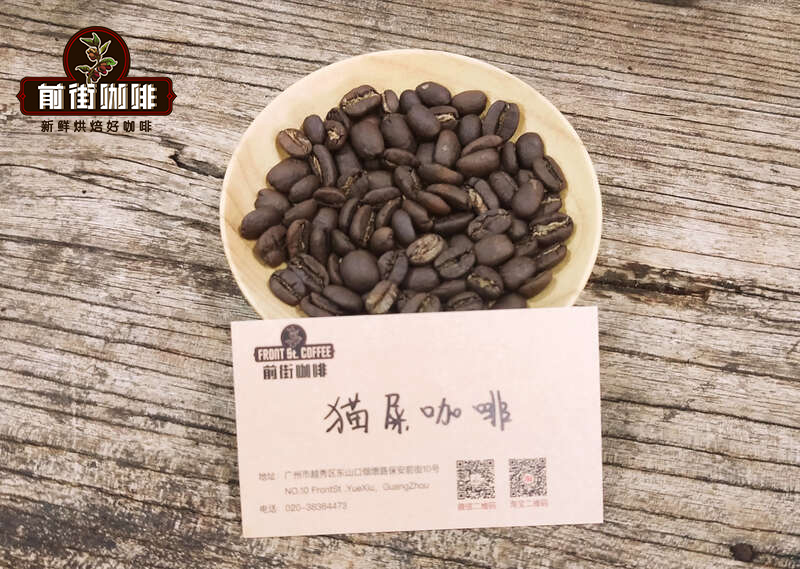
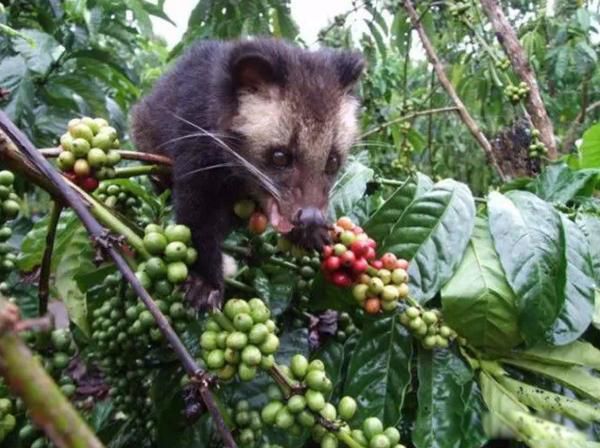
Authentic Kopi Luwak originates from Indonesia, particularly the island of Sumatra, where the local palm civet (also known as the luwak) consumes ripe coffee cherries. Through a unique fermentation process in its digestive system, the undigested coffee beans are excreted in the feces. These beans then undergo a complex series of steps including collection, cleaning, drying, hulling, and roasting. Since the palm civet selectively eats only the ripest coffee cherries and its digestive environment naturally reduces bitterness while enhancing body, this coffee boasts a unique and delicate flavor, which contributes to its high price and status as one of the finest coffees in the global market.
In contrast, Vietnam is not the native habitat of the palm civet. Most of the so-called "Kopi Luwak" found in the Vietnamese market is not naturally produced by wild civets, but rather manufactured through artificial feeding and breeding methods. Some products are even just flavored to mimic the taste of Kopi Luwak. Vietnam primarily cultivates Robusta beans, which are typically used in instant coffee or espresso blends and are far less expensive than Arabica, affecting the final product’s positioning and quality. As a result, Vietnamese Kopi Luwak differs significantly from the authentic Indonesian version in terms of flavor, aroma, and overall quality.
Below is an overview of several commonly seen so-called "Kopi Luwak" products in the Vietnamese market:
1. Trung Nguyen G8 Civet Coffee: Launched by Trung Nguyen Coffee, this is a blend of Robusta and Arabica beans, marketed as being excreted by the musang (locally referred to as a civet rat). The product emphasizes a rich and bold flavor, with some consumers noting similarities to Jamaican Blue Mountain. However, it remains a commercially blended and processed product.
2. Vinacafé Kopi Luwak: A type of three-in-one instant coffee, it is popular for its convenience and sweet, smooth taste, making it suitable for everyday quick consumption. However, compared to traditionally handcrafted Kopi Luwak, its production process and ingredients are greatly simplified.
3. Vietcacao Kopi Luwak: Also an instant coffee formula, known for its strong milky aroma, it appeals to consumers who prefer a creamy flavor. However, information about its actual ingredients and production background is often lacking in transparency.
4. Hoang Gia Golden Civet Coffee: Another three-in-one instant coffee, it is praised for its rich aroma and smooth mouthfeel, making it a top choice for many first-time tasters of Vietnamese-style coffee. Yet, it is not produced through the authentic Kopi Luwak process.
Overall, the "Kopi Luwak" available in the Vietnamese market is mostly commercially processed or flavor-simulated products, not derived from the natural digestive process of palm civets. For those seeking the authentic flavor and complete production journey, it is recommended to choose Indonesian Kopi Luwak beans and grind and brew them via pour over to experience their unique layers.
It’s worth noting that due to the rarity of palm civets, their limited natural habitat, and their low food intake and coffee bean excretion efficiency, it is estimated that only around 400 kilograms of genuine Kopi Luwak are naturally produced by palm civets globally each year. This explains why authentic products are rarely widely available. Many products labeled as "Kopi Luwak" are actually produced through artificial breeding and forced feeding, a process that often raises concerns about animal welfare. Palm civets are naturally shy and not suited for living in groups. Being confined in small spaces and forced to eat not only affects their health but can also lead to abnormal behavior and even premature death.
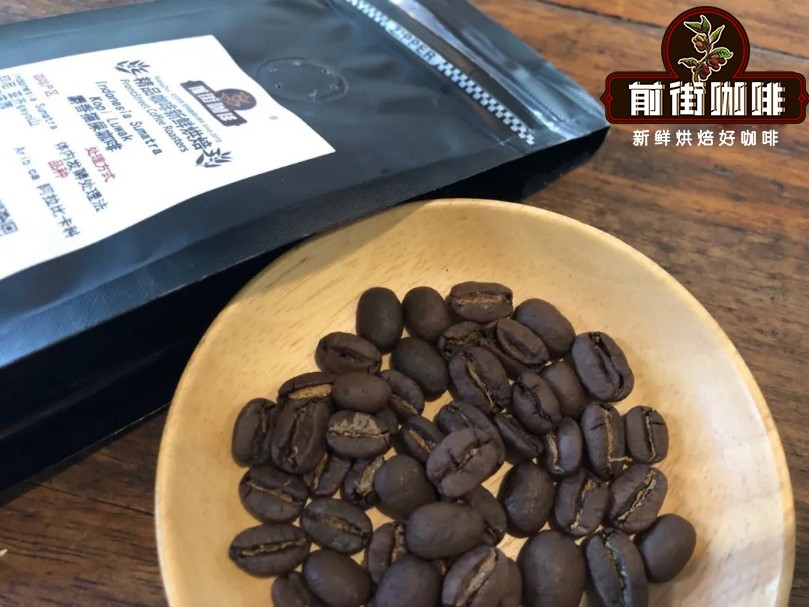
If you still wish to experience the unique flavor of Kopi Luwak, it is advisable to choose brands from Indonesia that offer transparent origin traceability and uphold good animal protection policies, and to savor its delicate nuances via pour over. Here is a set of practical pour over parameters for reference: it is recommended to use a KONO filter, with a water temperature of 88°C, a powder-to-water ratio of 1:15, and a grind size adjusted to approximately 75% extraction through a #20 sieve. Use 15 grams of coffee powder. Employ a three-stage extraction method: begin with a 30-second bloom using twice the amount of coffee powder in water (about 30 grams) to release CO₂; then pour water in a small stream up to 125 grams for the first pour, followed by pouring up to 225 grams before stopping. Once dripping is complete, remove the filter and the total extraction time should be around 2 minutes. This method helps fully extract the coffee’s rich body, highlighting herbal and nutty notes, with a smooth mouthfeel and distinct layers.
In summary, Vietnamese and Indonesian Kopi Luwak differ significantly in origin, production process, and flavor. Consumers should pay attention to the product source, production method, and actual ingredients when making a purchase, and avoid being misled by commercial packaging or low-price strategies. If you are new to coffee or looking for a cost-effective option, consider starting with other well-known coffee-growing regions such as Yirgacheffe, Colombian Huila, Indonesian Mandheling, or Panamanian Geisha—each offering a diverse range of flavors and equally captivating coffee experiences.
The above content is compiled by CoffeeHunters, a coffee news website.


