







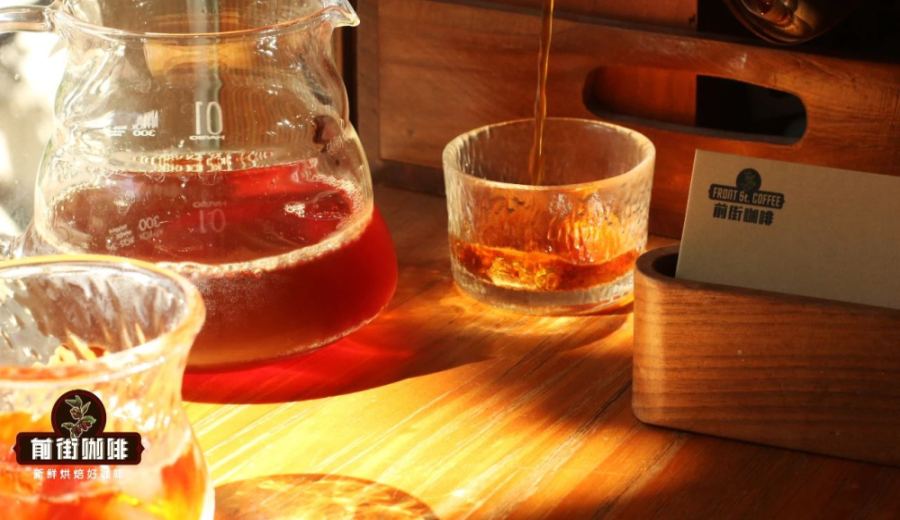
Introduction:Want to explore the diverse flavors of Costa Rican coffee? This article starts with the Blueberry beans from La Mina Estate, delves into the anaerobic honey process in the Brunca region, introduces the characteristics of the Tarrazú region’s main varieties—Caturra and Catuaí—and explores the local flavor expression of Geisha. It also provides practical pour over tips to help you easily master brewing essentials.
Costa Rica holds a pivotal position in Central America’s coffee map—not only is it known for its consistent quality, but it also boasts a variety of distinctive regions thanks to its diverse microclimates. Among them, the Blueberry-flavored coffee from La Mina Estate has received widespread acclaim for its unique processing method and bright fruity notes. Through this bean, we’ll take an in-depth look at the geographical conditions of the Brunca region, the detailed steps of the anaerobic honey process, compare the differences between the Caturra and Catuaí varieties in the Tarrazú region, and examine the actual performance of the Geisha variety in Costa Rica.
La Mina Estate Blueberry Beans: A Fruit-Forward Representative from the Brunca Region
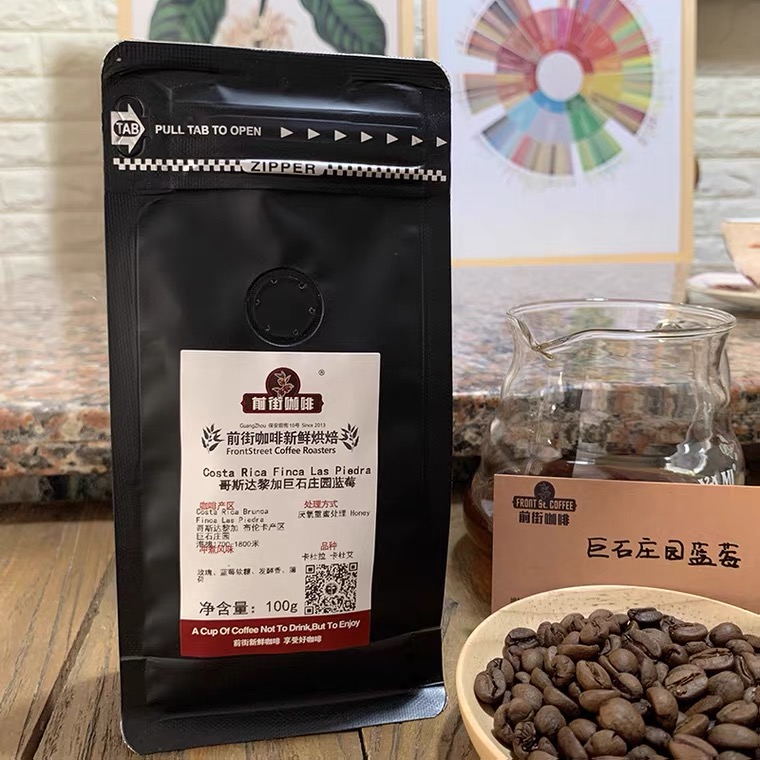
These Blueberry-flavored coffee beans from Costa Rica’s Brunca region are grown at altitudes between 1700 and 1800 meters, processed using the anaerobic honey method, and include both Caturra and Catuaí varieties. The dry aroma reveals a delicate rose-like floral note; upon tasting, the creamy texture reminiscent of blueberry taffy envelops the palate, followed by a refreshing minty aftertaste that offers a pleasant contrast. The overall flavor profile is layered and unforgettable.
Overview of the Brunca Region: A Coffee Hub in South-Central Costa Rica
Costa Rica has eight major coffee-growing regions, and Brunca is one of them, accounting for about one-fifth of the country’s total production. Most of the area lies at mid-elevations, with coffee typically grown between 800 and 1200 meters, and most beans are classified as HB grade or higher. Compared to other high-altitude regions, Brunca’s climate is slightly lower, yet it still produces coffee with unique flavors.

The Origin of La Mina Estate and Its Microclimate Advantages
La Mina Estate is located in southern Costa Rica, near the Panama border, and benefits from abundant microclimates that are ideal for specialty coffee cultivation. The area earned the name "La Mina" (meaning "the rocks") due to the discovery of numerous indigenous carved stone blocks dating back to 200 BC to 1500 AD. The estate spans a wide range of elevations from 800 to 1700 meters, with an average temperature of around 22°C, providing optimal growing conditions for coffee.
Anaerobic Honey Process: A Refined Craft for Sweetness and Fruitiness
Honey process is a method that falls between washed and natural, aiming to retain more mucilage to enhance sweetness while reducing the risk of over-fermentation. The anaerobic honey process is even more complex: first, meticulously selected, perfectly ripe coffee cherries are cleaned and then placed in a sealed container for the first stage of fermentation. Before fermentation, a microbial solution containing yeast, lactic acid, sucrose, blueberry fructose, orange juice, and mint juice is prepared. Fermentation lasts about 30 hours, during which the focus is on enhancing the coffee’s sweetness and fruity characteristics.
After fermentation, the skins are removed, and the beans with mucilage are placed in round plastic tanks where carbon dioxide is injected and pH is strictly controlled. The second stage of honey processing begins, with the beans spread on African beds for sun drying. During the day, temperatures are kept below 40°C, and after 8 hours of sun exposure, the beans are moved to a warm greenhouse to rest for 12 hours. This cycle is repeated for 20 to 25 days until the moisture content of the green beans drops to 15%. Finally, the beans are bagged in an inner liner wrapped in an outer cloth sack and left to rest for a month to stabilize the flavors.
Tarrazú Region: A Representative Flavor of Costa Rican Coffee
In addition to Brunca and La Mina Estate, Costa Rica’s Tarrazú region (also known as Tarrazú) is another classic not to be missed. Locally referred to as "Los Santos" due to the many towns named after saints, Tarrazú is about a two-hour drive from the capital, San José, with winding mountain roads and coffee farms along the way. The region sits at elevations between 1200 and 1900 meters, featuring rich microclimatic variations, making it an ideal place for cultivating Arabica coffee.
Tarrazú coffee is known for its pronounced acidity and fruity notes, closely tied to the region’s soil composition. The area mainly grows two varieties: Caturra, a natural mutation of Bourbon, which is shorter in stature but high-yielding, and noted for its berry-like acidity and fruity character; and Catuaí, a cross between Mundo Novo and Caturra, which is also short but more disease-resistant, with a simpler, nuttier flavor profile. Together, they create a more balanced and mellow overall cup in Tarrazú coffee.
At-Home Pour Over Recommendations for Costa Rican Coffee
To brew a cup of Costa Rican coffee with elegant flavors at home, consider the following standard parameters: use a V60 dripper, control the water temperature at 91°C, and maintain a coffee-to-water ratio of 1:15 (e.g., 15 grams of coffee to 225 grams of water). The recommended grind size is around 80% passing through a #20 Chinese standard sieve. Specific pour over steps are as follows: start with a 30-gram bloom for 30 seconds, then pour in a small circular motion until reaching 125 grams for the first pour. When the water level drops and is about to expose the coffee bed, continue pouring to 225 grams, then stop. Wait until the water level drops again and is about to expose the coffee bed before removing the dripper. The total extraction time is approximately 2 minutes.
By mastering these basic parameters and techniques, along with an understanding of each coffee bean’s flavor profile, you too can enjoy a cup of Costa Rican pour over coffee at home that rivals professional standards.
The above content is compiled by CoffeeHunters, a coffee news website.


