







Introduction:Colombian coffee beans, known for their balanced and rich flavors as well as stable quality, have become a top choice for many coffee beginners. From the high-altitude cultivation environment of the Andes Mountains to the meticulous washed processing method, this article delves into the distribution of Colombian coffee regions, variety characteristics, processing techniques, and brewing parameters. It also includes practical pour-over recommendations to help you brew a representative cup of Colombian-flavored coffee at home.
The reason Colombian coffee is so widely loved lies not only in its stable quality but also in its exceptional flavor balance and moderate acidity-sweetness profile, making it suitable for all types of coffee drinkers—especially newcomers to specialty coffee. Its ability to be labeled as a single-origin product by country name is rare globally, which has made "Colombian coffee" almost synonymous with high quality.
So, what makes Colombian coffee perform so exceptionally well? The answer lies in the combined influence of multiple factors, including variety selection, growing altitude, climate conditions, harvest ripeness, and post-harvest processing methods. Among these, altitude plays a particularly crucial role in the development of coffee beans. Generally speaking, the higher the altitude, the lower the temperature, and the slower the coffee cherries ripen. This allows the beans more time to accumulate sugars and flavor compounds while also increasing density and improving roastability.
The Andes Mountains within Colombia consist of three main mountain ranges, providing an ideal growing environment for coffee trees. These mountainous regions typically have altitudes ranging between 800 and 2300 meters, with significant day-night temperature variations, fertile and well-drained soil, and natural shading from cloud cover—all of which allow coffee trees to mature slowly under stable and suitable conditions. Local farmers often plant coffee under tall shade trees such as banana trees or native hardwoods, which not only reduce the impact of direct sunlight on the coffee cherries but also maintain good humidity and microclimates, helping to concentrate the flavors.
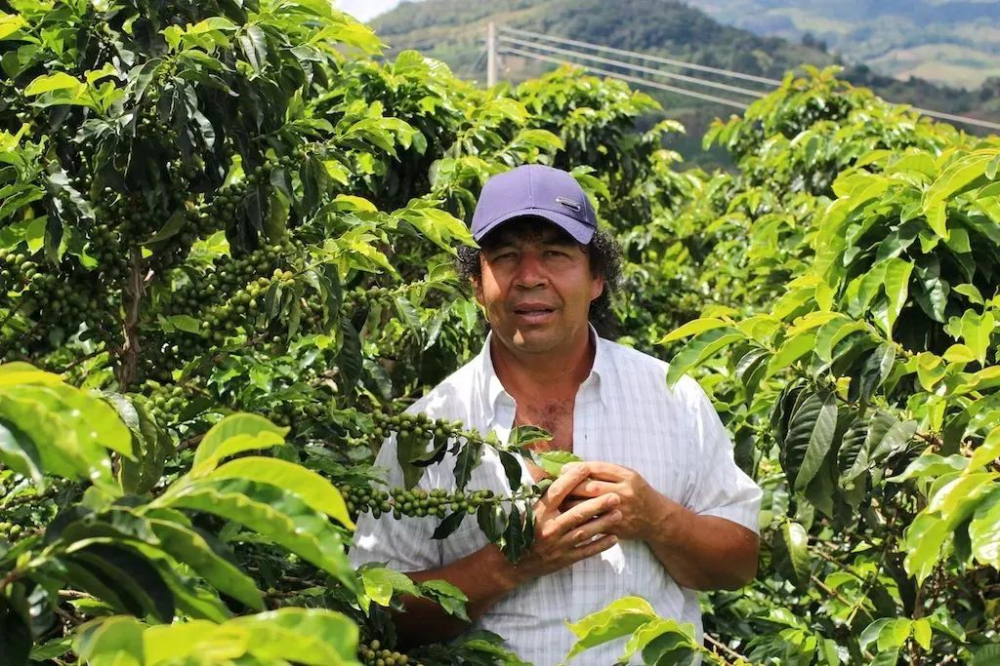
Beyond its favorable natural conditions, the success of Colombian coffee is also inseparable from the effective management of domestic industry organizations. One of the most representative is the FNC (Federación Nacional de Cafeteros de Colombia, or Colombian National Federation of Coffee Growers). Established in the early 20th century, the FNC now represents over 560,000 coffee farming households and is one of the largest agricultural non-governmental organizations in the world. In addition to setting quality standards, the FNC is committed to global marketing and has successfully built a highly reputable image for Colombian coffee. One of its most iconic promotional figures is “Juan Valdez, the coffee farmer, and his mule.”
Colombia’s coffee-growing regions can be broadly divided into northern, central, and southern blocks, with the southern region—due to its generally high altitudes exceeding 1500 meters—considered the primary zone for specialty coffee production. For example, departments in the south such as Huila, Cauca, Nariño, and Tolima are renowned for producing coffee beans with pronounced acidity, berry notes, and sweet aftertastes. The microclimates here are diverse, allowing harvests year-round, which not only aids in quality control but also ensures that coffee cherries are picked at their optimal state.
The main coffee varieties grown in Colombia mostly belong to traditional Arabica types, such as Caturra, Bourbon, Typica, and Pacamara—all common and stable-performing varieties. In recent years, small amounts of the rare Gesha variety have also emerged, bringing more surprises to the coffee market. Taking the central and southern producing regions as examples, many smallholder farmers grow the Caturra variety and process it via washed methods, resulting in flavor profiles that are well-balanced in acidity and sweetness with high clarity.
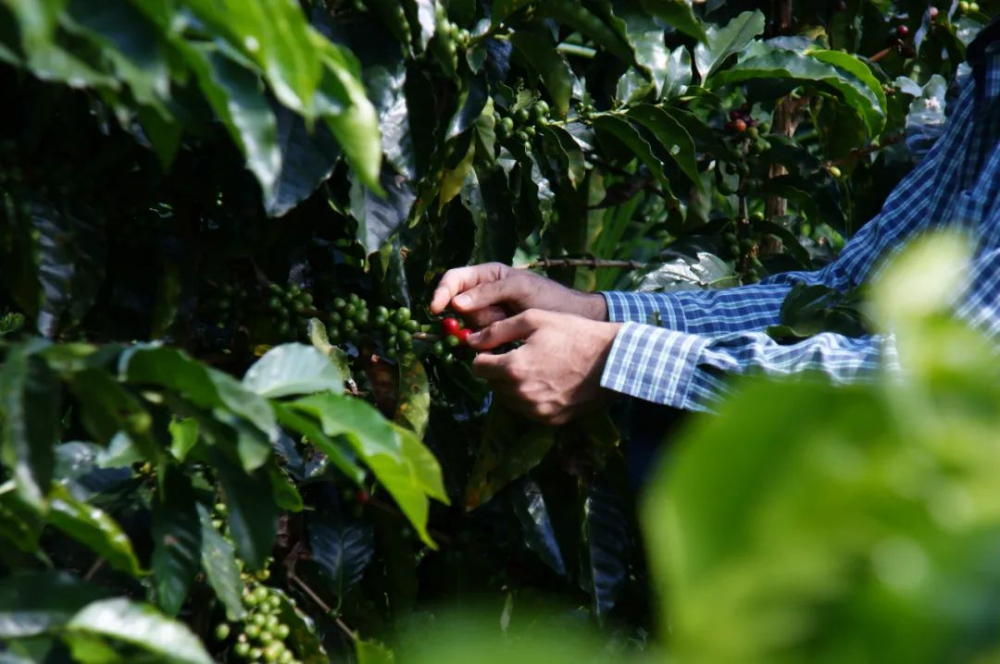
In terms of processing methods, the vast majority of Colombian coffee is processed using the washed method (Washed Process). This not only preserves the clear flavors of the coffee beans but also results in a cleaner and purer taste. The key to the washed method lies in mechanically removing the fruit skin and pulp, then using a small amount of water and fermentation steps to remove the mucilage layer adhering to the beans. Traditionally, farmers use self-designed Ecomill or Eco-Pulper equipment. After removing the pulp, the parchment-covered beans are soaked in water tanks for brief fermentation, then rinsed with clean water, and finally spread evenly on raised beds or cement surfaces to sun-dry until they reach the desired moisture content.
Colombia’s coffee bean grading system is primarily based on bean size and appearance quality, using screen sizes for classification. The most commonly exported grades include UGQ, EP (European Preparation), and Supremo. However, regardless of grade, as long as specific standards are met, they are often ultimately classified under the Excelso grade, which is currently the main export standard used by the FNC. Excelso-grade coffee requires that at least 50% of the beans in a 500-gram sample must be larger than 15 mesh (approximately 1.18 mm), with the maximum screen size being 17 mesh, and no more than 5% of beans allowed to fall between 12 and 14 mesh. Additionally, green beans must be free of significant defects, pests, or off-odors, with moisture content not exceeding 12.5%, and overall flavors must be clean and consistent.
If you’d like to brew a representative cup of Colombian coffee at home, it is recommended to choose a medium-to-dark roasted bean, such as a washed Caturra from the Huila region. Its flavor profile is dominated by notes of nuts, chocolate, and caramel—rich and balanced. Using a KONO filter along with a medium grind (approximately 75% through a 20-mesh sieve, equivalent to a medium-fine pour-over grind) can effectively enhance body and richness while avoiding over-extraction and unwanted bitterness.
Recommended brewing parameters are as follows: Use a KONO filter, water temperature around 90°C, coffee-to-water ratio of 1:15 (for example, 15 grams of coffee to 225 grams of water), and a grind size of 75% through a 20-mesh sieve. Employ the three-pour method: the first pour adds double the coffee’s weight in water (about 30 grams) for a 30-second bloom; the second pour adds water with a slow stream up to 125 grams, then, after the water level drops, continue pouring to 225 grams for the third pour. Total extraction time is approximately 2 minutes. These parameters help bring out the nutty and caramel aromas of the coffee while maintaining a smooth mouthfeel and moderate acidity.
The brewed Colombian coffee offers an immediate impression of distinct chocolate and nut tones, with a soft caramel note in the aftertaste. Its acidity is mild yet layered. As the temperature drops, more delicate fruit acidity and sweetness can be appreciated. It is a classic choice that is suitable for daily drinking and easy to experience the diverse flavors of coffee.
The above content is compiled by CoffeeHunters, a coffee news website.


