








Introduction:Tanzanian coffee is renowned for its rich body, mild acidity, and complex aromas, carving out a notable presence in the global specialty coffee market and earning the esteemed title of "coffee gentleman." This article delves into the main coffee varieties of Tanzania, the distinctive characteristics of its three core producing regions, its rigorous grading system, and the washed processing method. It also provides a detailed comparison of the flavor profiles between the Kilimanjaro and southern regions. Additionally, professional roasting curves, cupping records, and V60 pour-over parameters are included to help you fully grasp the essence of this East African specialty coffee.
Tanzanian coffee is world-famous for its unique rich texture, gentle acidity, and intense aroma, and is hailed by European consumers as the "coffee gentleman." Alongside Blue Mountain and Mocha, it is considered one of the "three musketeers of coffee." This East African specialty coffee not only excels in aroma but also captivates global coffee enthusiasts with its layered and nuanced flavors. This article will take you through a comprehensive understanding of Tanzanian coffee—from variety origins, major growing environments, grading systems, and processing methods, to a flavor comparison between the Kilimanjaro and southern regions—unveiling its diverse profile.

The history of coffee cultivation in Tanzania dates back to 1898, when Catholic missionaries first introduced the Bourbon variety to the Kilimanjaro region, followed by the Kent variety in 1920. To this day, Bourbon and Kent remain the primary cultivated varieties in Tanzanian coffee. Bourbon coffee cherries are round and firm, with dense flesh and seeds, typically exhibiting bright acidity and high sweetness. Though its yield is slightly higher than that of Typica, it remains low-yielding and is susceptible to leaf rust. The Kent variety, originating as a hybrid of Typica from India, boasts strong disease resistance and stable yields, making it suitable for commercial cultivation.
Tanzania’s main coffee-growing regions include Kilimanjaro, Ruvuma, and Mbeya. Kilimanjaro is the oldest and most iconic Arabica-producing region in Tanzania, situated around Africa’s highest peak—Mount Kilimanjaro—at elevations ranging from 1,050 to 2,500 meters. The main harvest season runs from July to December each year. This region has a long history of coffee cultivation. Although its infrastructure is well-developed, overall production has been on a decline due to aging coffee trees and competition from other crops.
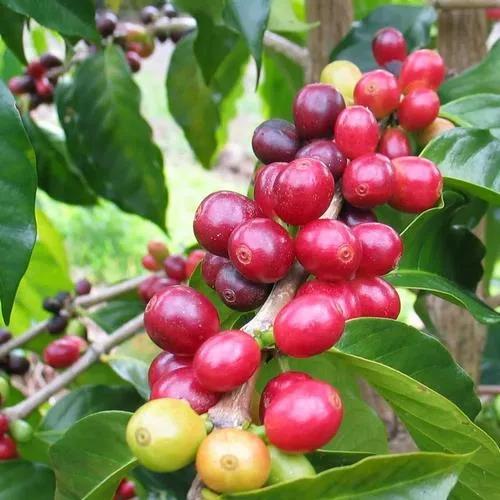
Ruvuma is located in the southernmost part of Tanzania and is named after the Ruvuma River that flows through the area. The main planting areas are concentrated in the Mbingo region, at elevations of approximately 1,200 to 1,800 meters. The primary harvest season is from June to October, and it is regarded as a high-potential region for producing high-quality coffee.
Mbeya is situated near Mbeya City in southern Tanzania and serves as a hub for high-value export crops, including coffee, tea, cocoa, and spices. The region’s elevation ranges from 1,200 to 2,000 meters, with the harvest season also occurring from June to October. In recent years, it has attracted attention from numerous certification bodies and non-governmental organizations dedicated to improving the overall quality and market reputation of local coffee.
Tanzania’s coffee grading system is similar to that of its neighbor Kenya, primarily based on bean size. Specific mesh sieves are used, with higher sieve numbers indicating larger beans.AA Grade:Represents the largest beans, screened through 17–18 mesh (approximately 7.20mm);AB Grade:Slightly smaller, screened through 15–16 mesh (approximately 6.8mm–6.2mm);PB Grade:Peaberry type, accounting for about 10% of total production;C Grade:Smaller in size, screened through 12–14 mesh (approximately 4.8mm–5.6mm). Among these, AA and PB grades are generally considered representative of high quality.
Most Tanzanian coffee is processed using the washed method. The process begins with the removal of impurities, followed by the extraction of pulp and outer skin, then fermentation to remove the mucilage layer from the inner parchment, and finally washing and drying. This method preserves the coffee’s clean flavors and bright acidity, which are key factors in defining Tanzanian coffee’s unique character.
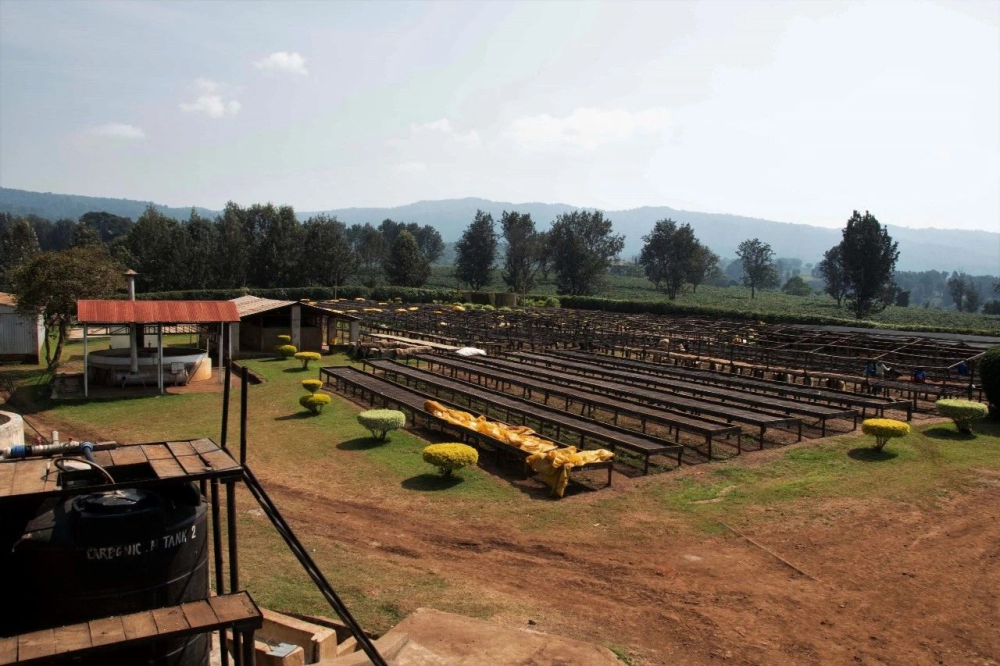
Coffee from the Kilimanjaro region is grown in volcanic soil at elevations mostly between 1,300 and 2,000 meters, giving it a distinctive personality of rich body and balanced acidity. The AA-grade washed coffee beans produced here are uniformly plump in shape, with a grayish-green hue, intense aroma, soft acidity, and notable sweetness. A certain café uses a medium-light roast, with an inlet temperature of 170°C, yellowing point at 6’30” and 150.8°C, first crack starting at 10’16” and 182.7°C, and ending the roast 1’45” into the first crack development at 193°C. Cupping notes reveal layers of citrus, berries, and tea-like qualities, with flavor descriptions including honey, berries, and gentle citrus—making it highly suitable for pour-over brewing.
V60 Brewing Recommendation: Use a 1:15 coffee-to-water ratio, water temperature at 91°C, and grind size similar to fine sugar (approximately 80% passing through a #20 sieve). The brewing steps are as follows: 30g water for a 30-second bloom, then pour 125g of water, wait until the water level drops halfway before adding another 225g. Total extraction time is around 2 minutes. The resulting brew exhibits honey-like sweetness, berry acidity, and tea-like undertones, with a clean and lingering aftertaste.
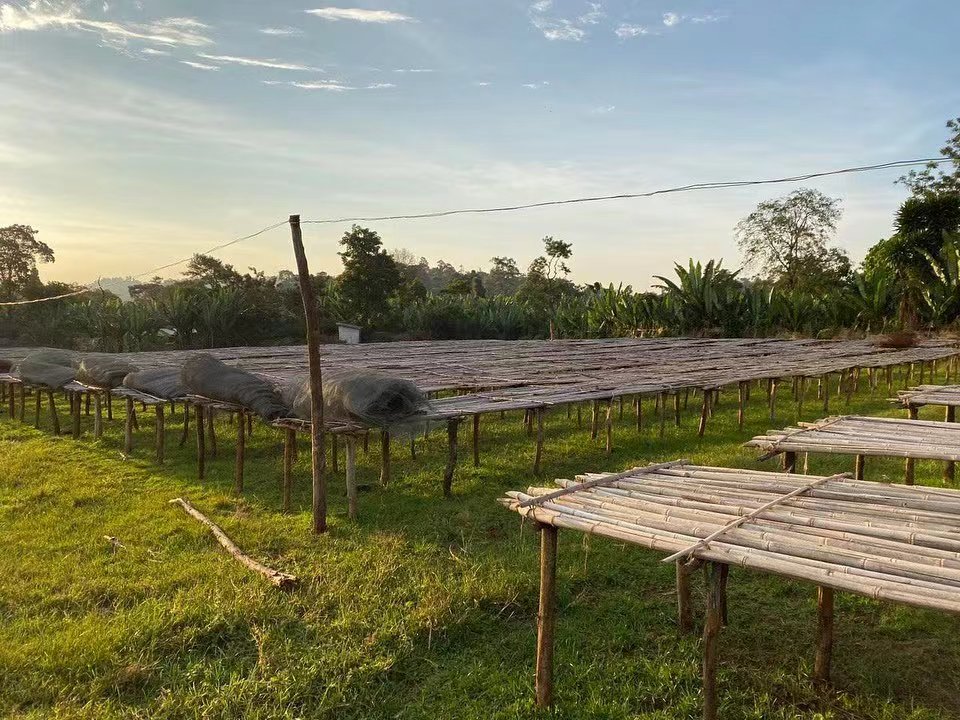
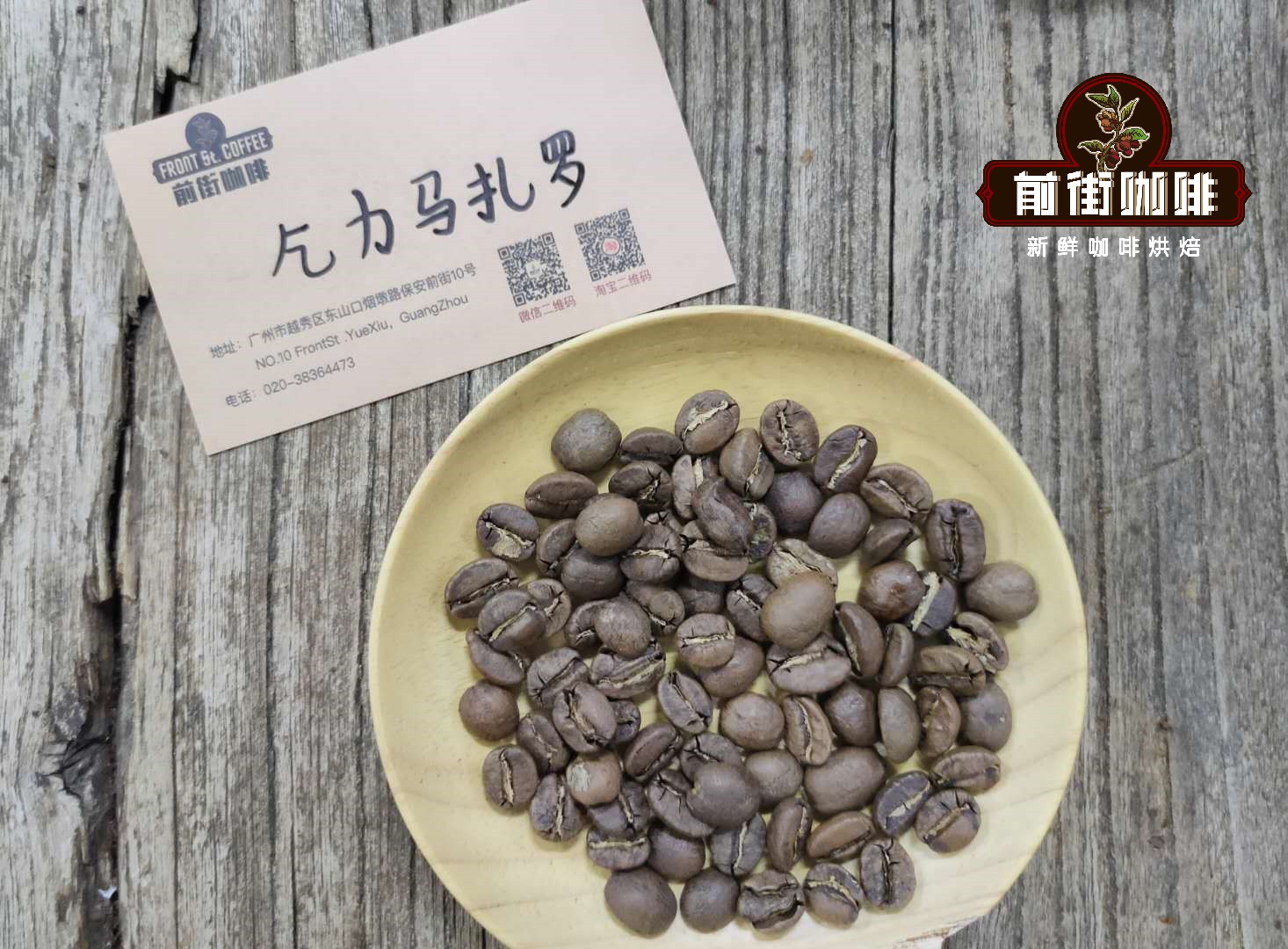
Compared to Kilimanjaro, coffee from Tanzania’s southern regions also mainly uses the Bourbon variety and washed processing, at elevations ranging from 1,200 to 2,100 meters. While the flavors are equally impressive, they tend to be softer and rounder, with gentler acidity and often a pronounced nutty richness upon cooling. A certain café uses a medium-light roast for their southern beans, with an inlet temperature of 170°C, yellowing at 6’15” and 150.8°C, first crack beginning at 10’03” and 182.7°C, and completing the roast 1’50” into the first crack development at 194°C. Cupping records show dry aromas of berries and fermentation, wet aromas of floral notes, and cup flavors combining citrus, caramel, nuts, and fermented layers.
Recommended V60 Brewing Settings: Coffee-to-water ratio of 1:15, water temperature at 91°C, and the same grind size as fine sugar (80% passing through a #20 sieve). The process involves a 30g water bloom for 30 seconds, then pouring to 125g, waiting for the water level to drop halfway before adding 225g more, keeping the total brew time within 2 minutes. Flavor descriptors include floral, berry, citrus, and nut notes, delivering a balanced and layered cup.
Overall, Kilimanjaro coffee features brighter and livelier acidity, with rich layered flavors, juice-like qualities, and sweet aromas. In contrast, southern-region coffee exhibits a warmer, fuller-bodied character, often releasing intense nutty notes and chocolatey aftertastes upon cooling. Whether you prefer bright and refreshing flavors or rich and stable coffee experiences, Tanzania’s two major regions offer distinctly different taste adventures.
The above content is compiled by CoffeeHunters, a coffee news website.


