







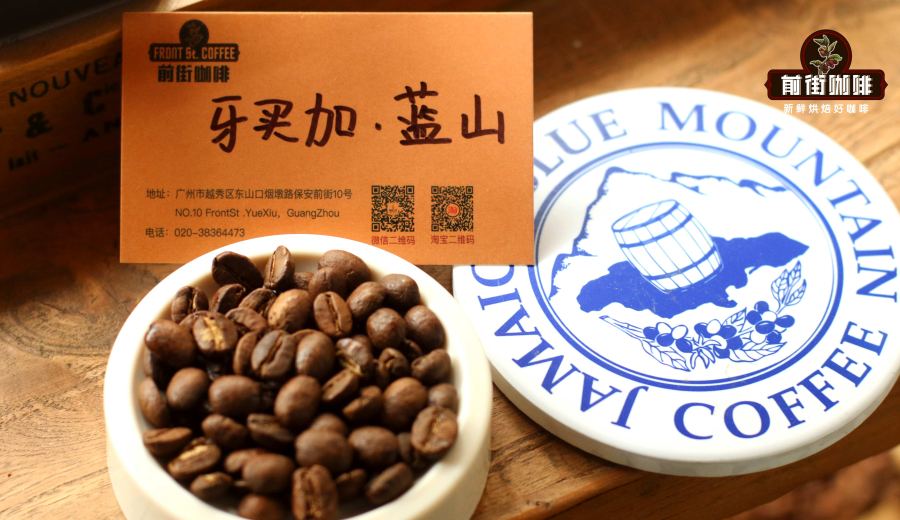
Introduction:Jamaica Blue Mountain coffee is renowned for its balanced and delicate flavor profile, making it a prized coffee among enthusiasts worldwide. This article delves into the grading system, major producing regions, and well-known estates of Blue Mountain coffee, tracing its historical evolution from cultivation to importation. It also offers practical tips for identifying authentic beans. Whether you're new to the flavors of Blue Mountain or seeking trustworthy purchasing channels, you'll find essential insights here.
Jamaica Blue Mountain coffee is hailed as one of the most balanced coffees in the world, where sweetness, acidity, and bitterness blend seamlessly, with almost no noticeable harshness and an exceptionally mild acidity. This unique flavor profile makes it a top choice for pour over coffee lovers. This article will detail the grading standards, primary producing areas, and representative estates of Blue Mountain coffee, trace its journey into the Chinese market, and share key points for identifying genuine Blue Mountain coffee to help you gain a more comprehensive understanding of this legendary brew.
Grading and Varieties of Jamaica Blue Mountain Coffee
Jamaican coffee can be divided into three main categories: Jamaica Blue Mountain Coffee, Jamaica High Mountain Supreme Coffee Beans, and Jamaica Prime Coffee Beans. Among them, Blue Mountain coffee is graded from highest to lowest as NO.1, NO.2, NO.3, and PB (peaberry), with this classification strictly established by the Jamaica Coffee Industry Board (CIB). Only coffee grown at elevations above 666 meters qualifies as "Blue Mountain coffee."
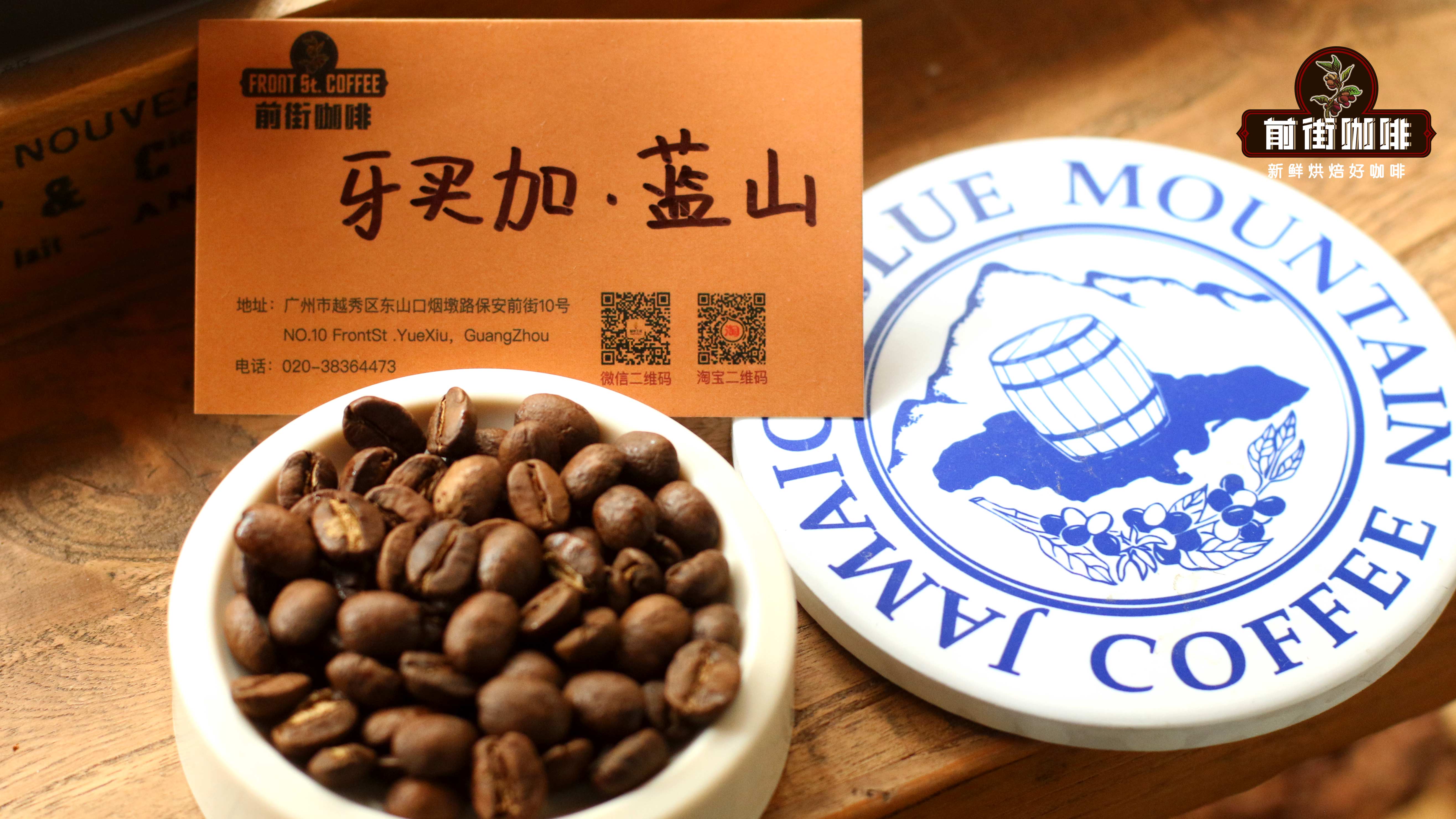
Jamaica High Mountain Supreme Coffee Beans are cultivated in areas below 666 meters in the Blue Mountains region. Though slightly inferior to Blue Mountain coffee, their flavor remains excellent and they are often regarded as an ideal substitute. As for Jamaica Prime Coffee Beans, they refer to coffee grown outside the Blue Mountain range, differing significantly in both flavor and value from Blue Mountain coffee.
Growing Regions and Notable Estates of Blue Mountain Coffee
The core producing area of Blue Mountain coffee is located in the Blue Mountains region east of Kingston, the capital of Jamaica, encompassing five peaks: John Crow, St. John's Peak, Mossman's Peak, High Peak, and Blue Mountain Peak. Currently, the coffee-growing area in this region is only about 6,000 hectares, which is quite limited. It’s worth noting that there’s a common misconception that only coffee grown above 1,800 meters qualifies as Blue Mountain, but in reality, only a very small number of estates—such as the Amber Estate—meet this criterion, and their production is extremely scarce. Blue Mountain coffee is primarily distributed across the aforementioned five mountainous areas, not just the highest peak.
Mavis Bank is currently the largest Blue Mountain coffee estate, with its product barrels marked with the letters M.B.C.F. In addition, smaller estates such as Wallenford Estate, Silver Hill Estate, and Atlanta Estate are also known for producing high-quality Blue Mountain coffee. Many of these estates are family-run and have histories spanning over two hundred years.
The Introduction of Blue Mountain Coffee to the Chinese Market
The Chinese market only gained direct access to independently imported Blue Mountain coffee starting in 2011. This change followed the expiration of Japan’s original priority purchasing rights after the 2008 global financial crisis. To reduce dependence on a single market, the Jamaican government actively sought cooperation with China. In 2010, the Hangzhou Coffee and Western Food Industry Association was invited to visit Jamaica and signed a letter of intent to act as the general agent for Blue Mountain coffee in China and Eastern Europe. Since then, China has been able to directly import Blue Mountain coffee beans, with Clifton Estate (owned by the Sharpe family) being one of the long-term and stable sources supplying the Chinese market.
How to Identify Authentic Blue Mountain Coffee
Due to the prestigious reputation of Blue Mountain coffee, the market is flooded with various "Blue Mountain-style" or "Blue Mountain-blend" products, and even some blends that claim to be pure Blue Mountain but contain no actual Blue Mountain beans. Here are several key points for identification:
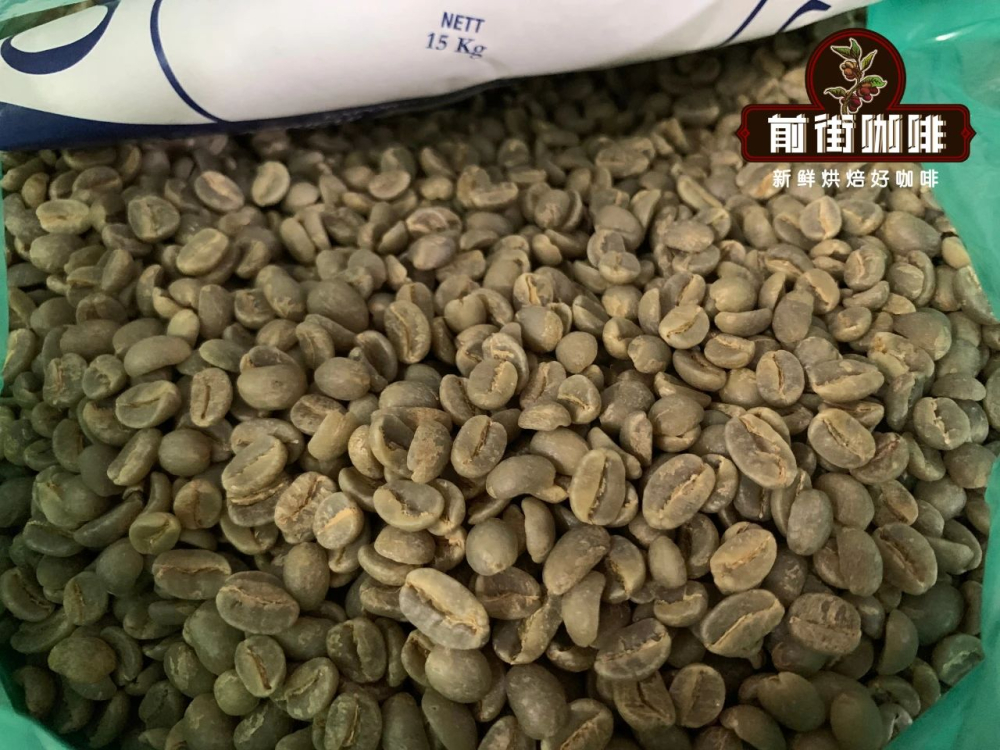
1. Appearance: Genuine Blue Mountain green beans are uniformly medium to small in size, with a greenish hue and slightly upturned ends. After roasting, the beans visibly expand, appearing plump.
2. Grinding Feel: Due to high-altitude growth, Blue Mountain coffee has a loose cellular structure, resulting in a smooth, unobstructed feel when ground by hand.
3. Aroma: Authentic Blue Mountain coffee emits a rich and robust aroma, whereas blends noticeably lack this characteristic.
4. Flavor: True Blue Mountain coffee offers a balanced taste, with sweetness, acidity, and bitterness harmoniously blended—none of which dominate. Peaberries have a more restrained aroma but a stronger flavor.
5. Overall Experience: Owing to its ultimate balance, Blue Mountain coffee often delivers an indescribable sense of satisfaction and pleasure to drinkers.
Barrel Shipping and Certification of Blue Mountain Coffee
Blue Mountain coffee is transported in 70-kilogram wooden barrels modeled after the traditional Bonifieur barrels of Guadeloupe. This packaging format carries historical significance. Each batch of Blue Mountain coffee must be inspected by the Jamaica Coffee Industry Board before export and is issued three official certification documents: a quality certificate, an authorized sales certificate, and a certificate of origin, ensuring the authenticity of its source and quality.
The above content is compiled by CoffeeHunters, a coffee news website.


