







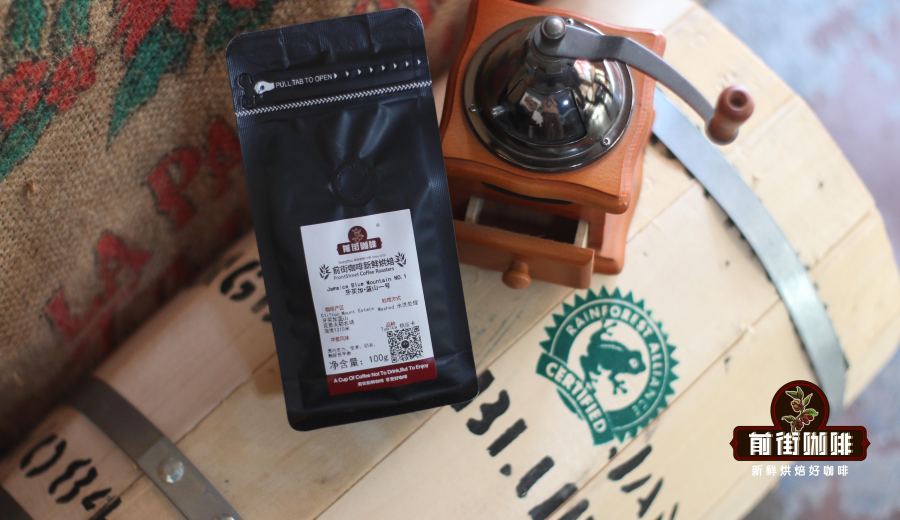
Introduction:Blue Mountain coffee is hailed as the pinnacle of the coffee world, but there are numerous rumors in the market about its authenticity and pricing, often leaving consumers at a loss. This article will delve into the grading system, origin characteristics, and import status of Blue Mountain coffee, and based on actual market conditions, help you understand the reasonable price range of genuine Blue Mountain coffee, while also teaching you how to identify the real deal and avoid overspending.
Blue Mountain coffee has long been regarded as the "Hermès of the coffee world," with its unique balanced flavor and rich mouthfeel attracting many coffee enthusiasts. However, there are quite a few outdated or even incorrect claims circulating online about its price and authenticity. Some claim that Japan monopolizes the Blue Mountain market, making it impossible to buy No. 1 beans in Taiwan; others believe that a single cup of authentic Blue Mountain coffee starts at no less than 300 yuan. What’s the truth? We’ll explore the origin background, grading standards, and import history of Blue Mountain coffee, and combine them with real market data to help you calculate a fair price for Blue Mountain beans, while also teaching you how to distinguish between genuine and fake Blue Mountain.
First, let’s clarify what constitutes “authentic” Blue Mountain coffee. According to the Jamaica Coffee Industry Board (CIB), only coffee grown within a specific area of the Blue Mountains—approximately 6,000 hectares—using the Typica variety can be called “Blue Mountain coffee.” This area includes the parishes of St. Thomas, St. Mary, St. Andrew, and Portland, at elevations between 910 and 1,700 meters, covering only one-third of the total Blue Mountain cultivation zone. Coffee produced in other areas, even if of good quality, can only be classified as “High Mountain coffee.”
The Blue Mountain range benefits from a unique island-type tropical rainforest microclimate due to its location in the Caribbean. Rainfall is concentrated during the wet season with good drainage, and the volcanic soil is rich in minerals, allowing coffee trees to thrive healthily without excessive artificial irrigation or fertilization. The abundant sunlight, cool climate, and year-round high-altitude environment shrouded in thin mist create the delicate and layered flavors of Blue Mountain coffee. Local farmers often intercrop coffee trees with banana trees, which not only provide shade but also improve soil fertility.
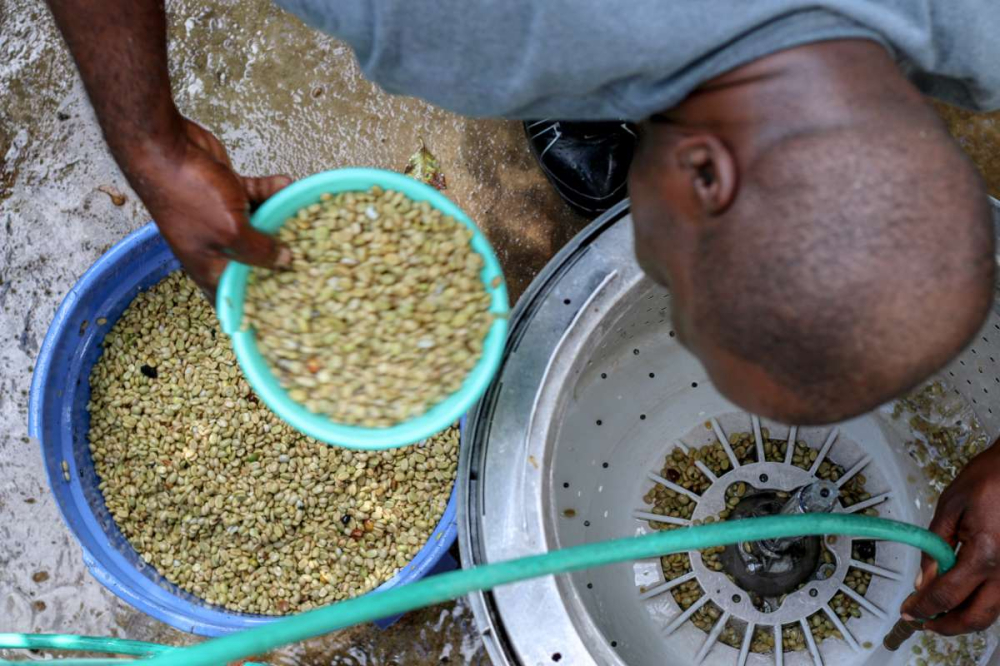
The harvesting and processing of Blue Mountain coffee are also extremely meticulous. Coffee cherries are immediately sent to processing facilities after ripening, where the pulp and flesh are removed using the washed method, followed by a refined drying process. This rigorous procedure ensures that Blue Mountain coffee ultimately delivers a rich, dense aroma of chocolate and roasted hazelnuts, achieving an excellent balance among acidity, sweetness, bitterness, aroma, and body. It is precisely for this reason that Blue Mountain coffee has earned its place among the world’s top-tier coffees.
When it comes to the price of Blue Mountain coffee, many people still hold onto outdated impressions, believing that No. 1 beans are simply unavailable domestically, and that most so-called “Blue Mountain coffee” sold in the market is only No. 3 grade—while not cheap, it still falls short of true top-tier quality. In fact, Japan was indeed once the primary importer of Blue Mountain coffee, at one point taking up the majority of the quota. However, according to official Jamaican data, as early as 2011, mainland China had become the fourth-largest importer of Blue Mountain coffee, following Japan, the United States, and the United Kingdom. After the 2008 financial crisis, when Japan’s previously held priority purchasing rights expired, the Jamaican government opened up more markets, and China has been importing Blue Mountain coffee through official channels since 2011.
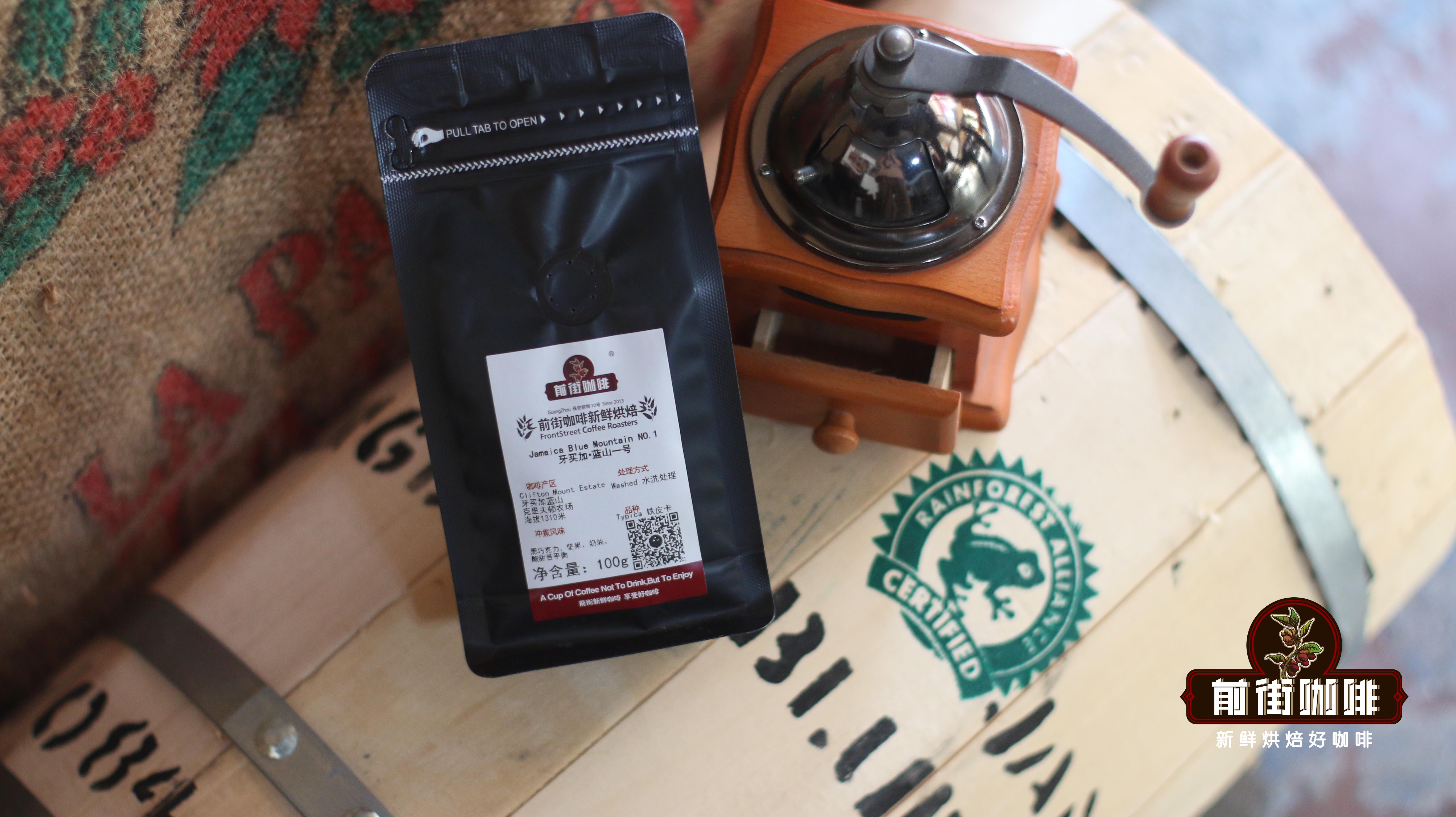
Currently, the genuine Blue Mountain coffee available in the domestic market mainly comes from long-term suppliers such as the Clifton Estate. Taking actual market prices as an example, the roasted beans of Blue Mountain coffee imported by a certain coffee shop are priced at approximately 158 yuan per 100 grams, while the tasting price at the counter is 60 yuan per cup. Although such prices may be lower than some consumers’ expectations, when calculated based on green bean costs—for instance, 1 kilogram of Blue Mountain green beans sells for about 550 yuan on Taobao, translating to a roasted bean cost of around 68 yuan per 100 grams—the pricing is actually quite reasonable. Especially when purchasing in bulk and cutting out multiple layers of middlemen, the prices become even more competitive.
As for the grading of Blue Mountain coffee, it is mainly divided into No. 1 (Blue Mountain), No. 2 (High Mountain Blue Mountain), and No. 3 (Blue Mountain Blend) grades. Among these, No. 1 beans are the highest grade, with uniform bean size, extremely low defect rates, and the most outstanding flavor performance; No. 3 beans are mostly blends, with relatively more affordable quality and price. However, regardless of the grade, as long as they meet the strict standards set by the CIB, they can all be considered authentic Blue Mountain coffee. When purchasing, in addition to referring to the price, consumers can also request the original wooden barrel and relevant certification documents from the seller to confirm the origin and grade.
In summary, while the price of Blue Mountain coffee is certainly not cheap, it is not unattainable either. With the diversification of import channels and the increasing transparency of market information, consumers now have more opportunities to taste genuine Blue Mountain coffee from Jamaica. By mastering basic knowledge about its origin, grading system, and market conditions, you can avoid being misled by false information and find a Blue Mountain coffee experience that balances both value and quality.
The above content is compiled by CoffeeHunters, a coffee news website.


