







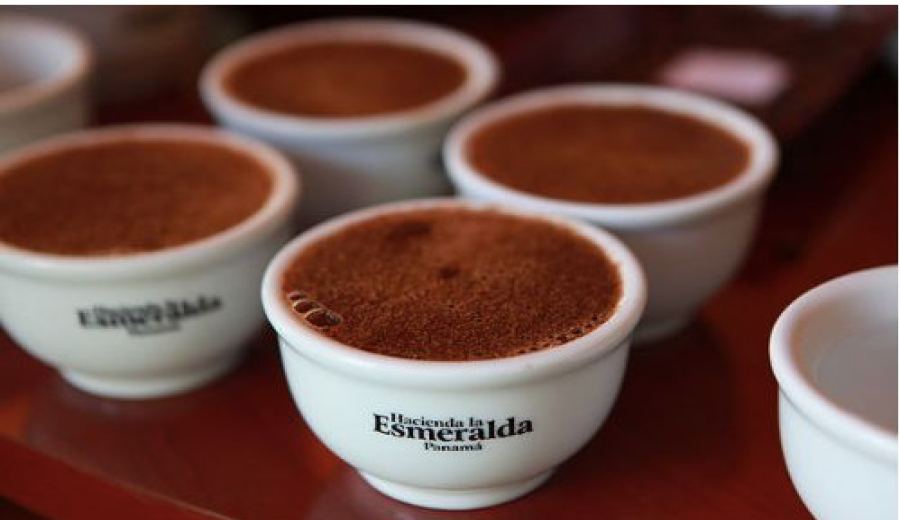
Introduction:Panamanian Geisha coffee, with its distinctive floral aroma and bright acidity, has become a prized favorite among specialty coffee enthusiasts. This article takes you from the origins of Geisha, delving into its journey from Ethiopia to Panama, and provides a detailed analysis of flavor differences across major global producing regions such as Colombia, Costa Rica, and Ethiopia. It also explores the classification criteria for the three tiers of La Esmeralda Estate’s Geisha and the optimal brewing methods, complete with detailed pour over parameters and flavor profiles for each, helping you fully grasp this jewel of the coffee world.
Geisha coffee, also known as Gesha coffee, is renowned in the global specialty coffee market for its elegant floral notes, delicate acidity, and long-lasting finish. This variety can be traced back to the Gesha region of Ethiopia, where it was discovered around 1931, and subsequently traveled through Kenya, Uganda, and Tanzania before arriving in Panama in the 1970s. Initially overlooked in Panama, it wasn’t until 2004 when Hacienda La Esmeralda entered it into the Best of Panama (BOP) competition and won first place that it shot to fame, becoming the highly sought-after specialty coffee craved by enthusiasts worldwide.
The reason Geisha has shined so brightly in Panama is closely tied to the local growing environment. Panama’s high-altitude regions, coupled with misty conditions and fertile volcanic soils, provide ideal growing conditions for Geisha. These environmental traits endow the coffee with pronounced floral notes, citrus tones, and a tea-like mouthfeel, creating its uniquely distinctive flavor profile. In contrast, although Geisha originated in Ethiopia, differences in local growing conditions and processing methods result in notably different flavor expressions compared to the Panamanian version.
Beyond Panama, Colombia, Costa Rica, and Ethiopia have also actively invested in planting and researching the Geisha variety in recent years. In Colombia, for example, Huamay Coffee Estate began commercially producing Geisha blends in 2020, combining varieties such as Caturra, Catuai, and Geisha to deliver captivating complex flavors including red pepper, chamomile, mandarin orange, and honey. The Miramar region of Costa Rica, with its volcanic soil and stable climate, produces Geisha blends with sweet notes of berries and raisins, enhanced by the raisin honey process that adds even more intense sweetness. As for Ethiopia, the Gesha Village Estate leverages its high altitude and pristine forest environment to produce Geisha with a yellow peach base note and a toffee-like finish, showcasing a tropical fruit character distinctly different from Panama’s.
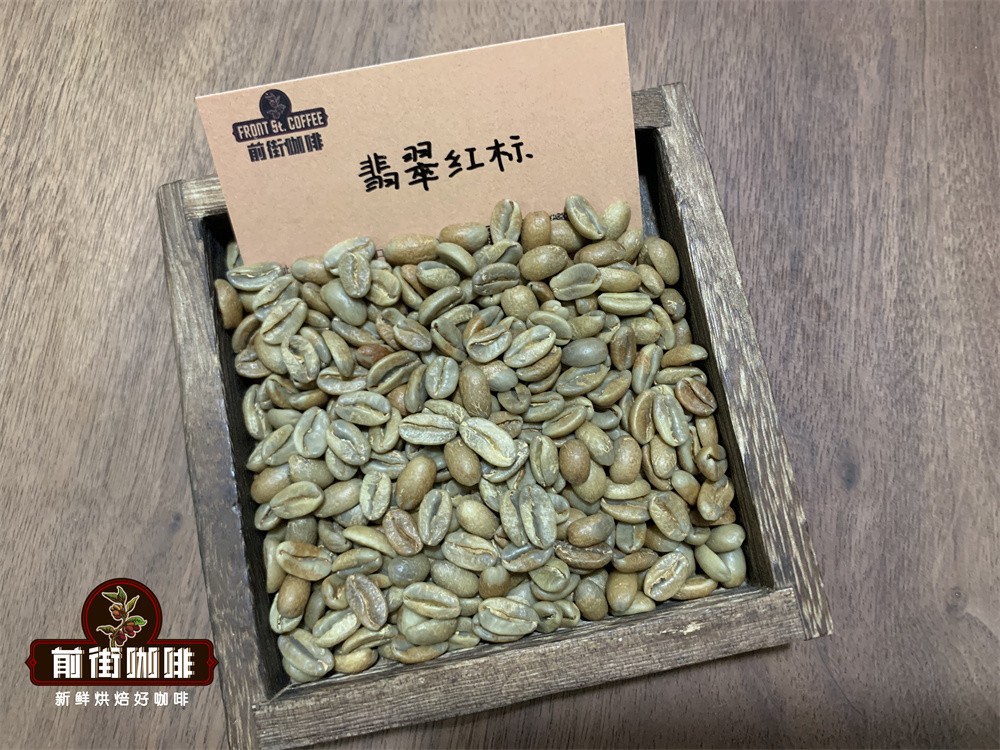
When talking about Geisha, one cannot overlook Panama’s Hacienda La Esmeralda Estate. Since its establishment in 1964, the estate has undergone decades of development, and finally in 2004, it won the BOP championship with the Geisha variety. La Esmeralda Estate classifies its Geisha into three main grades—Red Label, Green Label, and Blue Label—based on growing altitude and cupping performance. Among them,Red Label Geisha is sourced from the Jaramillo and Canas Verdes regions at altitudes of 1600–1800 meters, often scoring above 90 points in cupping, and is limited to specific micro-lots, typically processed using the natural (sun-dried) method, showcasing the most refined floral notes and citrus tones. It is a star product in the auction market.
Green Label Geisha belongs to a non-auction, high-quality micro-lot blend, also grown at 1600–1800 meters altitude. Though slightly less refined than Red Label, it still retains the classic floral and fruity notes of Geisha along with clear citrus acidity. Processing methods include washed and natural, offering relatively higher cost-performance. Meanwhile,Blue Label Geisha was originally sourced from the Jaramillo, Canas Verdes, and El Velo regions at altitudes of 1400–1500 meters, and was previously only available in washed processing. Starting in 2020, a natural option was added, delivering richer fruit sweetness, but after 2021, this grade was discontinued and replaced by the “Volcánico” batch, which features similar flavor characteristics.
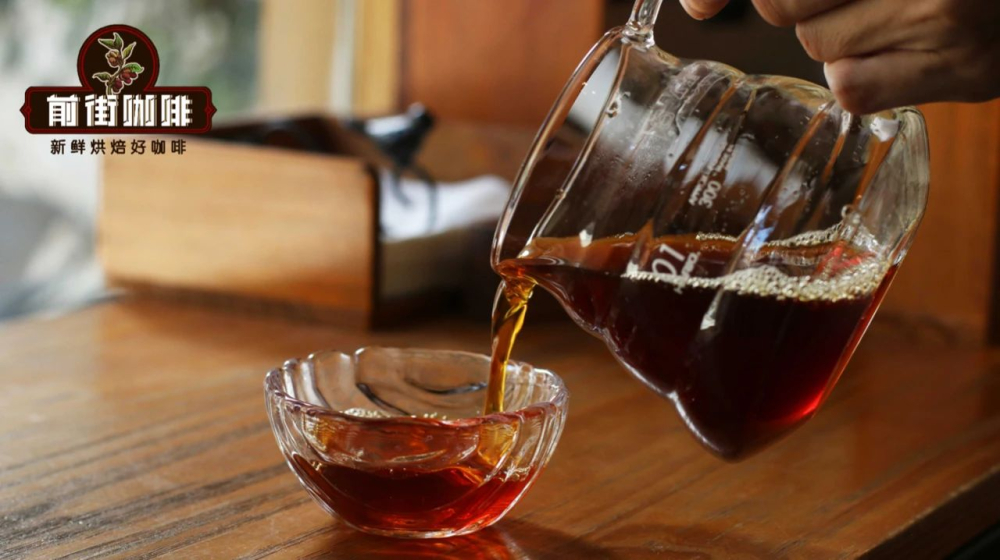
For pour over enthusiasts, it is recommended to use freshly roasted Geisha beans, with the optimal tasting period being 4 to 7 days post-roast. Taking La Esmeralda’s natural Red Label as an example, it is recommended to use a Hario V60 dripper, with water temperature controlled at 90°C, a coffee dose of about 15 grams, a brew ratio of 1:15, and a grind size of medium-fine (approximately 80% passing through a Chinese standard No. 20 sieve, or equivalent to BG#6S). Use the three-stage pouring method: start with a 30-gram bloom for 30 seconds, then pour in a slow circular motion up to 125 grams for the first pour, wait for the water level to drop, then continue pouring up to 225 grams before stopping, with a total brew time of about 2 minutes. Finally, gently swirl the coffee in the filter to mix, then pour into your cup for drinking to fully experience Geisha’s multi-layered flavors.
Different grades of Geisha also present their own unique flavor profiles when brewed using pour over.Natural Red Labelexhibits bright rose floral notes, citrus, berries, and apricot aromas, with a balanced sweet and acidic profile and rich layers, delivering a juice-like intensity in the mouthfeel.Washed Green Labelis dominated by jasmine floral notes, complemented by citrus, cantaloupe, and a creamy mouthfeel, overall fresh and elegant with a long-lasting finish.Washed Blue Labelpresents a relatively crisp profile, with gentle acidity from lemon and grapefruit, and a honey and oolong tea-like sweetness in the aftertaste.Natural Blue Labelis known for its intense fruitiness and fermented aromas, with a sweet flavor profile reminiscent of tropical fruit juice, suitable for those who prefer a pronounced sweetness.
In summary, the charm of Geisha coffee lies not only in its rare varietal background but also in the rich flavor complexity brought by its high sensitivity to environment and diverse processing methods. Whether it’s the classic Red Label from Hacienda La Esmeralda in Panama, or the uniquely distinctive Geisha offerings from Colombia, Costa Rica, and Ethiopia, they all provide coffee lovers with a diverse range of tasting experiences. With the right brewing parameters and techniques, you can fully unlock the potential of Geisha and enjoy a soulful cup of specialty coffee.
The above content is compiled by CoffeeHunters, a coffee news website.


