







Introduction:Want to understand where Yunnan coffee’s unique flavors come from? This article delves into the genetic background of the Catimor variety, the natural advantages of the Baoshan growing region, and the impact of washed processing on flavor. From planting history to cupping practice, it provides a comprehensive analysis of the characteristics of Yunnan small-bean coffee, along with practical pour over parameters and flavor descriptions to help coffee enthusiasts gain a deeper understanding of this promising coffee.
When it comes to Yirgacheffe, many people think of bright floral notes and citrus acidity; discussing Panama Geisha brings to mind complex fruit aromas and sweet-tart pomelo notes; Blue Mountain coffee is known for its balanced profile of nuts and chocolate. However, when asked about the flavor characteristics of Yunnan coffee, many are at a loss for words. What is so special about Yunnan Catimor coffee? This article will take you through the variety’s traits, the natural conditions of the Baoshan growing region, the washed processing method, and cupping and pour over practices to give you a full understanding of the flavor origins of Yunnan coffee.
The History of Coffee Planting in Yunnan
The history of coffee cultivation in Yunnan dates back to 1904, when a French missionary planted the first Arabica coffee tree in Zhukula Village, Binchuan, Dali, marking the beginning of coffee cultivation in China. Early plantings were mostly of the Typica variety, which was referred to as “small-bean coffee” due to its smaller bean size. However, Typica has weak disease resistance, is susceptible to leaf rust, and yields are relatively low, offering limited economic benefits for farmers who rely on coffee for their livelihoods.
By the 1990s, with the introduction and promotion by Nestlé, Yunnan began planting the Catimor variety, which is highly resistant to disease and offers high yields, gradually replacing the original Typica. The introduction of Catimor significantly increased production, but early on there was less focus on flavor, and processing technology was limited at the time. Most coffee beans were used as raw materials for instant coffee and exported to European markets.
The Genetics and Characteristics of the Catimor Variety
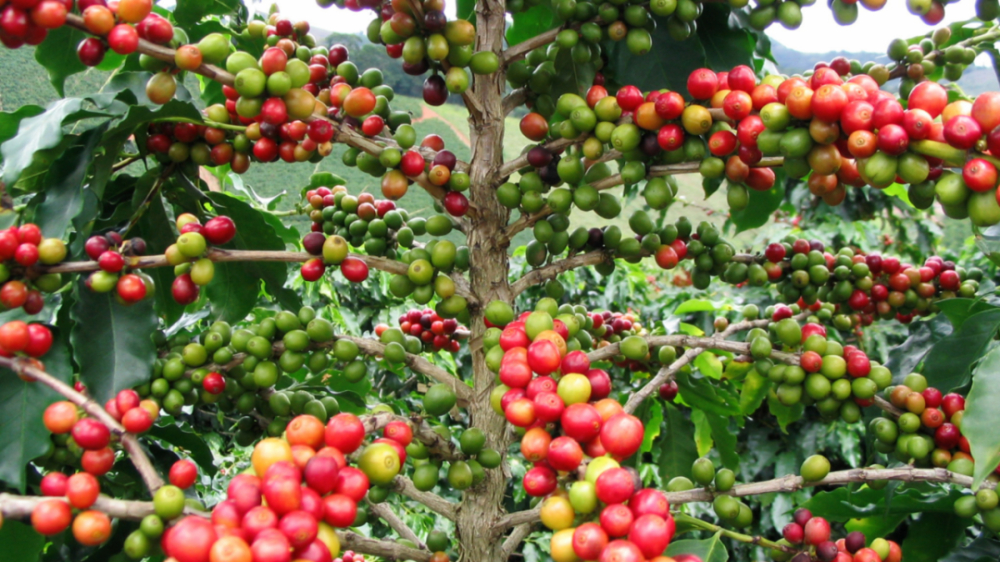
The Catimor variety is a hybrid descendant of Arabica and Robusta. Specifically, it is the result of a cross between the Bourbon natural mutation Caturra and the Robusta variety Timor, carrying approximately 25% Robusta genetics.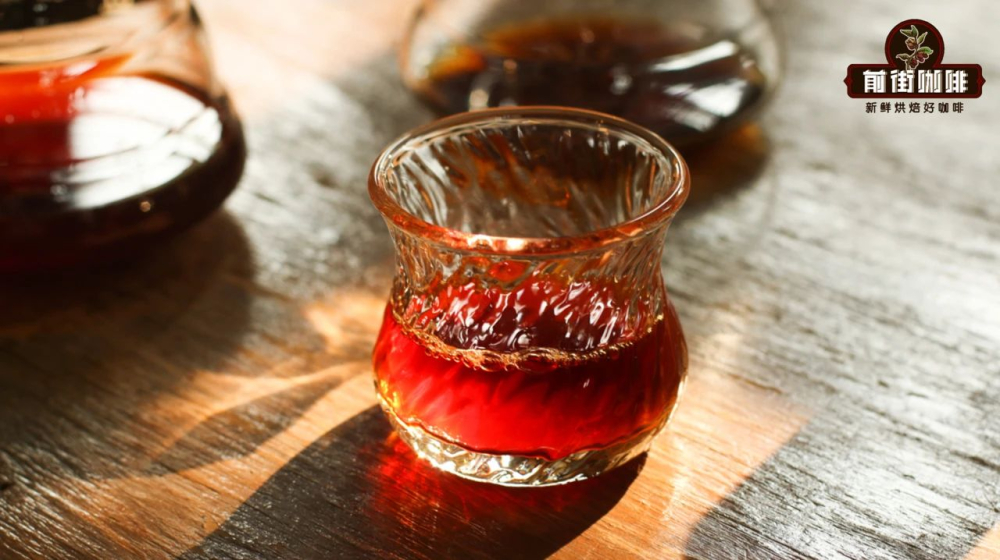 The Robusta variety is often considered to have an intense “devilish taste,” but Catimor inherits Robusta’s disease resistance and high-yield traits while retaining some of Arabica’s acidity expression.
Catimor is suitable for cultivation in sloped areas above 1,200 meters. Yunnan’s fertile soil, abundant sunshine, moderate rainfall, and the large day-night temperature variation brought by high altitude provide an ideal growing environment for Catimor. However, due to the influence of Robusta genetics, Catimor often lags slightly behind other pure Arabica varieties such as Caturra or Catuai in high-quality evaluations, yet it still possesses unique flavor potential.
Baoshan Growing Region: A Premium Representative of Yunnan Coffee
Yunnan’s Catimor coffee is mainly distributed across eight major growing regions: Nujiang, Dali, Baoshan, Dehong, Lincang, Pu’er, Wenshan, and Xishuangbanna. Among them, the Baoshan growing region is renowned for its long planting history and superior natural conditions. Since the 1950s, Baoshan has been engaged in large-scale coffee cultivation, and in 2010, it was awarded China’s National Geographical Indication Product certification, being hailed as “one of the best-producing regions for premium small-bean coffee.”
The coffee planting altitude in the Baoshan growing region mainly ranges between 800 and 1,400 meters, with areas above 1,200 meters producing higher-quality coffee. The region has a subtropical monsoon climate, with an average annual temperature of around 21 degrees Celsius, abundant sunshine and rainfall, and no frost throughout the year, providing a stable growing environment for coffee trees. These conditions make Baoshan an important coffee-producing area in Yunnan and a source of everyday beans for many coffee brands.
Washed Processing: The Core Technique for Flavor Expression
The coffee harvest season in Yunnan mostly occurs in winter, when sunlight conditions are less stable compared to other seasons. As a result, most coffee beans are processed using the washed method. Washed processing can effectively highlight the intrinsic flavors of the coffee beans and maintain quality stability.
The processing procedure includes: manually picking ripe coffee cherries, first using a water bath to float off defective cherries, then using machines to remove the pulp and flesh. The mucilage-covered beans are then placed in fermentation tanks for about 24 hours of fermentation, using acidic substances to break down the mucilage layer. After fermentation, the beans are thoroughly washed with clean water, and finally the parchment-covered beans are spread out to dry until the moisture content meets the standard, after which they are packed and stored.
Although many innovative processing methods have emerged that can highlight the aromatic characteristics of coffee, washed processing is still considered the best way to understand the foundational flavors of a growing region. Some producers recommend Yunnan everyday beans that are processed using the washed method, sold in 100-gram small packages, allowing consumers to experience the original flavors of Yunnan Catimor coffee at a reasonable price while reducing waste.Flavor Characteristics and Brewing Recommendations for Yunnan Catimor Coffee
According to cupping results, Yunnan Catimor coffee typically exhibits aromas of nuts and brown sugar, with soft acidity featuring plum-like notes and a balanced mouthfeel. To highlight its nutty aroma and fruity acidity, the roast level is often chosen to be medium, preserving the fruit acidity while maintaining a rich body.
For brewing, it is recommended to use a V60 filter cone, paired with a medium-fine grind size (80% passing rate on a Chinese No. 20 standard sieve) and water at 90 degrees Celsius. Suggested pour over parameters are: 15 grams of coffee grounds, a 1:15 coffee-to-water ratio, a 30-second bloom, and segmented pouring to 225 grams, with a total extraction time of about 2 minutes.
 The aroma of ground coffee is prone to volatilization, so it is recommended to grind and brew immediately. If pre-ground coffee must be used, brew it as soon as possible to ensure optimal flavor. Actual flavor profiles may include roasted nuts, herbal notes, and chocolate, with plum acidity and caramel sweetness emerging as the coffee cools. The overall mouthfeel is well-balanced.
The above content is compiled by CoffeeHunters, a coffee news website.


