







Introduction:Ethiopian coffee is widely loved for its unique floral and fruity aromas and relatively affordable prices. However, many consumers remain puzzled by the actual differences and purchasing advice when faced with common grade labels such as Yirgacheffe G1 and G2 on the market. This article will delve into the evolution of Ethiopia’s coffee grading system—from the early defect-count-based grading to the current ECX comprehensive scoring system. It will help you understand the differences in defect rates, cupping scores, and flavor profiles between washed and natural beans in G1 and G2 grades, and provide practical buying suggestions along with reasonable price references to help you choose your desired Ethiopian beans more wisely.
As one of the birthplaces of coffee, Ethiopia produces coffee beans renowned for their rich floral and fruity profiles and diverse processing method flavors. Their prices are also relatively more affordable compared to mainstream international coffee-growing regions, making them a popular entry choice for many coffee enthusiasts. However, when consumers enter the market and face a dazzling array of grade labels—especially the commonly seen Yirgacheffe G1 and G2—it is often difficult to judge their true differences and purchasing value. This article will comprehensively analyze the grade differences of Ethiopian coffee from aspects such as price, grading system evolution, defect rates, and cupping performance, and includes three key charts to aid understanding.
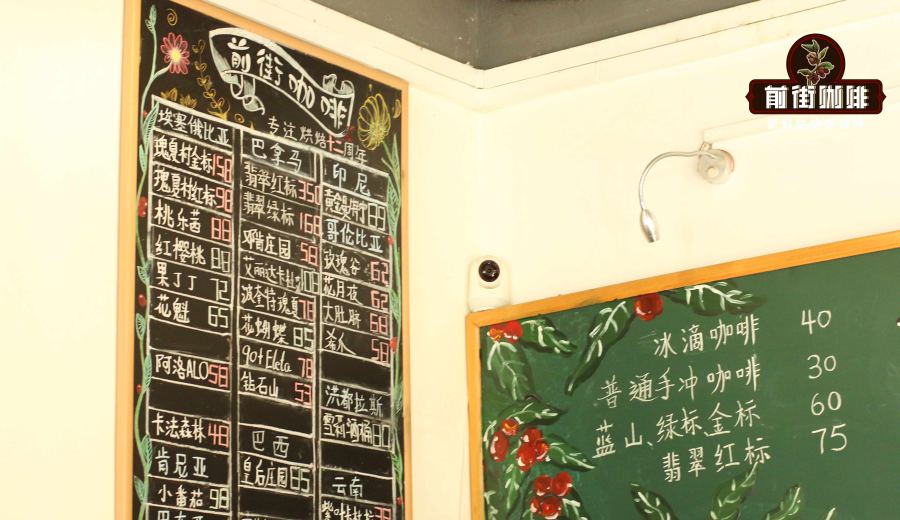
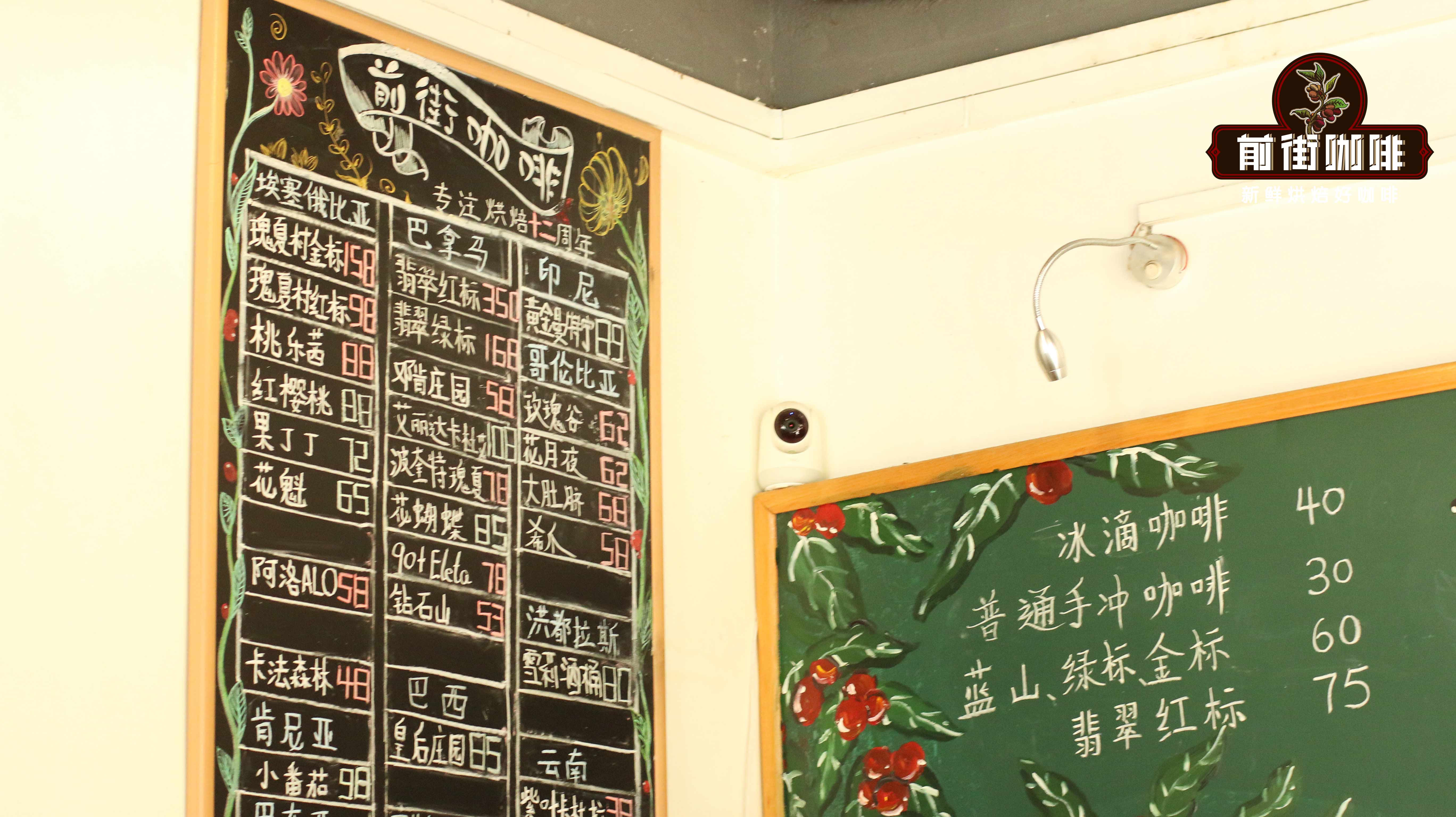
First, looking at actual commercially available bean offerings, Ethiopian Yirgacheffe region beans commonly fall within a price range of 30 to 40 yuan per 100 grams, varying depending on processing method and grade. For example, washed Yirgacheffe beans are typically priced around 70 to 90 yuan per 227 grams, while natural-processed beans are slightly lower or similar, but with noticeably different flavor profiles. These price ranges generally align with the international market positioning of Specialty Grade and Commercial Grade coffee, and serve as an important reference for purchasing decisions.
When it comes to the grading of Ethiopian coffee, its system evolution cannot be overlooked. In the early days, the CLU (Cupping and Liquoring Unit) under the Ministry of Agriculture was responsible for quality control of exported coffee. At that time, grading was mainly based on the number of defective beans: washed beans were divided into G1 and G2, while natural beans were classified as G3, G4, and G5—that is, the highest grade for natural beans was only G3. This grading method was relatively simplistic, focusing solely on physical defects and neglecting cupping flavor performance.
With the establishment of the ECX (Ethiopia Commodity Exchange), the grading system underwent significant changes. The new system is no longer limited to defect counts but comprehensively evaluates both physical characteristics and cupping flavors, categorizing coffee into three main types: Specialty (premium grade, suitable for export), Commercial (acceptable quality but not meeting specialty standards), and Local/Domestic (beans for local markets, often defective or poorly stored). Only Specialty and Commercial grades enter international market trade.
Specifically, the ECX scoring mechanism is divided into two major components: physical characteristics account for 40%, and cupping quality accounts for 60%. Within physical characteristics, the scoring focus for washed beans includes defect count (20%), bean size appearance (10%), color (5%), and aroma (5%); whereas for natural beans, greater emphasis is placed on defect count (30%) and aroma (10%). As for cupping quality, it uniformly assesses cleanliness, acidity, mouthfeel, and flavor characteristics, each accounting for 15%. This comprehensive scoring approach makes grade classification more scientific and closer to actual drinking experience.
Based on the above scoring, all coffee is first divided into washed and natural categories by processing method, then further graded into nine levels from G1 to G9. Among these, G1 to G3 are further cupped according to SCAA standards; if the cupping score reaches 85 or above, it is classified as Q1 grade; 80 to 85 as Q2; and below 80, even if it is G1 or G2, it can only be listed as G3 grade. Ultimately, only Q1 and Q2 are considered Specialty Grade and are eligible for export to high-end international markets, while G4 to G9, along with G3, are categorized as Commercial Grade.
Taking washed beans as an example, the defect standard for G1 is 0 to 3 beans per 300 grams, while G2 allows 4 to 12 beans. This means that under the same roasting and brewing conditions, G1 usually exhibits a purer flavor profile with noticeably fewer impurity interferences. Of course, in actual trading, there may still be subjective differences in defect bean judgment, but overall, the defect rate of G1 is significantly lower than that of G2, which is one of the core reasons it is often considered of higher quality. However, if a batch of beans meets the G1 defect standard but the cupping score does not reach 91, it may still be downgraded to G2.
As for the actual flavor differences between Yirgacheffe G1 and G2, generally speaking, G1 often displays brighter and more delicate acidity, richer layers, and less interference from impurities. Flavor descriptions often include lemon, jasmine, blueberry, or tea-like notes; G2 may be slightly inferior in terms of the sharpness of acidity and aroma, but still offers quite good floral and fruity characteristics. It has high cost-performance and is suitable for daily drinking or for consumers trying Ethiopian beans for the first time. There is also a clear price distinction between the two, with G1 typically priced slightly higher, around 35 to 45 yuan per 100 grams, while G2 mostly falls within the 30 to 40 yuan range.

In summary, when purchasing Ethiopian coffee, if your budget allows and you are pursuing ultimate flavor performance, you may prioritize G1 grade washed or natural beans, especially G1 from the Yirgacheffe region, which often receives high praise and has great flavor potential. If you wish to balance quality and price, G2 is also a recommended choice, especially for coffee enthusiasts who are just starting with pour over or French press—G2 often offers better cost-performance. Regardless of which grade you choose, it is advisable to pay attention to defect rate information and roast date, and adjust brewing parameters according to your personal taste preferences to fully experience the diverse charm of Ethiopian coffee.
The above content is compiled by CoffeeHunters, a coffee news website.


