







Introduction:Brazil is the world’s largest coffee-producing country, and its beans are renowned for their rich, balanced flavors of chocolate and nuts, making them ideal for beginners. This article introduces Brazil’s major coffee-growing regions and grading system, and provides an in-depth analysis of two classic beans—the Red Bourbon from Cerrado and the Yellow Bourbon from Fazenda Rainha in Mogiana—covering their processing methods, price positioning, and pour over recommendations to help you better appreciate the unique charm of Brazilian coffee.
As the world’s top coffee-producing nation, Brazilian coffee beans are celebrated for their rich, stable taste and bold notes of nuts and chocolate, making them a popular choice for many newcomers entering the specialty coffee world. Not only are they affordable, but their clear flavor profiles also make them an ideal everyday brew. Among the many regions and varieties, the Red Bourbon from Cerrado and the Yellow Bourbon from Fazenda Rainha in Mogiana represent the classic and advanced flavors of Brazilian coffee, respectively.
When it comes to Brazilian coffee, people often think of three key characteristics: stability, richness, and balance. Whether in terms of supply chain reliability or flavor consistency, Brazilian beans perform exceptionally well, rarely exhibiting extreme traits, which makes them a relatively approachable option for those new to single-origin coffee. More importantly, they typically offer pronounced sweetness and low acidity, catering to drinkers who prefer a bold profile without excessive sourness.
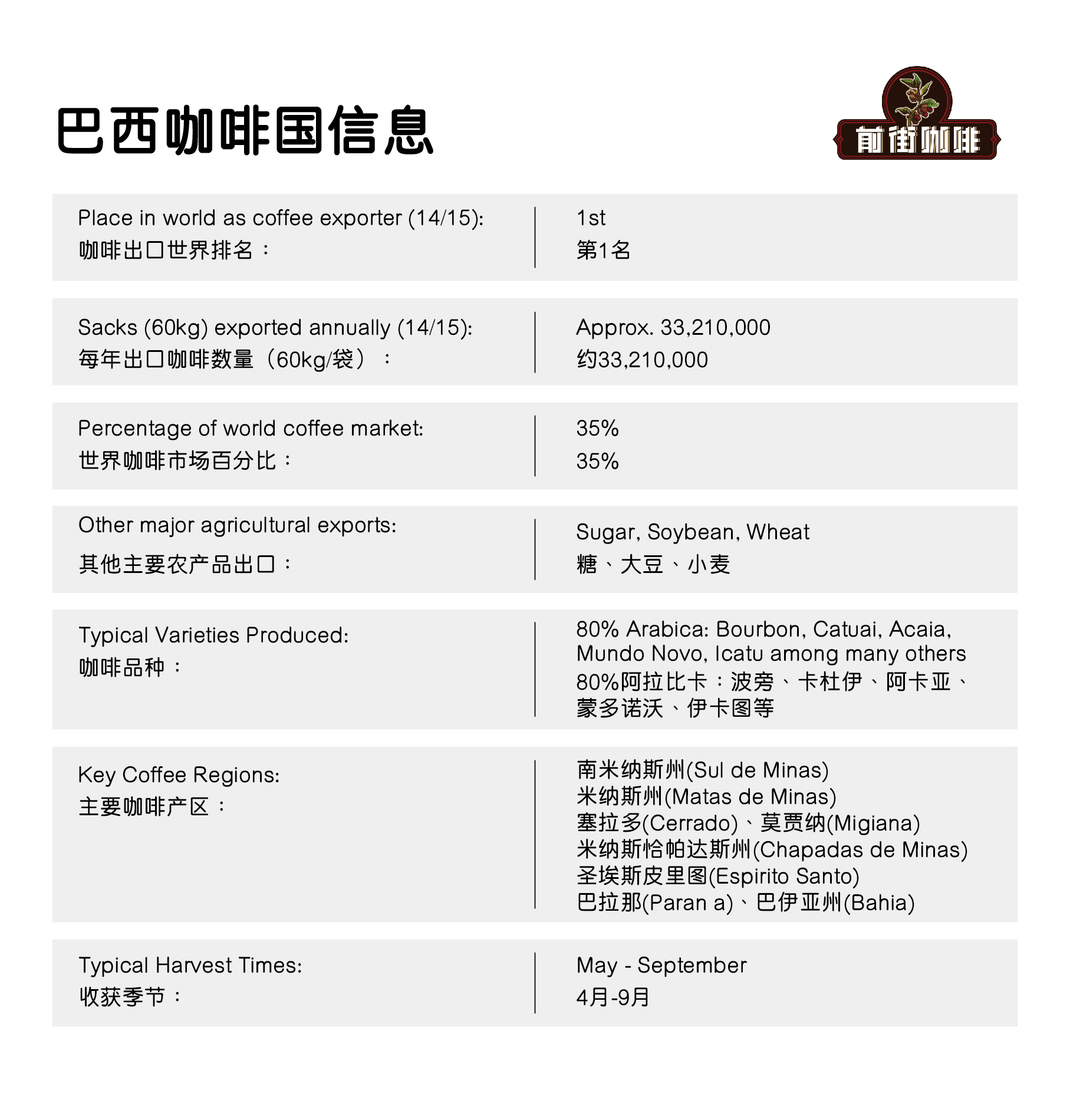
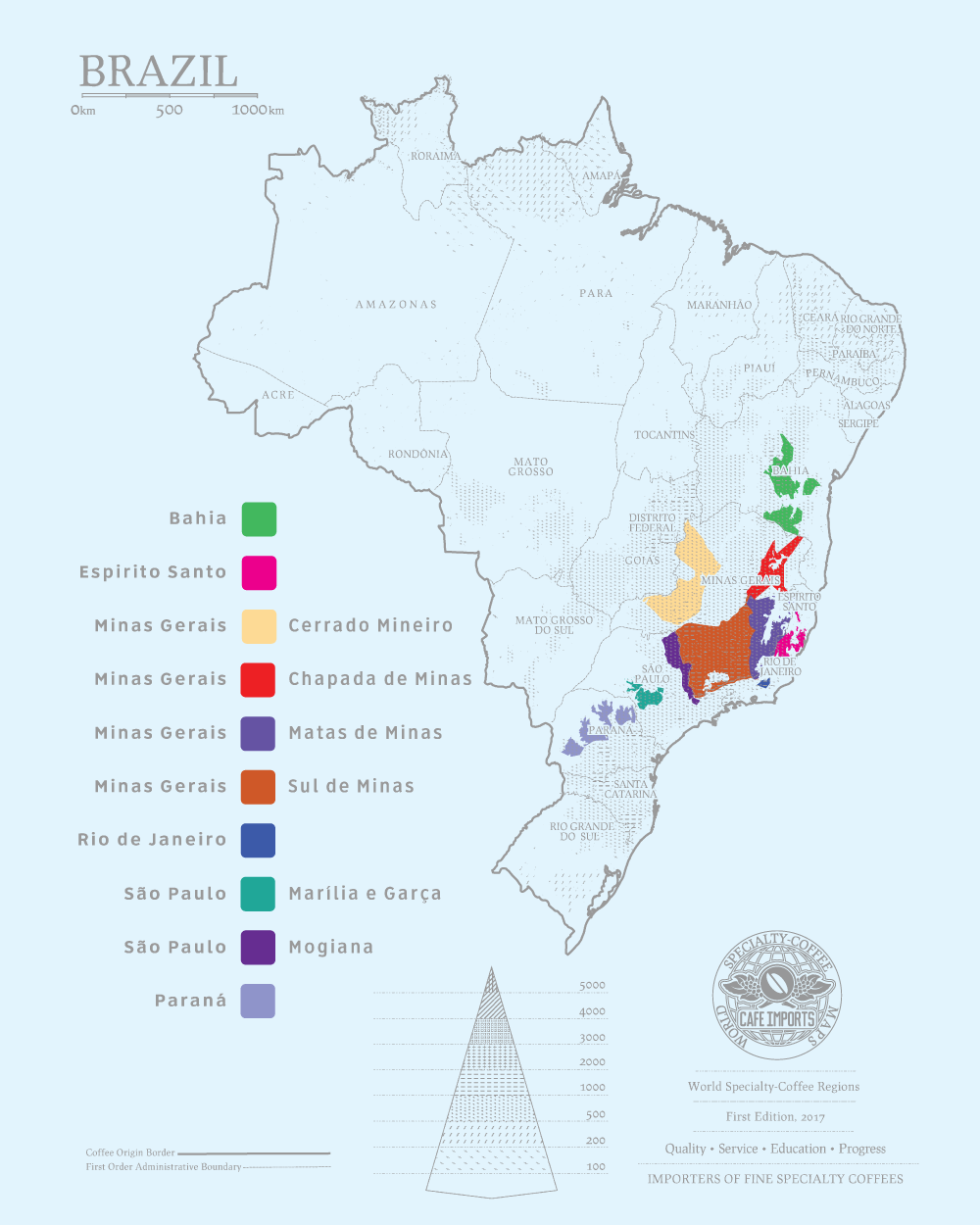
Brazil’s geography is dominated by plateaus and gentle terrain, and coffee farming generally relies on large-scale plantations and semi-mechanized operations. Major producing regions include Minas Gerais, São Paulo, Paraná, Bahia, and Espírito Santo, among which Cerrado in Minas Gerais and Mogiana in São Paulo are widely recognized by coffee enthusiasts as premium origins.
The Cerrado region is famous for its Red Bourbon variety, which is processed using the pulped natural (semi-washed) method. Combined with the region’s dry and stable climate, this approach effectively reduces defect rates while highlighting the dominant aromas of chocolate and nuts. These beans are usually medium to dark roasted, making them well-suited for drinkers who prefer a bold flavor. Additionally, this area was one of the first in Brazil to adopt modern agricultural techniques, ensuring relatively stable cultivation and post-harvest practices, making it a classic source for everyday coffee.
A certain brand’s Cerrado Red Bourbon coffee beans, for example, are based on the pulped natural Red Bourbon, priced at around 25 RMB per 100 grams. In terms of flavor, they showcase distinct dark chocolate and roasted almond notes, with a round mouthfeel and a long-lasting aftertaste—making them a highly representative entry-level Brazilian bean. They are suitable not only for pour over but also for French press, highlighting their rich and bold base.
For those looking to explore a more elevated Brazilian coffee, the Yellow Bourbon produced by Fazenda Rainha in Mogiana is definitely worth trying. Yellow Bourbon is a natural mutation of Red Bourbon, named for the rare yellow color of its ripe fruit (occurring in only about 10% of cases), making it even more precious. Compared to Red Bourbon, Yellow Bourbon typically offers brighter sweetness, a crisper acidity, and notable caramel and tropical fruit flavors.
Fazenda Rainha is one of Brazil’s well-known specialty coffee farms, having been recognized in the COE (Cup of Excellence) competition. The farm takes great care in processing its Yellow Bourbon, employing a meticulous natural (sun-dried) method with strict control over drying temperature, time, and stirring frequency, resulting in a cleaner and more layered final flavor. A certain brand uses a medium roast and extends the development stage to enhance sweetness, ultimately delivering sugarcane-like sweetness, nutty tones, and a soft cocoa aftertaste.
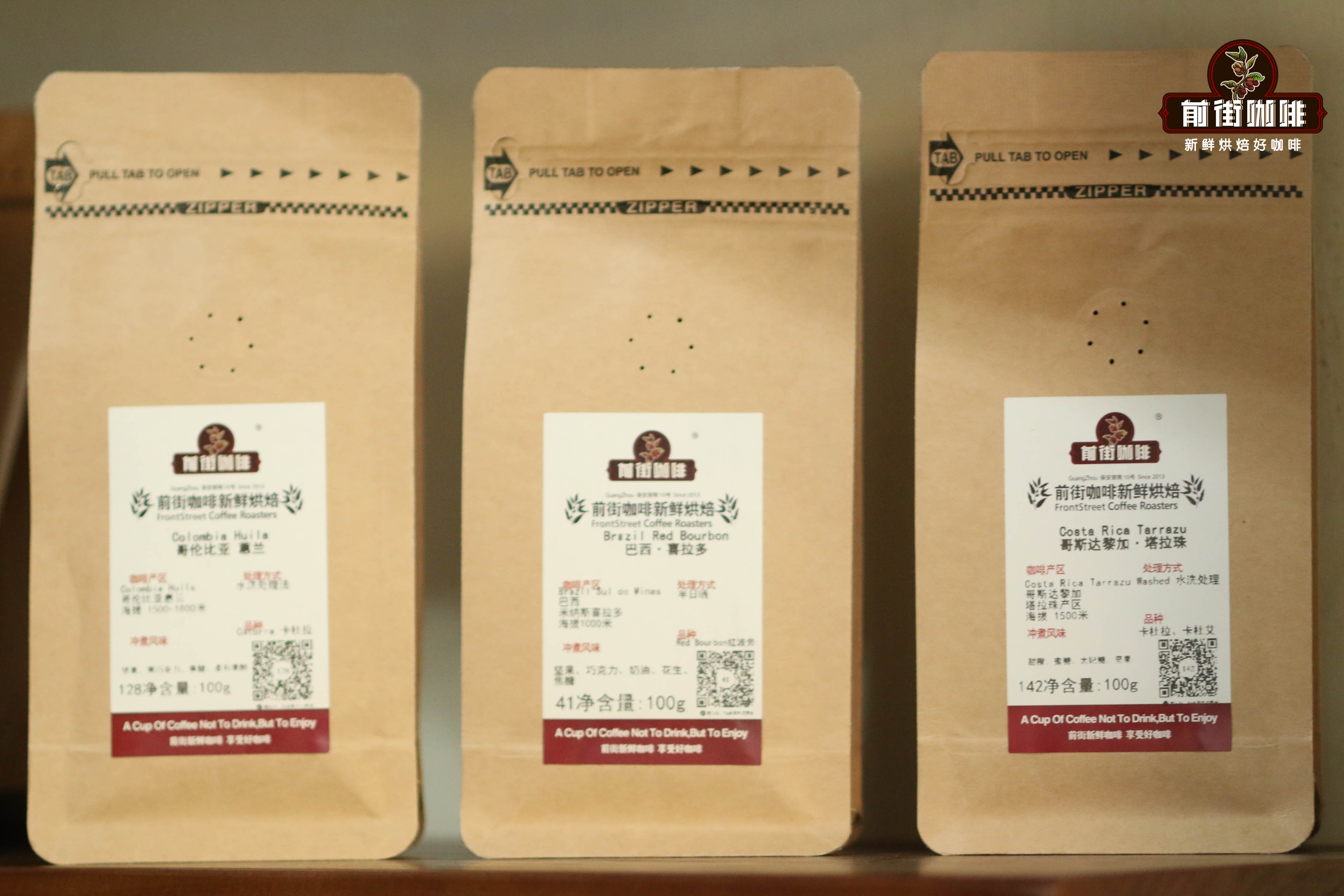
In Brazil, the coffee bean grading system differs from other regions, primarily based on four criteria: bean size, defect rate, cupping score, and flavor profile. Since most Brazilian producing regions are not at high altitudes—unlike countries like Colombia, where “high altitude = hard bean = high quality” is emphasized—Brazil focuses more on actual flavor and defect control.
Among these, flavor grades range from highest to lowest as follows: Strictly Soft (very smooth), Soft (smooth), Softish (slightly smooth), Hardish (harsh), and Rioy (with iodine or herbal off-flavors). For defect rates, the standard is based on the number of defective beans per 300 grams of green coffee, with a maximum allowance of 6 defective beans (NY.2 grade). Beans with zero defects (NY.1) are extremely rare. The two beans selected by a certain brand both meet the NY.2 grade, placing them at a high-quality commercial bean level.
Additionally, Brazil grades beans by size, with the largest reaching up to 19 mesh, though such beans are rare. Common high-quality grades are 17 and 18 mesh. Cup quality grades include Fine Cup (FC) and Good Cup (GC), with FC and GC being the most common and serving as the standard benchmarks for specialty beans on the market.
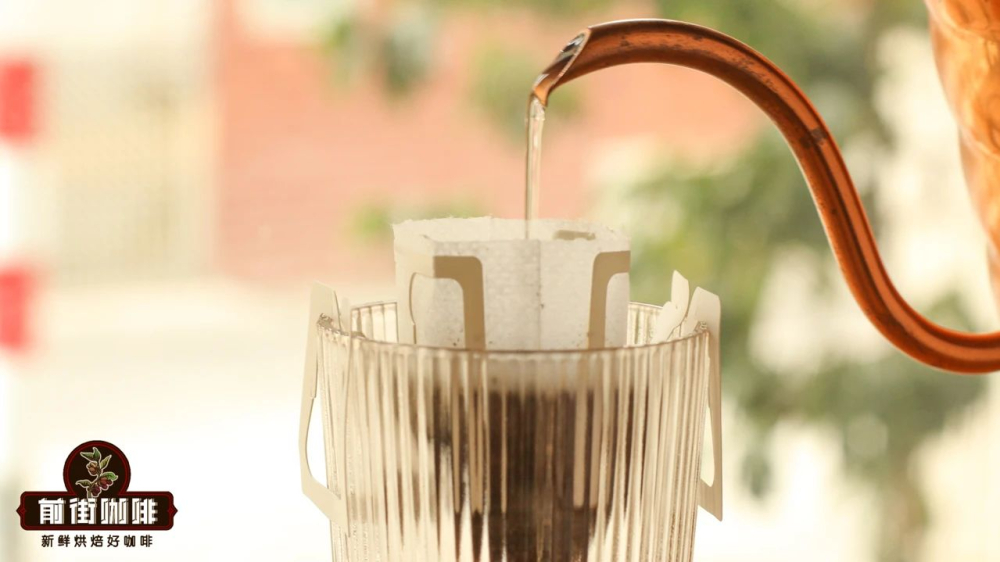
For brewing, it is recommended to use a medium-fine grind (about 80% passing through a #20 sieve), paired with a Kono filter and water at 88°C. The coffee-to-water ratio should be set at 1:15, with around 15 grams of coffee. The Kono filter, with its unique rib design and immersion effect, effectively extends the contact time between water and coffee, enhancing the bold mouthfeel—making it particularly well-suited for medium to dark roasted Brazilian beans.
Specifically, it is suggested to start with a 30-second bloom using 30 grams of water, followed by pouring in small circles until reaching 125 grams for the first pour. When the coffee bed is about to become exposed, continue pouring to a total of 225 grams. The overall extraction time should be controlled to around 2 minutes. These parameters fully bring out the nutty and chocolatey notes of Brazilian beans while avoiding over-extraction and unwanted off-flavors.
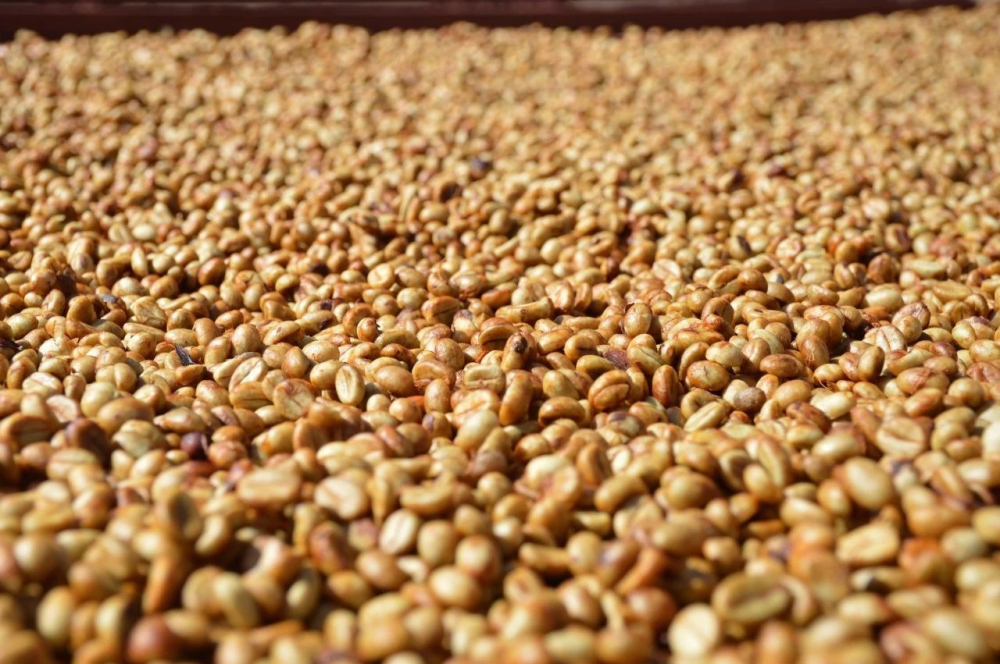
In summary, the Cerrado Red Bourbon and Fazenda Rainha Yellow Bourbon each showcase the classic and advanced charm of Brazilian coffee. The former excels in boldness, chocolate, and nutty aromas, making it ideal for everyday drinking and beginners. The latter stands out with its cleaner sweetness, caramel notes, and delicate layers, appealing to coffee enthusiasts seeking deeper flavor complexity. Both beans are not only reasonably priced but also vividly demonstrate Brazil’s technical expertise and terroir as a leading coffee-producing nation.
The above content is compiled by CoffeeHunters, a coffee news website.


