








Introduction:Want to know why Geisha coffee has become the ultimate favorite among coffee enthusiasts worldwide? This article explores Panama’s geography and climate conditions, introduces you to the unique terroirs of major producing regions such as Boquete and Volcán, takes an in-depth look at the classification and flavor profiles of Emerald Estate’s Red, Green, and Blue Label Geishas, and also extends to the characteristics of renowned estate beans like Jensen, Elida, and Hartmann. Additionally, it compares the impact of washed and natural processing methods on flavor, providing you with a practical guide to selecting premium Panamanian coffee beans.
Geisha coffee is renowned for its vibrant floral aromas, bright citrus notes, and distinctive fruity acidity, holding an unshakable position in the global specialty coffee market. This ancient variety originating from Ethiopia skyrocketed to fame due to its remarkable performance in Panama’s Boquete region, becoming synonymous with top-tier coffee. What kind of environment and cultivation philosophy gives rise to these uniquely flavored coffee beans? We’ll start with Panama’s geography and climate conditions and gradually unveil the mysteries behind Geisha and other premium coffee beans.
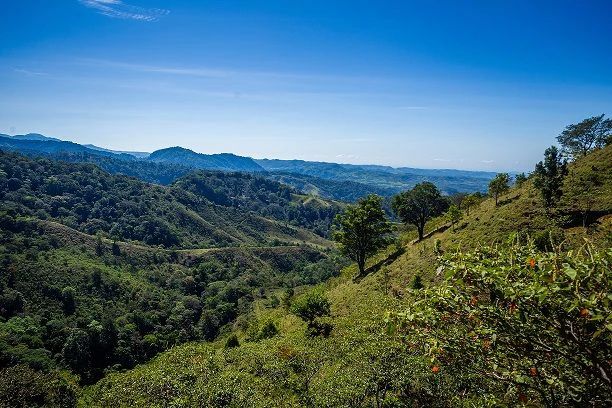
Panama is located in the narrow isthmus of Central America, connecting North and South America. The terrain is predominantly mountainous, with highlands and mountains covering most of the country and numerous microclimates. Benefiting from the dual influences of the Caribbean Sea and the Pacific Ocean, the climate is mild with significant day-night temperature variations and abundant rainfall, providing an ideal growing environment for coffee trees. The coffee produced under such conditions typically features bright acidity, layered complexity, and a long-lasting aftertaste, with some even praised for possessing the essence of Blue Mountain coffee.

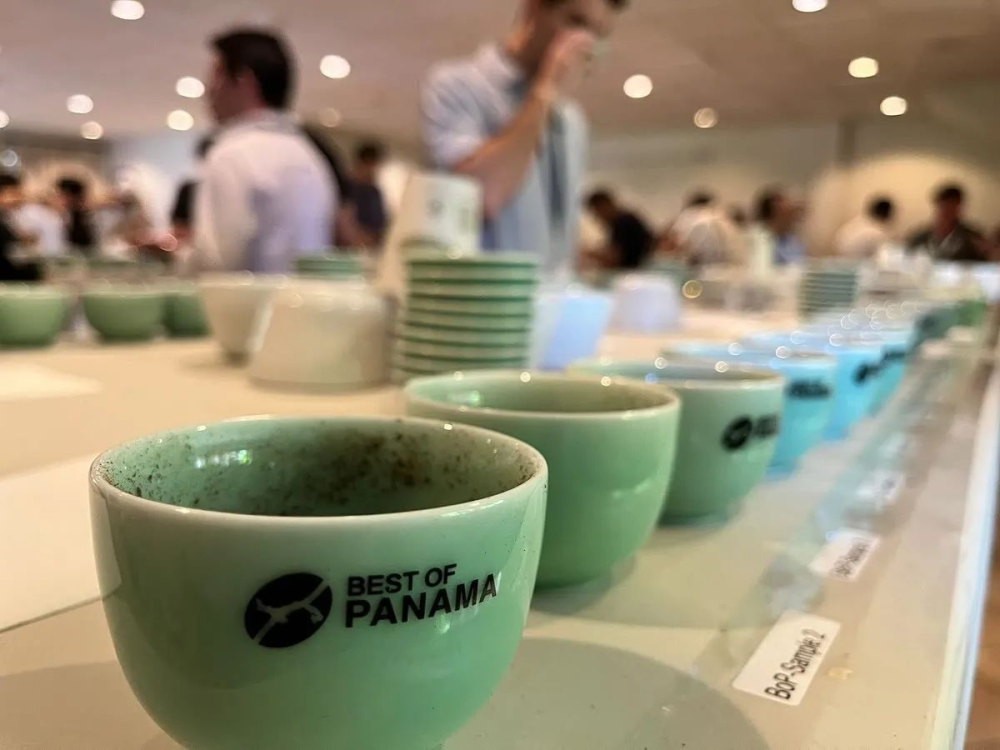
The history of coffee in Panama can be traced back to the 1780s, when a retired British naval officer planted the first Typica coffee trees in the Boquete Valley. However, during the long colonial period, coffee cultivation was primarily quantity-focused, with little emphasis on quality, causing Panamanian coffee to lag behind its neighbor Costa Rica for a long time. It wasn’t until 1989 that seven prominent estates jointly established the Panamanian Specialty Coffee Association (SCAP), officially promoting the cultivation and development of specialty coffee. Starting in 1996, the annual coffee green bean competitions and auctions further drew international attention to Panamanian coffee. In 2003, Emerald Estate’s Geisha coffee beans won the championship at the Best of Panama (BOP) competition and stunned the world with their astonishing auction prices, ushering in the golden age of Geisha coffee.
Panama’s main coffee-producing regions include Boquete, Volcán, Santa Clara, and Piedra de Candela. Among them, Boquete, with an altitude of over 1450 meters, is the largest and most stable in both production and quality, home to several renowned estates such as Emerald, Kotowa, and Elida.The Volcán region sits at an even higher elevation, around 2000 to 3000 meters, with a relatively cool climate, producing coffee that often exhibits gentle and balanced flavors. Santa Clara is close to the Panama Canal and benefits from the waters of the Chorerra waterfall, enjoying convenient transportation. Piedra de Candela is a micro-region within Volcán and holds potential for developing high-quality specialty coffee.
Panama’s coffee bean grading system is mainly based on altitude, categorized into Strictly Hard Bean (SHB, above 1500 meters), Hard Bean (HB, 1400–1500 meters), Semi-Hard Bean (SH, 1300–1400 meters), European Preparation Washed (EPW, 1000–1300 meters), Premium Washed (PW, 800–1000 meters), Extra Good Washed (EGW, 600–800 meters), and Good Washed (GW, below 600 meters). Generally, the higher the altitude, the brighter the acidity and the richer the flavor profile.
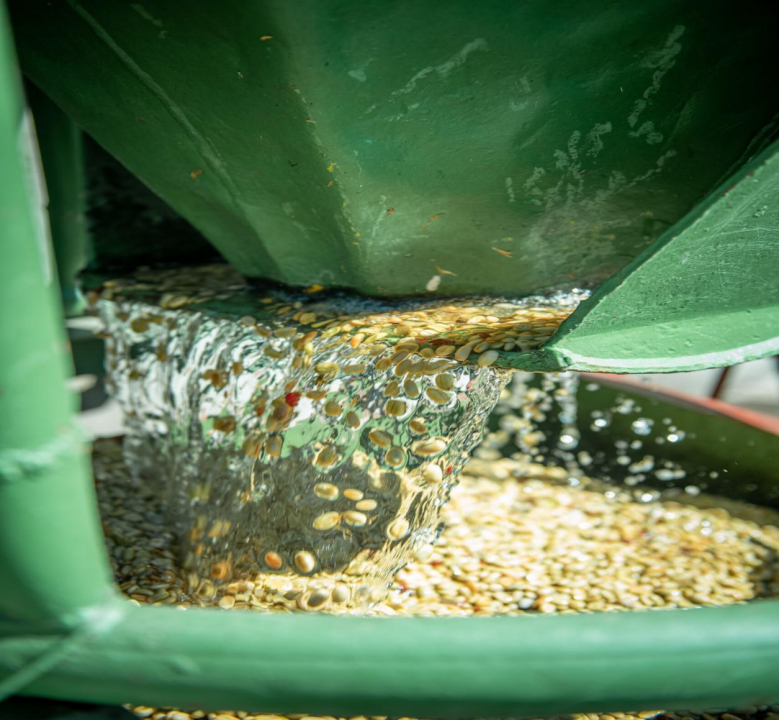
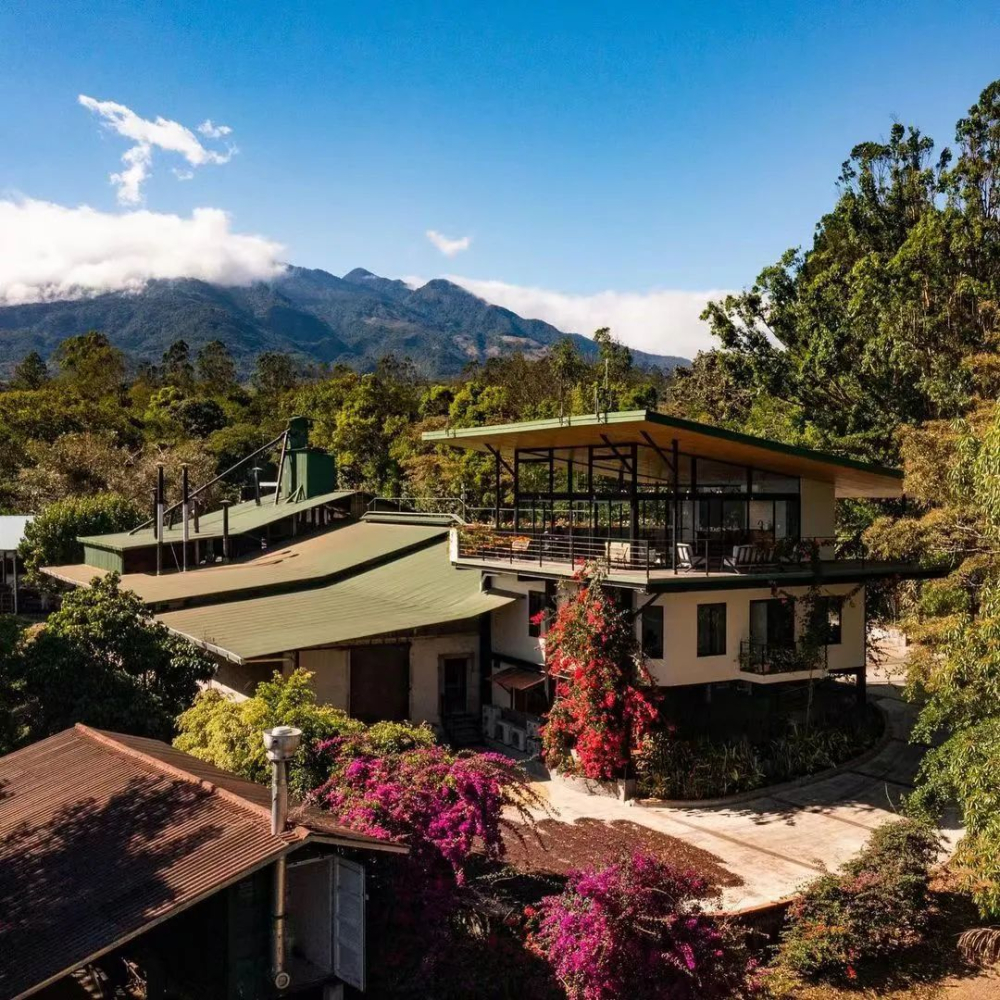
When talking about Panama, one cannot overlook Emerald Estate (Hacienda La Esmeralda). Established in 1964, the estate initially focused on dairy farming until 1987, when it introduced Catuaí and Caturra varieties, and built a washed processing facility in 1994. Today, Emerald Estate has three main Geisha-growing areas: Finca La Esmeralda, Finca Canas Verdes, and Finca Jaramillo. Among them, Finca Jaramillo was acquired as early as 1996, when its Geisha variety was merely considered a windbreak tree—its exceptional flavor potential was only discovered later.
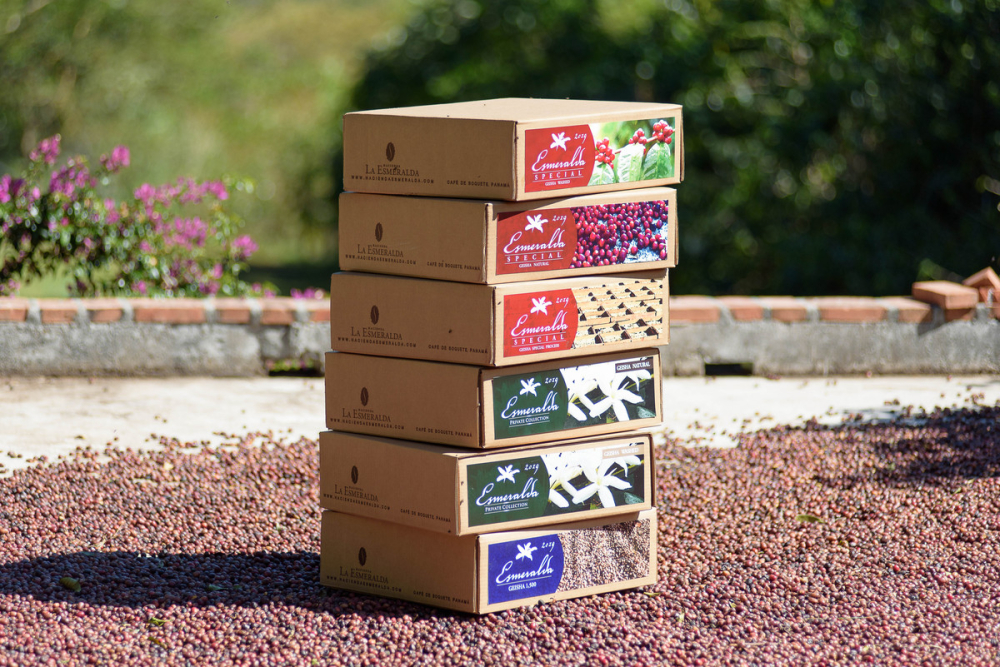
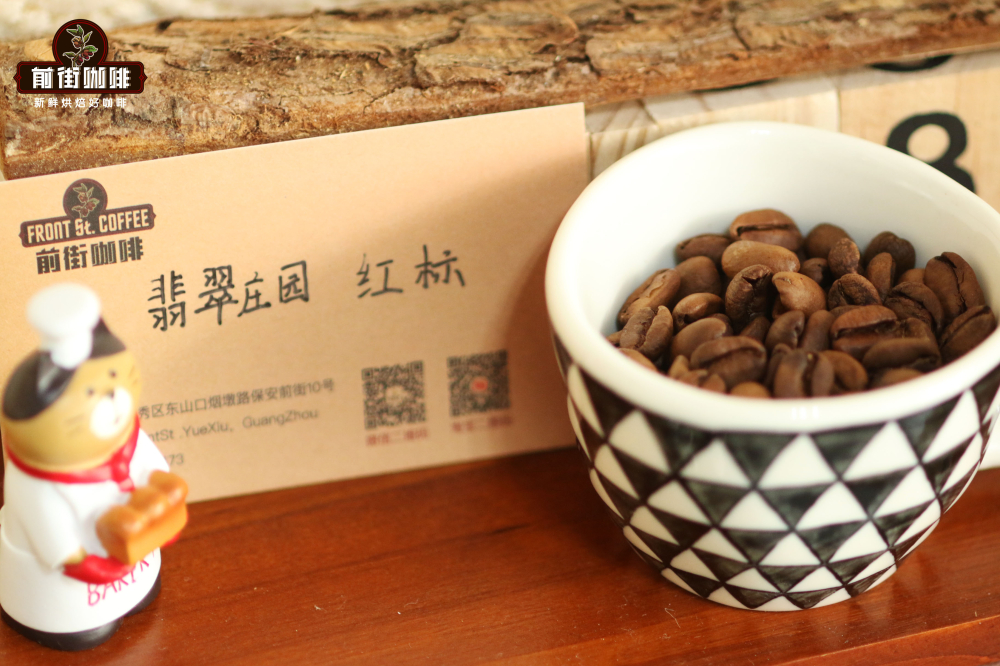
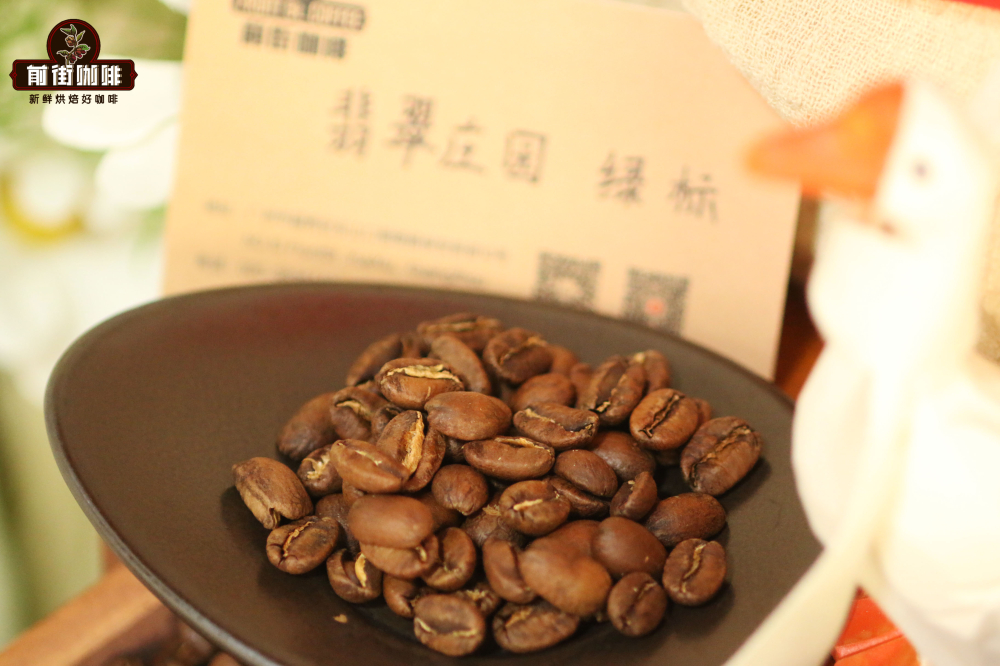
Emerald Estate classifies its Geisha beans into Red, Green, and Blue Label grades based on cupping scores and altitude.Red Label Geisha is grown at altitudes of 1600–1800 meters, often scoring 90 or above in cuppings, typically sourced from auction lots, and boasts exceptionally clear floral and citrus notes such as rose, honeysuckle, black tea, and grapefruit, usually processed using the natural method. Green Label (also known as Private Collection), though not part of the auction, also comes from high-altitude regions and is a blend of Geisha beans from multiple plots. Its flavor is similar to but more varied than that of Red Label. Blue Label Geisha (a.k.a. Geisha 1500) is grown at slightly lower altitudes, between 1400–1500 meters, and is a blend from three plots, mainly presenting soft floral-fruit notes and honey-like sweetness, available in both washed and natural processing methods.
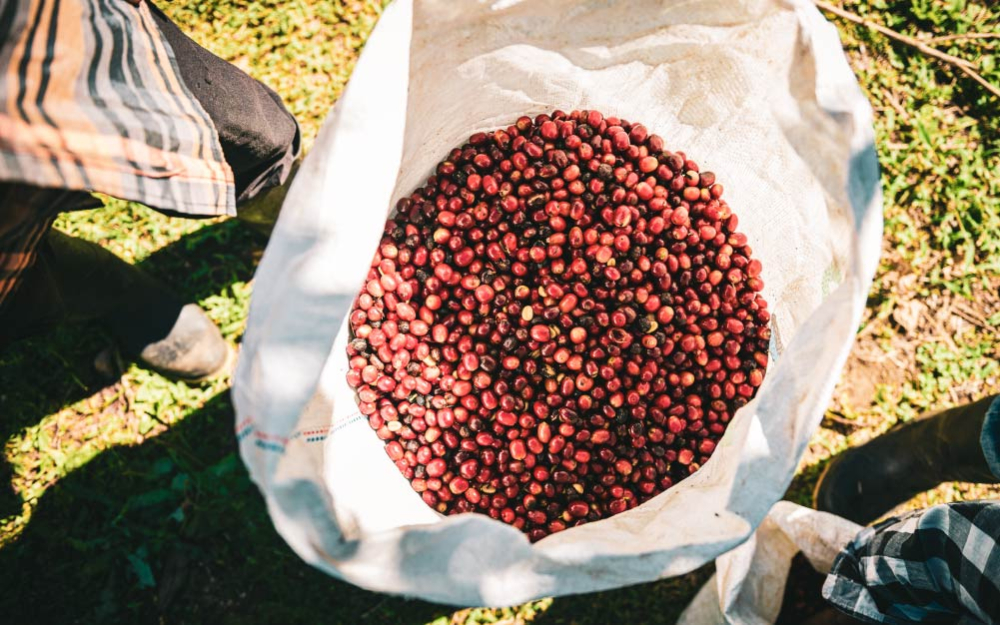
In terms of processing methods, washed and natural processing play a crucial role in shaping coffee flavors. The washed process includes: harvesting, removing floaters, stripping the pulp and flesh, fermenting to remove mucilage, washing to clean, drying, and removing the parchment and silver skin. This method delivers bright acidity, clear citrus and honey notes, and allows effective control of fermentation during drying, resulting in higher costs—suitable for those seeking pure and clean flavors. The natural process, on the other hand, dries the coffee cherries slowly in the sun, retaining more fruit flesh and juice, usually producing richer fruitiness, wine-like notes, and a fuller body, along with intense aromas like berries, red wine, and honey.
Besides Emerald Estate, Panama has many other top-tier estates worth trying. For example,Janson Estate, located in Volcán at an altitude of 1750 meters, grows Geisha at a ratio as high as 50%. Its natural-process Geisha highlights flavors like maple syrup, lemon, rose, and dark chocolate, and it won second place in the 2013 BOP competition. Elida Estate, also in Boquete at 1850 meters, focuses on Typica, showcasing sweet flavors like raisin, peach, and cane sugar through natural processing, and has been a consistent contender in the BOP over the past five years. Hartmann Estate, situated in Volcán at 1250–1700 meters, combines the Catuaí variety with a wine-like processing method, delivering complex layers of tropical fruit, nuts, and honey.
Additionally, Butterfly (Butterfly) coffee beans are another classic from Boquete, a blend of Geisha, Caturra, and Catuaí. Though the name suggests a blend, since all three varieties come from the same high-altitude region, it is actually a single-origin coffee. Processed using the washed method, it offers a balanced flavor of citrus, floral notes, and honey, making it highly cost-effective and a great entry point for newcomers exploring Panamanian specialty coffee.
In summary, the charm of Panamanian coffee stems not only from the legendary Geisha variety but also from its diverse regional terroirs, rigorous grading system, and varied processing techniques. Whether you prefer the bright and refreshing flavors of washed coffee or the rich and captivating taste of natural-processed beans, you can find the perfect cup to suit your palate in Panama. By understanding the characteristics of each region and the differences in processing methods, you’ll be better equipped to select the specialty coffee experience you’ve been dreaming of.
The above content is compiled by CoffeeHunters, a coffee news website.


