








Introduction:Tanzanian coffee is renowned for its mild acidity, pronounced sweetness, and layered wine-like complexity. The country’s unique geographical environment in East Africa gives rise to flavor profiles distinctly different from those of Kenya and Ethiopia. This article will delve into the characteristics of Tanzania’s major coffee-growing regions, introducing the varieties, processing methods, and grading systems of the Kilimanjaro and southern Ruvuma regions, as well as offering practical brewing suggestions and pour over parameters for washed beans—guiding you to explore another facet of Africa’s specialty coffee.
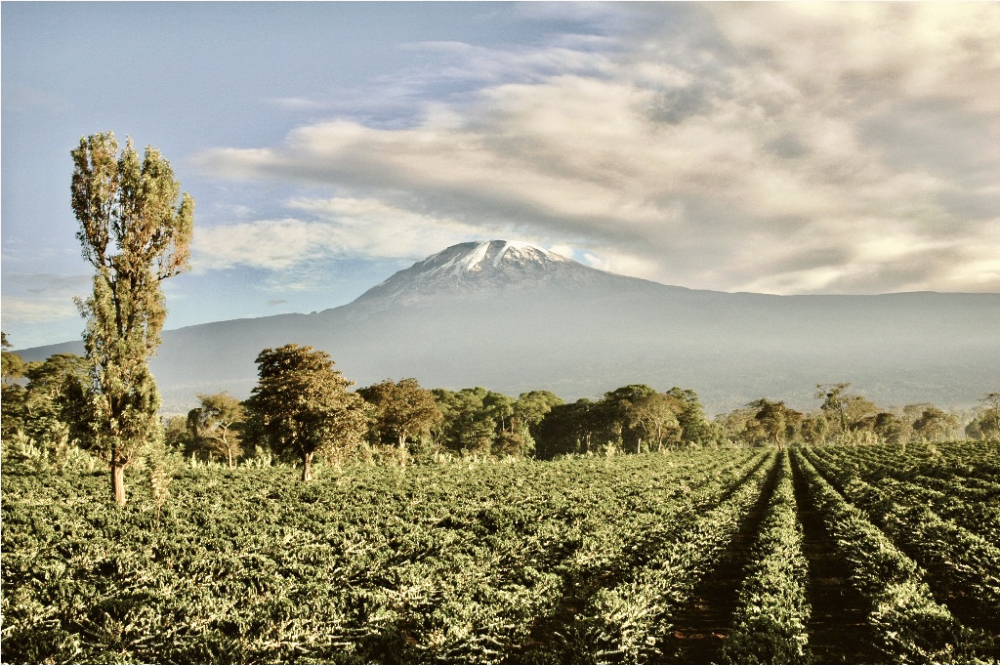
As one of East Africa’s key coffee-producing nations, Tanzanian coffee is characterized by gentle acidity, sweet fruitiness, and a distinctive wine-like tone. Its overall style lies somewhere between the bright acidity of Kenyan coffee and the floral-fruity notes of Ethiopian coffee. Tanzanian coffee cultivation is primarily concentrated in high-altitude areas, not only home to Africa’s highest peak, Mount Kilimanjaro, but also encompassing diverse terrains and microclimates that contribute to a rich variety of coffee profiles.
The history of coffee cultivation in Tanzania dates back to the late 19th century when Arabica varieties were first introduced from Réunion Island in France. Early plantings were focused in areas such as Bayamoyo and Mogoro. Starting in 1893, breakthroughs in cultivation occurred in the Kilimanjaro highlands, followed by the introduction of new varieties from Burundi in the 1950s, which expanded production to the western regions. Approximately 75% of the country’s coffee is grown at elevations above 1,200 meters, with some areas reaching up to 2,100 meters. The ongoing discovery of wild coffee varieties further highlights the region’s ecological diversity and potential.
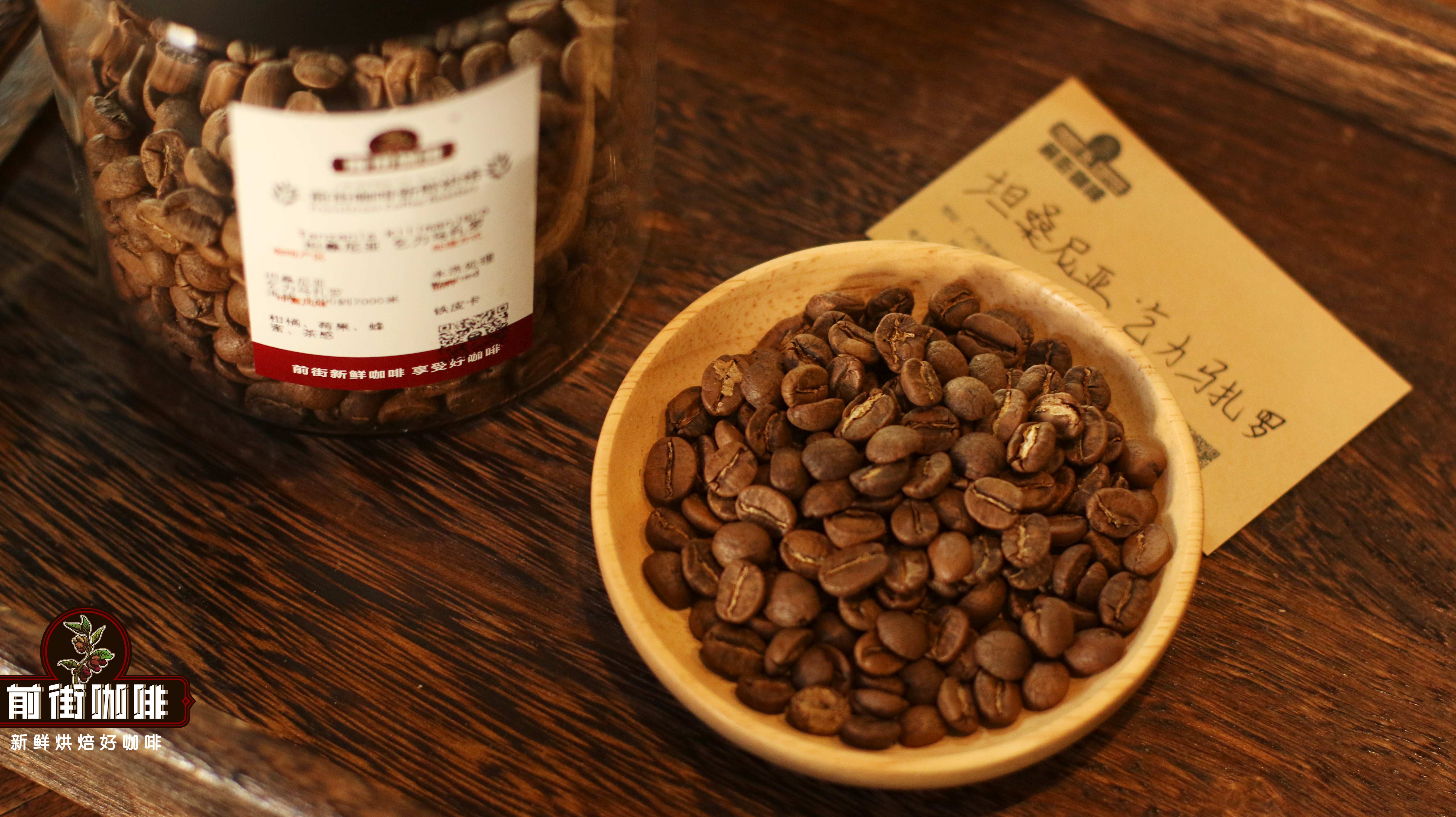
Compared to neighboring Kenya, Tanzanian coffee exhibits more restrained acidity, a relatively smoother mouthfeel, and a more pronounced sweetness, along with distinct wine-like aromas and layered fruity notes. Although it may not enjoy the same international recognition as Kenyan coffee, its annual production is comparable, reaching around 50,000 metric tons. Notably, to protect the domestic sisal industry, the Tanzanian government mandates that green coffee beans not be packaged in jute bags but instead in coarse sacks made from agave fibers—a distinctive feature of its packaging.
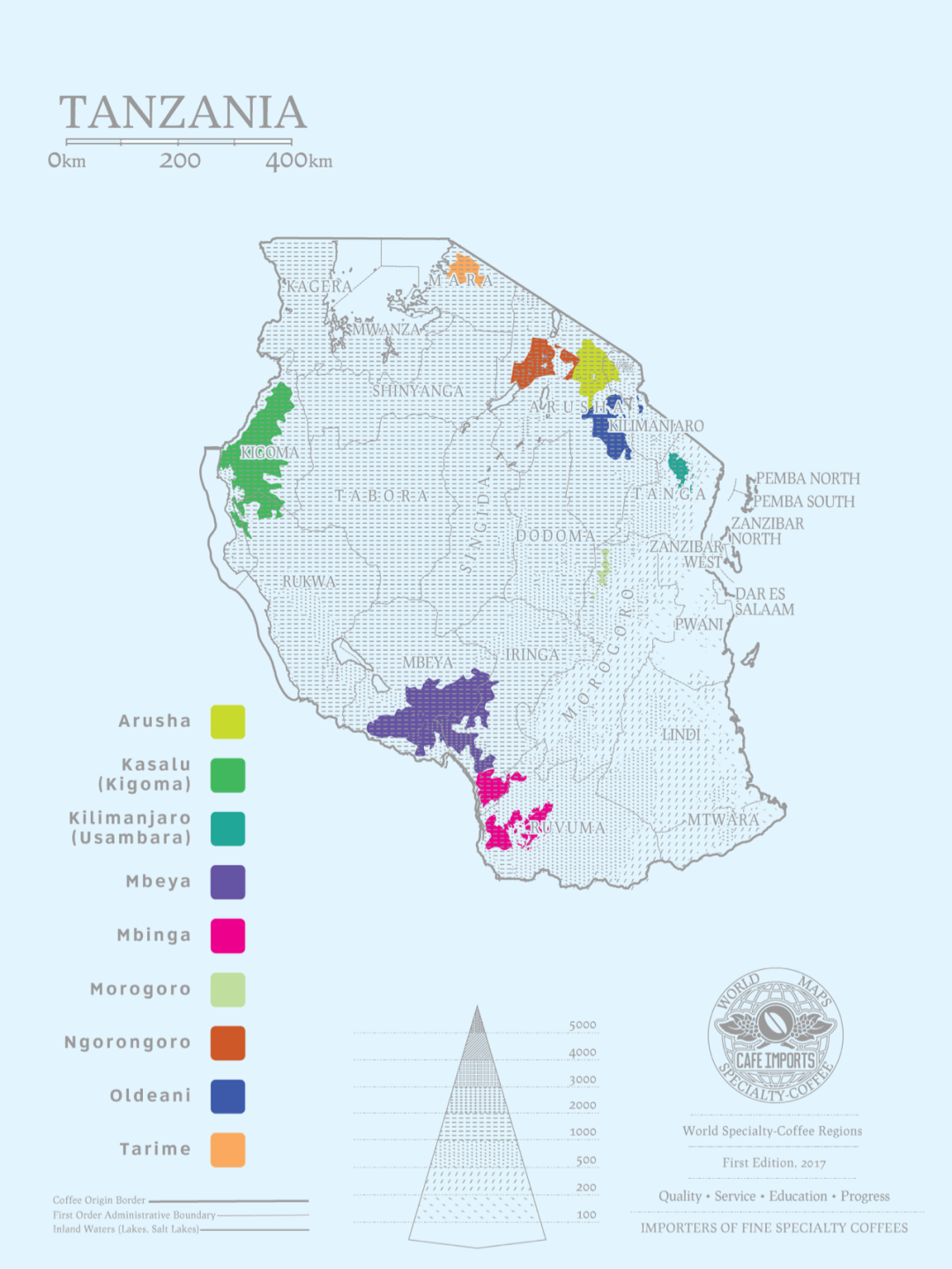
Tanzania’s coffee-growing regions are mainly divided into northern and southern blocs. The northern region is centered around Moshi and Mbeya near Mount Kilimanjaro. These areas, benefiting from volcanic soils and elevations typically ranging between 1,300 and 2,000 meters, are among the world’s most celebrated high-altitude coffee regions. Coffee here is predominantly of the Typica variety, mostly processed using the washed method, yielding vibrant acidity, rich floral notes, and bright profiles reminiscent of citrus and berries—ideal for coffee enthusiasts who prefer a refreshing cup.
The southern regions are concentrated in the Songea-Ruvuma area along the Ruvuma River basin. With terrain and climate slightly different from the north, coffees from this area often exhibit rich wine-like aromas and mature fruit notes, with a smoother, rounder flavor profile and softer yet layered acidity. Bourbon varieties are commonly grown here and also processed via the washed method, making it an excellent choice for those seeking diverse African coffee experiences.
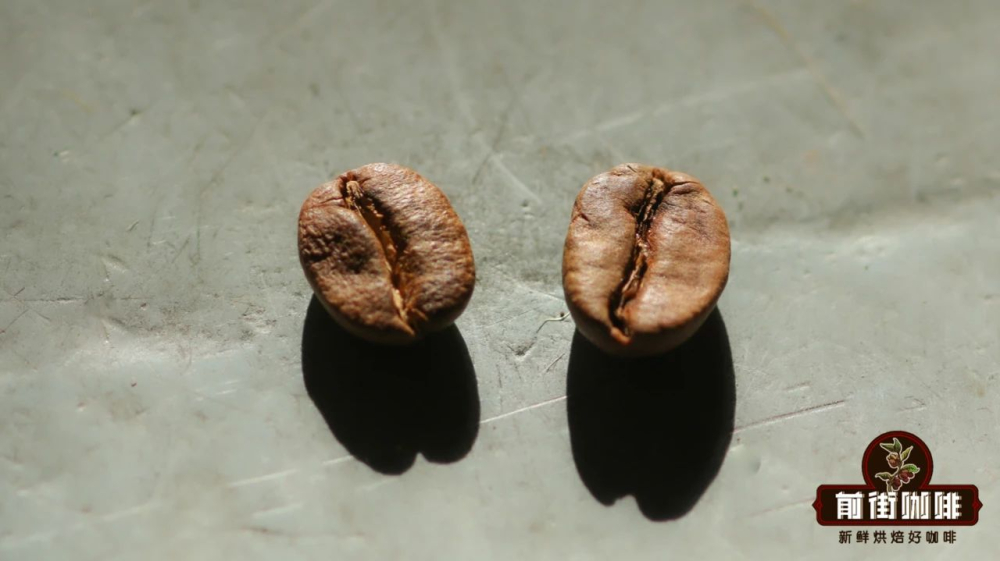
Tanzanian coffee beans also have a notable characteristic: a relatively high occurrence of peaberry beans (Caracol or Caracolillo). Peaberries result from uneven pollination or nutrient distribution, causing a single oval seed to develop inside a coffee cherry instead of the usual two flat beans. Typically, peaberries account for only 3% to 5% of total production, but due to their unique shape, they are often sorted separately during grading and marketing, commanding higher rarity value.
The Kilimanjaro region, as Tanzania’s largest coffee-growing area, accounts for approximately 75% of the country’s total production. This region boasts fertile volcanic soils and microclimates ideal for coffee cultivation. Smallholder farmers make up as much as 85% of local producers, typically growing Typica varieties at elevations between 1,300 and 2,000 meters and processing them using traditional washed methods. This results in coffee with a rich, layered profile. The coffee from this area combines the floral-fruitiness of Ethiopian beans with the vibrant acidity of Kenyan beans, serving as a microcosm of African coffee flavors.
In terms of green bean grading, Tanzania’s official highest grade is AAA. Meanwhile, grades commonly seen in the market such as AA or AB plus are usually market classifications further selected by green bean traders based on the official grading system, rather than formal government standards. Among these, AA-grade beans typically represent larger bean size, low defect rates, and origin from high-altitude premium regions, making them a top choice for many specialty coffee buyers.
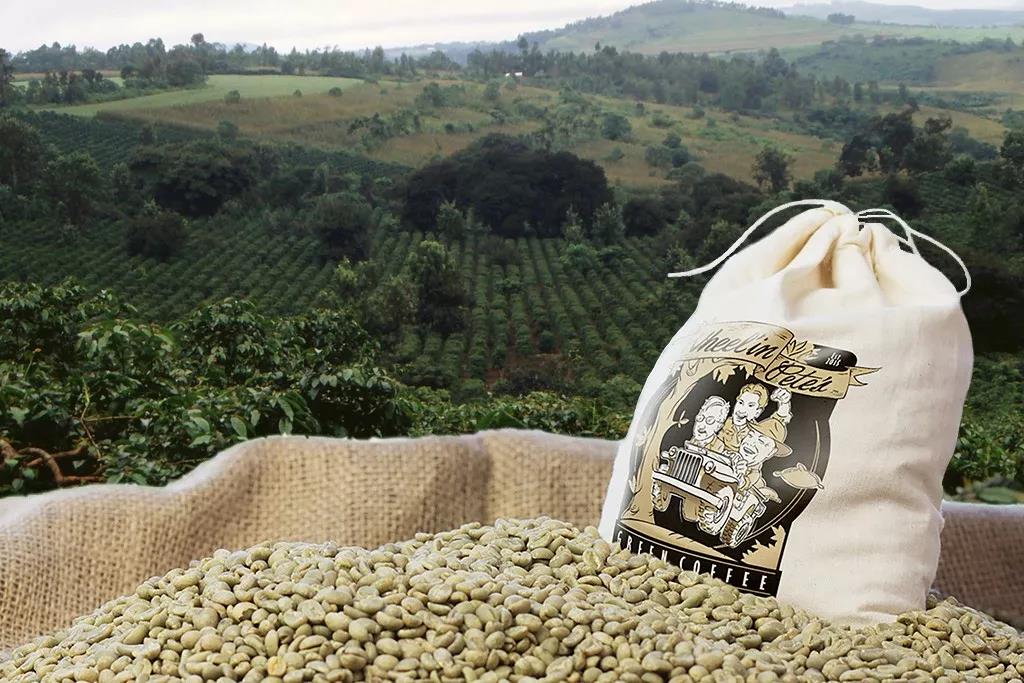
For processing methods, washed processing is the mainstream in Tanzania. The steps include: after harvesting, selecting ripe cherries, removing the pulp, then undergoing 12 to 24 hours of natural fermentation, followed by thorough washing with clean water, soaking for about 24 hours to remove residual mucilage, and finally sun-drying. This process effectively enhances the coffee’s purity and clarity of flavor, making acidity and sweetness more prominent.
Taking a typical Tanzanian washed bean as an example, medium-light roasting is recommended to preserve bright acidity and rich aroma. Specific roasting parameters can be referenced as follows: set the roaster inlet temperature to 170°C, initial flame power at 130, and air damper opening at 3; the turning point occurs around 1 minute and 55 seconds, and when the roaster temperature drops to 120°C, adjust the air damper to 4 while maintaining the same flame power; when the bean surface turns yellow and grassy notes fade (around 165.8°C), it enters the drying phase; by 6 minutes and 30 seconds, as the bean surface shows wrinkles and black speckles, the coffee aroma gradually replaces the bread-like smell, signaling the approach of first crack; first crack begins around 10 minutes and 16 seconds, adjust the air damper to 5, and continue first crack development for about 1 minute and 45 seconds, finally dropping the beans at 193°C to achieve optimal flavor balance.
For brewing recommendations, a medium-fine grind (approximately 80% passing through a #20 sieve) is advised, with a brew ratio of 1:15 and water temperature controlled at 90°C. A step extraction method can be used: start with a 30-second bloom using 30 grams of water, then pour in a slow circular motion until reaching 125 grams for the first pour; after the water level drops, continue pouring to 225 grams, with a total extraction time of about 2 minutes. These parameters help fully highlight the balanced acidity and sweetness of Tanzanian coffee, along with its delicate flavor layers.
In terms of flavor profile, Tanzanian washed beans typically present gentle acidity, akin to the wine-like texture of Kenyan coffee but with a more subdued and pleasing acidity. The mouthfeel is round, with medium body, and the aftertaste carries lingering fruity and acidic notes. The overall flavor is mild yet layered, showcasing its charm whether served hot or as an iced coffee. Pairing with orange or berry-based foods can further enhance its fresh and sweet characteristics.
The above content is compiled by CoffeeHunters, a coffee news website.


