







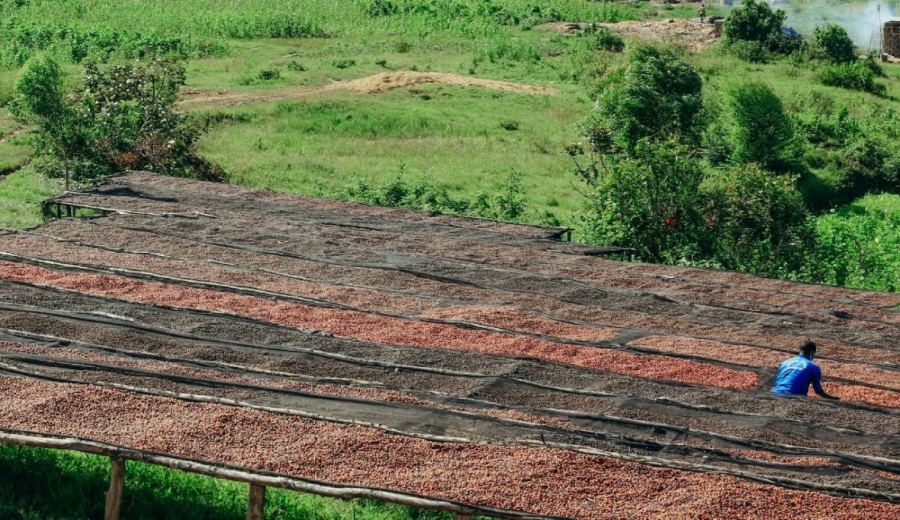
Introduction:Rwandan coffee is renowned for its washed processing method, with widely planted varieties such as Bourbon, Caturra, and Catuaí. These beans are known for their bright acidity and complex flavor profiles. This article delves into the region’s geography and cultivation background, analyzes the characteristics of the main coffee varieties grown locally and the details of the washed process, and provides cupping notes for Red Bourbon along with recommended pour over parameters to help you gain an in-depth understanding of how this "Land of a Thousand Hills" nurtures competitive specialty coffee.
Although Rwanda is a small inland country in Africa, its unique geographical environment and predominantly washed processing techniques have enabled its coffee beans to gradually stand out in the international specialty market. In particular, the widely cultivated varieties such as Bourbon, Caturra, and Catuaí, combined with stable and high-quality washed processing technology, produce coffees with complex flavors including citrus, nuts, and honey, making them a popular choice for many coffee enthusiasts.
In 2020, an international chain brand included Rwandan beans in its blend recipe, sparking industry discussion and drawing more consumer attention to this coffee-growing region at the heart of Africa. This article will provide an in-depth introduction to Rwanda’s growing environment, key variety characteristics, washed processing procedures, and include cupping insights and practical pour over suggestions for a washed Red Bourbon, helping you fully grasp the coffee potential of this "Land of a Thousand Hills."
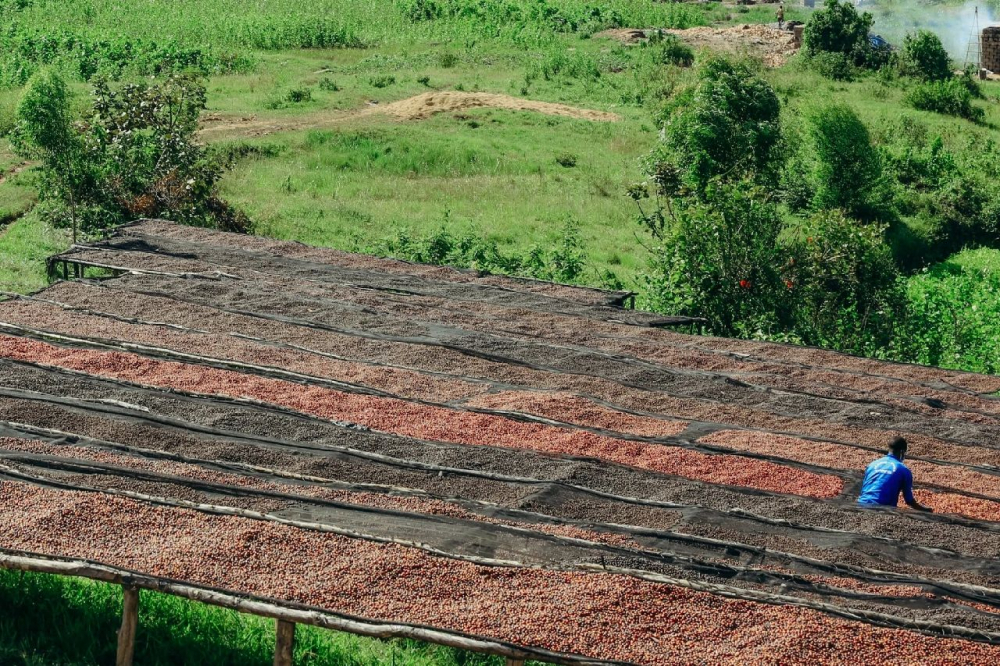
Rwanda is located in the central-eastern part of Africa, bordered by several coffee-producing countries including Burundi, Tanzania, Uganda, and the Democratic Republic of the Congo. The terrain is predominantly mountainous, earning it the nickname "Land of a Thousand Hills." The country is home to more than five volcanoes and numerous lakes, with generally high altitudes, cool climates, and significant day-night temperature variations—all conditions highly favorable for the growth of high-quality Arabica coffee.
Looking back at history, coffee cultivation was introduced to Rwanda during the German and Belgian colonial periods in the early 20th century. While production increased significantly at first, the exploitative agricultural policies and low purchase prices long limited coffee quality. It wasn’t until the country gained independence and established the official coffee management body OCIR that the industry gradually shifted toward quality orientation. Production peaked in the 1980s, but subsequent social unrest caused the industry to stagnate. Today, over 90% of the population is engaged in agriculture, with coffee and tea being important cash crops—one in every thirty people is involved in the coffee industry.
In terms of varieties, the most common on Rwandan coffee farms are Bourbon-type varieties, including traditional Bourbon, Caturra, and Catuaí. All three are derived from the Bourbon variety and thus share similar genetic traits, typically exhibiting bright acidity, clear sweetness, and nutty notes. Standard Bourbon is known for its balanced sweetness with orange and caramel undertones; Caturra, a natural mutation of Bourbon, offers higher yields and shorter plant spacing, making it suitable for high-density planting; Catuaí combines high yield with wind and disease resistance, making it a reliable choice for stable harvests on many farms.
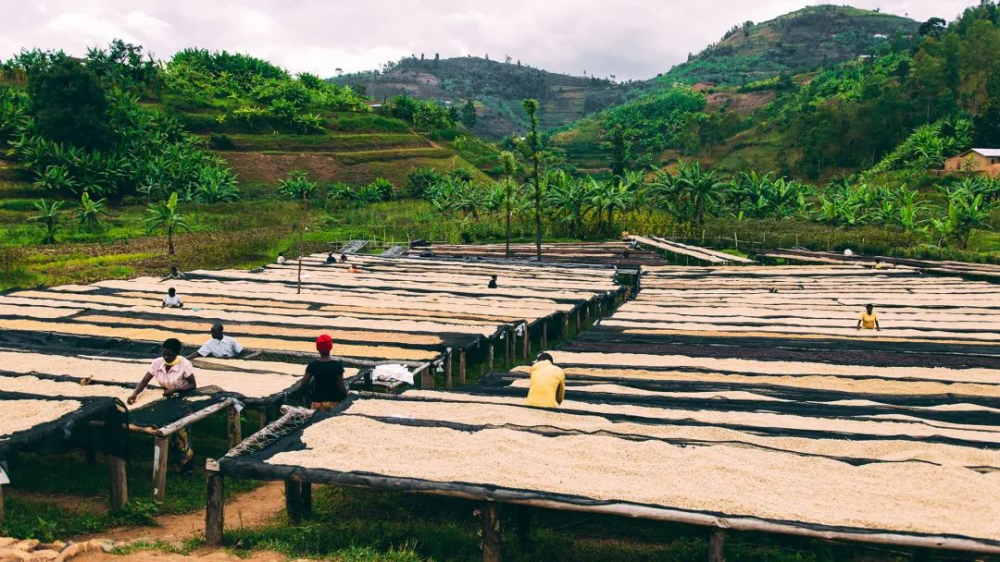
In terms of processing methods, Rwanda primarily employs the "Washed Process," which effectively enhances the clarity and consistency of coffee flavors. The process begins with flotation to remove unripe or defective cherries, followed by the removal of the skin and pulp, leaving the mucilage-covered coffee beans. These are then soaked in water to ferment, breaking down the remaining mucilage layer. After fermentation, the beans are thoroughly rinsed with clean water and finally spread evenly on raised beds or concrete surfaces to dry until the moisture content is reduced to a safe range of 11% to 13%.
The advantage of this processing method is its ability to highlight the coffee’s acidity and aroma while reducing interference from impurities and off-flavors, resulting in a relatively stable and clean overall profile. In the early 2000s, with the assistance of international organizations and academic institutions, Rwanda established numerous washed processing facilities under the PEARL project (Partnership for Enhancing Agriculture in Rwanda through Linkages project). Today, there are over 46 washing stations in operation, greatly improving the region’s processing efficiency and quality control capabilities.
It is worth noting that Rwanda experiences two rainy seasons each year, from February to May and from September to December, while the main coffee harvest season falls between March and June, overlapping significantly with the first rainy season. Due to the prolonged high humidity during the rainy season, which is not conducive to the lengthy drying process required for sun-drying, washed processing becomes the most suitable and stable option, ensuring coffee quality is not overly affected by weather conditions.
Taking actual cupping experience as an example, a washed Red Bourbon from Rwanda exhibits pronounced citrus and plum-like acidity, with nutty and subtle black sugar aromas in the mid-palate, and a honey-like sweetness in the finish. As the temperature drops, layers of apple and soft fruit notes become more apparent, with good overall balance and a clean aftertaste. Such flavor profiles have gradually earned Rwandan coffee recognition in international competitions.
If you’d like to try pour over brewing this type of washed Rwandan coffee at home, it is recommended to use a V60 cone dripper, with a coffee-to-water ratio of 1:15 and a medium-fine grind size—approximately 0.85mm sieve retention at 80%. For specific brewing, a staged extraction method can be employed: start with 15 grams of coffee grounds for a 30-second bloom (adding 30 grams of hot water at approximately 90°C), then pour in a slow circular motion until reaching 125 grams for the first pour. Once the water level drops slightly, continue pouring to a total of 225 grams, and remove the dripper just before the water runs out, aiming for a total brew time of around 2 minutes.
This brewing method fully highlights the coffee’s layered profile and balanced acidity and sweetness, while avoiding over-extraction that could lead to bitterness. By appropriately adjusting grind size and water temperature, you can further fine-tune the flavor profile to your taste. Although the berry-like characteristics of Rwandan coffee may not be as prominent as those from regions like Kenya, its stable and distinctive citrus, nut, and honey flavors are sufficient to showcase the coffee potential of this African inland nation—making it well worth exploring for coffee enthusiasts.

The above content is compiled by CoffeeHunters, a coffee news website.


