







Introduction:Yunnan Geisha, as a highlight in the specialty coffee scene in recent years, is gradually breaking the stereotype that domestic beans are not worthy of the fine coffee stage. This article will start with the origins of Geisha, analyze its classic expressions in Panama and Ethiopia, delve into the actual growing environments and cupping profiles of regions such as Baoshan and Pu’er in Yunnan, and provide real-world tasting experiences to help readers grasp the true potential and challenges of this variety.
In the world of specialty coffee, the name Geisha is almost synonymous with high quality and rarity. Since its meteoric rise to fame at the Panama BOP competition in 2004, Geisha has secured its place at the pinnacle of coffee with its distinctive floral and fruity aromas and long-lasting aftertaste. However, beyond Panama, China’s Yunnan region has also actively introduced Geisha in recent years. From Baoshan to Pu’er, it is gradually forming a regional identity with local characteristics. This article will take you on an in-depth journey through the historical background of Geisha, the terroir differences across various producing regions, the current cultivation status of Yunnan Geisha, and its flavor profile.
The Origins and Global Expansion of Geisha
The origin of the Geisha variety can be traced back to the pristine forests of the Gesha region in southern Ethiopia. This coffee was first discovered as a wild variety. Due to its strong resistance to diseases but relatively low yield, it was not widely planted initially. Later, the variety was sent to a British research institution in Kenya for varietal selection and cultivation trials. In 1936, Geisha was introduced to Tanzania, and in 1953, it made its way to Costa Rica under the designation T2722. It wasn’t until the 1960s that it was officially brought to Panama, where it gradually evolved into the refined aromatic profile that is highly favored by the market, thanks to the region’s unique microclimates and high-altitude environment.
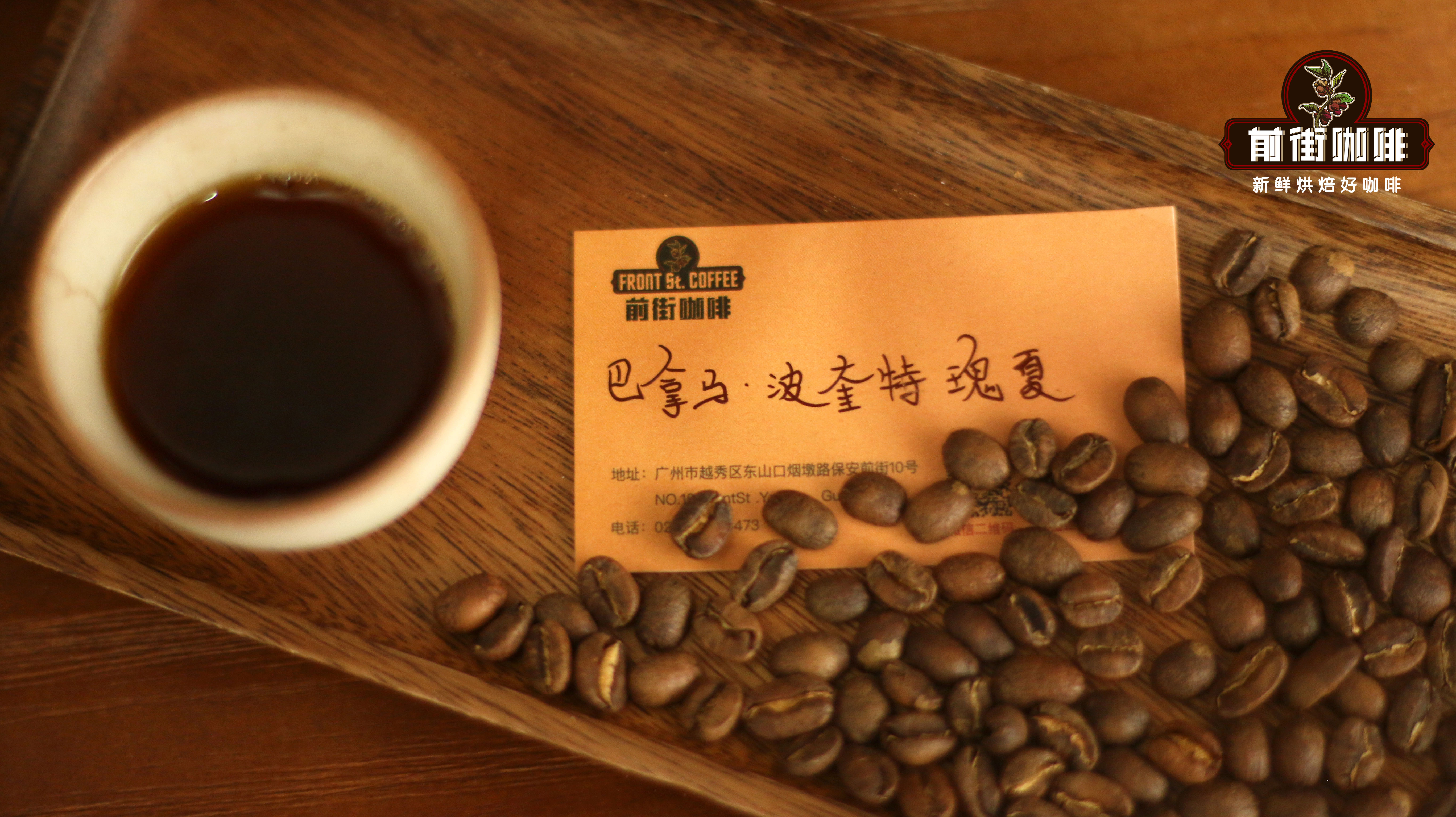
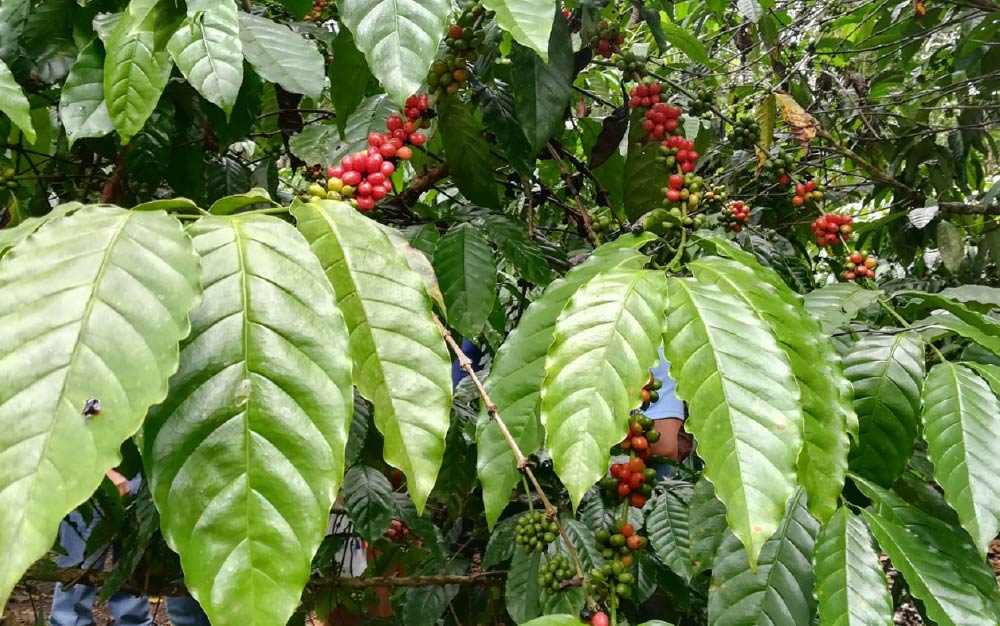
Geisha is extremely demanding when it comes to growing conditions. It thrives best at high altitudes (typically above 1600 meters), in fertile and well-drained soils, with moderate shading and cloud cover to reduce damage from intense sunlight. Additionally, its leaves are thinner, resulting in lower photosynthesis efficiency, and its root system is not well developed, leading to slow absorption of water and nutrients. As a result, its per-plant yield is far lower than that of common commercial varieties like Caturra. These factors combined are the main reasons why Geisha prices have remained consistently high.
Panama Geisha: The Key Terroir of Its Birthplace
When talking about Geisha, one cannot overlook the Boquete region of Panama. Nestled between the Barú Volcano and the Jalapeño Mountains, this area features a narrow valley terrain with elevations generally exceeding 1800 meters. The local climate is cool and foggy, complemented by abundant annual rainfall and mineral-rich volcanic soil, creating ideal conditions for coffee cultivation.
Especially in areas above 6500 feet (approximately 1980 meters), where airflow from the Caribbean Sea and the Pacific Ocean converges, a diverse microclimate is formed, helping coffee cherries accumulate richer aromatic compounds. In 1996, Panama established the Specialty Coffee Association of Panama (SCAP), and through competitions and auctions, successfully brought its domestic Geisha to the international stage. Among them, the washed Boquete Geisha is known for its bright citrus notes and honey-like sweetness, making it a popular choice for many coffee enthusiasts.
Ethiopian Geisha: Original Genetics and Flavor Differences
Although Geisha is named after Ethiopia’s Gesha region, most Ethiopian Geisha on the market today are the result of later efforts to locate the original plants. However, these plants are not closely related to the original T2722 variety that was taken away, so their flavor profiles are generally not as refined as those of Panamanian Geisha. Ethiopian Geisha often exhibits a more subdued almond aroma, with less pronounced floral and fruity notes and a relatively simpler flavor layering, making it suitable for consumers who prefer low-acidity and full-bodied tastes.
Yunnan Geisha: Current Cultivation Status and Challenges
Yunnan began introducing Geisha around 2011, mainly in regions such as Baoshan, Pu’er, and Xishuangbanna, with planting altitudes ranging from approximately 1300 to 1800 meters. Although these areas do offer certain advantages in terms of altitude, they still fall short compared to the extremely high altitudes of Panama and Ethiopia. Moreover, differences in soil composition, rainfall patterns, and day-night temperature variations compared to the places of origin have resulted in Yunnan Geisha developing unique regional flavor characteristics.
Currently, Yunnan Geisha is primarily cultivated on a small scale by a few pioneering farms, such as “Zuo Yuan” in Baoshan and Aini Estate. Through years of trial planting and varietal improvement, these farms have gradually adapted to the local climate and achieved certain results in disease resistance and yield stability. However, due to limited planting areas, as well as differences in processing techniques and market demand, the production of Yunnan Geisha remains low, and its price is relatively high.
Cupping Profile of Yunnan Geisha
Based on actual cupping experiences, Yunnan-produced Geisha typically exhibits a more moderate flavor profile. For example, a medium-light roasted sun-dried Geisha from Baoshan often presents subtle acidity reminiscent of plum, a sweet note of red berries, and a mild base of black tea. Floral notes are not prominent, and while the overall flavor is balanced, it lacks the layered depth and explosive character of Panamanian Geisha. However, with appropriate processing methods and roast level adjustments, it still has the potential to showcase uniquely charming regional traits.
Overall, although Yunnan Geisha has not yet fully matched the flavor purity and complexity of top-tier Panamanian Geisha, as one of the representatives of domestic premium coffee, it has demonstrated significant development potential that cannot be ignored. For coffee enthusiasts eager to explore diverse regional flavors, Yunnan Geisha is worth trying and serves as an important window into the current state of domestic specialty coffee development.

The above content is compiled by CoffeeHunters, a coffee news website.


