







Introduction:Want to master the rich, nutty profile of Brazilian coffee? This guide dives deep into the characteristics of the Cerrado and Queen Estate regions, explores the flavor differences between Red Bourbon and Yellow Bourbon, and provides professional-grade pour over equipment pairings, grind size selection, and three-stage pouring techniques. From the optimal water temperature of 88°C to the golden coffee-to-water ratio of 1:15, it details how to brew a Brazilian specialty coffee with caramel and creamy notes.
Brazil has long ranked as the world’s top coffee producer, yet it rarely appears on single-origin coffee bean recommendation lists, often serving instead as the base for blends. This is closely tied to the soft bean traits shaped by its low-altitude growing environment—gentle acidity, pronounced nutty and chocolatey notes, and a rich mouthfeel with a uniquely smooth texture. This article systematically outlines the terroir characteristics of Brazil’s major coffee-growing regions, analyzes the varietal differences between Red Bourbon and Yellow Bourbon, and demonstrates in practice how to use a KONO filter, 88°C water temperature, and precise grind size to pour over a Brazilian single-origin coffee with rich flavor layers.
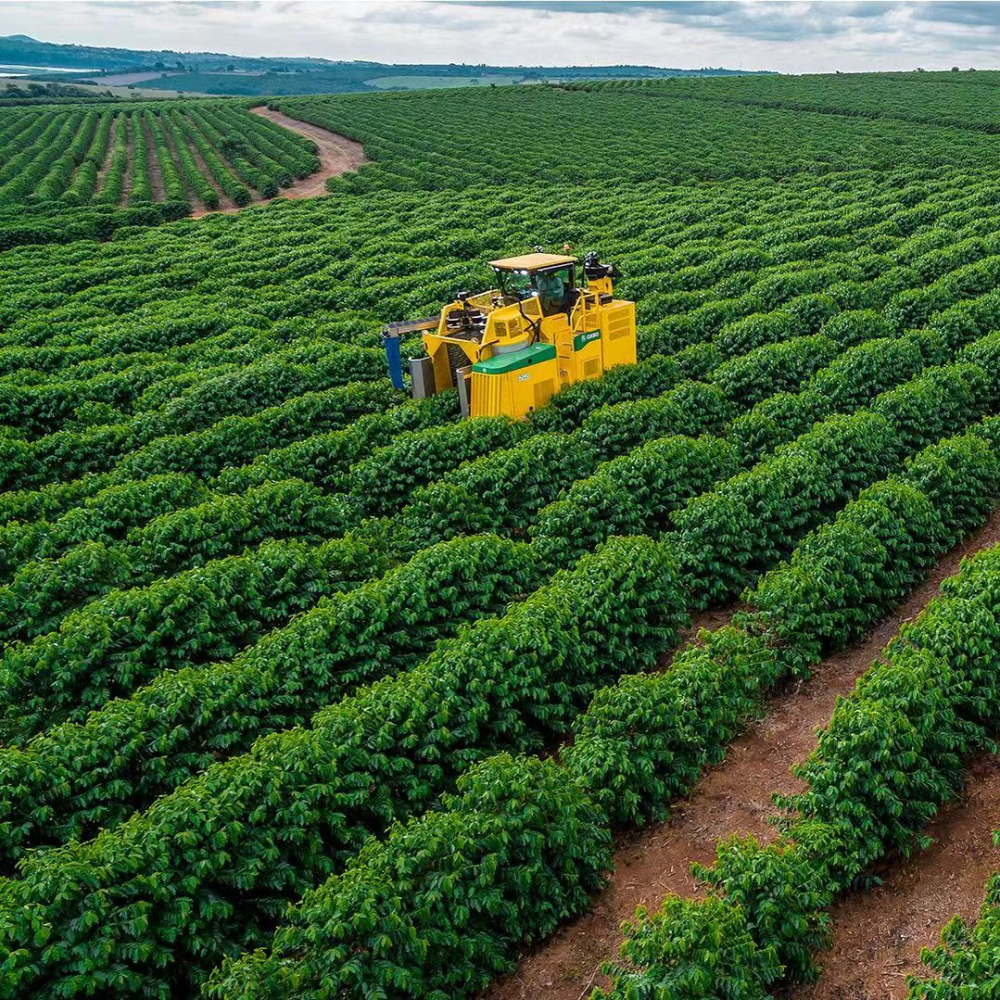
In the selection of specialty single-origin coffee beans, Brazilian beans are often used in blends rather than as the star, but their commercial value is undeniable. The flat terrain of the Brazilian highlands and the sun-dried cultivation method produce a representative bold and rich flavor, with subtle acidity but distinct caramel sweetness and a nutty finish. Especially in the South Minas and Cerrado regions, microclimates and altitude conditions allow some areas’ coffee beans to break free from traditional frameworks, showcasing delicate profiles worthy of specialty-grade status.
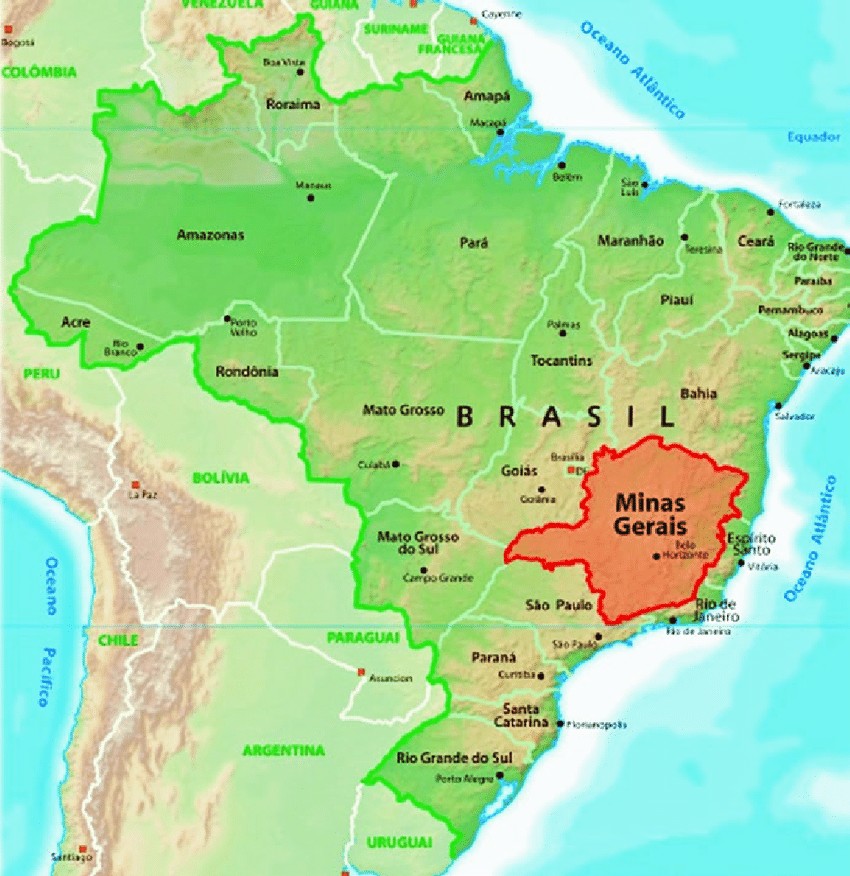
In terms of regional distribution, Brazilian coffee is concentrated in seven states from the central to southern regions, covering at least fourteen distinctive growing areas. Among them:Cerrado (Cerrado)andSouth Minas (Sul de Minas)are the two most iconic core regions. Cerrado is located inland on the Brazilian plateau, where its plateau terrain at 850 to 1200 meters above sea level, combined with distinct wet and dry seasons, produces coffee beans with a tight structure and clean aftertaste; South Minas, with its high-altitude areas above 1100 meters, nurtures the bright acidity and complex aromas unique to Bourbon and Yellow Bourbon varieties.
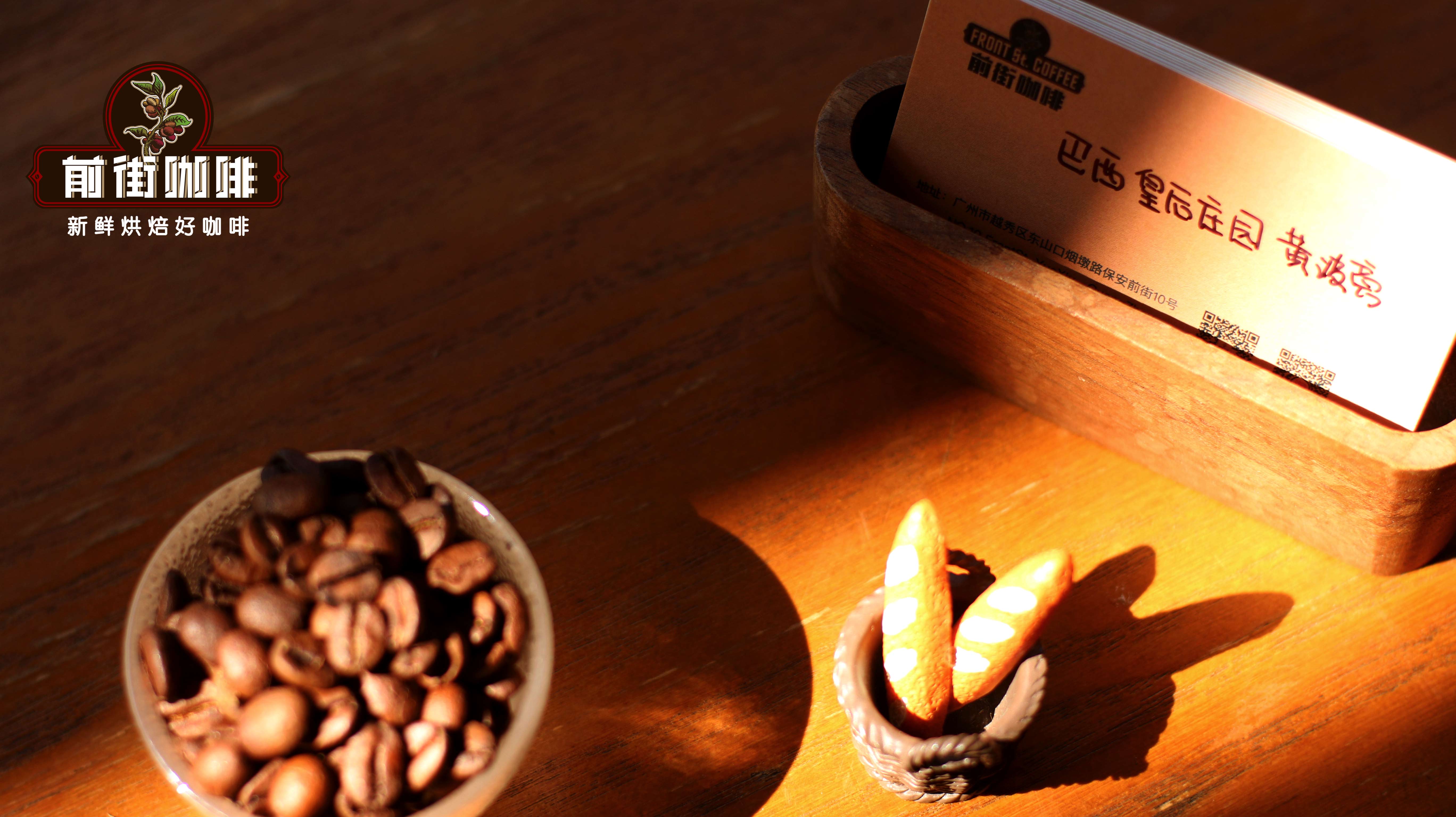
Delving into varietal differences, Brazil’s main cultivars,Red BourbonandYellow Bourbonboth originate from mutations of Typica. Red Bourbon is known for its red fruit, with a flavor profile leaning toward wine-like brightness and floral-fruity notes; Yellow Bourbon, due to its orange-yellow hue when ripe, typically exhibits a smoother caramel sweetness and nutty base. The Yellow Bourbon specialty beans from Queen Estate highlight the delicate floral notes and balanced acidity-sweetness ratio brought by high-altitude cultivation.
Processing method evolution is also a key factor. Traditional sun-drying methods are prone to weather impacts and off-flavors, but after the 1990s, Brazil developedpulped natural (Pulped Natural) technology, which involves removing the skin and pulp first and then controlling the mucilage fermentation level, significantly reducing mold risks and improving cleanliness. A certain coffee brand’s Cerrado pulped natural beans are a prime example, balancing a rich mouthfeel with clear flavor lines.
For practical pour over parameters, given the common dark roast characteristics of Brazilian coffee, the following golden combination is recommended:KONO filterpaired with88°C water temperature,1:15 coffee-to-water ratio(15 grams of coffee to 225 milliliters of water), using a medium-coarse grind size with 75% extraction through a #20 sieve. The three-stage pouring process is: first stage—30 milliliters for a 30-second bloom to activate the coffee grounds; second stage—pour in small circles to reach 125 milliliters; final stage—continue pouring to a total of 225 milliliters, with the total extraction time controlled to exactly 2 minutes.
For filter choice, the KONO’s unique hollow rib design effectively slows down water flow, while its smooth upper wall promotes even coffee liquid extraction, making it particularly suitable for enhancing the rich body and caramel finish of Brazilian beans. The grind should be slightly coarser than that for light roasts to avoid over-extraction and bitterness, while ensuring sufficient water-coffee contact time to release nutty and chocolatey notes.
In terms of flavor profile, Cerrado beans processed via pulped natural often exhibit noticeable sweetness and lemon acidity, with distinct nutty layers in the mid-palate and a rich dark chocolate finish; Queen Estate Yellow Bourbon showcases a more balanced cane sugar sweetness and almond-cocoa dominant notes, with an overall round and full mouthfeel. Pay attention to freshness management—opt for coffee beans roasted within 5 days prior, with a resting period of about 4 to 7 days to reach peak flavor.
Common pitfalls to note: water temperatures too high (above 90°C) can lead to burnt or bitter defects, while temperatures too low (below 85°C) may suppress aroma release; coffee-to-water ratios below 1:14 will be overly concentrated, while those above 1:16 will result in overly diluted flavors. Regularly cleaning residual coffee grounds from the filter and maintaining stable pouring are also important details for improving brew quality.
The above content is compiled by CoffeeHunters, a coffee news website.


