







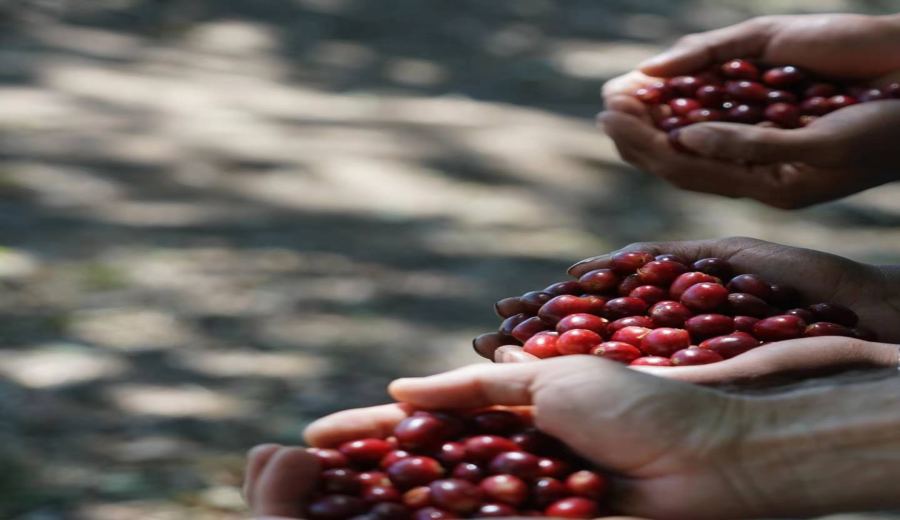
Introduction:Delve into the premium coffee journey of Panama Eleta Gesha and 90+ (Ninety Plus), from its Ethiopian origins to the rise of the Volcán region in Panama. Explore the secrets behind patented processing methods such as Red, Ruby, and Solkiln, and discover the high cost-performance options of the LevelUp sub-brand series. This article also compiles the typical flavor profiles of the Gesha variety and provides a complete green bean profile of 90+ Gesha from Panama’s Volcán region, helping you master the essentials of selecting and appreciating high-end coffee.
Do you know the story behind the name of Panama’s Eleta coffee? Or how Panama’s coffee bean grading system works? This article begins with the birth of the Ninety Plus (90+) brand, taking you through founder Joseph Brodsky’s years of experimental coffee processing experience in Ethiopia, and his move to Panama in 2009 to establish the 90+ Gesha Estate, ushering in a new chapter in specialty coffee. We will also detail the brand’s patented processing techniques such as Red (Red Process), Ruby (Ruby Process), and Solkiln (SK Process), as well as how the sub-brand LevelUp series strikes a balance between price and flavor. A comprehensive profile of 90+ Gesha from Panama’s Volcán region is included, giving you a full understanding of the allure of high-end Gesha—from green beans to brewing.
Ninety Plus (90+) is a specialty coffee brand founded by Joseph Brodsky in Ethiopia in 2006. In 2007, the brand’s first coffee release garnered widespread market attention for its profound and long-lasting flavors. Achieving such a high standard was due to deep involvement from the planting stage, meticulously classifying each batch of green beans according to variety characteristics, climate conditions, and harvest timing, then tailoring storage and processing plans for different batches to ensure each coffee bean could express its ultimate potential.
During his time in Ethiopia, Joseph Brodsky had been searching for an extraordinary coffee that could surpass the traditional Gesha variety, but had yet to fully succeed. Since breakthroughs at the varietal level were proving difficult, he decided to use Gesha as the base and refine the ultimate Gesha flavor through innovative processing methods. The experimental processing techniques he accumulated in the region became the core competitiveness of 90+. In 2009, Joseph Brodsky officially established the 90+ Gesha Estate in Panama, putting his experimental results into practice.
In terms of processing methods, 90+ owns several patented technologies, including Red (Red Process), Ruby (Ruby Process), and Solkiln (SK Process). Each method is adjusted to target specific flavor profiles and employs strict control over temperature, humidity, and fermentation to bring out the richest layers of the coffee beans. Additionally, 90+ often uses codes such as N2-W2-H2 to denote specific processing combinations, showcasing its scientific approach to processing. Notably, the brand’s baristas name each coffee based on their initial tasting intuition, bestowing poetic names such as the elegant and romantic “Juliette,” as well as locally derived or directly translated names like “Drima Zede” and “Danch Meng.”
In 2019, 90+ further expanded its territory by acquiring a plot of land adjacent to the Barú Volcano, naming it “90+ Barú Estates.” The area’s volcanic activity has resulted in extremely fertile soil rich in various minerals, providing optimal growing conditions for coffee and laying a solid foundation for future production of specialty beans.
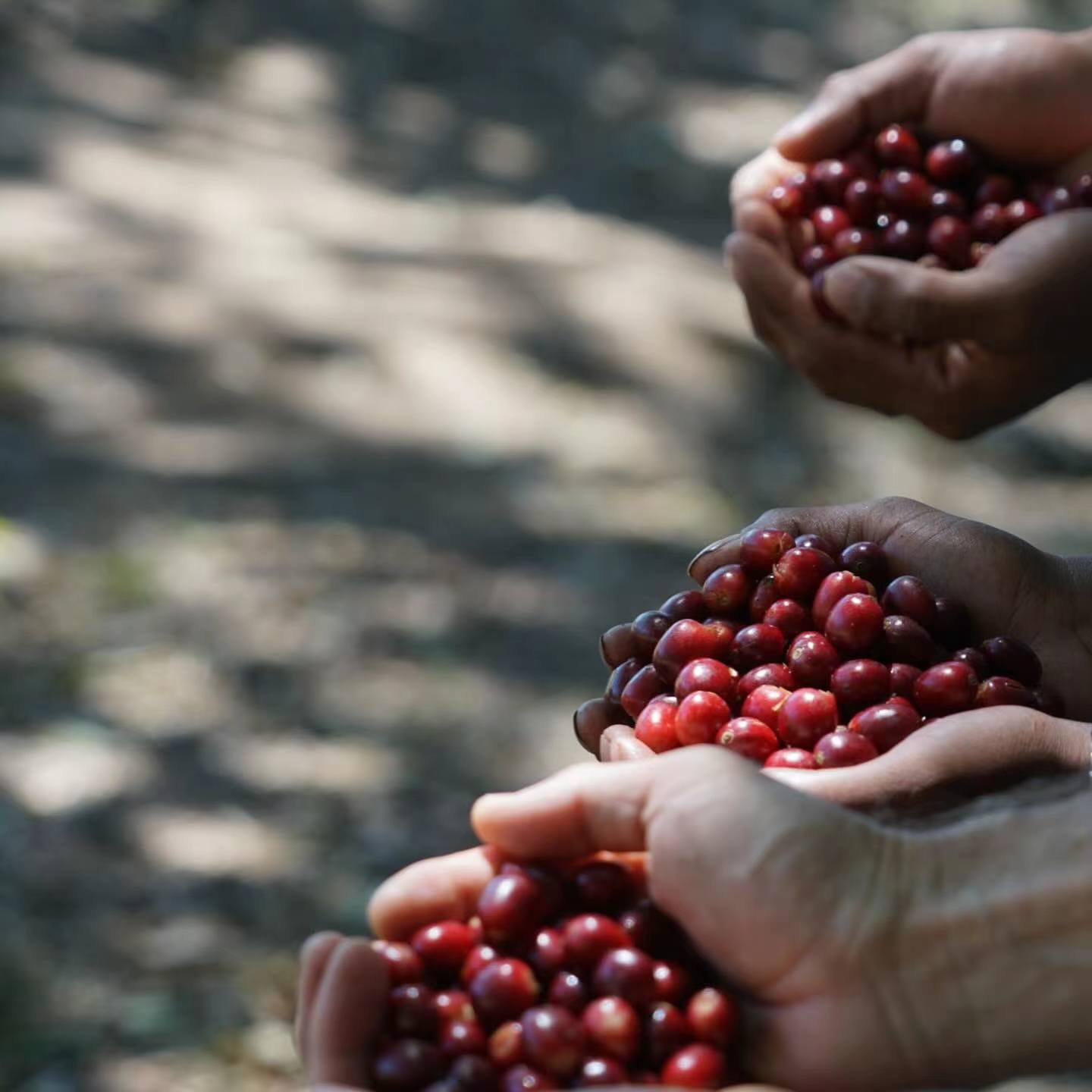
When discussing the Gesha variety, one cannot overlook its place of origin—the Sidama region of Ethiopia. This area boasts highly diverse soil types, microclimates, and native coffee varieties, along with a terrain interwoven with mountains, plateaus, valleys, and plains, creating complex and varied flavor potential. The soils in Sidama are mostly volcanic, nutrient-rich, and well-draining, with an average depth of two meters. The surface layer is dark brown or brown in color, and fertility is maintained through organic matter cycling. Natural leaf litter and humus from surrounding vegetation serve as natural sources of nutrients.
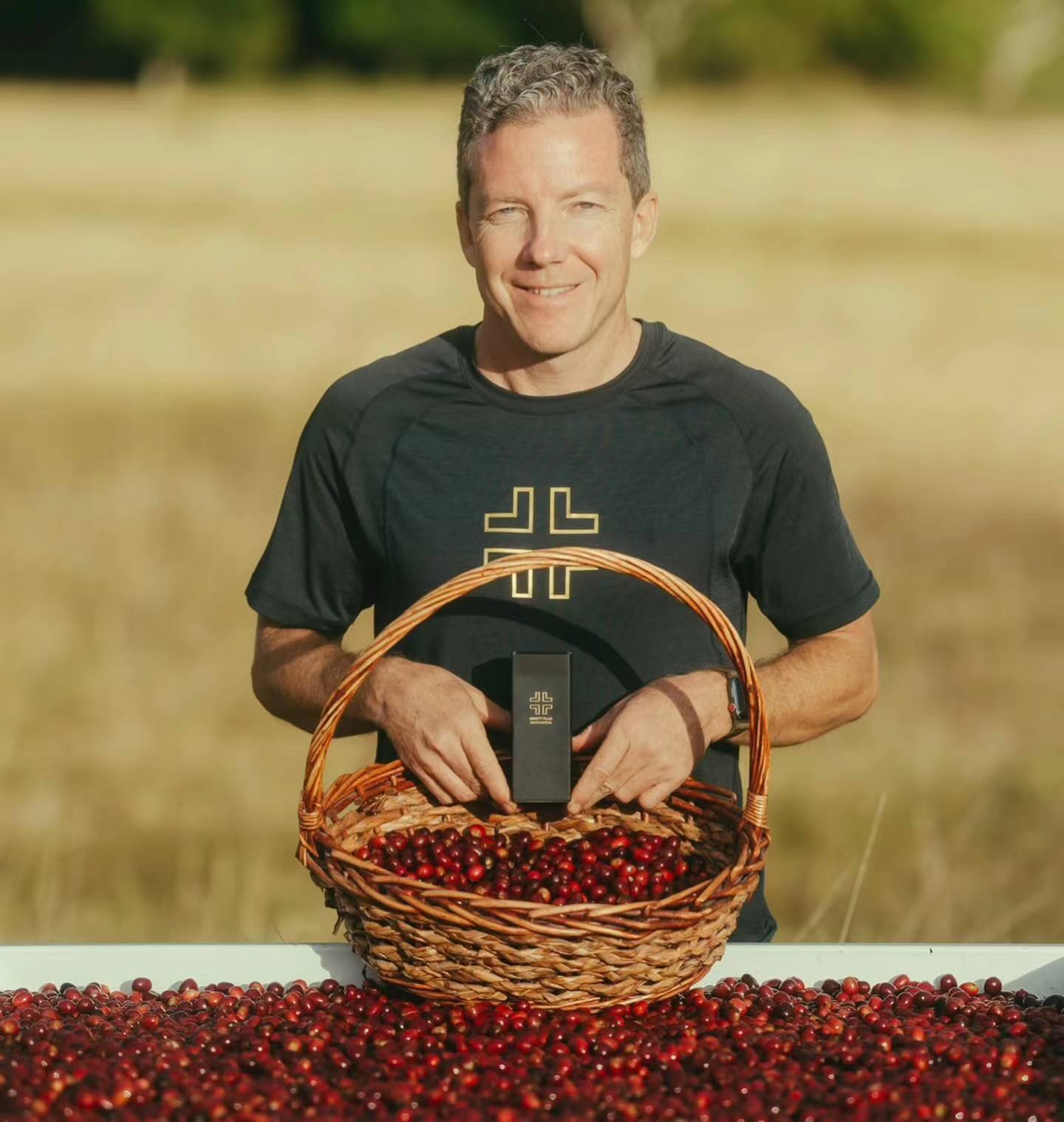
Take 90+ Drima Zede as an example. This natural-process Yirgacheffe from Ethiopia’s Sidama region, whose name means “Best Approach” in the local language, demonstrates how, despite the challenges of natural processing in producing clean and bright flavors, 90+’s stringent quality control—selecting only the ripest coffee cherries and frequently turning them during drying to ensure evenness—results in a product with transparent and clear flavors. The taste varies noticeably between hot and cold servings, blending fruit, floral, and woody notes, showcasing exceptional flavor intensity.
Origin: Ninety Plus Ethiopia SNNP, Sidama Region
Altitude: 1750m-2000m
As for the LevelUp sub-brand, it is a high cost-performance series launched jointly by 90+ and green bean trader BodhiLeaf, focusing on Ethiopian varieties. Rather than being named after regions, the beans are named after flavor-related words directly translated from local languages. For instance, “Danch Meng” means “Good Path,” offering a complex profile of cocoa, black raspberry, plum, and dark chocolate. It showcases 90+’s signature natural processing flavors but at a more accessible price point.
Other LevelUp series offerings also feature distinctive flavor profiles, such as:
DerarEla 丨 Dreamer — Richly aromatic, with tropical fruit and lime notes, complemented by chamomile freshness
LomiTasha丨 Lomi Tasha — Smooth lemon, honey, and wild ginger lily tones, paired with delicate green tea texture
Faya Deraro丨 Drey Ara — A blend of blueberry, strawberry cookie, cherry, white wine, and raspberry
Nitsu Ruz 丨 Rosemary Freshness — A marvelous combination of floral, lemon peel, lychee, prune, kumquat, and black tea
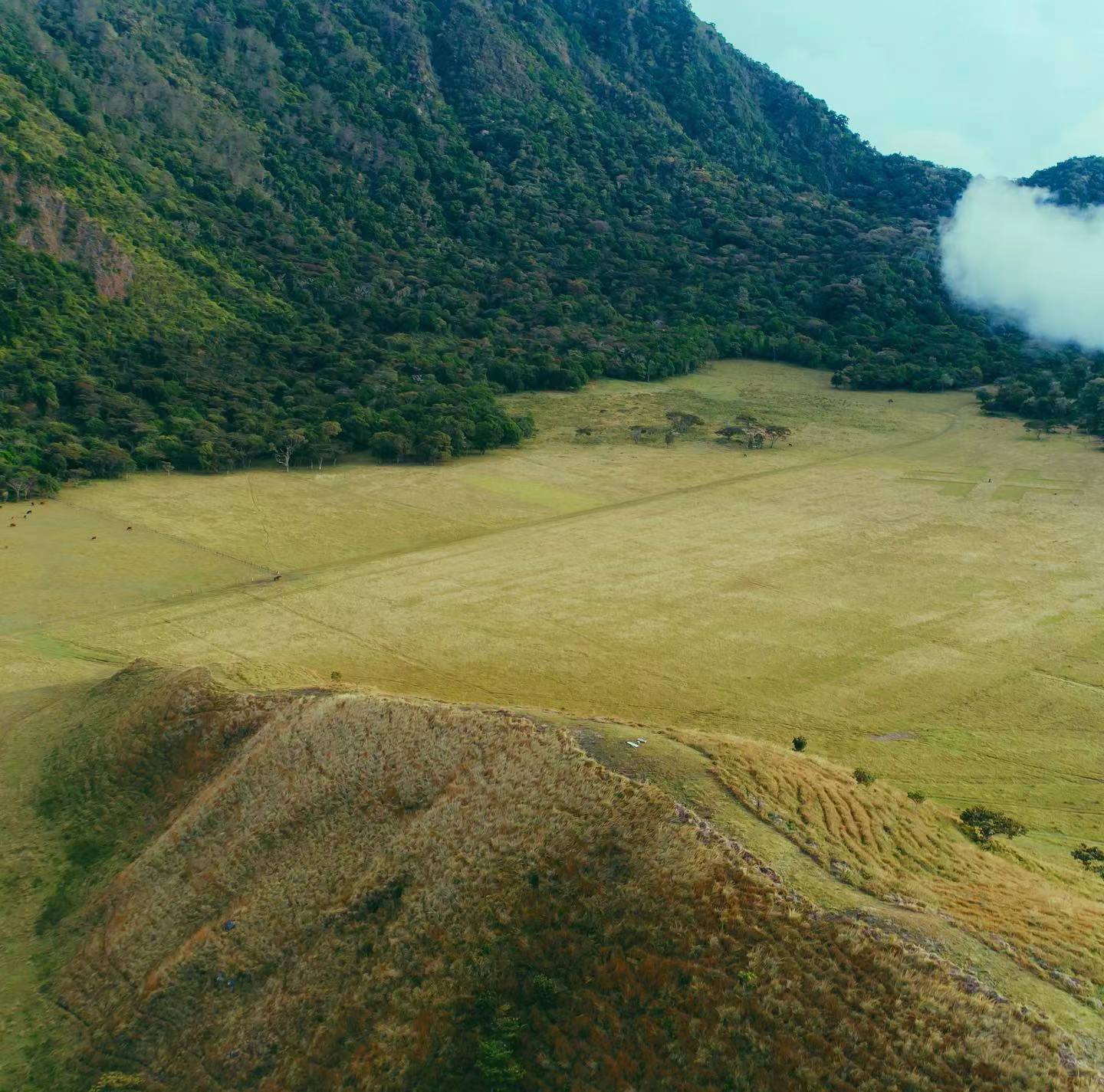
Back in Panama, 90+ Gesha planted in the Volcán region grows at altitudes between 1400-1800 meters and is processed using 90+’s patented methods. The variety is classic Gesha. This coffee features a clear flavor profile, often showcasing bright acidity and tropical fruit notes such as bergamot, sweet orange, pineapple, longan, preserved fruits, and apple. It is a favorite among many pour over enthusiasts and competition-level drinkers.
In summary, 90+ not only leads the way in the processing and presentation of the Gesha variety, but its development trajectory from Ethiopia to Panama also demonstrates how specialty coffee can elevate flavors to an artistic level through scientific processing, careful selection of regions, and innovative naming. If you’re interested in Gesha or high-altitude processed coffees, delving into 90+’s offerings and techniques is an excellent starting point for exploring the world of specialty coffee.
The above content is compiled by CoffeeHunters, a coffee news website.


