







Introduction:Many coffee beginners, upon first trying Mandheling, are often amazed by its intense herbal aroma and bold body, yet also puzzled by its pronounced bitterness. This article delves into the origins of Mandheling coffee, explores its unique wet-hulling processing method, and examines how medium-to-dark roasting shapes its flavor profile. It also takes you through the actual performance of two classic Mandheling coffees, helping you master the brewing essentials and flavor characteristics of this iconic Indonesian bean.
Many people, when tasting Mandheling coffee for the first time, are struck by its strong herbal and spicy notes, and may even be surprised by its full body and noticeable bitterness. But this bitterness is actually part of Mandheling’s flavor puzzle. Truly high-quality Mandheling not only has layered bitterness but also offers a lingering sweetness and a silky mouthfeel. What factors contribute to Mandheling’s distinctive character? This article will help you fully understand this classic coffee from Sumatra, covering everything from origin background, processing methods, roasting impact, to actual flavor expression.
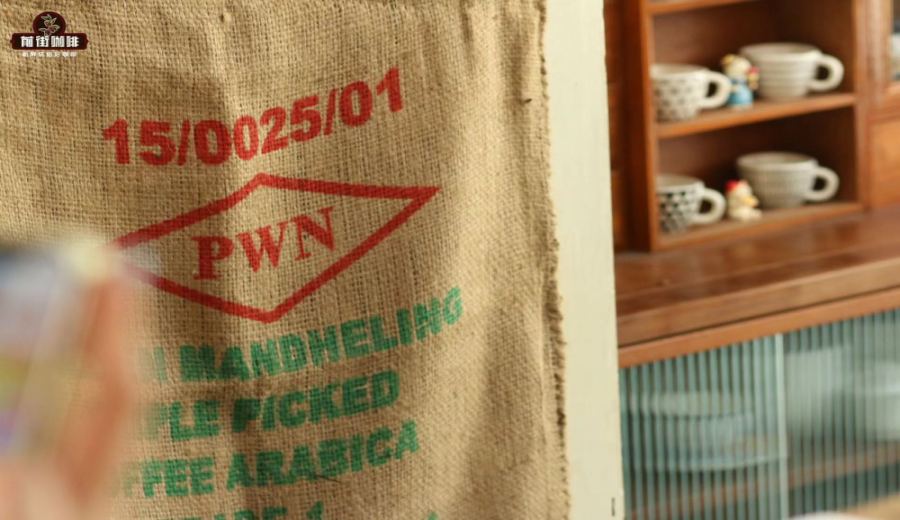
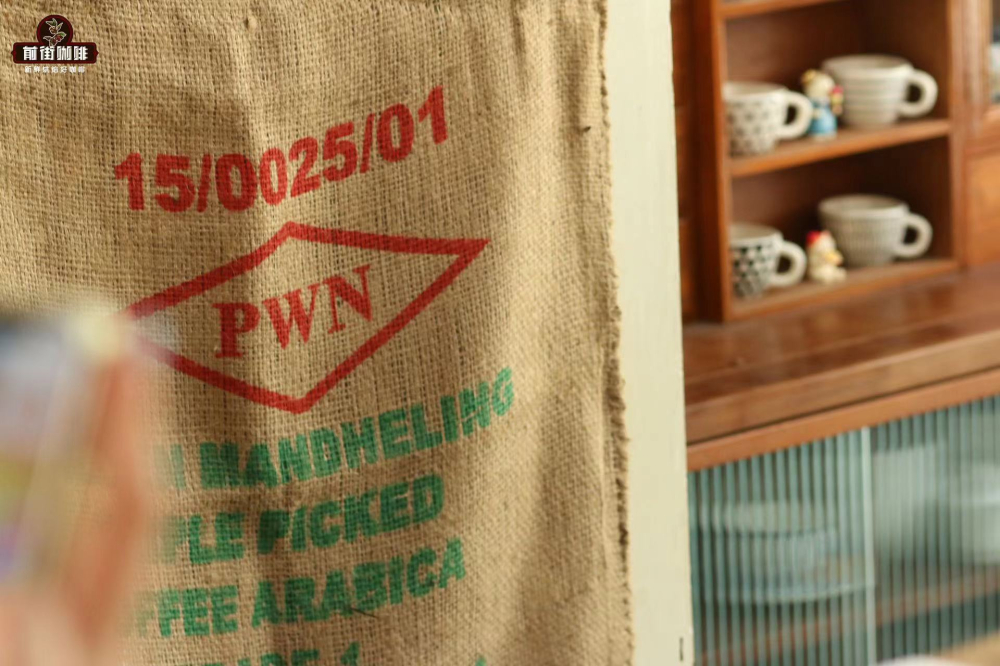
The so-called Mandheling coffee actually belongs to the Arabica species and originated in the Bukit Barisan mountain range in northern Sumatra, Indonesia, particularly concentrated in the Mandailing region. However, the Mandheling commonly found in the market today mostly refers to Typica or its variants grown in the mountainous areas around Lake Toba. Due to regional differences and supply chain classification methods, various names have emerged, such as Lintong Mandheling and Aceh Mandheling. The two major well-known varieties that general consumers often encounter are Lintong Mandheling, graded as local Indonesian G1, and the high-quality PWN Golden Mandheling, which differ significantly in market positioning and flavor expression.
When talking about Mandheling, one cannot overlook its most representative “wet-hulling process (Wet Hulled).” Indonesia is located near the equator, with humidity levels as high as 70% to 90% year-round, coupled with frequent rainfall, making traditional sun-drying or washed processing methods extremely challenging. To accelerate the processing, reduce risks, and maintain economic efficiency, local farmers developed this unique wet-hulling procedure. The specific steps are: first, the outer skin of the harvested coffee fruit is removed, then it is fermented in water tanks for about 24 to 36 hours to remove some of the mucilage; next, the beans, still containing some moisture, are evenly spread out and dried to a semi-dry state, at which point the parchment layer is removed, exposing the green beans directly to the air for subsequent sun drying until the moisture content is reduced to 10% to 12%. While this processing method greatly improves efficiency, the beans are hulled while still relatively high in moisture, causing the bean structure to be easily damaged and forming the so-called “elephant hoof notch,” which has become an external characteristic of Mandheling green beans.
Because the wet-hulling method accelerates the drying process, compared to other processing methods, the cellular structure of the coffee beans is more prone to compression and abrasion, which in turn affects the final flavor’s concentration and purity. But it is precisely this special processing that gives Mandheling its highly recognizable low acidity and full-bodied characteristics, and when medium-to-dark roasted, it exhibits herbal, spicy, cocoa, and even woody notes—all classic expressions of the Sumatra region’s flavor profile.
If you’re just starting to explore Mandheling, you might want to begin with an entry-level G1 Indonesian Mandheling. This bean typically comes from the Lintong region, and medium-to-dark roasting can highlight its rich nutty profile, with occasional hints of mild melon in the aftertaste. As the temperature cools slightly, the layers of herbal notes gradually emerge. The overall mouthfeel is full, with intense yet balanced aroma, suitable for brewing methods such as pour over, moka pot, espresso SOE, or drip bags. It’s a great starting point for trying out the Mandheling flavor.
If you’re looking to experience a higher-quality Mandheling, you shouldn’t miss the high-altitude-grown PWN Golden Mandheling. This coffee comes from Gayo Mountain in Aceh, Sumatra, grown at altitudes between 1100 and 1600 meters, and the variety is Ateng, also processed using the wet-hulling method. Golden Mandheling is extremely strict in its green bean selection, requiring G1 grade screening and undergoing three rounds of manual hand-picking to ensure each bean is uniform in size and has minimal defects (fewer than 3 defective beans in a 300g sample). Its beans are mostly size 18 or above, with a dark green color and neat shape, classified as premium flat beans. This strict quality control not only greatly reduces earthy or impurity flavors but also allows the coffee to showcase multiple layers of aroma and taste, including spices, herbs, caramel, pine, nuts, and chocolate. The overall profile is cleaner and brighter, with a noticeable sweetness, making it a classic favorite among many seasoned coffee enthusiasts.
In summary, the bitterness of Mandheling is not a flaw but an important component of its flavor profile. From the climate and environment of its origin, to the unique wet-hulling processing technique, to the bold and full-bodied character brought out by medium-to-dark roasting—every step influences the final flavor experience in the cup. Whether you’re a beginner just starting out or a coffee lover seeking high-quality single-origin beans, gaining a deeper understanding of Mandheling’s processing and roasting characteristics can help you more accurately grasp the charm of this classic coffee.
The above content is compiled by CoffeeHunters, a coffee news website.


