







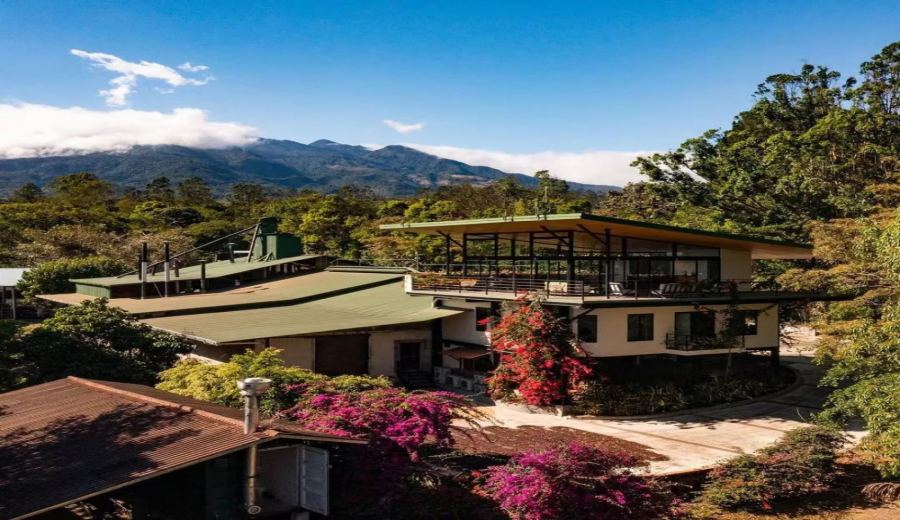
Introduction:Want to experience Geisha-level flavors on a reasonable budget? The "Butterfly Peacock" coffee beans from Panama’s Boquete region blend 70% Geisha lineage with local varieties, showcasing rich floral and fruity notes through sun-dried processing. This article delves into the region’s terroir, varietal characteristics, and processing methods, while providing professional V60 pour-over parameters and staged flavor profiles to help coffee enthusiasts brew a premium cup with layered complexity and sweetness at an affordable price.
The Boquete region of Panama is globally renowned for its Geisha coffee, yet the high prices of famous estates like La Esmeralda often deter newcomers. In reality, the "Butterfly Peacock" beans from the same region also carry Geisha genetics but deliver a similar flavor experience at a more accessible price. This single-origin blend from the Barú Volcano area actually consists of 70% Geisha, along with Caturra and Catuai—varieties harvested from a single plot, grown at an altitude of 1,600 meters. Through meticulous management, it offers outstanding value for money.
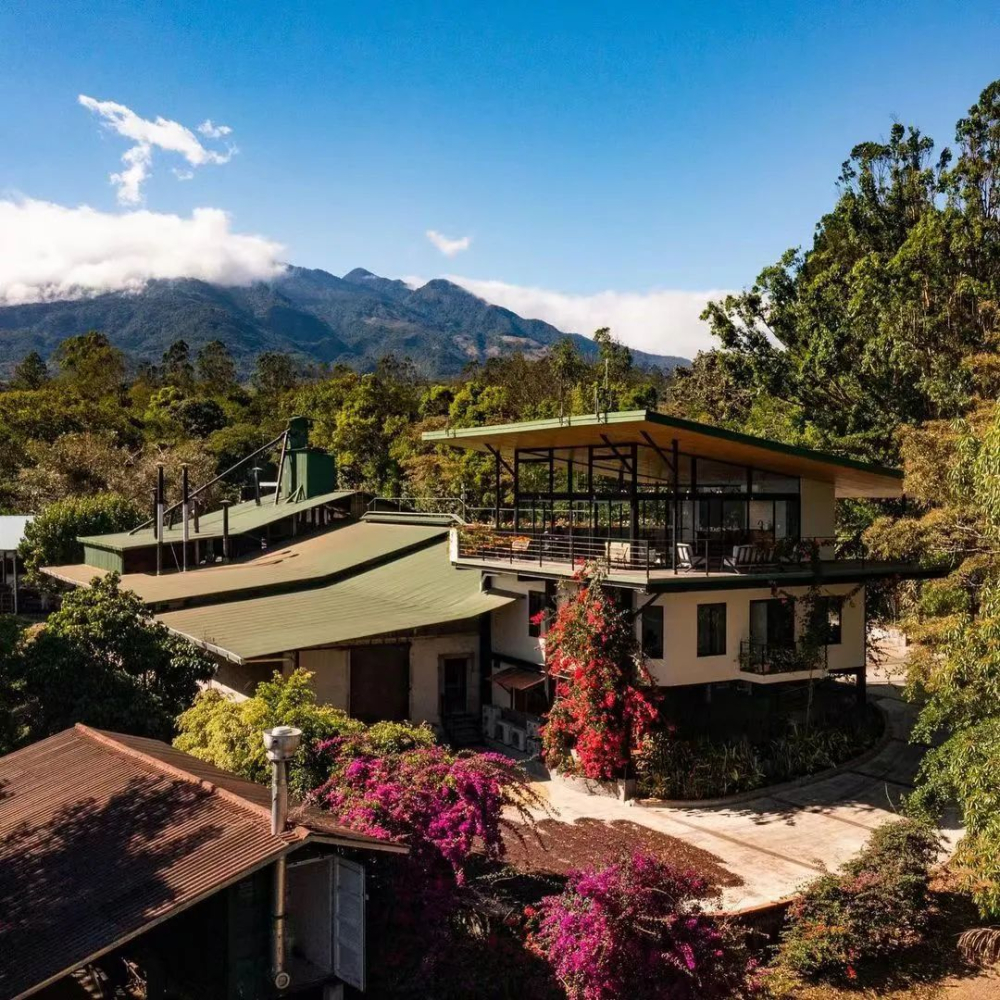
Boquete is located in Chiriquí Province, on the border of Panama and Costa Rica, adjacent to the active Barú Volcano. The region’s unique microclimate—warmed by humid Caribbean air during the day and regulated by Atlantic cold currents at night, combined with significant diurnal temperature variations at high altitudes—slows the ripening of coffee cherries, allowing them to accumulate rich sugars and aromatic compounds. The mineral-rich volcanic soil further lays the foundation for the Butterfly Peacock’s full-bodied taste.
Many consumers mistakenly assume that a package labeled with three varieties indicates a blend. In fact, the Geisha, Caturra, and Catuai in Butterfly Peacock come from the same plot and are interplanted for harvesting convenience, without varietal separation, making it a single-origin coffee. Geisha accounts for 70%, lending its signature jasmine and citrus aromas, complemented by Caturra’s bright berry notes and Catuai’s nutty base, creating a multidimensional flavor profile.

The history of the Geisha variety dates back to 1931 in Ethiopia’s Kaffa Forest. Initially collected for its disease resistance, it was later cataloged by the CATIE laboratory in Costa Rica as T2722. It wasn’t until the 1960s, when introduced to Panama, that farmers at Hacienda La Esmeralda discovered its high tolerance to leaf rust and gradually transplanted it to high-altitude areas. In 2004, it won first place at the BOP competition under the name "Geisha," solidifying its status as a specialty coffee. Butterfly Peacock inherits this lineage, enhancing its floral and fruity notes through sun-dried processing, delivering a rich flavor complexity reminiscent of La Esmeralda.
As a Bourbon mutation, Caturra features a medium-low tree height of 1.1–1.3 meters and high yield potential, thriving at altitudes of 700–1,700 meters—though higher elevations significantly boost acidity brightness. In contrast, Catuai is a hybrid of Mundo Novo and Caturra, offering stronger wind and rain resistance and a dense fruit structure. Though its flavor profile is less complex, its stable nutty notes provide good balance in blends.
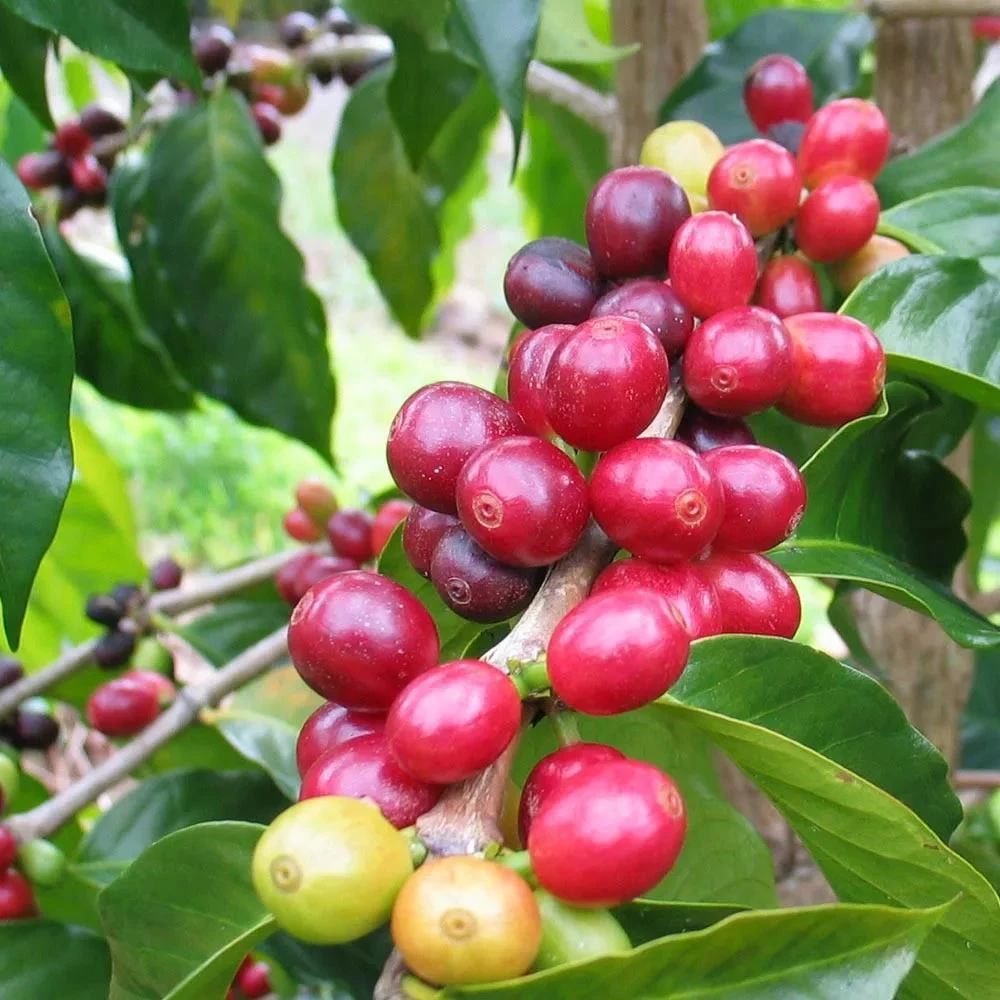
Butterfly Peacock employs traditional sun-dried processing, where whole coffee cherries are spread on raised beds or concrete surfaces and naturally dried for 2–4 weeks until reaching 12% moisture content. This process requires frequent turning to prevent uneven fermentation or mold, with sunlight and microbes working together to produce unique fermented aromas. Compared to washed processing, sun-drying retains more mucilage sugars, imparting a richer sweetness and fuller body, though strict control of drying conditions is essential to avoid off-flavors.
For V60 pour-over preparation, the following parameters are recommended: medium-fine grind (80% passing through a 20-mesh sieve in China),15 grams of coffee,、water temperature of 90°C,、a 1:15 coffee-to-water ratio.The specific process involves: a 30-second bloom with 30 grams of hot water, followed by slow circular pouring to reach 125 grams for the first pour, then waiting for the water level to drop to the coffee bed before continuing to a total of 225 grams. The entire extraction should take exactly 2 minutes. These parameters are designed to balance Butterfly Peacock’s high sweetness and highlight the fruity aroma brought by sun-dried processing.

In actual brewing, Butterfly Peacock delivers immediate notes of tea leaves and fermented fruit, paired with a creamy body and mild sweetness. As the temperature cools to medium, citrus acidity (such as sweet orange and black plum) and a honey-like finish gradually emerge, with excellent flavor persistence. Avoid over-extending extraction time to prevent tannin release, which can lead to astringency.
Regarding coffee bean storage, it’s best to choose freshly roasted beans within 5 days of roasting and consume them after 4–7 days of resting, when flavors peak. If purchasing pre-ground products, note that oxidation occurs rapidly post-grinding, so aim to brew within 30 minutes for optimal flavor. Whole beans not only store better long-term but also allow for the release of original aromas through fresh grinding, making them ideal for fully appreciating Butterfly Peacock’s complexity.
The above content is compiled by CoffeeHunters, a coffee news website.


