








Introduction:Geisha coffee is renowned for its unique floral and fruity aromas and rarity, making it a top choice for coffee enthusiasts looking to try something new or build a collection. However, to fully showcase its delicate flavors, it’s essential to master the correct pour over techniques and parameter settings. This article provides an in-depth analysis of Panama Esmeralda Washed Geisha, Ethiopia Gesha Village Red Label Natural, and an entry-level blended option, offering detailed pour over steps, brew ratios, water temperature and grind size recommendations, as well as flavor profiles for each. These insights will help you brew high-quality Geisha coffee at home.
Geisha coffee is often affectionately nicknamed “expensive tea” (貴下), not only because of its delicate and captivating flavors but also due to its scarce production and the challenges involved in cultivation and harvesting, which contribute to its premium pricing. This variety is celebrated for its intricate floral notes and bright citrus tones, with Panama Esmeralda and Ethiopia Gesha Village being two of the most renowned producing regions. When dealing with such high-quality beans, improper pour over methods can easily result in missing out on their essential flavors. This article focuses on several popular Geisha coffees, including Panama Boquete Washed Geisha, Gesha Village Red Label Natural, and a beginner-friendly blended Geisha, providing professional pour over parameters and flavor guides to help you easily grasp the brewing essentials.

The reason Geisha commands such high prices lies not only in its distinctive aromatic profile but also in the challenges of its growing environment and harvesting process. Geisha trees grow tall, making harvesting difficult, and their limited yield adds to the preciousness of each batch. Among the well-known producing regions, multiple Geisha lots from Panama’s Esmeralda Estate are highly praised, while Ethiopia’s Gesha Village Red Label Natural also enjoys strong recognition. These regions not only preserve the original genetics of Geisha but also showcase diverse flavor layers through different processing methods.
A certain coffee brand has designed multiple pour over setups tailored to the unique characteristics of different Geisha beans, ranging from high-end Esmeralda Washed Geisha and Gesha Village Red Label to everyday-drinking blended options, covering various budgets and brewing needs. This article will detail the optimal pour over parameters for each bean type, including dosage, grind size, water temperature, brew ratio, and pouring technique, while analyzing their flavor profiles to help you recreate a café-quality Geisha coffee experience at home.
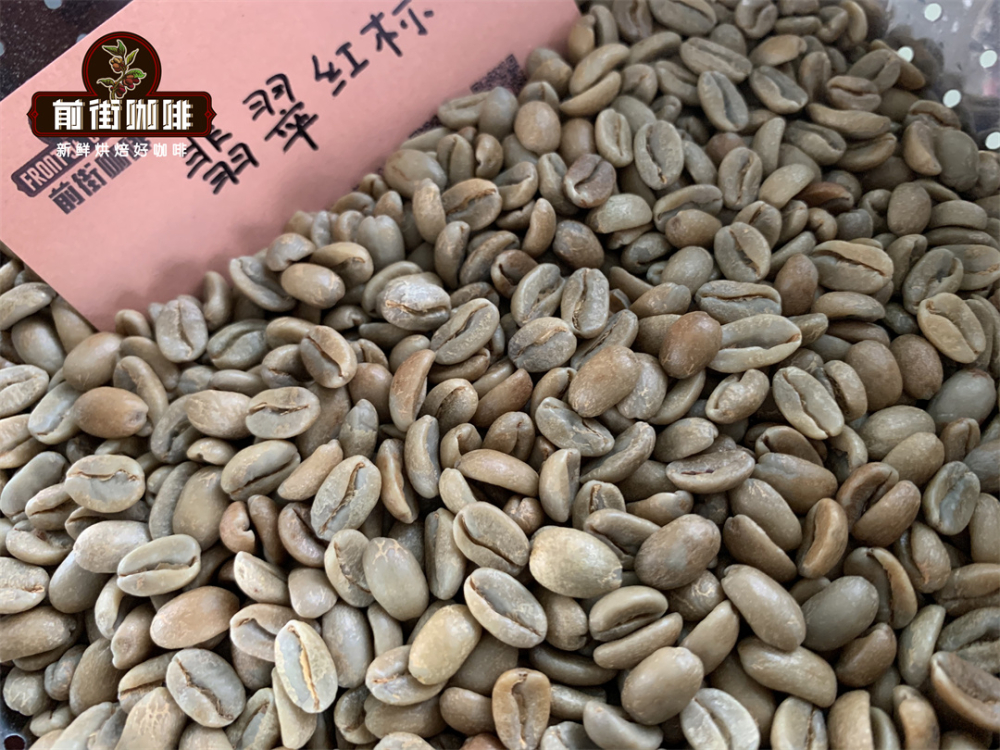
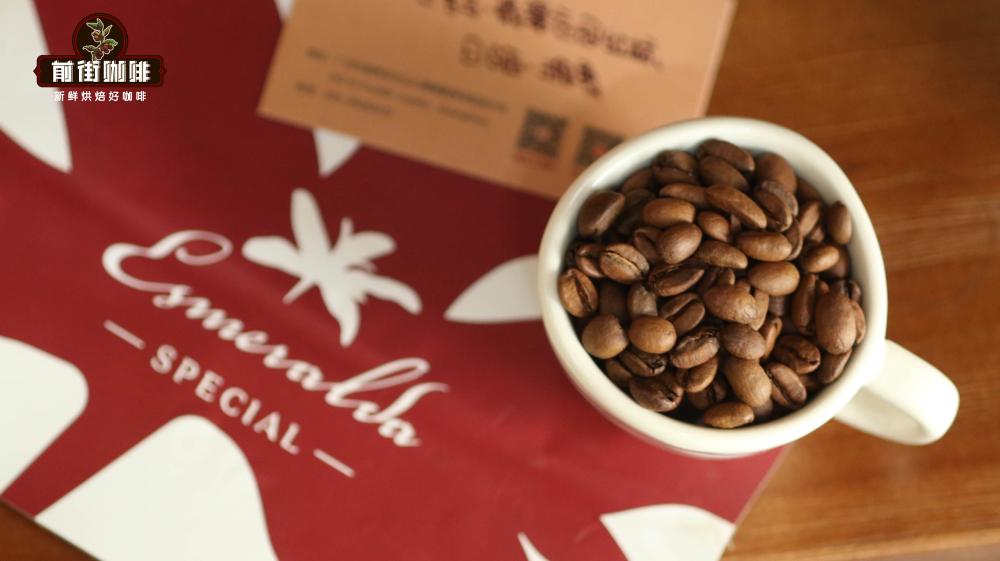
A Brand · Panama Boquete Washed Geisha Coffee Beans
Region: Panama Boquete
Estate: Esmeralda Estate
Processing Method: Washed
Altitude: Above 1500 meters
Variety: Geisha
Flavor Profile: Jasmine, Citrus, Honey, Grapefruit
This is the Esmeralda Estate’s “New Blue Label” washed Geisha, with beans that are pointed at both ends and rounded in the middle. After roasting, it emits a subtle floral aroma. It is recommended to use a Hario V60 small filter, with a dosage of 15 grams and a grind size set to 78% passing through a #20 sieve—slightly coarser than the usual pour over setting to help avoid over-extraction and channeling. Use a brew ratio of 1:16, with water temperature controlled at 91°C, helping to balance the intense floral and fruity notes with a clear acidity.
Recommended pour over steps: Begin by pouring 25 ml of hot water for a 30-second bloom, pouring slowly in a circular motion from the center outward to avoid over-saturation that could impede drainage. For the second pour, add 120 ml using a “mosquito coil” pattern, pouring from the inside out in circles, completing this within about 1 minute. Observe the natural descent of the water level, which should reach about halfway down the dripper at around 1 minute and 10–15 seconds, forming a bowl shape. For the final pour, add 90 ml, covering about half the surface in a circular motion, taking about 1 minute and 35 seconds to complete. Then let all the coffee drip through, with a total brew time of about 2 to 2 minutes and 5 seconds. This method fully highlights the rich floral and fruity aromas of the Geisha, along with a honey-like sweetness, resulting in a smooth mouthfeel and a clean, refreshing aftertaste.
A Brand · Gesha Village Red Label Geisha Coffee Beans
Region: Ethiopia Bench Maji
Estate: Gesha Village Estate
Processing Method: Natural
Altitude: 1909–2069 meters
Variety: Gori Geisha
Flavor Profile: Citrus, Plum, Cream, Tropical Fruits, Fermented Notes
This Geisha comes from the Red Label batch of Ethiopia’s Gesha Village Estate, sourced from the Shewa-Jibabu plot at an altitude between 1973 and 2069 meters. The variety is the wild Gori Forest Gori Geisha. The natural processing gives it intense fruitiness and a creamy finish, with flavors centered around yellow stone fruits and white floral notes. The acidity is soft and the sweetness pronounced. However, the overall body is slightly lighter, and performance can be thin at lower temperatures, so the focus when brewing is to enhance sweetness and layering.
It is recommended to use a Hario V60 small filter, with a dosage of 15 grams. To improve body, the grind size can be adjusted finer. Set the brew ratio to 1:15, with water temperature also at 91°C, using a three-stage pour. The first stage is 30 grams of water for a 30-second bloom; the second stage is 95 grams, poured after a 10-second interval; the third stage is 100 grams, with total extraction time kept within 1 minute and 55 seconds. This setup helps bring out a high level of sweetness and complex fruitiness. At high temperatures, citrus notes dominate; mid-range temperatures shift to cream and stone fruit flavors; and lower temperatures reveal berry and maple sweetness.
Blended Geisha for Beginners
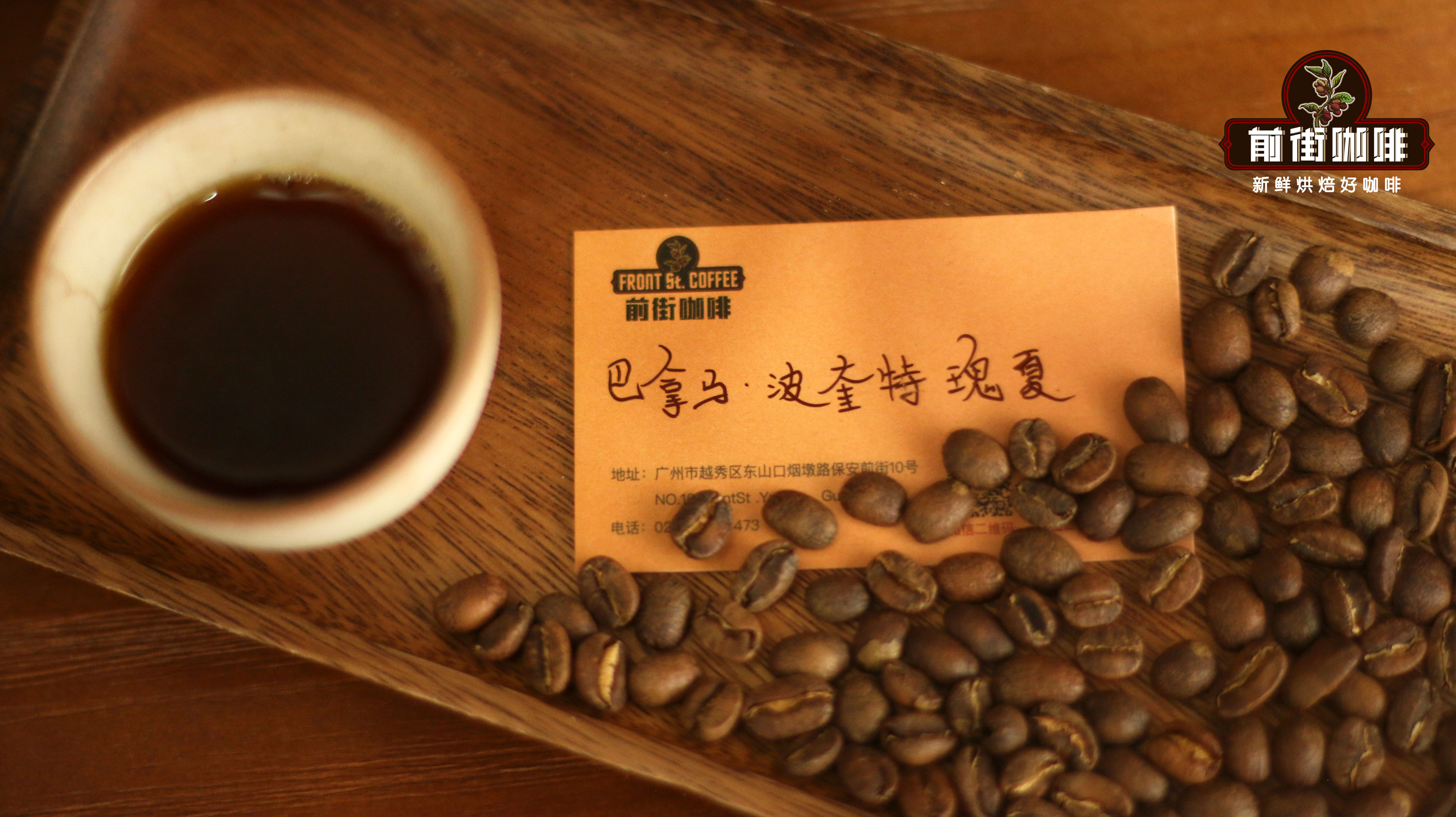
For coffee lovers just starting with Geisha, blended options offer excellent value. A certain brand offers several blends, among which “Butterfly Pea” is a mix from Panama’s Boquete region combining 70% Geisha with 30% Catuaí and Caturra varieties. It balances Geisha floral notes with nutty undertones, making it ideal for first-timers. Another option, “Strawberry Candy” from Costa Rica’s Miramar Estate, blends 50% Geisha with varieties like SL28 and ET47, using raisin honey processing to deliver rich berry and candied fruit flavors—perfect for those who enjoy intense fruitiness.
Taking Costa Rica Strawberry Candy as an example, it is recommended to use a Hario V60 small filter, with a brew ratio of 1:15, water temperature at 91°C, and a grind size of 80% passing through a standard sieve. Use a three-stage pour: the first stage is 30 grams for a 30-second bloom; the second stage is 95 grams, poured after a 10-second interval; the third stage is 100 grams, with a total extraction time of about 2 minutes. This brewing method fully releases its rose, strawberry, and raisin aromas, resulting in a rich mouthfeel and a long-lasting aftertaste.
The above content is compiled by CoffeeHunters, a coffee news website.


